Sözlük
/kumanda
kumanda
"kumanda" kelimesinin İngilizcesi: order, command, command, word, remote control. Anlamı, çevirisi, telaffuzu ve örnek cümleler aşağıdadır.
Çeviri
Askeriordernoun
Askericommandnoun
Genelcommand
Genelword
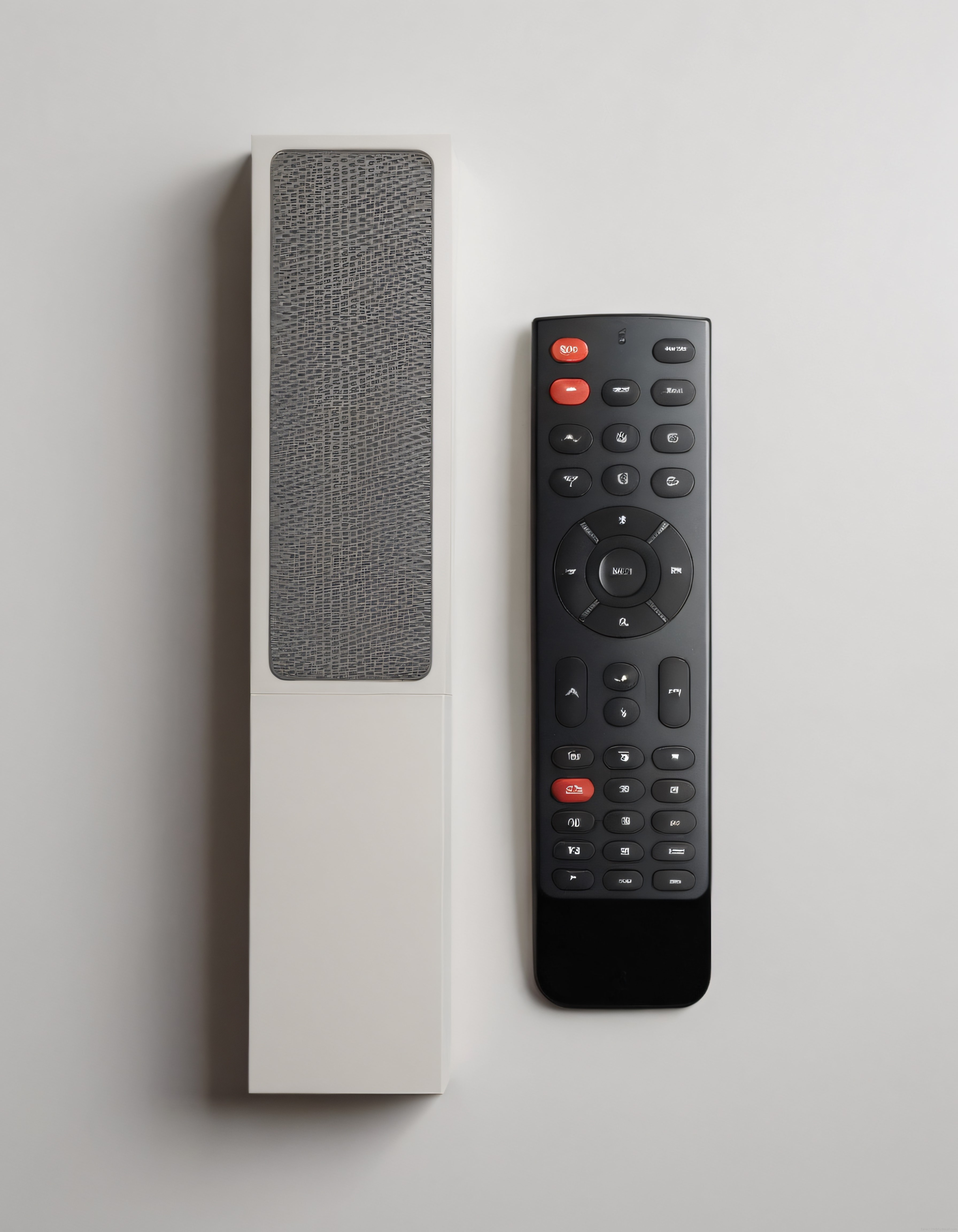
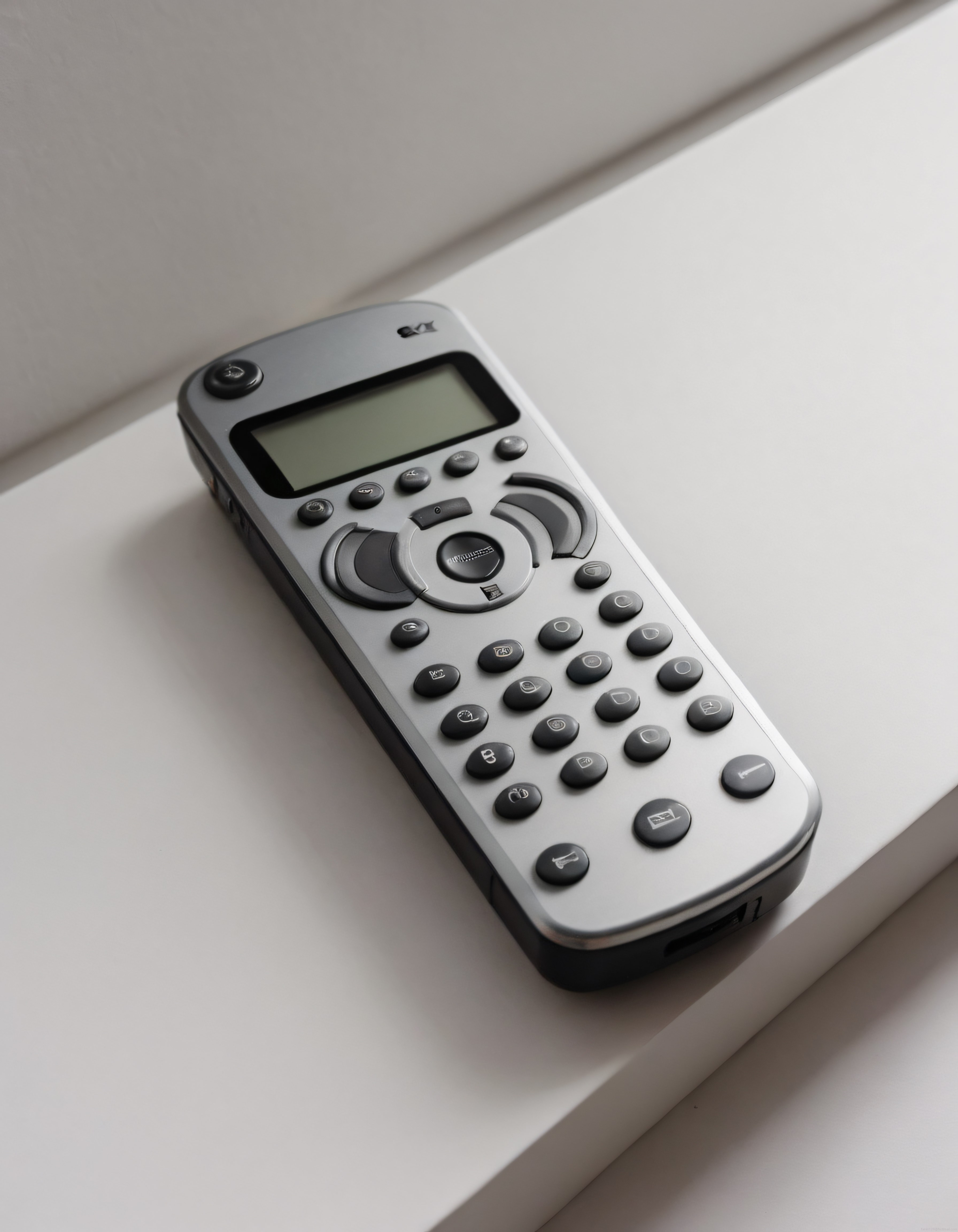
Genelremote control
Genelremote control
Görsel

Çekim Tablosu
Belirtme (-i)kumandayı
Yönelme (-e)kumandaya
Bulunma (-de)kumandada
Çıkma (-den)kumandadan
Tamlayan (-in)kumandanın
Çoğul (-ler)kumandalar
Tanım
•isim: komuta
•Elektronik aygıtları belli bir uzaklıktan yönetmeye yarayan kablosuz alet
Diğer Dillerde
Almancaanordnen, Befehl, befehlen, bestellen, Bestellung, Ehrenwort /ˈanˌʔɔʁdnən/
to arrange, to put into a certain order (a set of items) · to order, to mandate (actions, measures)
çekim: geçmiş ordnete an · ortaç angeordnet · şimdiki ordnet an · ulaç anordnend
eş: arrangieren, gruppieren, ordnen, platzieren, befehlen, bestimmen
köken: an- + ordnen
aile: Anordner, Anordnung
Der Kommandant. — Lord Kumandanı.
Objekte der Größe nach anordnen
eine Untersuchung anordnen
Fransızcacommande, commander, degré, enjoindre, formuler, mot (dişil) /kɔ.mɑ̃d/
order (request for some product or service)
çekim: çoğul commandes
eş: commande informatique
aile: aux commandes, bon de commande, carnet de commandes, passer commande, prendre les commandes, sur commande, télécommande
On prend le relai. — Kumanda bizde.
order (in restaurant)
çekim: çoğul comandas
Alertas, ya son nuestros. — Kumanda bizde.
İtalyancacomandare, comando, commessa, direttiva, disporre, disposizione /ko.manˈda.re/
to rule · to command, give orders, be in charge · to order, give orders, command
çekim: geçmiş comandàto · ortaç comandàto · şimdiki comànda · ulaç comandànte
eş: ordinare, imporre, intimare, ingiungere, stabilire, disporre
köken: From Latin commandāre, variant of commendāre.
aile: comandabile, comandamento, comandante, comandata, comandato, comando
Ora Lord Comandante. — Lord Kumandanı.
Rusçaкоманда, приказ, приказание, управление (nötr) /ʊprɐˈvlʲenʲɪje/
administration, direction · management · board
çekim: çoğul управле́ния · tamlayan управле́ния
eş: руководство, регулирование, администрирование, правление
köken: управля́ть (upravljátʹ) + -е́ние (-énije)
aile: управле́ние огнём
Бъдете нащрек, сега ние ги контролираме. — Kumanda bizde.
واعتظم القائد. — Lord Kumandanı olur.
To order (to request some product or service)
çekim: geçmiş سفارش ده · ortaç سفارش دهنده · şimdiki سفارش میده · ulaç سفارش دهنده
köken: From سفارش (sefâreš, “order”) + دادن (dâdan, “give”).
Azericebuyruq, buyurmaq, düzgü, əl gəzdirmək, əmr, nişan /bujˈrux/
command, order
çekim: çoğul buyruqlar · tamlayan buyruğun
köken: From buyur- + -uq.
emir
çekim: çoğul әмірлер · tamlayan әмірдің
köken: From Arabic أَمِير (ʔamīr), possibly via Persian امیر.
aile: әмірлік
Felemenkçebestelling, bevel, bevelen, erewoord, formuleren, onder woorden brengen (dişil) /bəˈstɛ.lɪŋ/
order (request for some product or service; a commission to purchase, sell, or supply goods)
çekim: çoğul bestellingen
köken: From bestellen (“to order”) + -ing (“-ing, -ance, -tion”).
Wij hebben ze nu. — Kumanda bizde.
een bestelling plaatsen
Portekizceencomenda, encomendar, frasear, notícias, ordem, palavra (dişil) /ẽ.koˈmẽ.dɐ/
an order (commercial request for some product or service) · a product that has been ordered · a parcel
çekim: çoğul encomendas
köken: From Old Galician-Portuguese encomenda, from comenda, from comendar (modern Portuguese encomendar).
Atenção, agora é connosco. — Kumanda bizde.
Yunancaδιαταγή, διατάζω, διατάσσω, διατυπώνω, καθορίζω, κανονίζω (dişil)
command, order
çekim: çoğul διαταγές · tamlayan διαταγής
zıt: αντιδιαταγή
köken: By surface analysis, δια- (dia-) + ταγή (tagí).
Επιλογή απομακρυσμένου συνόλου χαρακτήρων — Kumanda Harflerini Seç
a number of vertices in a graph; order · a number of elements in a group; order · The smallest positive natural number n such that gⁿ is the identity element of G; order
の団長。 — Lord Kumandanı.
word; part of speech
köken: Of native Korean origin. From 낱 (nat, “unit, piece”) + 말 (mal, “talk, language”).
원격 문자세트 선택 — Kumanda Harflerini Seç
Lehçekazać, ład, liczba atomowa, organizować, porządek, porządkować /ˈka.zat͡ɕ/
to order, to tell, to command (to verbally recommend or demand that something be done) · to make; to tell (to cause someone to do something) · to dictate (to serve as a model)
çekim: geçmiş kazano · şimdiki każe
köken: Etymology tree Proto-Indo-European *kʷeḱ-der. Proto-Slavic *kāzàti Old Polish kazać Polish kazać Inherited from Old Polish kazać.
Uwaga, wszyscy. — Kumanda bizde.
Rodzice kazali mi posprzątać pokój.
To każe przypuszczać.
jak zwyczaj każe
Hintçeआज्ञा, आज्ञा देना, आदेश, आदेश देना, ऑर्डर, ऑर्डर करना (dişil) /ɑːɡ.jɑː/
order, command · an order or commandment of a spiritual master or guru to a disciple
çekim: çoğul आज्ञाएँ
köken: Borrowed from Sanskrit आज्ञा (ājñā, “order, command, authority”).
उसकी आज्ञा नहीं टल सकती।
अपके पिता की आज्ञा का पालन करो।
stage, step, state, phase (distinct part of a process) · degree, extent, proportion · degree (individual step, or stage, in any process or scale of values)
çekim: çoğul asteet · tamlayan asteen
köken: astua (“to step”) + -e. Coined by Finnish physician and translator Wolmar Schildt in 1846, based on dialectal “step (in stairs)”, cases of which was also used as adverbs with more figurative meanings like those currently used.
aile: asteikko, -asteinen, asteittain, ala-aste, alkuaste, alokasaste, arvoaste, aste-ero, astejako, astejaotus
Pommin kaukolaukaisin on vioittunut. — Uzaktan kumanda hasar görmüş.
Çekçeobjednat, objednávat, objednávka, pořádek, pořadí, povel /ˈobjɛdnat/
to order (to request some product or service)
çekim: geçmiş objednavše · ortaç objednala · şimdiki objedná
eş: objednat si
köken: From ob- + jednat.
aile: objednávka
Na dálkové ovládání. — Uzaktan kumandaya bak.
objednat předem
command, order · order (request of a customer) · command (the authority to order)
çekim: çoğul comenzi · tamlayan comenzi
köken: Borrowed from French commande.
aile: dublă comandă, post de comandă
Capul sus. — Kumanda bizde.
a prelua comanda
După înaintare, a primit comanda unui regiment.
Macarcaelrendel, elrendez, elrendezés, érdemrend, fajta, fok /ˈɛrːɛndɛl/
to order (to issue a command)
çekim: geçmiş elrendeltek
köken: el- + rendel
aile: elrendelés
Az baj. — - Ana kumandaya bak.
thing · speech · word (unit of language)
çekim: çoğul דְּבָרִים
aile: אֵין דָּבָר הָעוֹמֵד בִּפְנֵי הָרָצוֹן, אִישׁ דְּבָרִים, בְּסוֹפוֹ שֶׁל דָּבָר, וּבְכִיסוֹ, וּבְכַעְסוֹ, דָּבָר אַחֵר, דְּבַר תּוֹרָה, דִּבְרֵי יָמִים, דְּבָרִים בְּטֵלִים, מִטֶּבַע הַדְּבָרִים
הוא לא נשלט מרחוק. — Uzaktan kumandalı değil.
The empire, state, imperial government, realm, dominion. · The right or power to command or be in control; dominion. · Absolute command or authority over the empire (or other polity); sovereignty; sway.
çekim: çoğul imperia · tamlayan imperiī
köken: From imperō (“command, order”) + -ium, from im- (form of in) + parō (“prepare, arrange; intend”).
aile: imperiābiliter, imperiālis, imperiōsus, merum imperium, mixtum imperium
imperium sine fīne dedī
“quō postquam ventum est, ‘cōnsistitē!’ praescia māter
hanc fās imperiī frēna tenēre domum
to order · to undertake, accomplish
çekim: geçmiş bestilte · ortaç bestilt · ulaç bestillende
köken: be- + stille (“put”), from Middle Low German bestellen.
aile: bestilling, afbestille, forudbestille
Vælg eksternt tegnsæt — Kumanda Harflerini Seç
Norveççekrangel, lovnad, rekkefølge
Lovemate: Ember (Glør) Urda – Kahvis nestkommanderende. — Aybars (Dündar Aydınlı) — Uç kalesi kumandanı.
command
köken: Borrowed from Javanese ꦲꦧꦲꦧ (aba-aba, “verbal command”).
Mereka milik kita sekarang. — Kumanda bizde.
Генералъ Майоръ. — Lord Kumandanı.
Slovakçabožie slovo, čestné slovo, objednať, objednávať, poriadok (eril) /pɔrɪ̯adɔk/
order · procedure
köken: Derived from Proto-Slavic *porędъkъ. Cognate with Serbo-Croatian pòredak, Russian порядок (porjadok), Czech pořádek.
Nastaviť vzdialenú znakovú sadu — Kumanda Harflerini Seç
Litvancaeilė, įsakymas, ordinas, tvarka, užsakyti, žodis (dişil) /ɛɪ²ˈlʲeː/
line, string, row · order, sequence · type, rank
çekim: çoğul ei̇̃lės · tamlayan eilė̃s
köken: A nominal derivative of ei̇̃ti (“to go”); for a semantic parallel (albeit from a different Proto-Indo-European root), compare Ancient Greek στοῖχος (stoîkhos, “row, line, turn”), from στείχω (steíkhō, “to walk, march”). Direct cognate with Latvian eila (“row”), iela (“street”).
aile: eilùtė
1996–1997 – 2-osios gvardijos tankų armijos (Pavolgio karinė apygarda) vadas. — 12. Panzer Ordusu (hayalî)'nin kumandanı.
Etimoloji
From Ottoman Turkish قومانده (komanda), from French commande.
Eş & Zıt Anlamlılar
Örnek Cümleler
Elle kumanda et.
Use the manual override.
Kumanda arıyordum.
I was looking for the remote.
O, uzaktan kumanda mı?
Is that the remote control?
Kumanda Harflerini Seç
Select Remote Charset
Uzaktan kumandalı araç
Remote Controlled Vehicle
Uzaktan kumanda nerede?
Where's the remote?
Kumandanın pili bitmiş.
The battery of the remote is dead.
Kumandanlarımı çağırın.
Call my captains to me.
Uzaktan kumandan var mı?
Do you have the remote?
Uzaktan kumandalı değil.
It is not remote controlled.
Uzaktan kumanda bendeydi.
-The only doom that's looming -Assuming I'm not
O halde kumandana bakalım.
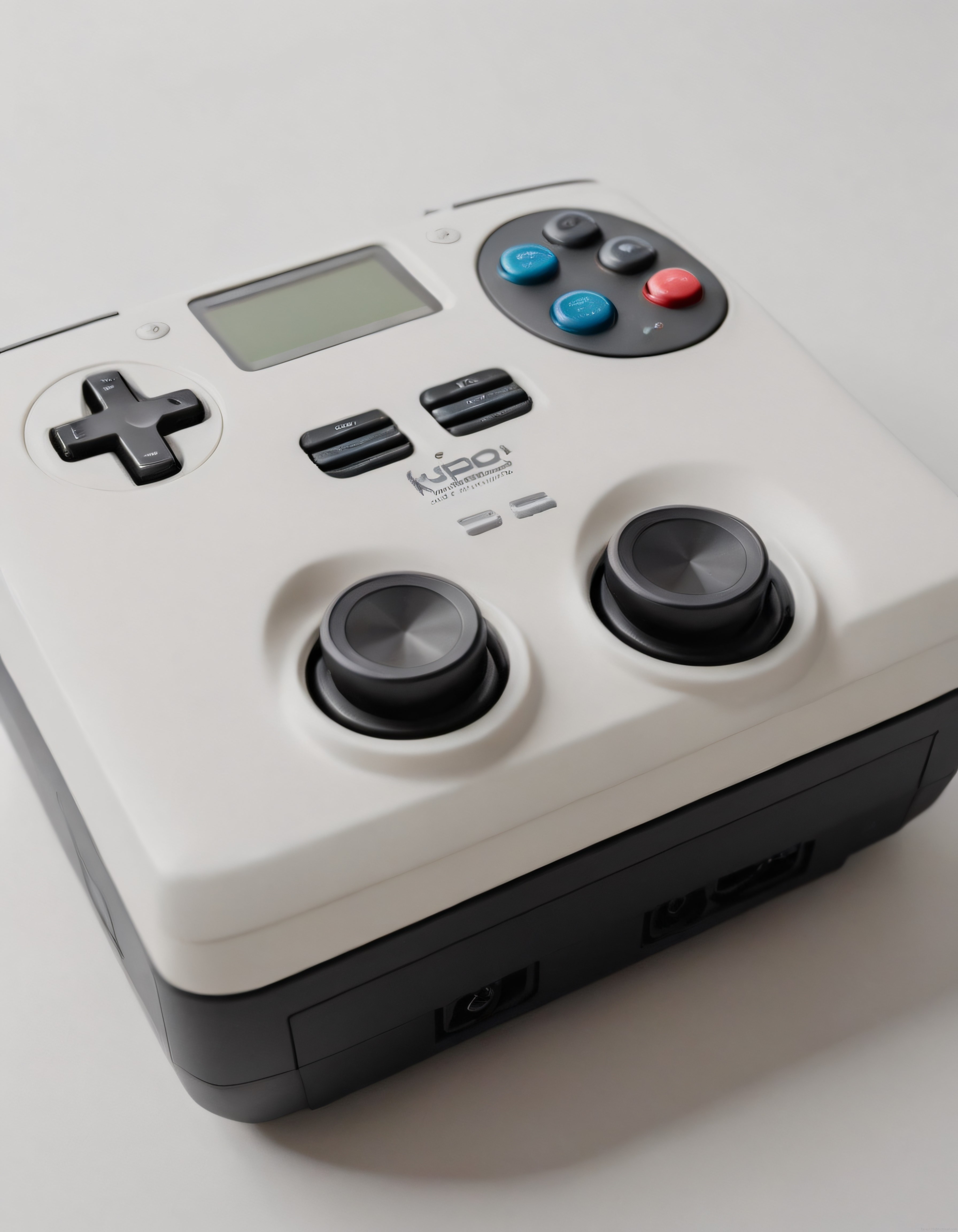
So let's look at the controller.
İlgili Sorular
Uzaktan kumanda pillerinin zayıflaması durumunda daha fazla basmamızın sebebi ne?
LCD monitörüm TV işlevi görüyor, uzaktan kumanda seçeneği önerileri nelerdir?
LCD bilgisayar monitörümü TV olarak kullandığımda uzaktan kumanda alternatifleri var mı?
Bir LCD monitörü televizyon gibi kullanırken uzaktan kumanda nasıl temin edebilirim?
Bilgisayar monitörüm TV olarak çalışıyor; uzaktan kumanda için hangi çözümler mevcut?
İlgili / Bileşik Terimler
Genelcontrol
Birleşik Kelimeler
kumanda kolukumanda odasıuzaktan kumanda