Sözlük
/hokka
hokka
noun
TR → EN
"hokka" kelimesinin İngilizcesi: pot, cup, standish, well, inkwell. Anlamı, çevirisi, telaffuzu ve örnek cümleler aşağıdadır.
Çeviri
Genelpotnoun
Genelcupnoun
Genelstandish
Genelwell
Genelinkwell
Genelinkwell
Görsel
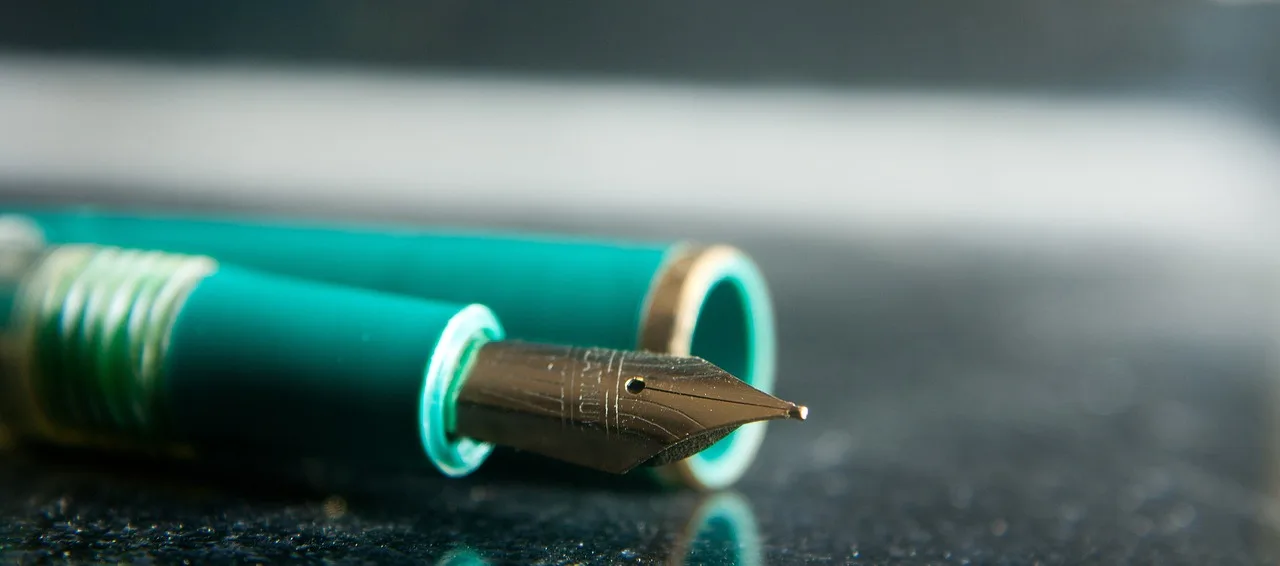
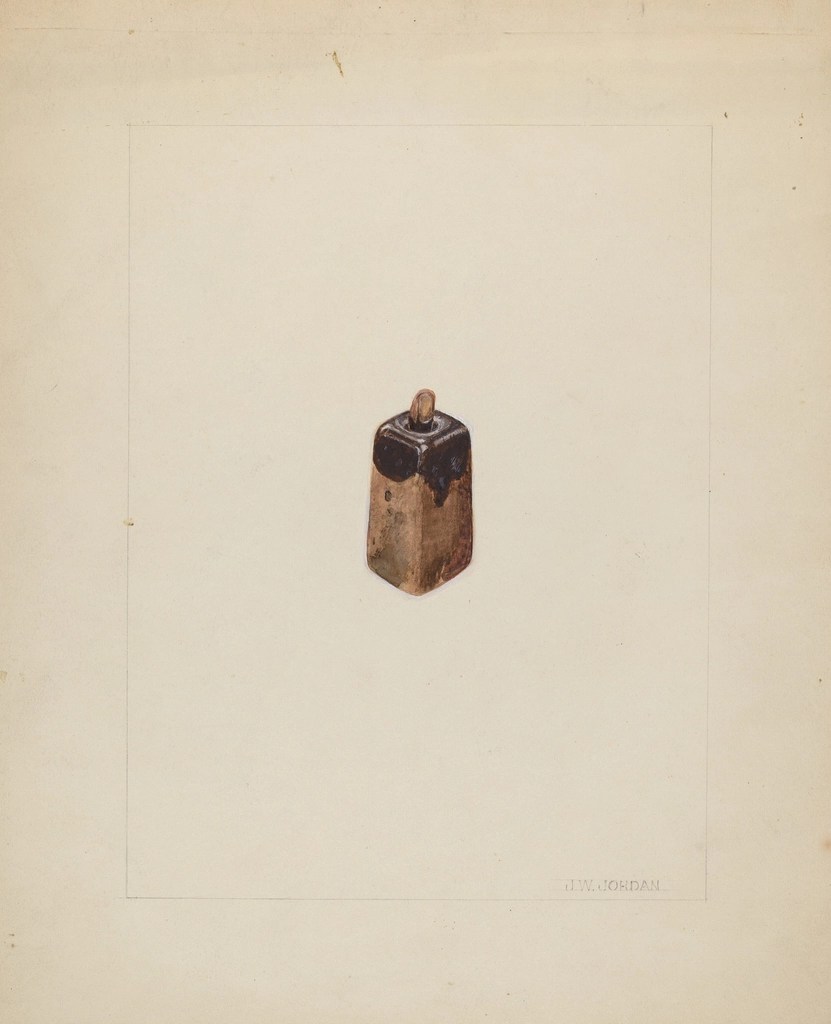
Çekim Tablosu
Belirtme (-i)hokkayı
Yönelme (-e)hokkaya
Bulunma (-de)hokkada
Çıkma (-den)hokkadan
Tamlayan (-in)hokkanın
Çoğul (-ler)hokkalar
Tanım
•isim: Metal, cam veya topraktan yapılmış küçük kap
•İçine mürekkep konulan küçük kap; mürekkeplik (II)
•Hokkabazların, içine bir şey koyup el çabukluğu ile kaybettikleri yuvarlak kap
Diğer Dillerde
AlmancaBecher, Bohrloch, Brunnen, Brunnenschacht, Delle, die Hand aufhalten (eril) /ˈbɛçɐ/
a cylindrical or slightly conical drinking vessel without a stem, typically with no handle, beaker
çekim: çoğul Bechern · tamlayan Bechers
eş: Häferl, Crater
köken: From Middle High German bëcher, from Old High German bëhhâri, from Proto-West Germanic *bikārī. Displaced native Stauf in Early New High German. Cognate with English beaker.
aile: Alubecher, Aluminiumbecher, Anrührbecher, Aschbecher, Aschenbecher, Auslaufbecher, Bereitstellungsbecher, Blütenbecher, Doppelbecher, Drehaschenbecher
Jonglieren 3D — Hokkabaz 3D
An exclamation to fill space, often used as an intensifier; well, err, um
eş: bast, ben
köken: Not well-attested in texts, but of imitative origin nevertheless, similar to bayer (“to gape”). Sense 2 is a denasalized version of "ben".
Jonglage 3D — Hokkabaz 3D
Bah, bah, bah !
Tu veux jouer aussi ?
Do you want to play too?
well (for water), cistern, tank, reservoir
çekim: çoğul aljibes
eş: pozo, cisterna, mazmorra
köken: From Andalusian Arabic اَلْجُبّ (al-júbb), from Classical Arabic جُبّ (jubb, “cistern, well”). Cognate with Galician alxibe and Catalan aljub. Compare Sicilian gebbia.
Malabares 3D — Hokkabaz 3D
İtalyancabeh, bene, conchiglia, coppa, mbè, pozzetto /ˈbɛ/
well (used at the start of a sentence)
eş: insomma
köken: Apocopic form of bene.
Giocoliere 3D — Hokkabaz 3D
Rusçaбаночка, чернильница (dişil) /ˈbanət͡ɕkə/
diminutive of ба́нка (bánka): a small jar, a small can/tin
çekim: çoğul ба́ночки · tamlayan ба́ночки
köken: ба́нка (bánka) + -ка (-ka)
Жонглирование — Hokkabaz 3D
Arapçaبِئْر, بِخَيْر, بير, جليب, جَيِّدًا, حسنًا
إقذف — Hokkabaz 3D
glass, pane
çekim: çoğul جامها
köken: From Middle Persian [script needed] (ǰām, “glass”). Related to Avestan 𐬫𐬀𐬨𐬀 (yama, “glass”).
aile: جام جم, جام جهانی, جام زهر
çekim: çoğul fincanlar · tamlayan fincanın
köken: Etymology tree Ancient Greek πίναξ (pínax)bor. Aramaic פִּינְכָא (pīnəkā) Classical Syriac ܦܝܢܟܐ (pīnəḵā)bor.? Classical Persian پِنْگَان (pingān)bor. Arabic فِنْجَان (finjān)bor. Azerbaijani fincan Borrowed from Arabic فِنْجَان (finjān), borrowed from Classical Persian پِنْگَان (pingān), possibly borrowed from Classical Syriac ܦܝܢܟܐ (pīnəḵā), from Aramaic פִּינְכָא (pīnəkā), borrowed from…
aile: fincanlı, fincanaoxşar, fincanabənzər
bir fincan qəhvə
shoe · wheel
çekim: çoğul аяқтар · tamlayan аяқтың
köken: From Proto-Turkic *adak (“foot, end”).
Аяғыңды ки.
Мәшинәңа қарашейші, аяғы жіберіп қойыпты ғой.
beaker, cup, chalice (drinking vessel, often but not always without a handle, generally not made of glass) · cup (trophy)
çekim: çoğul bekers
köken: From Middle Dutch beker, from Latin bicarium, probably a diminutive of Ancient Greek βῖκος (bîkos, “amphora”). Cognate with English beaker.
aile: bekerduel, bekeren, bekermos, bekerplant, bekertoernooi, bekerwedstrijd, drinkbeker, gifbeker, maatbeker, melkbeker
3D Jongleren — Hokkabaz 3D
to well, well up, gush, spurt · to ooze
çekim: geçmiş ανέβλυσα
Ταχυδακτυλουργία — Hokkabaz 3D
excuse me (to draw attention) · well, uh, er, umm (expression of confusion or uncertainty) · ah, oh
Juggler3D — Hokkabaz 3D
あのう、ちょっとお聞きしたいんですが。駅はどこでしょう。
あのう、近藤さん
to be healthy
eş: 성하다, 튼튼하다, 강건하다
köken: 건강(健康) (geon'gang) + -하다 (-hada, “to do”, light verb deriving adjectives).
저글링 — Hokkabaz 3D
아이는 건강하죠?
good (having pleasing or suitable qualities) · healthy or recovered (from an illness or injury or the like), well · quite large in extent or degree, good, goodly
çekim: karşılaştırma bättre · üstünlük bäst
köken: Since at least 1621, from braf (“good, brave”); from Low German brav; from French brave, borrowed from Italian bravo.
Jonglör 3D — Hokkabaz 3D
en bra film
– Ska vi måla den blå? – Ja, det blir bra.
Han är bra på tennis
Lehçecoś takiego, cóż, dobrze, filiżanka, hm, kielich /ˈt͡sɔɕ taˈkjɛ.ɡɔ/
you don't say (used to express surprise and disbelief or indignation at what the speaker has just learned about)
köken: Literally, “something like that”.
Żonglerka 3D — Hokkabaz 3D
good, nice, fine · delicious, tasty
zıt: बुरा, ख़राब
köken: Etymology tree Proto-Indo-Iranian *aśćaHyás Sanskrit अच्छाय (acchāya)? Sanskrit अच्छ (accha) Prakrit अच्छ (accha) Hindi अच्छा Inherited from Prakrit अच्छ (accha) without cluster simplification, from Sanskrit अच्छ (accha). Displaced Hindi आछा (āchā), from the same source. Cognate with Punjabi ਅੱਛਾ (acchā).
इस साल क्या आप अच्छे थे?
अच्छा बच्चा
अच्छा दिन
Fincealasuoja, cup-puolustus, hyvässä kunnossa, hyvin, jopas, jopas jotakin /ˈɑlɑˌsuo̯jɑ/
synonym of alasuojus
çekim: çoğul alasuojat · tamlayan alasuojan
köken: ala- + suoja
Juggler3D — Hokkabaz 3D
well
eş: správně, v pořádku, výborně, skvěle, úžasně, perfektně
zıt: špatně, zle
köken: Inherited from Old Czech dobřě. By surface analysis, dobrý + -ě.
aile: všude dobře, doma nejlíp
Žonglování — Hokkabaz 3D
well
köken: Inherited from Latin bene.
aile: binevenit
JongleriiName — Hokkabaz 3DName
Macarcaakna, alaposan, bajnokság, bőven, bugyog, csésze /ˈɒknɒ/
shaft (in a mine; in a building) · mine (an explosive device)
çekim: çoğul aknák
köken: It is attested as Acnahege (*aknahegy) (1197/1337), Akana (1222), akonájá (1621). Ultimately from a Slavic language, from Proto-Slavic *okъno (“window”). The sense ‘explosive device’ came into being by ellipsis of tűzakna (“underground tunnel filled with explosives”, literally “fire shaft”).
aile: aknás → egyaknás, kétaknás, aknász, aknáz, aknafedlap, aknafedő, aknajárat, aknakereső, aknakutató, aknamező
Juggler3D — Hokkabaz 3D
So, therefore, then, thus. · Then, next. · Then, at that time.
köken: Cognate to Aramaic אֱדַיִן (ʾĕḏáyin, “then, at that time”), Arabic إِذ (ʔiḏ), إِذَا (ʔiḏā), إِذًا (ʔiḏan).
aile: מאז, מאז ש־, אָז מָה?
להטוטן — Hokkabaz 3D
פרשנים אמרו לפני המשחק שזה משחק גדול, אז ניצחנו משחק גדול.
אם קרקע לדירה בבת ים ליד בית העלמין מוצעת במחיר של 720 אלף שקל, אז כמה תעלה הדירה?
Latincecalix, cantharus, hēmīna, maximē, multum, omino /ˈka.lɪks/
cup, chalice · cooking pot · small pipe
çekim: çoğul calicēs · tamlayan calicis
köken: In view of Umbrian skalçeta (“sacrifical vessel”), perhaps from a Proto-Italic *(s)kalik-, from a Proto-Indo-European *(s)kel- (“a kind of vessel”), and compared with Ancient Greek σκάλλιον (skállion, “small cup”), σκαλίς (skalís, “shovel”). Pokorny considered a parallel formation in Sanskrit कलश (kaláśa-, “(water-)jar, tub, pot, dish”), for Proto-Indo-European *kel-eḱ-, but De Vaan finds this…
a well
çekim: çoğul brønde · tamlayan brønds
köken: From Old Norse brunnr.
Jonglér — Hokkabaz 3D
Norveççebrønn, velle
Seikantunnelen går under Tsugarustredet, og forbinder de japanske øyene Honshu og Hokkaido. — Tünel Japonya'nın Honshu ve Hokkaido adalarını birbirine bağlıyor.
cup (vessel for drinking)
çekim: çoğul cangkir-cangkir
köken: From Malay cangkir.
Mercutio Tidak, aku akan membayangkan terlalu .-- — Mercutio Hayır, ben de hokkabaz olacak .--
what about...?
köken: From а (a, “whereas”) + ми (mi), where ми (mi) is the dativus ethicus of аз (az), i.e. "me".
Juggle — Hokkabaz 3D
ами́ ако́...?
ами́ сега́?
Etimoloji
Inherited from Ottoman Turkish حقه (hokka, “pot”), from Arabic حُقَّة (ḥuqqa, “case, box, casket”).
Eş & Zıt Anlamlılar
Eş anlamlılar
Örnek Cümleler
Hokkabaz 3D
Juggler3D
Hokkabaz 3DName
Juggler3D
Hokkabazlık hızı
Juggling speed
Hokkaidojapan. kgm
Hokkaido
Hokkaido'yu severim.
I like Hokkaido.
O, Hokkaido'ya gitti.
He has gone to Hokkaido.
O, Hokkaido'yu sever.
He loves Hokkaido.
Hokkaido'ya gittin mi?
Have you been to Hokkaido?
Hokkaido'ya gidiyorum.
I'm going to Hokkaido.
O Hokkaido'da bulundu.
He has been to Hokkaido.
Hokkaido'yu seviyorum.
I love Hokkaido.
Hokkaidolusun, değil mi?
You are from Hokkaido, aren't you?
Birleşik Kelimeler
hokka oyunuhokka takımıtükürük hokkası