Sözlük
/cins
cins
"cins" kelimesinin İngilizcesi: blooded, breed, cast, description, diversity. Anlamı, çevirisi, telaffuzu ve örnek cümleler aşağıdadır.
Çeviri
Genelblooded
Genelbreed
Genelcast
Geneldescription
Geneldiversity
Genelfamily
Genelform
Genelgrade
Genelkind
Genelorder
Genelstamp
Genelstripe
Geneltype
Genelgender
Genelgenus
Genelsex
Genelsort
Genelgender
Genelgenus
Genelsex
Genelsort
Görsel

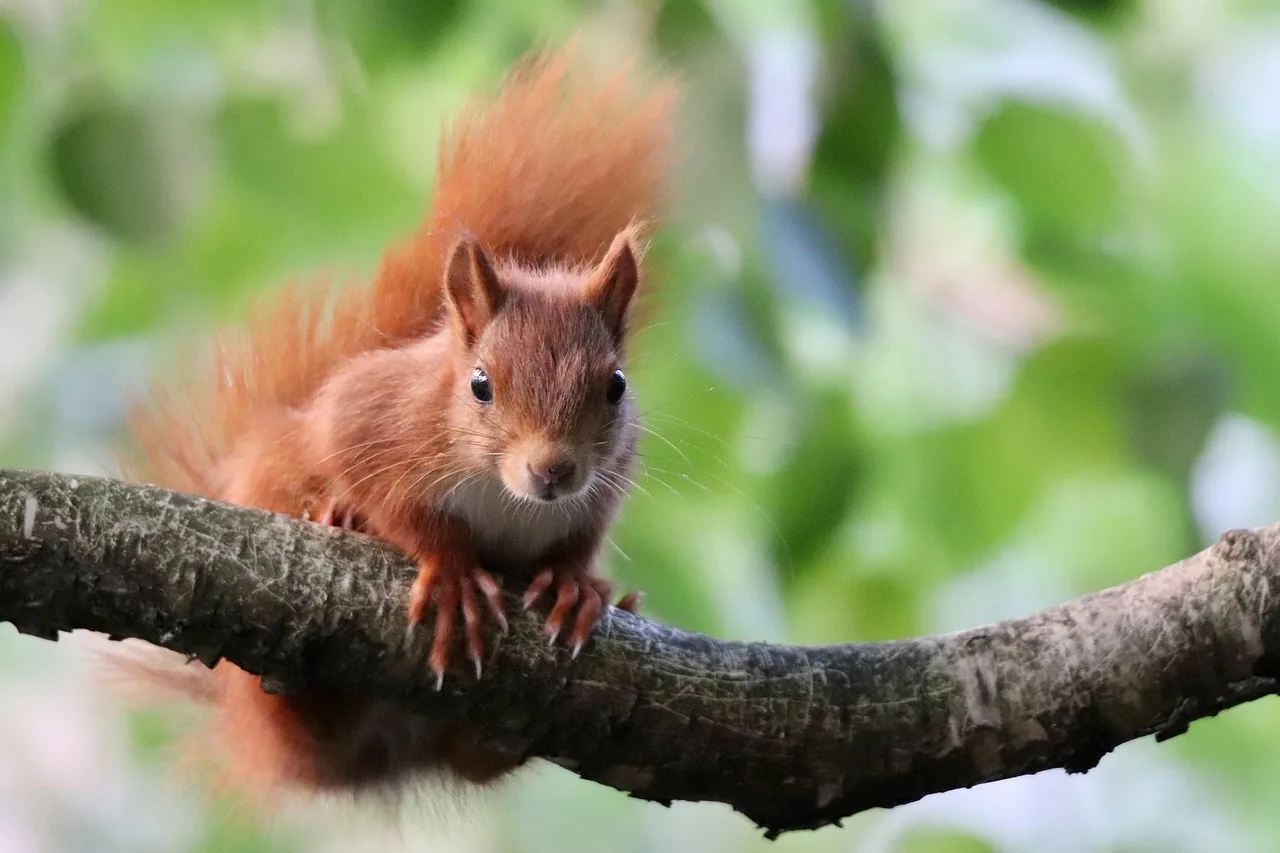
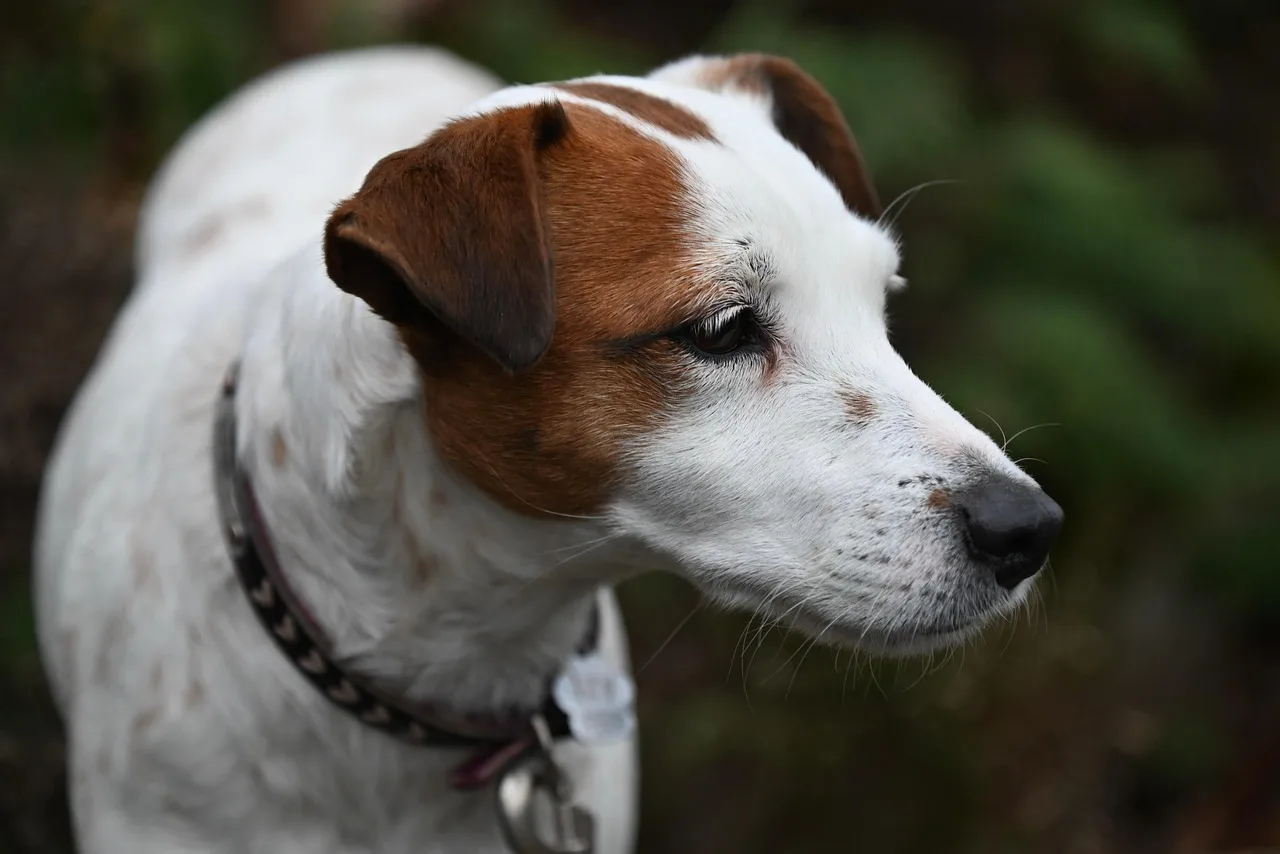
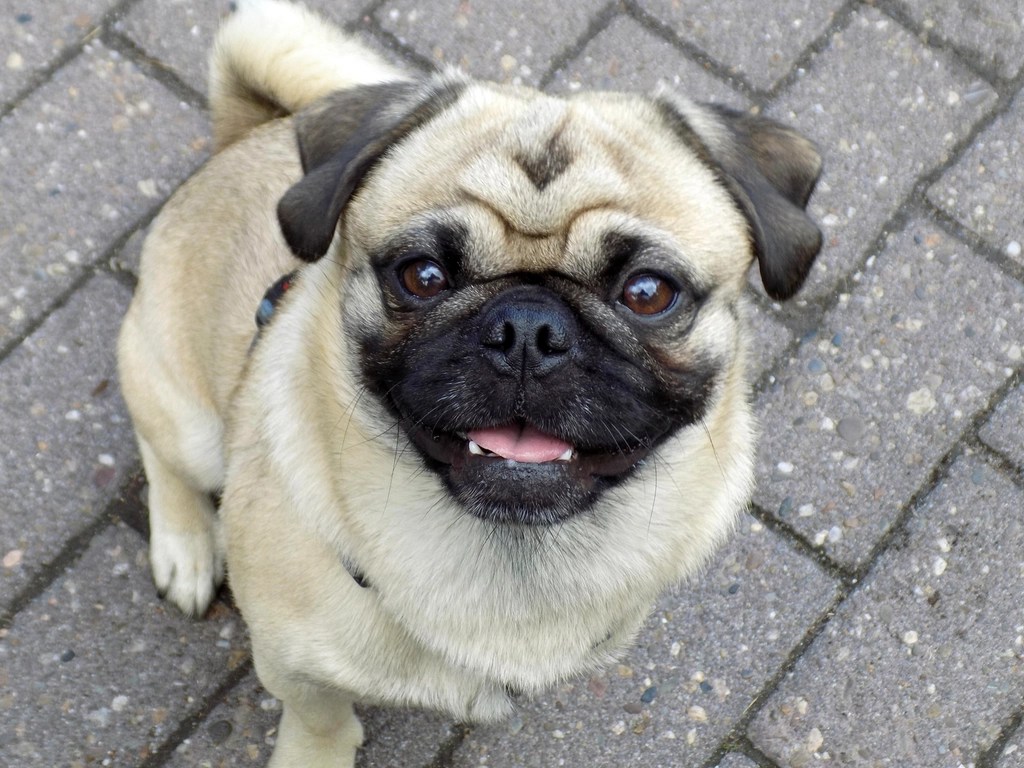
Çekim Tablosu
Belirtme (-i)cinsi
Yönelme (-e)cinse
Bulunma (-de)cinste
Çıkma (-den)cinsten
Tamlayan (-in)cinsin
Çoğul (-ler)cinsler
Tanım
•isim: tür
•soy
•sıfat: Diğerlerine göre üstün nitelikleri olan
•sıfat, argo: Garip, tuhaf olan
•biyoloji: Pek çok ortak özelliği bulunan türler topluluğu
Atasözü & Deyim
“Cins cinse çeker”
“Cins horoz yumurtada öter”
“Cins kedi ölüsünü göstermez”
Diğer Dillerde
AlmancaArt, aufmerksam, Familie, Familien-, Family, freundlich (dişil) /aːrt/
kind, sort, type · species · nature, character
çekim: çoğul Arten · tamlayan Arten
eş: Gattung, Sorte, Art und Weise, Weise, Natur, Spezies
köken: From Middle High German art, from Old High German *art, from Proto-West Germanic *ard, from Proto-Germanic *ardiz.
aile: ausarten, entarten, Art und Weise, artenreich, Artensterben, Artenvielfalt, Arterhaltung, Artgenosse, artgerecht, artig
Geschlecht quer gedacht. — Cinsiyeti düşünmek.
Und so begann eine Art von Beziehung.
Das ist nicht seine Art.
FransızcaGenre (eril) /ʒɑ̃ʁ/
kind · style, look, type · genre
çekim: çoğul genres
eş: espèce, nature, race, acabit, calibre, classe
köken: From Old French gen(d)re, borrowed from Latin genere. Noun sense 6 is a semantic loan from English gender.
Force centripète. — Cins Centropus.
le genre humain
le genre dramatique
Il essaie de se donner un genre.
İspanyolcaamable, bondadoso, calaña, cariñoso, estofa, familia /aˈmable/
kind, amiable, gracious · charming
çekim: üstünlük amabilísimo
eş: amado, agradable, benévolo, cordial, cortés
köken: Borrowed from Latin amābilis.
aile: amabilísimo, amablemente
Cuerpos sexuados. — Eşcinsel Lig .
Él es muy amable conmigo.
İtalyancacarino, famiglia, favorevole, genere, gentile, mansueto /kaˈri.no/
nice · cute · pretty
çekim: üstünlük carinissimo
eş: attraente, bellino, delizioso, gradevole, grazioso, leggiadro
köken: From caro + -ino.
Perché tanti fili? — "Neden iki cins?
К чему полулюди? — "Neden iki cins?
شرين عادل. — İki cinstir.
Farsçaتیپ, تیرِه, خانْدان, خَانْدَان, خانِوادِه, خَانَوَادَه /t̪ʰiːp/
style, appearance, outfit
köken: Borrowed from French type.
aile: تیپ کردن
family
çekim: çoğul ailələr · tamlayan ailənin
köken: Borrowed from Arabic عَائِلَة (ʕāʔila).
aile: ailəvi
ailə qurmaq
descendant · dynasty
çekim: çoğul әулеттер · tamlayan әулеттің
köken: From Arabic أَوْلاد (ʔawlād).
family
çekim: çoğul oilalar · tamlayan oilaning
köken: Borrowed from Arabic عَائِلَة (ʕāʔila).
Tatarcaгаилә
family
çekim: çoğul гаиләләр · tamlayan гаиләнең
köken: Borrowed from Arabic عَائِلَة (ʕāʔila, “family”). Cognate with Bashkir ғаилә (ğailə).
Felemenkçegeslacht, sekse, ras, soort, type, slag, verscheidenheid (nötr) /rɑs/
race, breed
çekim: çoğul rassen
köken: Borrowing from French race.
aile: hondenras, paardenras, rasecht, rasgeit, rashond, raskat, raskonijn, rasoptimist, raspaard, raspessimist
Het seksuele verlangen neemt toe.. — Cinsel gücü arttırır.
Portekizceamável, categoria, classe, de família, família, raça /aˈma.vew/
amiable, lovable, lovely · friendly, kind · courteous, engaging
çekim: karşılaştırma mais amável · üstünlük o mais amável
köken: Learned borrowing from Latin amābilis (“lovable, worthy of love”). By surface analysis, amar + -ável.
aile: amavelmente
Para quê chorar? 20. — "Neden iki cins?
Yunancaαγαθός, οικογένεια /a.ɣaˈθos/
decent, kind, good-hearted · simple, naive or naïve · benign
çekim: karşılaştırma αγαθότερος · üstünlük αγαθότερος
eş: χρηστός
köken: From Ancient Greek ἀγαθός (agathós).
gentle (calm and pleasant) · kind; tender; sweet; considerate; friendly · graceful; gentle (elegant and beautiful)
aile: 優しさ
優しい性格
環境に優しい
しかし、相手を思いやる優しいうそ、こういったこともあるでしょう。
family; household; clan
eş: 人家, 室, 家, 家子, 家室, 家庭
aile: 大家族, 家族企業, 家族企业, 家族史
a household, a family
eş: 가설
köken: Sino-Korean word from 家庭, from 家 (“house”) + 庭 (“household”)
species
çekim: çoğul arter · tamlayan arts
köken: From Old Swedish art, from Middle Low German art, from Old Saxon *ard, from Proto-Germanic *ardiz (“character, nature, inborn quality”).
Lehçeautorament, familijny, miły, rasa, ród, rodzaj (eril) /aw.tɔˈra.mɛnt/
kind, type · a kind of enlistment, organization, and arming
çekim: çoğul autoramenty · tamlayan autoramentu
köken: From archaic auktorament, a learned borrowing from Latin auctōrāmentum.
aile: autoramentowy
Dziesięciu sprawiedliwych. — İki cinstir.
Ukraynacaдо́брий, люб'я́зний, рід, роди́на, серде́чний, сім'я́ /rʲid/
gender · family, kin · tribe
çekim: çoğul роди́ · tamlayan ро́ду
köken: From Middle Ukrainian родъ (rod), from Old East Slavic родъ (rodŭ), from Proto-Slavic *rodъ, from Proto-Balto-Slavic *radás.
І покажем, що ми, браття, козацького роду.
family
çekim: çoğul कुटुंबों
köken: Borrowed from Sanskrit कुटुम्ब (kuṭumba). Doublet of कुड़मा (kuṛmā) and कुनबा (kunbā).
Combined with a place name, forms the noun for the inhabitant of a place; or an adjective meaning "of or relating to (the place)". · Combined with a name, forms an adjective for a member of an organization or other defined group, a follower of philosophy etc. · Combined with a common noun, forms nouns for people characterized by this noun.
köken: From Proto-Finnic *-lainën; equivalent to -la (toponym suffix) + -inen. Cognate with Estonian -lane, Veps -laine. Attested since at least the Bible translation of 1548, which uses it in Mark 7.26 (Grekilainen) and Luke 4.27 (Syrialainen), among other places.
Viro (“Estonia”) + -lainen → virolainen (“Estonian”)
Savo (“Savonia”) + -lainen → savolainen (“Savonian”)
German Hegel + -lainen → hegeliläinen (“Hegelian”)
family (rank in the classification of organisms, below order and above genus)
çekim: çoğul čeledi · tamlayan čeledi
köken: Inherited from Old Czech čeled, from Proto-Slavic *čeľadь.
aile: čeládka, čeledín, čeledník, podčeleď
kind, genial, friendly, amiable; willing
zıt: neamabil, neprietenos
köken: Borrowed from French aimable, from Latin amabilis.
este foarte amabil/amabilă
family
çekim: çoğul családok
köken: Borrowed from a Slavic language, compare Czech čeleď; from Proto-Slavic *čeľadь. Doublet of cseléd (“servant”).
aile: családbeli, családi, családos, családostul, családtalan, családú, családalapítás, családanya, családapa, családbarát
İbraniceמִין, מִשְׁפָּחָה, משפחתי
family, familial: of or pertaining to a family, or to families
köken: From מִשְׁפָּחָה (mishpakhá, “a family”) + ־י (-í).
kind, good, friendly, pleasant · beneficent, obliging, bounteous · favorable, mild
zıt: severus
köken: By surface analysis, bene (“well”) + -gnus (“-born”). Compare malignus.
aile: benignē, benignitās, benigniter, benignor
family, descent · class (group of persons with similar ethnic or social characteristics)
çekim: çoğul ætter · tamlayan æts
köken: From Old Norse ætt, átt (“family, race, direction”), from Proto-Germanic *aihtiz (“possession, property”), cognate with Old English ǣht, Old High German ēht, and Gothic 𐌰𐌹𐌷𐍄𐍃 (aihts). Derived from the verb Proto-Germanic *aiganą (“to possess”).
Etimoloji
Arapça جِنْس (ar) (cins)
Eş & Zıt Anlamlılar
Örnek Cümleler
Onlar eşcinsel.
They are homosexual.
O bir cinsiyetçi.
He's a sexist.
Tom cinsiyetçidir.
Tom is sexist.
Bu çok cinsiyetçi.
This is so sexist.
Tom bir cinsiyetçi.
Tom is a sexist.
Sen eşcinsel misin?
Are you gay?
Ben bir eşcinselim.
I'm gay.
Joshua eşcinseldir.
Joshua is gay.
Bu köpeğin cinsi ne?
What kind of dog is this?
Bu, bir cins karpuz.
This is a kind of watermelon.
Bu cinsel bir şey mi?
Is this a sexual thing?
Bu ne cins bir köpek?
What kind of dog is this?
İlgili Sorular
İsa’nın çarmıha gerildiği odun ne cinsiyetti? Meşe, kayın, sedir, kavak gibi bir ağaç mıydı?
İçe kapanıksam, karşı cinsle konuşurken ne yapmalıyım?
İkiz doğumda bir çocuk kız olduğunda, diğer çocuğun da kız (aynı cinsiyette) olma şansı ne kadardır?
Bir futbol sahasının ölçülerini sadece feet cinsinden verir misiniz?
Bipolar bozukluğun kalıtım şekli baskın, çekinik ya da cinsiyetle bağlantılı mıdır, yoksa kromozomal bir anormallik mi?
İlgili / Bileşik Terimler
Genelcommon noun
Birleşik Kelimeler