Sözlük
/kök
kök
/ˈcøc/
noun
C1 seviye
TR → EN
"kök" kelimesinin İngilizcesi: root, root, rootstock, soul, stump. Anlamı, çevirisi, telaffuzu ve örnek cümleler aşağıdadır.
Çeviri
Bilimrootnoun
Genelroot
Genelrootstock
Genelsoul
Genelstump
Genelrace
Genelradical
Genelblue
Genelroot
Genelroot
Genelblue
Genelroot
Genelblue
Genelroot
Genelblue
Genelblue
Genelroot
Görsel



Çekim Tablosu
Belirtme (-i)kökü
Yönelme (-e)köke
Bulunma (-de)kökte
Çıkma (-den)kökten
Tamlayan (-in)kökün
Çoğul (-ler)kökler
Tanım
•Bazı şeylerde dip bölüm.
•Bir kimseyi bir yere bağlayan manevi temel güçlerin bütünü.
•Bir şeyin başlangıç noktası.
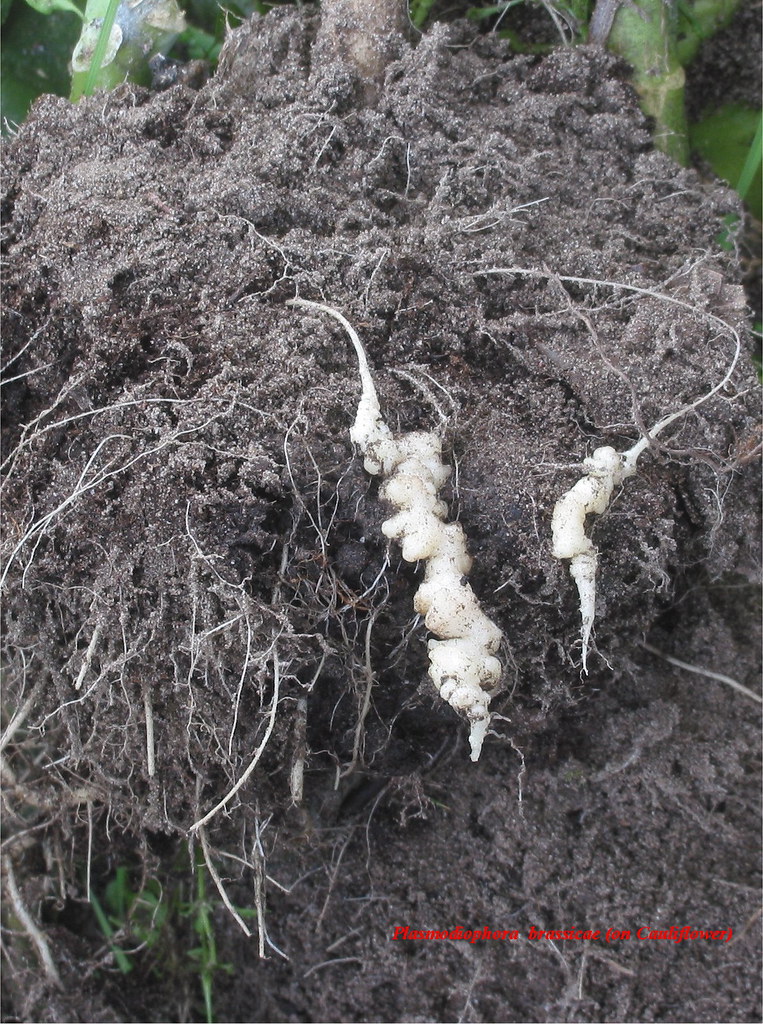
•Bitkileri toprağa bağlayan, topraktaki besi maddelerini emmesine yarayan klorofilsiz bölüm.
•Denklemde bilinmeyenin yerine konulduğunda uygun düşen gerçek veya birleşik değer, (√).
•Dip, temel, esas.
•Gök
•Kelimenin ekleri çıkarıldıktan sonra kalan anlamlı bölümü.
Atasözü & Deyim
“Akara kokara bakma çuvala girene bak”
“Ağaç kökünden yıkılır”
“Balık baştan kokar”
“Bir baş soğan bir kazanı kokutur”
“Her ağaç kökünden kurur (çürür)”
Diğer Dillerde
Almancanullstelle (dişil) /ˈnʊlˌʃtɛlə/
zero, root (value of the independent variables of a function, for which the function is equal to zero)
çekim: çoğul Nullstellen · tamlayan Nullstellen
köken: From Null + Stelle.
Dritte WurzelSine — Küp kök
FransızcaRacine (dişil) /ʁa.sin/
root (of a plant) · root, origin · root
çekim: çoğul racines
köken: Etymology tree Proto-Indo-European *wréh₂ds Proto-Italic *wrādīks Late Latin rādīx Proto-Indo-European *-nós Proto-Indo-European *-iHnos Proto-Italic *-īnos Late Latin -īnusnom. Late Latin -īna Late Latin rādīcīna Old French *raicine French racine Inherited from Old French *raicine, from Late Latin rādīcīna (“root”), from rādīx (“root”) + -īna (derivational suffix).
aile: certificat racine, coupe-racine, déracinement, déraciner, enracination, enracinement, enraciner, légume-racine, nœud racine, port racine
Racine cubiqueSine — Küp kök
prendre racine
couper le mal à la racine
manger/bouffer/brouter/nourrir les pissenlits par la racine
soul · web (strip of material between flanges)
çekim: çoğul almas
eş: psique, corazón
köken: From Old Spanish alma, inherited from Latin anima. Doublet of ánima, borrowed from the same source.
aile: alma de cántaro, alma en pena, alma gemela, alma mía, alma perdida, almilla, almita, caérsele el alma a los pies, con el alma, con el alma en vilo
Raíz cúbicaSine — Küp kök
İtalyancaa luci rosse, anima, azzurro, blu, depresso, malinconico (dişil) /ˈa.ni.ma/
soul · the innermost part of something: · sound post
çekim: çoğul anime
eş: alito vitale, animo, coscienza, cuore, intelligenza, interiore
köken: From Latin anima, from animus, from Proto-Italic *anamos, from Proto-Indo-European *h₂enh₁mos, a nominal derivative of *h₂enh₁- (“breathe”). Doublet of alma.
aile: anima gemella, animella, animetta, animina, animismo, animuccia
Radice cubicaSine — Küp kök
Rusça(мужское имя), ботан.,матем. корень (в разн. знач.), основа; происхождение
ботан.,матем. корень (в разн. знач.)
Кубический корень — Küp kök
flickering, glinting · blue, blue-coloured
köken: Color or defect adjective from the root ز ر ق (z r q). Compare Ancient Greek γλαυκός (glaukós) for the semantic development.
جذر مكعب — Küp kök
وَنَحْشُرُ الْمُجْرِمِينَ يَوْمَئِذٍ زُرْقًا
blue · aquatic · aqueous
köken: From آب (“water”) + ـی (-i, suffix forming adjectives).
soul, spirit · being, creature, life · body (in expressions concerning body sensations)
çekim: çoğul canlar · tamlayan canın
köken: Old Anatolian Turkish جان (cān), from Persian جان (jân).
aile: cangüdən, canlandırmaq, canlanmaq, canlı, cansıxıcı, Allah verdiyi canı ala bilmir, ayaq üstə canı çıxmaq, bacarana can qurban, bir can deyib min can eşitmək, bir qəpiyi
Canım ağrıyır.
Canıma üşütmə düşdü.
canını almaq
heart
çekim: çoğul ділдер · tamlayan ділдің
köken: Borrowed from Persian دِل.
Сен тілмен айтсаң, мен ділмен айтам
soul · life
çekim: çoğul jonlar · tamlayan jonning
köken: Borrowed from Classical Persian جان (jān).
aile: jonbaxsh, jonboz, jonbozlik, jondosh, jonlanmoq, jonli, jonlilik, jonliq, jonsiz, jonsizlanmoq
soul · sweetheart, beloved
çekim: çoğul җаннар · tamlayan җанның
köken: Borrowed from Persian جان (jân, “soul, vital spirit”). Cognate with Bashkir йән (yən).
Син тал, имеш, ә мин, җаным, / Гүя кара бөрлегән.
Felemenkçeblauw, blauwtje, depressief, geest, terneergeslagen, ziel /blɑu̯/
blue · visibly bruised · pertaining to aquatic nature
çekim: karşılaştırma blauwer · üstünlük blauwst
köken: From Middle Dutch blau, blauwe, from Old Dutch *blāo, from Proto-West Germanic *blāu, from Proto-Germanic *blēwaz. Doublet of bleu.
DerdemachtswortelSine — Küp kök
De lucht is vandaag zo blauw en helder.
Ze droeg een blauw jurkje op het feest.
blauw oog
Portekizceânimo, azulado, borocoxô, cerúleo, pornô, pornográfico (eril) /ˈɐ̃.ni.mu/
spirit; disposition; essence; nature; temperament · motivation; will (willingness to do something) · alternative form of animus
çekim: çoğul ânimos
eş: disposição
zıt: desânimo
köken: Borrowed from Latin animus (“the soul, thoughts, intellect, ideas, will, thoughts, courage, etc.; the breath, life”), from Proto-Italic *anamos, from Proto-Indo-European *h₂enh₁mos, from *h₂enh₁- (“to breathe”). Doublet of animus, related to alma (“soul”) and anima (“anima”).
Raiz cúbicaSine — Küp kök
Não podemos perder nosso ânimo competitivo.
Ele está sem ânimo para nada.
sole; the bottom portion of a shoe
köken: From English sole.
3乗根Sine — Küp kök
Çince下流的, 心靈 /心灵, 藍 /蓝, 藍色 /蓝色, 靈魂 /灵魂
東駒。 — (Ay) kökü.
Korece뿌리 /p͈uɾi/
root (of plants) · origin, source · synonym of 어근(語根) (eogeun, “linguistic root, root morpheme”)
eş: 뿌럭지蝈蝈, 뿌러지蝈蝈Yeongdong뿌링이蝈蝈, 뿌리蝈蝈Gangneung뿌레기蝈蝈, 뿌리蝈蝈Chungju뿌링이蝈蝈, 뿌리蝈蝈Danyang뿌링이蝈蝈, 뿌리蝈蝈Goesan뿌링이蝈蝈Boeun뿌링이蝈蝈
köken: First attested in the Yongbi eocheon'ga (龍飛御天歌 / 용비어천가), 1447, as Middle Korean 불휘〮 (Yale: pwùlhwúy), from pre-Middle Korean *pwùlùkwúy. Most dialectal forms that superficially appear to have preserved */-k-/ have actually just appended various suffixes with /-k-/ to 뿌리 (ppuri). However, the sporadic Gyeongsang forms that begin with 뿔ㄱ- (ppulg-), such as 뿔개이 (ppulgaei), represent a genuine…
세제곱근 — Küp kök
나무가 뿌리를 내린다
İsveççeblå, blåvinge, deprimerad, själ /bloː/
blue · of or pertaining to conservatives or liberals in European politics
çekim: karşılaştırma blåare · üstünlük blåast
köken: From Old Norse blár (“blue”), from Proto-Germanic *blēwaz (“blue”).
aile: azurblå, babyblå, berlinerblå, blixtblå, blyblå, blåblodig, blåbär, blågrå, blågrön, blågul
KubrotSine — Küp kök
blå(a) blåbär [see the declension table]
Lehçebłękit, błękitnieć, błękitny, dusza, modraszek, niebieścić (eril) /ˈbwɛŋ.kit/
sky blue (color, pigment, or clothes) · blue sky, clear sky
çekim: çoğul błękity · tamlayan błękitu
eş: lazur, niebo
köken: Back-formation from błękitny. First attested in 1778.
aile: błękitnawy, błękitniutki, błękitny, błękitnawo, błękitnie, błękitno, błękit królewski, błękit pruski, błękitek, błękitność
Pierwiastek sześciennySine — Küp kök
Ukraynacaблаки́тний, голуби́й, лазу́рний, порнографі́чний, си́ній, сумни́й
Кубічний коріньSine — Küp kök
soul, spirit, self · mind, consciousness · supreme Spirit, paramatman
çekim: çoğul आत्माएँ
köken: Borrowed from Sanskrit आत्मन् (ātman). Doublet of आप (āp).
aile: परमात्मा, पवित्र आत्मा, महात्मा
उनकी आत्मा को शांति मिलें।
Fincealakuloinen, alavireinen, avomeri, demokraattinen, henki, melankolinen /ˈɑlɑˌkuloi̯nen/
blue, melancholic · in low spirits, dejected, down, downcast
çekim: karşılaştırma alakuloisempi · üstünlük alakuloisin
köken: ala- + kulo + -inen. The middle component is of unknown origin. It is possibly from kulo (“dry, dead grass”) in reference to such grass being flattened down, thus "beat down".
aile: alakulo, alakuloisesti, alakuloisuus
KuutiojuuriSine — Küp kök
soul (spirit) · inner tube · sound post
çekim: çoğul duší · tamlayan duší
eş: duševno, psychika, dušička, psyché, psýché, pneuma
köken: Inherited from Old Czech dušě, from Proto-Slavic *duša.
aile: douška, duševní, dušička, Dušičky, Mirek Dušín, vypustit duši, zádušní
Třetí odmocninaSine — Küp kök
výměna duše
blue · blue, sad
köken: From a Vulgar Latin root *albaster, albastrum, derived from Latin albus (“white”). Probably originally referred to the whiteness in a lightly clouded sky. See also the formations in Italian biancastro (“whitish”), nerastro (“blackish”), French blanchâtre (“whitish”), noirâtre (“blackish”) (with the suffixes -astro and -âtre deriving from Latin -astrum, accusative singular of -aster). Compare also…
aile: albăstri, albăstrime, albăstrui
Rădăcina cubică — Küp kök
Macarcadisznó, erotikus, kék, kékít, kékre fest, kékül /ˈdisnoː/
swine, pig (mammal) · wild boar · inkblot (a blot of ink)
çekim: çoğul disznók
köken: Borrowing from an Oghur language before the times of the Hungarian conquest of the Carpathian Basin (at the turn of the 9th and 10th centuries). Compare Chuvash сысна (sysna, “pig”), Eastern Mari сӧсна (sösna, “pig”). Dialectal gyisznó retains an older form of the word.
aile: disznólkodik, disznóság, disznódelfin, disznóhal, disznóhús, disznóól, disznópásztor, disznózsír, sündisznó, vaddisznó
KöbgyökSine — Küp kök
İbraniceכָּחוֹל, כְּחוּלָה, כַּחְלִיל, נֶפֶשׁ, נפש חיה, נְשָׁמָה
שורש שלישי — Küp kök
Latinceanimus, azurinus (lapis, ML.), blavus (la-lat), caeruleus, caerulus, caesius /ˈa.nɪ.mʊs/
life, life force, soul, vitality (that life-giving aspect which animates a thing) · heart, mind, spirit (the affective dimension of the human mind in general; the seat of the emotions and feelings a person experiences) · affect, emotion, feeling, impulse, passion (the essence of that which is situated within the affective mind)
çekim: çoğul animī · tamlayan animī
köken: From Proto-Italic *anamos, from Proto-Indo-European *h₂enh₁mos, a nominal derivative of Proto-Indo-European *h₂enh₁- + *-mos, in which the root means "to breathe". Cognate with Ancient Greek ἄνεμος (ánemos, “wind, breeze”), Old Armenian հողմ (hołm, “wind”), Old Frisian omma (“breath”), English onde (“breath”, dialectal), Norwegian Nynorsk ande (“breath”), and possibly Sanskrit अनिल (ánila, “air,…
aile: aequanimis, aequanimus, animadvertō, animaequus, animitus, animōsitas, animōsus, animulus, exanimis, exanimus
Tibi bene ex animō volō.
bono animo esse
animum adicio
Etimoloji
İngilizce
Deyimler
kökünden kazımak
köküne kıran girmek
kök almak
kök sökmek
kökü kazınmak
kökü kurumak
Eş & Zıt Anlamlılar
Zıt anlamlılar
Örnek Cümleler
Küp kök
Cube root
Kare Kök
Square Root
Yeni Kök
New Root
Kök ekle
Insert root
Et koktu.
The meat has gone bad.
10 kök 2.
10 square roots of 2.
Kök Dizin
Root Directory
Msdfs kök
Msdfs root
Kübik kök
Cubic root
Bu koku...
The aromas...
Kök Dizini
Root Folder
Yi Kökleri
Yi Radicals
İlgili Sorular
İlgili / Bileşik Terimler
Genelcoke
Genelrootkit
Genelroot beer
Genelstem cell