benek
noun
TR → EN
"benek" kelimesinin İngilizcesi: dot, speck, spot, fleck, freckle. Anlamı, çevirisi, telaffuzu ve örnek cümleler aşağıdadır.
Çeviri
Geneldotnoun
Genelspecknoun
Genelspotnoun
Genelfleck
Genelfreckle
Genelmackle
Genelmottle
Genelsplotch
Görsel
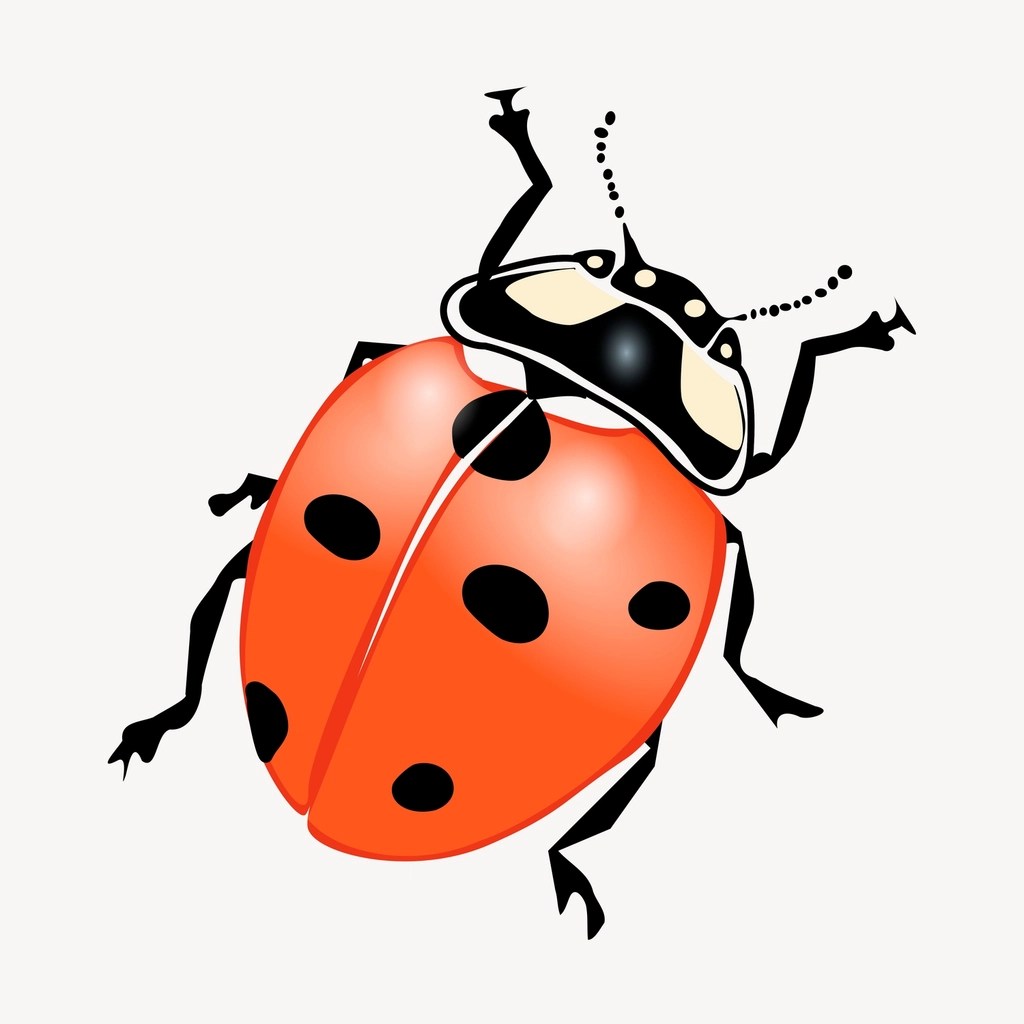
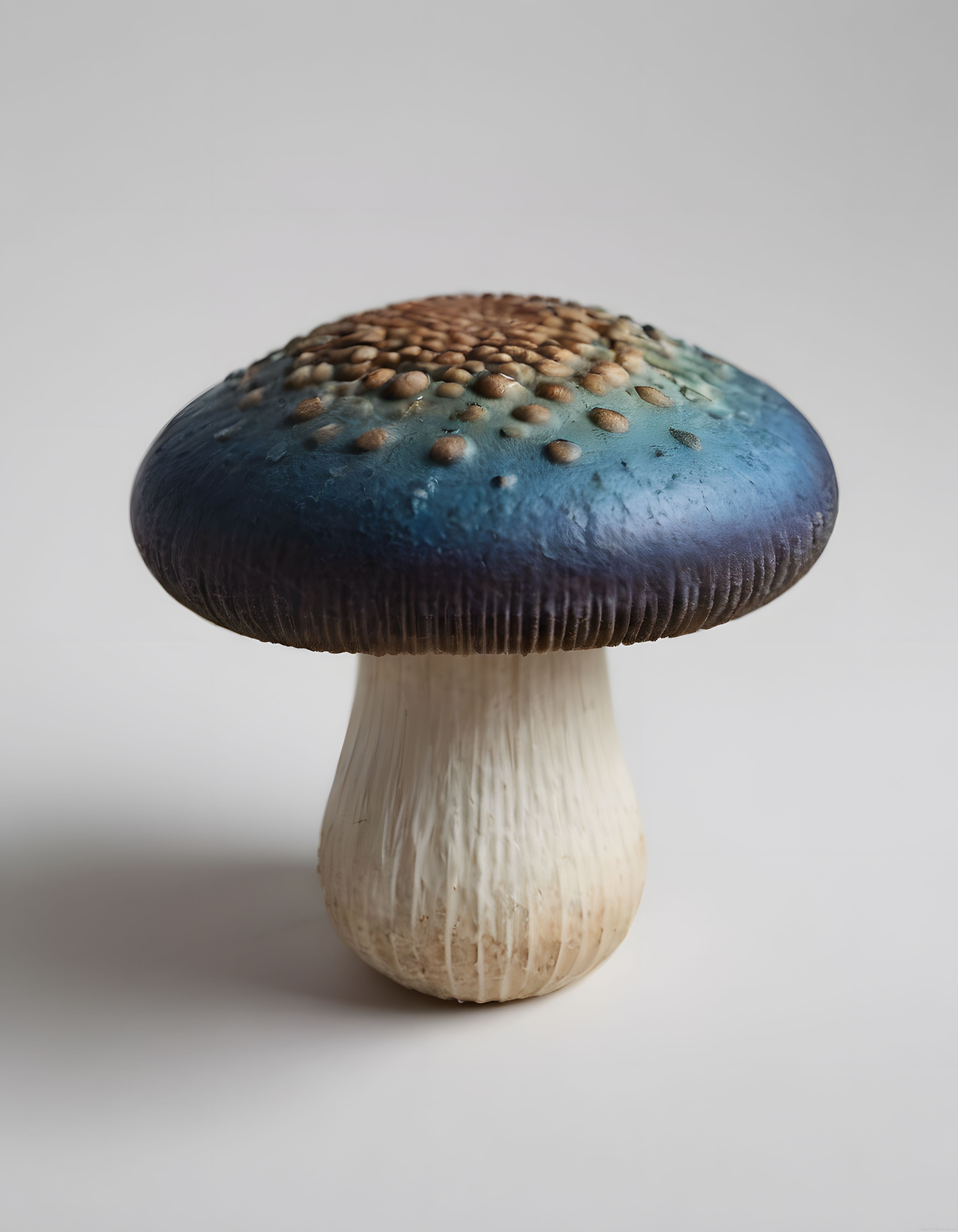

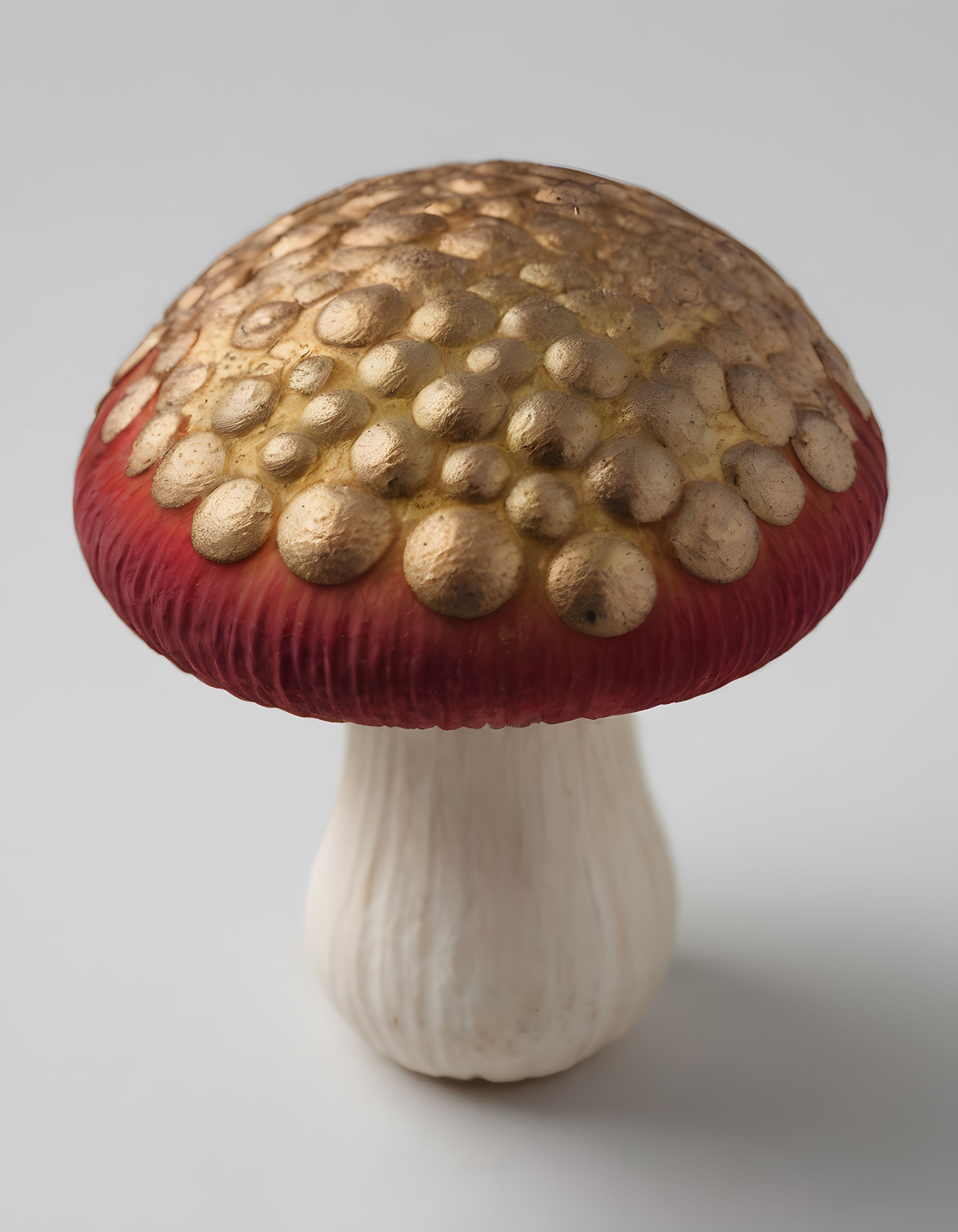
Çekim Tablosu
Belirtme (-i)beneği
Yönelme (-e)beneğe
Bulunma (-de)benekte
Çıkma (-den)benekten
Tamlayan (-in)beneğin
Çoğul (-ler)benekler
Tanım
•isim: Herhangi bir şey üzerindeki ben gibi ufak şekil
•gök bilimi: Güneş lekeleri çevresinde görülen, parlak taneciklerden ve parlak damarlardan oluşmuş bölüm; fakül
Diğer Dillerde
Almancabeflecken, Bisschen, entdecken, Fleck, Ort, Pickel /bəˈflɛkn̩/
to stain, to discolor (e.g. a piece of clothing) · to stain, to tarnish (e.g. reputation)
çekim: geçmiş befleckte · ortaç befleckt · şimdiki befleckt · ulaç befleckend
eş: beschmutzen, besudeln, entehren
köken: From Middle High German bevlecken, from Old High German gifleckōn. By surface analysis, be- + Fleck + -en.
Flecken zeichnen — Benekler çiz
Fransızcabouton, détacher, détecter, endroit, peu, repérer (eril) /bu.tɔ̃/
button · pimple, spot, zit
çekim: çoğul boutons
köken: Inherited from Middle French bouton, boton, from Old French bouton, boton (“button, bud”), from Vulgar Latin *bautōnem, accusative of bautō, from Frankish *bautō (“that which pushes up, bump, knob”), from Proto-West Germanic *bautan (“to beat, push”). By surface analysis, bouter (“to push”) + -on. Cognate with Old High German bōzo (“bundle, flaxbundle”), Old Saxon bōto (“bunch or bundle of…
aile: bouton d'or, bouton de fièvre, bouton de manchette
Affiche les points lumineux — Benekler çiz
İspanyolcaactual, aguaitar, al contado, alufrar, avistar, ayudar /aɡˈtwal/
present, current · factual · actual, real
çekim: çoğul actuales
köken: Borrowed from Latin actuālis. Cognate with English actual although a false friend.
aile: actualizar, actualmente
Dibujar puntos — Benekler çiz
San Pablo nació en Tarso de Cilicia en la actual Turquía.
İtalyancaarea, brufolo, foruncolo, individuare, macchia, notare (dişil) /ˈa.re.a/
area, surface · land, ground · field, sector
çekim: çoğul aree
eş: parte, località, regione, sezione, spazio, superficie
köken: Learned borrowing from Latin ārea. Doublet of aia (“threshing floor”).
Disegna i punti — Benekler çiz
Rusçaпятно, крапинка
Отдельные точки — Benekler çiz
Arapçaبُقْعَة
رسم بقع — Benekler çiz
Felemenkçebeetje, bemerken, bevlekken, Doortje, hap, lenen /ˈbeːtjə/
a bit, a little bit, somewhat
çekim: çoğul beetjes
köken: From beet + -je. Cognate with German bisschen and English bit.
Spikkels tonen — Benekler çiz
Portekizcedetetar, emprestar, identificar, lâmpada, local, manchar /dɨ.tɛˈtaɾ/
European Portuguese standard spelling of detectar
çekim: geçmiş detetei · ortaç detetado · şimdiki deteta
köken: Borrowed from English detect, from Latin detectus.
Desenhar os pontos — Benekler çiz
Yunancaβούλα (dişil) /ˈvu.la/
a diminutive of the female given name Βασιλική (Vasilikí) · a diminutive of the female given name Παρασκευή (Paraskeví) · a diminutive of the female given name Σταυρούλα (Stavroúla)
çekim: çoğul βούλες · tamlayan βούλας
Σχεδιασμός στοιχείων — Benekler çiz
Αγόρασα ένα κόκκινο φόρεμα με μωβ βούλες.
slightly, a little, a bit, somewhat (of a span of time, or an amount or degree) · used to preface and soften a negative expression · an indirect expression of refusal: well, umm
köken: From ちっと (chitto), itself a geminated emphatic form of ちと (chito), originally composed of ち (chi, “small”, not used in isolation; cognate with the chi in 小さい chīsai) + と (to, adverbial particle). First attested in 1477.
aile: ちょいと, ちょい
斑点を描く — Benekler çiz
ちょっと待ってね。
ちょっといい?
ちょっと無理ですが……
Korece발견하다 /pa̠ɭɡjʌ̹nɦa̠da̠/
to discover
çekim: geçmiş 발견했다
eş: 발견되다, 찾아내다, 발명하다
köken: 발견(發見) (balgyeon) + -하다 (-hada, “to do”, light verb deriving active verbs).
모양 찍기 — Benekler çiz
a stain · a spot · to not move an inch (remain fixed in place)
çekim: çoğul fläckar · tamlayan fläcks
köken: From Old Norse flekkr, from Proto-Germanic *flekka- (“spot, mark”).
Rita fläckar — Benekler çiz
en fläck på tröjan
en fläck på huden
spot, speckle, dot, mottle
çekim: çoğul cętki · tamlayan cętki
köken: Inherited from Proto-Slavic *cęta + -ka, from Gothic 𐌺𐌹𐌽𐍄𐌿𐍃 (kintus), from Latin centum.
aile: cętkować, pocętkować, cętkowany, cętkowaty, cętkowanie
Rysuj plamy — Benekler çiz
place, spot · room, space
çekim: çoğul місця́ · tamlayan мі́сця
köken: Inherited from Old Ruthenian мѣ́сцо (mě́sco), from Old East Slavic мѣстьце (městĭce), мѣстце (městce), probably influenced by Polish miejsce, from Proto-Slavic *městьce, from *město (“place, town”) + *-ьce. Equivalent to мі́сто (místo) + -це (-ce).
Малюнок плямками — Benekler çiz
на мі́сці зло́чину
Fincehuomata, kohdevalo, näppy, näppylä, pikkupaikka, pilkku /ˈhuo̯mɑtɑˣ/
to notice, take notice, take note, note, see, discern, tell, spot · to realise/realize, become aware of, detect · to find, discover, realise/realize
çekim: geçmiş huomannut · şimdiki huomaa · ulaç huomaava
köken: huoma + -ta
aile: huomaamaton, huomattava, huomaamatta, huomaaminen, huomio, huomauttaa
Piirrä pisteet — Benekler çiz
En huomannut, että hän oli jo lähtenyt.
Mähönen huomasi tarjota isälle.
stain, fleck, spot
çekim: çoğul skvrny · tamlayan skvrny
eş: flek
köken: Inherited from Old Czech skvrna, from Proto-Slavic *skvьrna.
aile: ropná skvrna, skvrna na slunci, skvrnečka, skvrnička, sluneční skvrna
Kreslit tečky — Benekler çiz
Rumencepată (dişil)
spot · smudge, stain
çekim: çoğul pete
köken: Probably regressively derived from the verb păta. Compare the meaning in Spanish pinta (“small spot, dot, or stain”).
aile: pătat
Desenează furnicile — Benekler çiz
Macarcabemocskol, bepiszkít, beszennyez, csepp, egy kis …, észrevesz /ˈt͡ʃɛpː/
tiny
çekim: karşılaştırma cseppebb · üstünlük legcseppebb
aile: cseppecske, cseppfolyós, esőcsepp, fülcsepp, harmatcsepp, könnycsepp, szemcsepp, vércsepp, vízcsepp, egy csepp a tengerben
Foltok rajzolása — Benekler çiz
egy csepp a tengerben
egy cseppet sem
Latinceconspicio, conspicor, locus, macula, specto /kõːˈspɪ.ki.oː/
to see, watch, observe, perceive, catch sight of, look at with admiration or close attention, gaze upon, contemplate, behold, espy · to examine, consider · to attract attention, to be conspicuous, to be visible
çekim: ortaç cōnspectus · şimdiki cōnspicit · ulaç cōnspiciēns
köken: Etymology tree Proto-Indo-European *ḱe? Proto-Indo-European *ḱóm Proto-Italic *kom Proto-Italic *kom- Latin con- Proto-Indo-European *speḱ- Proto-Indo-European *-yeti Proto-Indo-European *spéḱyeti Proto-Italic *spekjō Latin speciō Latin cōnspiciō From con- + speciō.
aile: cōnspectiō, cōnspector, cōnspectus, cōnspicuus
tum, pietāte gravem ac meritīs sī forte virum quem
Dancaplet
stain, spot · a patch, a small area of land · penalty mark
çekim: çoğul pletter · tamlayan plets
köken: From or related to Old Norse *blettr (“blot, stain”). Compare Icelandic blettur (“stain, patch of land”) and Swedish plätt (“patch of land, small pancake”).
aile: blind plet, blodplet, fedtplet, fugtplet, hvid plet, lysplet, olieplet, pletfri, pletrensning, rustplet
Tegn pletter — Benekler çiz
Norveççeflekk, identifisere, kvise, låne, oppdage, prikk
piksl_er fra venstre — so_ldan benekler
Bulgarcaвиждам, забелязвам, място, на място, опетнявам, отстранявам петно /ˈviʒdɐm/
to see (to have the power of sight) · to see (to perceive with the eyes) · to understand, to realize, to see
çekim: geçmiş none · ortaç ви́ждан · şimdiki ви́жда · ulaç ви́ждащ
köken: Probably from the same ultimate source as the perfective ви́дя (vídja); see there for more.
Изчертаване на петната — Benekler çiz
Виждал съм и добри, и лоши дни.
виждам да се свърши тази работа
Estoncalaik
Harilik eefa (Echis carinatus) on maoliik. — Benekli engerek, Echis carinatus, şeklindedir.
Katalancaadonar-se, detectar, taca /ə.ðoˈnar.sə/
to take notice [with de ‘of’], to realise
çekim: geçmiş m'adoní · ortaç adonat · şimdiki s'adona
köken: From a- + donar.
find, locate; lay hands on · make attempt at, attack · tempt
çekim: geçmiş aimsithe · ortaç aimsithe · şimdiki aimsíonn sé
köken: From Middle Irish aimsigid (“aim at; attempt”), from Old Irish ammus (“an attempt”), verbal noun of ad·midethar (“attempt”).
aile: aimsitheoir, athaimsigh, láraimsitheach, treo-aimsí
İzlandacakoma auga á
to paralyze, pass out, appall, mortify (not being able to see, speak or move) · to be shocked (because of bad, devastating news; tragic cases like death of a family member or friend)
çekim: geçmiş kisha pakur · şimdiki të pakë
eş: mpak
zıt: kthjell
köken: Variant of mpak (“to paralyze, to be shocked”) (m + pak). Connected to pikë (“drop”). Which is used in metaphorical curses (directed at enemies or people that speak out what should've stay unspoken); cf. "të rëntë pika" (optative: 'may the sun spot fall upon to you') - wishing a person paralysis or even worse, immediate death caused by cerebral hemorrhage. Similar to English "drop dead".
aile: pakt
E pakën vuajtjet.
Etimoloji
From Ottoman Turkish بكك (beñek); related to ben (“mole”).
Deyimler
yaprak beneği
Eş & Zıt Anlamlılar
Örnek Cümleler
Benekler çiz
Draw spots
Önayrımlı Benekler
Black %1, White %2
Kafamdaki benek mi?
My bald patch?
Çift boyutlu benekler
Double-sized pixels
Beneke, Berlin'de doğdu.
Beneke was born in Berlin.
Çok- Yetenekli BenekAbout
Multi-Talented Spot
Onun eteği benekli sarıdır.
Her skirt is yellow with polka dots.
Cildindeki bu benekler nedir?
What are those spots on your skin?
Benekler biraz yükseltilidir.
The spire is a little raised.
& Hücreler arası benek sayısı
Pixels between cells:
Ayrıca kürkleri de beneklidir.
They also shed their skin.
Bu halde benekler zikzaklı olur.
The miscreants are apprehended.
İlgili Sorular
Çalışma arkadaşım boynunda ve köprücük kemiği altına doğru kırmızı benekler görüyor. Açık tenli olması bu beneklerin kovan gibi görünmesine neden oluyor. Endişeli, utanmış veya sıcak hissettiğinde ortaya çıkıyor ve sık sık tekrarlıyor. Bunun adı nedir ve nasıl önlenebilir?
benekleniverme hakkında bilgi
Gözün dış köşesinde dolaşan siyah benekler hakkında bilgi verir misiniz?
Üç gün içinde benekleri yok eden ev malzemeleriyle bir tarif sunan bir web sitesi var. Çok güvenilir gelmiyor, para iadesi vaat etseler de denemek istemiyorum. Deneyen var mı?
benekli eş anlamlısı nedir?