Sözlük
/aks
aks
/ɑks/
noun
TR → EN
"aks" kelimesinin İngilizcesi: axis, stem, axle, axle. Anlamı, çevirisi, telaffuzu ve örnek cümleler aşağıdadır.
Çeviri
Genelaxisnoun
Genelstem
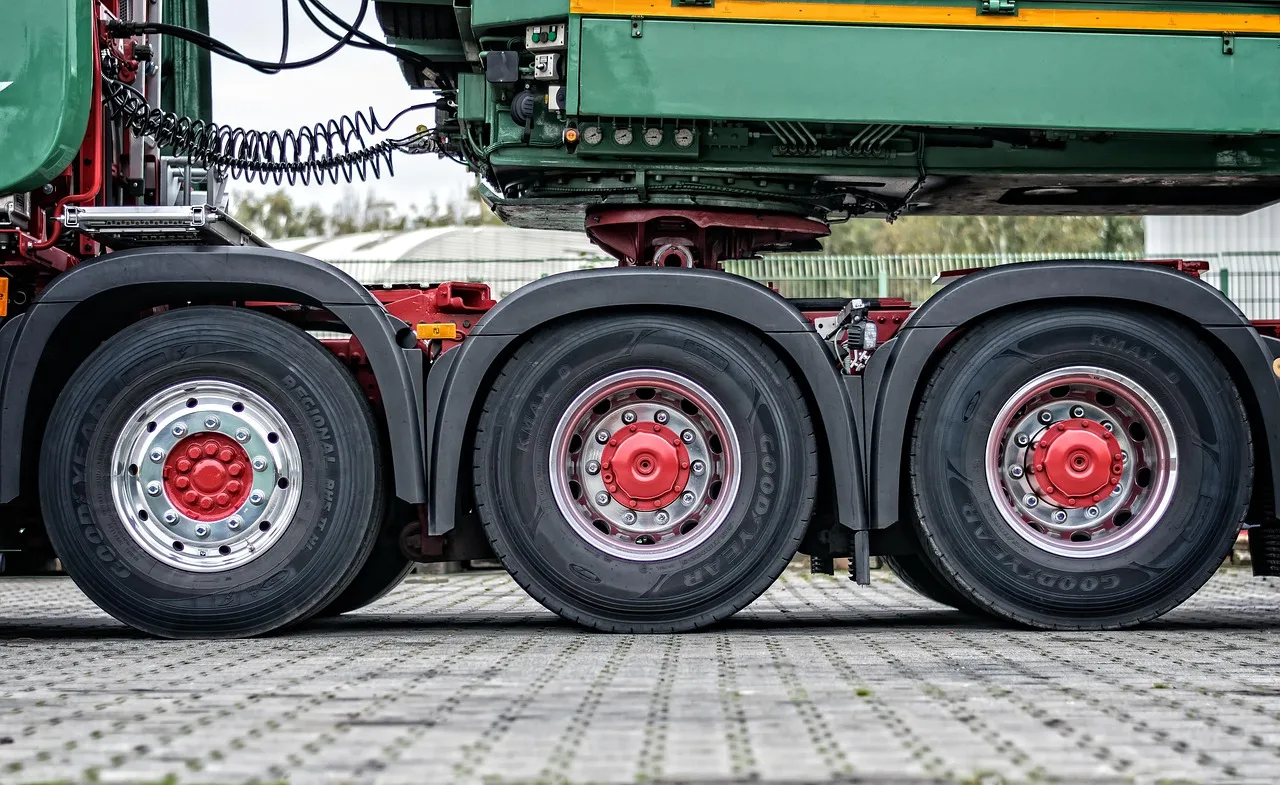
Genelaxle
Genelaxle
Görsel
Çekim Tablosu
Belirtme (-i)aksi
Çoğul (-ler)aksler
Tanım
•isim: dingil
Atasözü & Deyim
“Sabahın kızıllığı akşamı kış eder, akşamın kızıllığı sabahı güz eder”
“Aksak eşekle yüksek dağa çıkılmaz”
“Akşamın hayrından sabahın şerri iyidir (yeğdir)”
“Bugünkü (akşamın) işini yarına (sabaha) bırakma (koyma)”
“Dünya ölümlü, gün akşamlı”
Diğer Dillerde
Almancaabstammen, Achse, aufhalten, ausstemmen, eindämmen, entgegenstemmen /ˈapˌʃtamən/
to descend · to stem · to derive
çekim: geçmiş stammte ab · ortaç abgestammt · şimdiki stammt ab · ulaç abstammend
eş: entstammen, hervorgehen, entspringen
köken: From ab- + stammen.
aile: Abstammung
Oh Scheisse. — Hay aksi.
Fransızcaarrêter, axe, découler, équeuter, étrave, faire le chasse-neige /a.ʁɛ.te/
to stop, to come to a standstill; to halt, to stop from moving · to arrest (someone, a criminal, etc.) · to stop, to cease (an activity)
çekim: geçmiş arrêté · ortaç arrêté · şimdiki arrête · ulaç arrêtant
eş: alpaguer, appréhender, attraper, avoir, capturer, chauffer
köken: Inherited from Middle French arrester (“to stop”), from Old French arester (“to stay, stop”), from Vulgar Latin *arrestāre, from Latin ad- (“to”) + restō (“stop, remain behind, stay back”). Compare English arrest.
aile: arrêter les frais
Oh merde. — Hay aksi.
J'aime la solitude parfois, mais j'aime pas les cris quand ils ne s'arrêtent pas
Aujour-d'hui que la Constitution est définitivement arrêtée...
Le Corps législatif arrête les comptes.
İspanyolcaarrancar [de], CTIM, derivar [de], derivarse [de], descender, dimanar [de]
ciencia, tecnología, ingeniería y matemáticas; STEM
Este es el axón. — Bu akson.
İtalyancaaprire lo spazzaneve, arrestare, asse, asta, ceppo, derivare (da) /ar.resˈta.re/
to halt, to stop, to check, to staunch · to arrest, to apprehend, to collar, to nick
çekim: geçmiş arrestàto · ortaç arrestàto · şimdiki arrèsta · ulaç arrestànte
eş: arginare, bloccare, contenere, far cessare, fermare, inibire
köken: From Vulgar Latin *arrestāre, from Latin ad- (“to”) + restō, restāre (“stop, remain behind, stay back”).
aile: arrestamento, arrestarsi, arrestatoio, arresto
Oh, merda!) — Hay aksi.
Rusçaось /osʲ/
axis · axle · operating system
çekim: çoğul о́си · tamlayan о́си
eş: вал, стержень, втулка
köken: Inherited from Old East Slavic ось (osĭ), from Proto-Slavic *osь (“axle”). In the sense of "operating system", is an adaptation of the English acronym OS in the same sense.
aile: полуо́сь
Вот чёрт. — Hay aksi.
Arapçaأَصْل, سَاق نَبَات, مِحْوَر
الخفافيش 2012. — Aksoy 2012
stem, stalk (of a plant)
köken: Borrowed from Arabic سَاقَة (sāqa).
torso · body · treetrunk, stem, stalk
çekim: çoğul gövdələr · tamlayan gövdənin
köken: From Proto-Turkic *kebde (“upper part of body”).
Kazakçaбелағаш, белдік, білік, білікомыртқа, өс
axis
çekim: çoğul өстер · tamlayan өстің
köken: From Russian ось (osʹ).
Felemenkçeas, spil
Oh shit. — Hay aksi.
axis (second vertebra)
köken: Borrowed from Latin axis (“axletree”), from Proto-Indo-European *h₂eḱs- (“axis”). Compare the inherited doublet eixo.
Boa noite! — İyi akşamlar.
axis · axle, shaft · the Axis
çekim: çoğul άξονες · tamlayan άξονα
eş: άξων
aile: αξονικός, αξονίσκος, αξονομετρικός, στροφαλοφόρος άξονας
Σκατά. — Hay aksi.
ο άξονας της γης
οι δυνάμεις του άξονα
Japoncaシュテムする, 堰止める, 発端とする, 語幹 /ɡo̞kã̠ɴ/
stem
köken: From 語(ご) (go, “word”) + 幹(かん) (kan, “trunk”).
もう既にご存知のこと思いますが、2日前の夜、衛星が カナダのエドモントン近郊に落下しました。 — İyi akşamlar
a shoulder
çekim: çoğul axlar · tamlayan axels
köken: From Old Swedish axl, from Old Norse ǫxl, from Proto-Germanic *ahslō, from Proto-Indo-European *h₂eḱs-.
aile: axelskydd, axelvadd
Oh fan. — Hay aksi.
dried stalk, stem · dried potato stalk, stem · weed (a worthless plant)
çekim: çoğul badyle · tamlayan badyla
köken: Etymology tree Proto-Slavic *badyľь Polish badyl Inherited from Proto-Slavic *badyľь.
aile: badylarski, badylasty, badylkowaty, badylowaty, badylowy, badylarka, badylarstwo, badylarz
To jest akson. — Bu akson.
axis · axle
çekim: çoğul о́сі · tamlayan о́сі
köken: From Old East Slavic ось (osĭ), from Proto-Slavic *osь (“axle”).
aile: вісь зла́
От чорт. — Hay aksi.
axle, axis · die (cube used in the game of dice) · latitude
çekim: çoğul अक्षों
köken: Borrowed from Sanskrit अक्ष (akṣa), from Proto-Indo-European *h₂eḱs-. Compare English axis.
to be caused by, be brought about by, lead/follow/result from, be due to · to grow/arise/flow out of, originate in/from, derive from · to accrue
çekim: geçmiş aiheutunut · şimdiki aiheutuu · ulaç aiheutuva
köken: aihe (“cause”) + -utua, along the lines of “to be caused (by)”. First attested in c. 1886, perhaps coined as an intransitive equivalent of aiheuttaa (“to cause”).
aile: aiheutuminen
Siltala 2012 — Aksoy 2012
Rakennustöistä aiheutuu meteliä.
Iso osa kustannuksista aiheutuu vain kahdesta eri tekijästä.
Tulvasta aiheutui miljoonien vahingot.
Çekçeosa (dişil) /ˈosa/
axis (of symmetry or rotation) · axis (of a coordinate system)
çekim: çoğul osy · tamlayan osy
eş: hřídel, symetrála, pakt
köken: Inherited from Old Czech os, osa, osě, from Proto-Slavic *osь. Cognates include Polish oś, Slovak os and German Achse.
aile: osičkový, osní, osový, osička, oska
Tohle je axon. — Bu akson.
osa souměrnosti
osa otáčení
osa x
axis
çekim: çoğul axe · tamlayan axe
köken: Borrowed from French axe. Doublet of ax and osie.
Of, rahat. — Hay aksi.
branch
çekim: çoğul ágak
köken: From Proto-Finno-Ugric *šaŋka. Cognates include Northern Mansi таг (tag, “twig, branch”).
aile: áganként, ágas, ágastul, ágazat, ágazik, ágú, ágrólszakadt, faág, iparág, oldalág
A francba! — Hay aksi.
İbraniceגִּבְעוֹל, ציר (eril)
hinge, pivot, axis · minister (high-level diplomat, hierarchically below the rank of ambassador and above the rank of counselor) · labor (pain at birth)
çekim: çoğul צִירִים
aile: ציר זמן, ציר הרשע
זהו האקסון. — Bu akson.
הַדֶּלֶת תִּסּוֹב עַל־צִירָהּ, וְעָצֵל עַל־מִטָּתוֹ.
...וְצִיר בַּגּוֹיִם שֻׁלָּח קוּמוּ וְנָקוּמָה עָלֶיהָ לַמִּלְחָמָה.
עַל־כֵּן מָלְאוּ מָתְנַי חַלְחָלָה, צִירִים אֲחָזוּנִי כְּצִירֵי יוֹלֵדָה;
stalk, stem · stem of a cabbage
çekim: çoğul caulēs · tamlayan caulium
köken: From Proto-Indo-European *keh₂ulis (“straight stalk”). Cognate with Sanskrit कुल्या (kulyā), Ancient Greek καυλός (kaulós, “stem”), Latvian kauls (“bone”), Old Irish cúal (“bundle of sticks”), and perhaps Old Armenian ցօղուն (cʻōłun, “stalk; straw”).
aile: cauliculus, cauliculatus
axis
çekim: çoğul akser · tamlayan akses
Han gjorde det modsatte. — Aksini yaptı.
Norveççeforårsake, MNT, stett
Oslo 2012 — Aksoy 2012
Endonezcekata dasar, poros, stem, STEM, tangkai not /ˌka.ta ˈda.sar/
baseword; lexical stem
çekim: çoğul kata-kata dasar
köken: Compound of kata + dasar.
Ini adalah akson. — Bu akson.
Etimoloji
Fransızca axe
Kelime Ailesi
Eş & Zıt Anlamlılar
Örnek Cümleler
HHG aksı
HPG axis
Bu aksak.
This is lame.
Bu akson.
This is the axon.
Hay aksi.
Oh, shit.
Çok aksak.
It's so lame.
Tom aksar.
Tom has a limp.
Aksoy 2012
Juárez 2012
Güç aksamı
Powertrain
T aksonomi
Taxonomy
Tom aksıyor.
Tom's limping.
Akşamlar 03.
Bad Nights 03.
Akşam Yemeği
Jantar Romântico
İlgili Sorular
Sizce kuzeydeki insanların aksanı çılgın mı? Güneydekiler olarak biz de çılgın bir aksana sahibiz, kötü niyetli değil sadece fark ettik.
Aşk dolu bir partnerin tavsiyesiyle bu akşamki akşam yemeği ne olmalı?
Kuzeyde yaşayanların aksanı tuhaf mı? Güneydekiler olarak biz de çılgın bir aksana sahibiz, kötü bir anlamda değil sadece söylemek istedik.
İngilizce öğrenmek için en faydalı aksan nedir? Amerikan, İngiliz, Kanadalı ya da Avustralya aksanı mı?
Amerikan ve İngiliz aksanları neden kabul edilirken, Afrika aksanı neden reddediliyor?