Sözlük
/isabet
isabet
/i.saːˈbet/
intj
B2 seviye
TR → EN
"isabet" kelimesinin İngilizcesi: felicitous, hit, incidence. Anlamı, çevirisi, telaffuzu ve örnek cümleler aşağıdadır.
Çeviri
Genelfelicitous
Genelhit
Genelincidence
Görsel
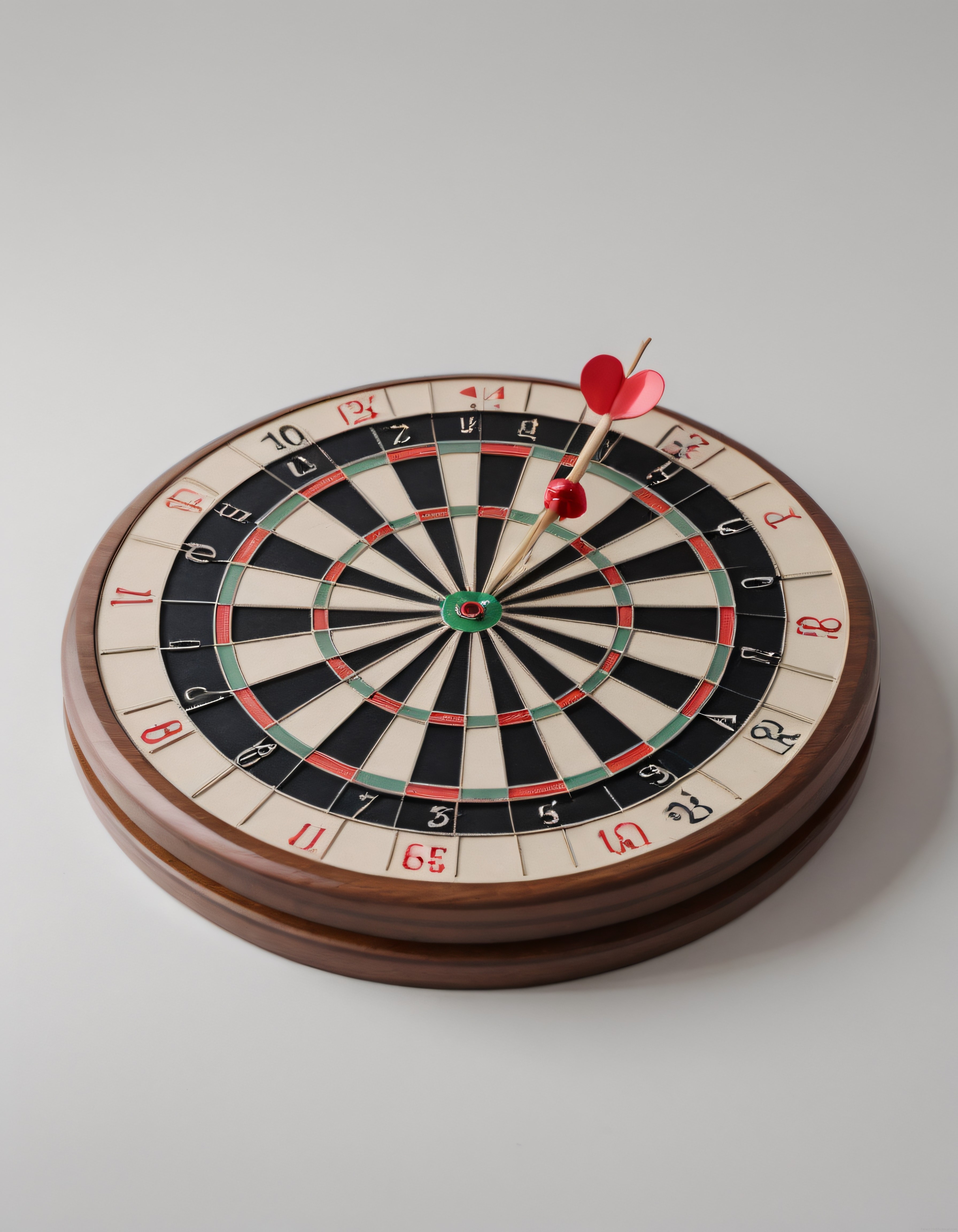

Çekim Tablosu
Belirtme (-i)isabeti
Yönelme (-e)isabete
Bulunma (-de)isabette
Çıkma (-den)isabetten
Tamlayan (-in)isabetin
Çoğul (-ler)isabetler
Tanım
•isim: Hedefe varma, hedefi vurma
•Piyango vb. şans oyunlarında, kazanma, çıkma, vurma
•Öneri, düşünce veya söz yerinde olma
•Yanılmama
•Güzel rastlantı
•ünlem: "Çok güzel, iyi oldu" anlamlarında kullanılan bir seslenme sözü
Diğer Dillerde
Almancaabschlagen, Anschlag, Auftragsmord, Auftreten, Auftretenshäufigkeit, but see Mord /ˈapʃlaːɡŋ/
to cut off, chop off · to refuse, to deny, to reject (a request) · to tee off
çekim: geçmiş schlug ab · ortaç abgeschlagen · şimdiki schlägt ab · ulaç abschlagend
eş: abhacken, abhauen, herunterschlagen, losschlagen, wegschlagen, abstoßen
köken: From Middle High German abeslahen, from Old High German abaslahan. Equivalent to ab- + schlagen.
aile: Abschläger, Abschlagung, abschlägig
Die Prinz Eugen erlitt keine Beschädigungen. — Prinz Eugen hiç isabet almadı.
to beat; to defeat · to beat up · to fight
çekim: geçmiş battu · ortaç battu · şimdiki bat · ulaç battant
eş: bagarrer, bastonner, castagner, rosser, rouer
köken: Inherited from Middle French battre, from Old French batre, from Latin battere, from earlier battuere.
aile: battage, battement, batterie, battoir, battre à plate couture, battre à plates coutures, battre comme plâtre, battre de l'aile, battre en brèche, battre en retraite
Tous ces tirs sont réussis. — Atışları çok isabetlidir.
J'irai dans un bar ce soir. […] Je me battrai pour une place au comptoir.
İspanyolcaacertar, acierto, arrasar, arrear, asestarle, atizarle /aθeɾˈtaɾ/
to hit, to hit upon · to be right
çekim: geçmiş acerté · ortaç acertado · şimdiki acierta
eş: descifrar, descubrir, hallar, adivinar
zıt: desacertar
köken: From a- + Latin certus + -ar. Compare English ascertain.
aile: acertado, acertar con, acertijo, piensa mal y acertarás
¡Bingo! — Tam isabet!
La bala acertó al policía en la pierna.
¿Cuántas preguntas acertaste? –Ninguna.
El pronóstico del tiempo acertó hoy.
İtalyancabattere, battuta f valida, colpire, picchiare, risultato, valida /ˈbat.te.re/
to beat, to strike, to hit · to beat (to move with pulsation) · to thresh (to separate grain)
çekim: geçmiş battùto · ortaç battùto · şimdiki bàtte · ulaç battènte
eş: bastonare, colpire, flagellare, percuotere, pestare, picchiare
köken: Inherited from Latin battere, from earlier battuere.
aile: battere ai punti, battere al coltello, battere bandiera, battere cassa, battere i piedi, battere i tacchi, battere il capo nel muro, battere il cinque, battere il ferro finché è caldo, battere il marciapiede
Centro! — Tam isabet!
battere il ferro
mi ha battuto
l'orologio batte le tre
Rusçaпопадание, достижение, уместность (dişil) /ʊˈmʲesnəsʲtʲ/
relevance, relevancy · appropriateness · appositeness (the state of being apposite)
çekim: çoğul уме́стности · tamlayan уме́стности
köken: уме́стный (uméstnyj) + -ость (-ostʹ)
Бинго! — Tam isabet!
Arapçaأَصَابَ, ضرب, ضَرَبَ, ضَرْبَة, هيت (eril) /dˤa.ra.ba/
to strike, to beat, to hit · to shoot at, to fire at, to bombard · to play
çekim: geçmiş ضَرَبْتُ
وهم مصابون بشده — Roket isabet etti komutanım!
ضَرَبَ رَأْسَهُ بِٱلْجِدَارِ
ضُرِبَتْ عَلَيْهِمُ الذِّلَّةُ أَيْنَ مَا ثُقِفُوا إِلَّا بِحَبْلٍ مِنَ اللَّهِ وَحَبْلٍ مِنَ النَّاسِ
ضَرَبَ خَيْمَةً
to beat, hit, strike · to play (an instrument) · to bite
çekim: geçmiş زد · ortaç زده · şimdiki میزند · ulaç زننده
köken: From Middle Persian [script needed] (MHYTWN-n /zadan/) (root [script needed] (zn- /zan-/)), from Old Persian 𐎩𐎫𐎡𐎹 (j-t-i-y /jaⁿtiy/, “to strike, defeat”) (root [Term?] (/ja(n)-/)), from Proto-Iranian *ǰánti, from Proto-Indo-Iranian *ǰʰánti (“to slay, strike”). Cognate with Younger Avestan 𐬘𐬀𐬌𐬧𐬙𐬌 (jaⁱṇti), Sanskrit हन्ति (hánti), English bane.
من پیانو میزنم و دوستم گیتار میزنه.
to shake up · to shake out · to shake off
çekim: geçmiş çırpmış · ortaç çırpmış · şimdiki çırpır
köken: From *čarpmaq, *čalpmaq, *čalpamaq; from metathesis of *čapla-, a derivation of Proto-Turkic *čap-, in which case related to Azerbaijani çapmaq and Azerbaijani çarpmaq (?).
aile: çırpışpmaq, çırpınpmaq
ciblərini çırpmaq
palaz çırpmaq
çıxanda qapını çırpma!
Özbekçeurmoq /uɾˈmɒq/
to hit, beat, strike
çekim: geçmiş urib · ortaç urgan · şimdiki uradi · ulaç urayotgan
köken: Inherited from Chagatai [Term?], from Proto-Turkic *ur-. Cognate with Turkish vurmak, Azerbaijani vurmaq, Uyghur ئۇرماق (urmaq), Kazakh ұру (ūru), Kyrgyz уруу (uruu), and Old Turkic 𐰆𐰺 (ur-).
deposit (substance layered on a surface) · stroke, keystroke · attack, assault
çekim: çoğul aanslagen
eş: toucher, belastingaanslag, afzetting, eindstop, stootblok, stuit
köken: From Middle Dutch aenslach, from aenslaen and slach (modern Dutch aanslaan and slag). Equivalent to aan (“on”) + slag (“strike, hit”).
aile: belastingaanslag, bomaanslag, kalkaanslag, moordaanslag, terreuraanslag, toetsaanslag, treinaanslag, zelfmoordaanslag
Is het omdat hun wapens niet accuraat waren? — Silahları isabetli değil miydi?
Jakkes, er zit aanslag op de plee.
Portekizceacerto, apagar, assassinato, assassínio, ataque, atingir (eril) /aˈseʁ.tu/
something that is correct · fluke, luck · agreement
çekim: çoğul acertos
zıt: erro
köken: Deverbal from acertar.
Bingo! — Tam isabet!
success (the fact of getting or achieving respect or fame) · hit (something very successful, such as a song, film, or video game, that receives widespread recognition and acclaim)
köken: Unadapted borrowing from French succès.
Μπίνγκο! — Tam isabet!
a hit (the act of being struck) · a hit (a success) · success
çekim: geçmiş ヒットした
köken: From English hit.
ショットが上手い。 — Atışları çok isabetlidir.
映画のヒットを祈念する
Çince打擊 /打击
槍法很好。 — Atışları çok isabetlidir.
to hit, to beat, to strike, to slap, to pound · to strike, to attack (an enemy country or location) · (of a clock) to strike (an hour)
çekim: geçmiş 쳤다
köken: First attested in the Yongbi eocheon'ga (龍飛御天歌 / 용비어천가), 1447, as Middle Korean 티〮다〮 (Yale: thí-tá). ; “to call (on the telephone)” ; “to blow (of wind, rain, or snow in a storm)”
그들의 무기가 정확하지 않아서? — Silahları isabetli değil miydi?
박수를 치다
적의 후방을 노려서 치다
벽에 걸린 시계가 12시를 쳤다.
İsveççeanrop, slå, slå emot, slå till, träff, träffa (nötr)
a call, a hailing (an attempt at contacting, usually via radio or other telecommunication) · a call, an invocation (of a subprogram, like a function)
çekim: çoğul anrops · tamlayan anrops
köken: an- + rop
aile: anropssignal
Bingo! — Tam isabet!
Lehçemorderstwo, przebój, stukać, stuknąć, szlagier, trafiać (nötr) /mɔrˈdɛr.stfɔ/
murder (act of deliberate killing)
çekim: çoğul morderstwa · tamlayan morderstwa
eş: mord, zabójstwo
köken: From Old Polish morderz (“murderer”) + -stwo, from Middle High German morder, from Proto-Germanic *murþārijaz (“murderer”) (whence also Old Norse morðari), from *murþą.
Bingo! — Tam isabet!
Ukraynacaби́ти, вда́рити, вдаря́ти, влуча́ння, влуча́ти, влу́чення
Едвін не відбив жодного удару. — Prinz Eugen hiç isabet almadı.
Hintçeमारना /mɑːɾ.nɑː/
to beat, hit, strike, knock · to hammer · to kill, murder
çekim: geçmiş मारता · şimdiki मारता है
köken: Hindi verb set मरना (marnā) मारना (mārnā) मराना (marānā) मरवाना (marvānā) Inherited from Sanskrit मारयति (mārayati), from the root मृ (mṛ). Cognate with Nepali मार्नु (mārnu), Assamese মাৰা (mara).
गुंडे ने मुझे पीठ पर बहुत ज़ोर से मारा।
मार डालना
फ़ुटबॉल इधर मारो!
portion (allocated amount) · serving (portion of food) · dose (measured portion of medicine)
çekim: çoğul annokset · tamlayan annoksen
köken: From Proto-Finnic *andos. Equivalent to antaa (“to give”) + -os.
aile: -annoksinen, annoksittain, annostaa, alkoholiannos, annosaika, annosjakelu, annoskateus, annosmalja, annosmittari, annosmäärä
Löytyi! — Tam isabet!
hit (a success, especially in the entertainment industry)
çekim: çoğul hity · tamlayan hitu
eş: šlágr
köken: From English hit.
Co to tam k čertu je pane? — Roket isabet etti komutanım!
Rumencebate, lovi, lovitură, nimerire, șlagăr /ˈba.te/
to beat (repeatedly hit for various purposes) · to beat (give a beating) · to have a fight
çekim: geçmiş bătut · ortaç bătut · şimdiki să bată
köken: Inherited from Latin battere, from earlier battuere. Compare Aromanian bat.
aile: bate gândul, bate în retragere, bate la cap, bate la tălpi, bate măr, bate monedă, bate palma, bate toba, batere, bătător
- A fost o rachetă nenorocită, domnule. — Roket isabet etti komutanım!
a bate la ușă
a bate untul
a bate la mașină
Macarcaelőfordulás, sláger, találat, üt /ˈɛløːfordulaːʃ/
occurrence, presence, incidence, instance
çekim: çoğul előfordulások
köken: előfordul + -ás
aile: előfordulási, előfordulású, szóelőfordulás
A löveg sem volt kielégítő. — Ancak atışlar isabetli değildi.
to herd · to hit, beat up
çekim: geçmiş הִרְבַּצְתָּ
...רקטה נכנסה בו — Roket isabet etti komutanım!
אֲנִי אֶרְעֶה צֹאנִי, וַאֲנִי אַרְבִּיצֵם; נְאֻם אֲדֹנָי יהוה.
to beat, hit, pound, beat up, strike · to fence, play fencing; to fight · to bang (have sex with)
çekim: şimdiki battuit · ulaç battuēns
köken: Unknown, rare in literary Latin. Perhaps from Gaulish or Germanic, ultimately either from Proto-Indo-European *bʰedʰh₂- (“to stab, dig”), or a separate root *bʰat- (“to hit”); ultimately onomatopoeic. Compare Welsh bathu (“beat”), Old English beadu (“battle”), and the latter half of Latin andabata, as well as perhaps Sanskrit भल्ल (bhalla, “arrowhead, missile”). Doublet of battō. Compare…
aile: battuālia, battuārium
c. 180 BCE, Plautus, Casina 2.8.60
c. 400 CE, Marcellus Empiricus, De medicamentis 36
230 CE, De re culinaria 4.2.108
incidence
çekim: çoğul incidenser · tamlayan incidenses
köken: From Latin incidentia.
Bingo! — Tam isabet!
Norveççeanslag, ramme, skudd, treffe
Men skytningen var overbevisende nok. — Atışları çok isabetlidir.
Etimoloji
Inherited from Ottoman Turkish اصابت (isābet, “a hitting the mark, striking, reaching, stumbling upon, interj. Well done! Bravo!”), from Arabic إِصَابَة (ʔiṣāba, “injury, trauma, score, a hitting shot”), verbal noun of أَصَابَ (ʔaṣāba, “to hit the mark, to speak or act to the point”).
Örnek Cümleler
Tam isabet.
Right on.
Cevabı çok isabetliydi.
His answer is to the point.
Tam isabet, işte burası!
This is it, this is the place!
Atışları çok isabetlidir.
He shot right.
Yıldırım kuleye isabet etti.
Lightning hit that tower.
Roket isabet etti komutanım!
But they're all spread out.
Prinz Eugen hiç isabet almadı.
Prince Eugene did not even pass it on.
Silahları isabetli değil miydi?
Is it because their weapons weren't accurate?
Onun açıklaması tam isabetliydi.
Her explanation was to the point.
Fakat iki mermi de isabet etmedi.
Neither side fired a shot.
Onun söylediği kısa ve isabetliydi.
What he said was brief and to the point.
Onun konuşması kısa ve isabetliydi.
His speech was short and to the point.