Sözlük
/burun
burun
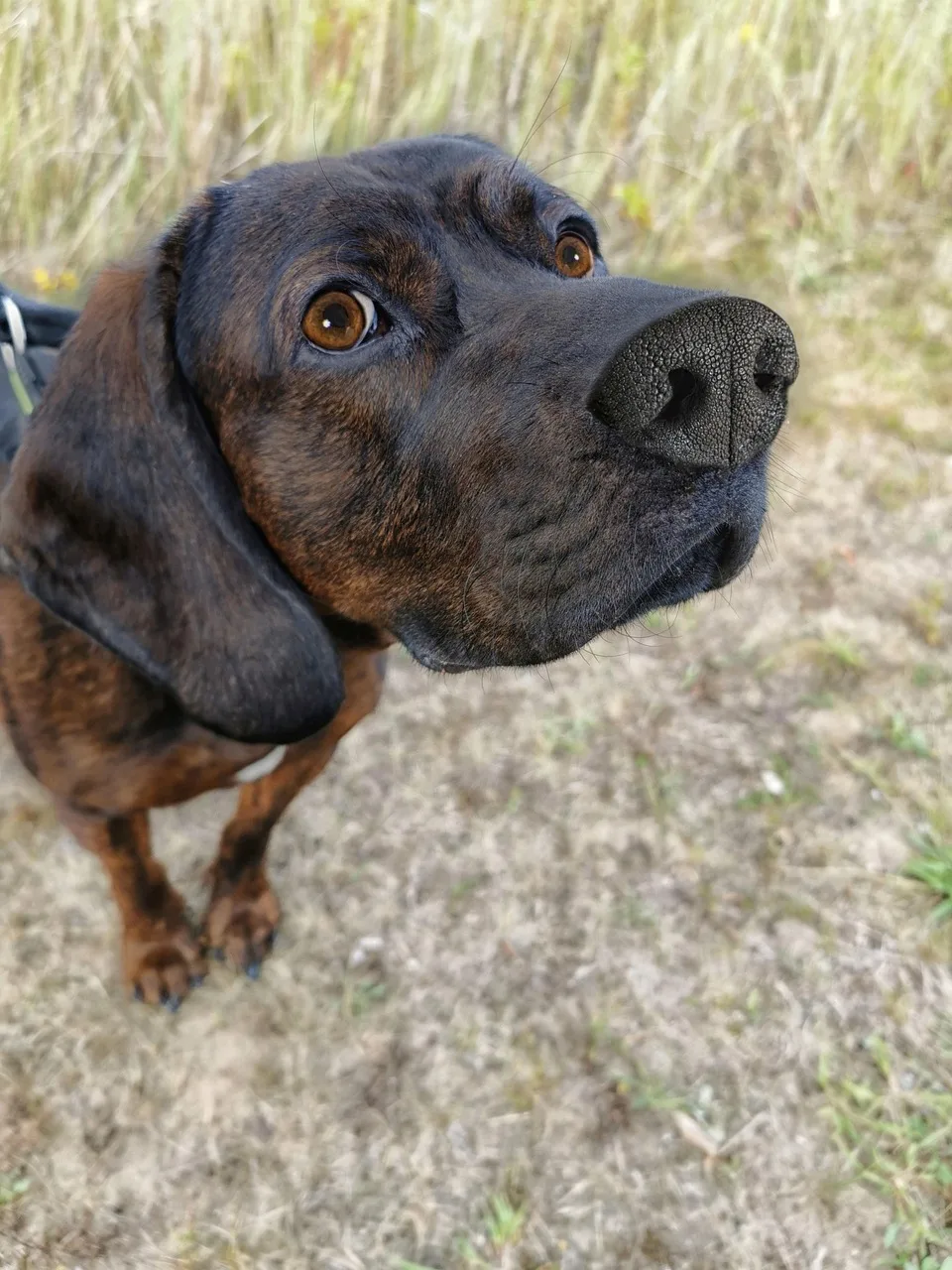
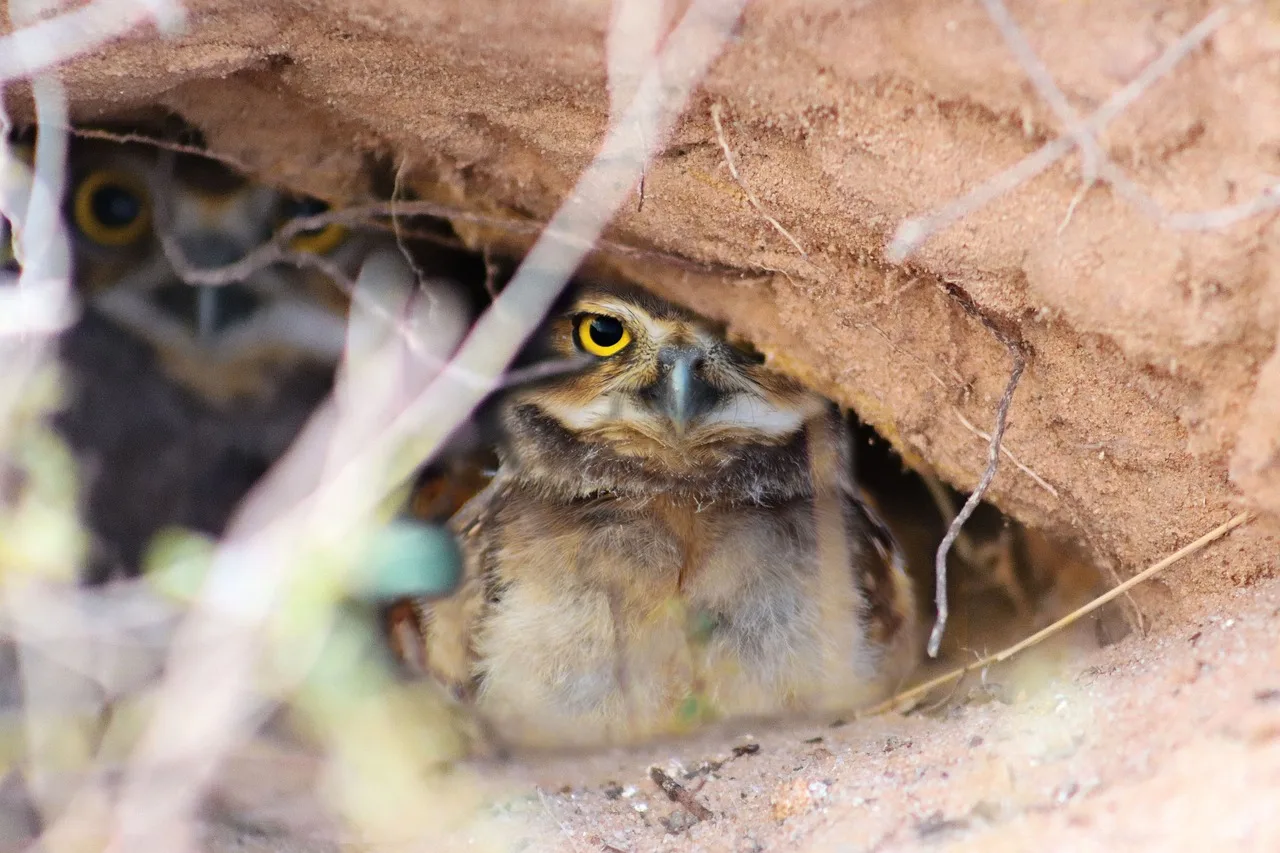
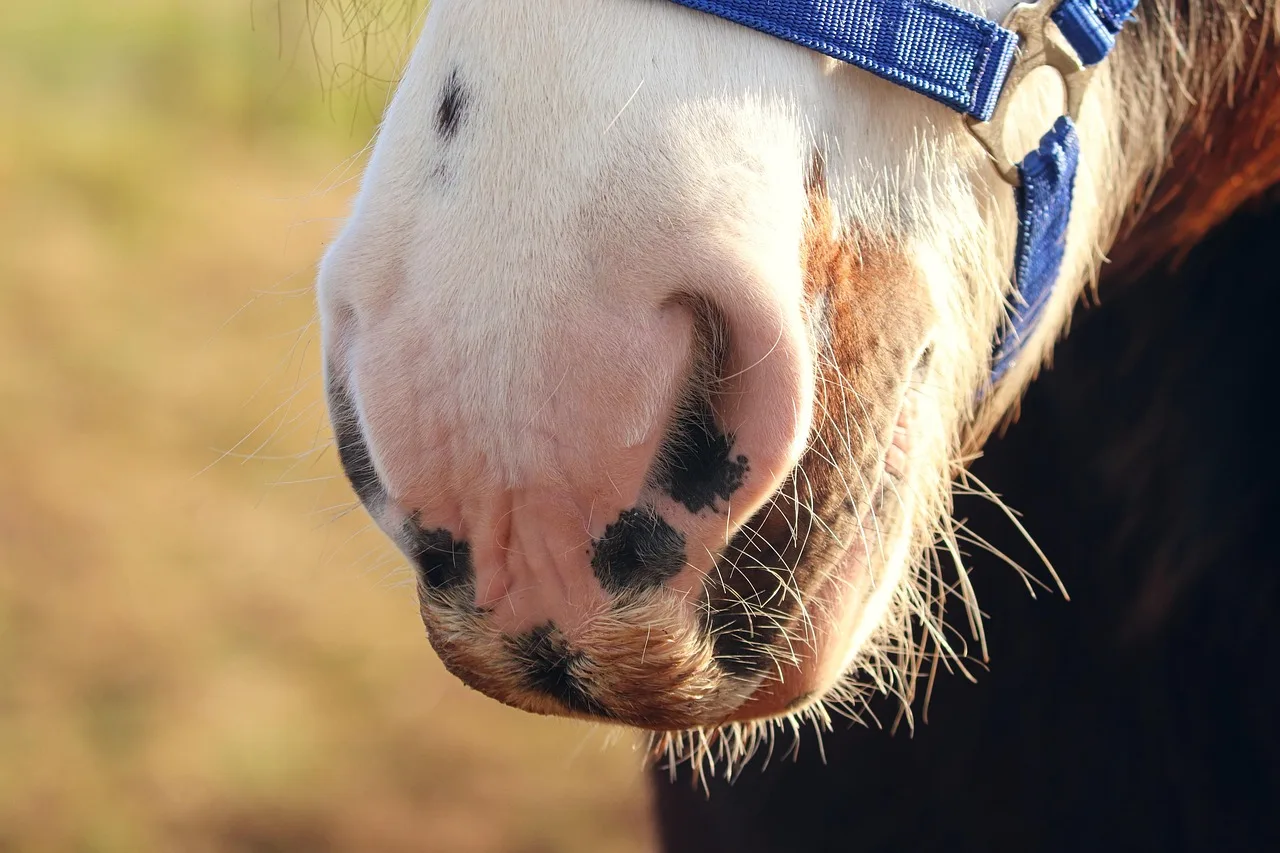
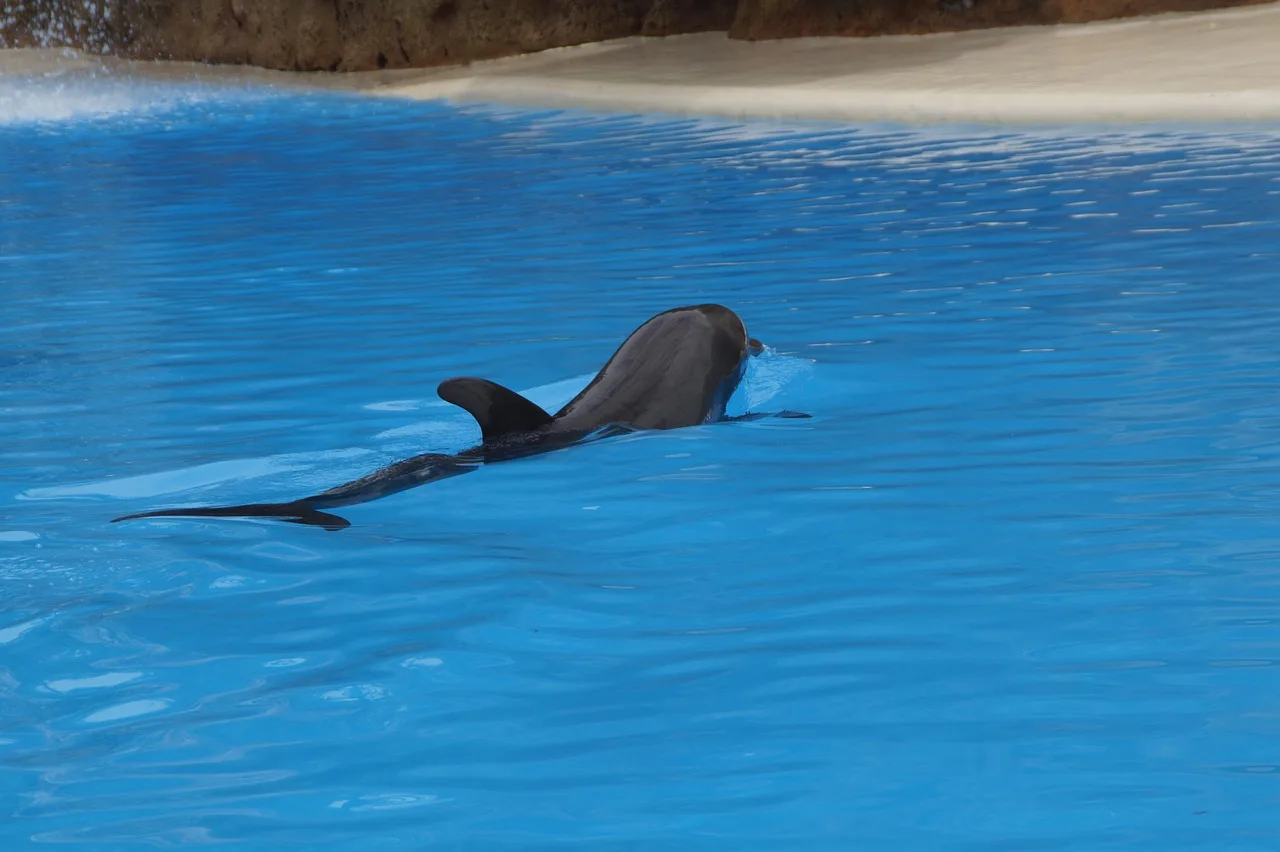
"burun" kelimesinin İngilizcesi: nose, tip, conk, foreland, headland. Anlamı, çevirisi, telaffuzu ve örnek cümleler aşağıdadır.
Çeviri
Tıpnosenoun
Geneltip
Genelconk
Genelforeland
Genelheadland
Genelness
Genelnose
Genelolfactory
Genelprominent
Genelnose
Genelcape
Genelcape
Genelnose
Görsel
Çekim Tablosu
Belirtme (-i)burnu
Yönelme (-e)burna
Bulunma (-de)burunda
Çıkma (-den)burundan
Tamlayan (-in)burnun
Çoğul (-ler)burunlar
Tanım
•isim, anatomi: Alınla üst dudak arasında bulunan, çıkıntılı, iki delikli koklama ve solunum organı; koku alma organı
•Bazı şeylerin ön ve sivri bölümü
•mecaz: Büyüklük taslama
•coğrafya: Deniz içine uzanmış ince ve uzun kara parçası
•isim, dil bilimi: Vurgu, ezgi, durak, ulama, ton, uzunluk gibi konuşma diline özgü ögelere verilen ad
Diğer Dillerde
Almancanase (dişil) /ˈnaːzə/
nose · snout · dummy; a mild insult
çekim: çoğul Nasen · tamlayan Nasen
eş: Riechorgan, Gesichtserker, Zinken, Kolben, Jurke, Gewürzprüfer
köken: From Middle High German nase, from Old High German nasa, from Proto-West Germanic *nasu, from Proto-Germanic *nasō, from Proto-Indo-European *néh₂s. Compare Low German Nees, Norwegian nese, English nose.
aile: die Nase voll haben, die Nase vorne haben, eine lange Nase machen, eine Nase drehen, hochnäsig, in der Nase bohren, Näschen, näseln, nasenlos, Näslein
Google Nose. — Google Burun.
Baschir trägt einen dichten Bart, der einzig die Partie zwischen der Oberlippe und seiner großen Nase ausspart.
cape · head · heading
çekim: çoğul caps
köken: Borrowed from Occitan cap, from Latin caput. Doublet of chef.
aile: cap glacé, de pied en cap, mettre le cap
Google Nose a la réponse. — Google Burun.
cap stratégique
apex
eş: ápice
köken: Borrowed from Latin apex. Doublet of ápice.
Franco de Burundi (BIF) — Burundi Frankı
İtalyancanaso (eril) /ˈna.zo/
nose
çekim: çoğul nasi
eş: odorato, organo dell’odorato, olfatto, organo dell'olfatto, narici, beccuccio
köken: Inherited from Latin nāsus, from Proto-Indo-European *néh₂s.
aile: annusare, annusata, nasale, nasata, nasiera, nasino, nasone, nasuto
Google Olezzo. — Google Burun.
beak, bill
çekim: çoğul клю́вы · tamlayan клю́ва
eş: хлебало, варежка, пасть
köken: Inherited from Proto-Slavic *kľuvъ, which is cognate with Proto-Slavic *kľunъ, whence Bulgarian клюн (kljun), Serbo-Croatian кљун, Slovene kljun.
aile: бесклю́вый, надклю́вье, подклю́вье, клювоголо́вый, белоклю́вый, большеклю́вый, длинноклю́вый, желтоклю́вый, короткоклю́вый, красноклю́вый
Google Нос! — Google Burun.
Holonyms: пти́ца (ptíca), черепа́ха (čerepáxa)
Meronyms: надклю́вье (nadkljúvʹje), подклю́вье (podkljúvʹje)
بالطبع تجد الإجابة على حاسة الشم من Google. — Google Burun.
gratuity · bonus · prize
köken: Etymology tree Arabic أَنْعَمَ (ʔanʕama) Arabic إِنْعَام (ʔinʕām)bor. Persian انعام Borrowed from Arabic إِنْعَام (ʔinʕām), from أَنْعَمَ (ʔanʕama).
gift · tip (a small amount of money left for a bartender, waiter etc.)
çekim: çoğul bəxşişlər · tamlayan bəxşişin
köken: From Classical Persian بخشش.
Özbekçebaxshish, choychaqa
Tatarcaборын
nose
çekim: çoğul борыннар · tamlayan борынның
köken: From Proto-Turkic *burun (“nose”). Identical to Proto-Turkic *burun (“before, earlier than”) Cognate with Old Uyghur [script needed] (burun, “nose”); Bashkir морон (moron, “nose”), Kazakh мұрын (mūryn, “nose”), Southern Altai мурун (murun, “nose”), Uzbek burun (“nose”), Uyghur بۇرۇن (burun, “nose”), Turkmen burun (“nose”), Yakut мурун (murun, “nose”), etc.
Felemenkçeneus (eril) /nøːs/
nose · Jew, kike
çekim: çoğul neuzen
köken: From Middle Dutch nose, nuese, from Old Dutch *nosa, from Proto-West Germanic *nosu.
aile: bij de neus nemen, bloedneus, boksersneus, fopneus, haakneus, kriebelneus, loopneus, met twee vingers in de neus, met zijn neus in de boter vallen, neusaap
Google Nose. — Google Burun.
cape (piece of land extending beyond the coast) · the final steps or moments of an event
çekim: çoğul cabos
köken: Inherited from Old Galician-Portuguese cabo (“besides; nearby”), from Vulgar Latin capus, from Latin caput (“head”), from Proto-Italic *kaput, from Proto-Indo-European *kauput-. Doublet of caput, chefe, and chef.
aile: a cabo de, ao cabo de, ao fim e ao cabo, Cabo Canaveral, cabo da armada, cabo de esquadra, cabo de secção, cabo eleitoral, Cabo Frio, Cabo Verde
Google Nose. — Google Burun.
Yunancaαιχμή, δίνω φιλοδώρημα, κορυφή, μούρη, μουσούδι, μύτη (dişil) /eˈxmi/
point, spearhead · tip of nose · jibe, barbed comment, banter
çekim: çoğul αιχμές · tamlayan αιχμής
köken: Inherited from Ancient Greek αἰχμή (aikhmḗ).
Το Google Nose. — Google Burun.
small nose · nose
eş: 鼻, 鼻子, 鼻子, 鼻子, 鼻子, 鼻子
鼻端黑色。 — Burun siyahtır.
Korece맡다 /ma̠t̚t͈a̠/
to take on a task or job; to take charge of
çekim: geçmiş 맡았다
köken: First attested in the Yongbi eocheon'ga (龍飛御天歌 / 용비어천가), 1447, as Middle Korean 마ᇨ다〮 (Yale: màst-tá).
aile: 떠맡다
Google Nose. — Google Burun.
일을 맡다
tip; A small amount of money left for a bartender, waiter, taxi driver or other servant as a token of appreciation
çekim: tamlayan dricksens
köken: Clipping of drickspengar.
aile: dricksa
Google Lukt. — Google Burun.
Lehçeczubek, dać napiwek, dawać napiwek, napiwek, węszyć, wścibiać nos (eril) /ˈt͡ʂu.bɛk/
tip (extreme end of something) · a liverwort belonging to the genus Lophozia
çekim: çoğul czubki · tamlayan czubka
köken: Etymology tree Polish czub Proto-Indo-European *-kos Proto-Slavic *-kъ Proto-Slavic *-ъkъ Old Polish -ek Polish -ek Polish czubek From czub + -ek.
Sprawdź w Nosie Google. — Google Burun.
Ukraynacaкі́нчик, на́тяк, ніс, підка́зка, чайові́ /nʲis/
nose
çekim: çoğul носи́ · tamlayan но́са
köken: From Proto-Slavic *nosъ, from Proto-Indo-European *néh₂s.
Google Ніс. — Google Burun.
nose · mucus, phlegm
çekim: çoğul नाकें
köken: Etymology tree Proto-Indo-European *néh₂s Proto-Indo-Iranian *náHs Sanskrit नस् (nas) Prakrit 𑀡𑀓𑁆𑀓 (ṇakka) Hindi नाक Inherited from Prakrit णक्क (ṇakka, “nose”), from Sanskrit नस् (nas, “nose”) + Middle Indo-Aryan -𑀓- (-ka-). Cognate with Bengali নাক (nak), Punjabi ਨੱਕ (nakka), Marathi नाक (nāk), Gujarati નાક (nāk), Romani nakh, and more distantly related to English nose, French nez, Lithuanian…
मैं नाक से साँस लेता हूँ।
कई लड़कियों की नाक छिदी होती हैं।
Finceantaa juomarahaa, antaa tippiä, haistaa, hajuaisti, juomaraha, kaataa /ˈhɑi̯stɑːˣ/
to smell, sniff · to smell, (be able to) smell · to scent, smell/nose out, get wind/scent of
çekim: geçmiş haistanut · şimdiki haistaisi · ulaç haistava
köken: From Proto-Finnic *haistadak. Equivalent to hais(e)- (“to smell”) + -taa.
aile: haistaminen, haisti, haistattaa, haistella
Google-nenä tietää. — Google Burun.
nose
çekim: çoğul nosy · tamlayan nosu
eş: chřípí, nosánek, nosík, nosíček, frňák, rypák
köken: Etymology tree Proto-Indo-European *néh₂s Proto-Balto-Slavic *nasús Proto-Slavic *nosъ Old Czech nos Czech nos Inherited from Old Czech nos.
aile: nosní, nosový, nosáč, nosánek, nosíček, nosorožec
Nozdry Google. — Google Burun.
aroma
çekim: çoğul arome · tamlayan arome
köken: Borrowed from French arôme.
Nasul Google. — Google Burun.
Macarcaborravaló, borravalót ad, csúcs, értesülés, füles, hegy /ˈborːɒvɒloː/
tip (a gratuity; a small amount of money left for a bartender, waiter, taxi driver or other servant as a token of appreciation)
çekim: çoğul borravalók
köken: borra (“for wine”, from bor (“wine”) + -ra (“for”)) + való (“meant, intended”). Compare French pourboire (“tip”, literally “for drinking”) and German Trinkgeld (“tip”, literally “drink money”).
Burundi frank — Burundi Frankı
nose (of an animal), beak (of a bird) · tip (of an object), bow (of a ship)
çekim: çoğul חַרְטוֹמִים
köken: Compare Arabic خُرْطُوم (ḵurṭūm, “trunk, snout, nose”).
Google Nose יודע. — Google Burun.
הַחַרְטוֹם וְהַצִּפָּרְנַיִם מִטַּמְּאִין וּמְטַמְּאִין.
point, tip (of a pointed object) · spit (for cooking) · sting (of an insect etc.)
çekim: çoğul cuspidēs · tamlayan cuspidis
köken: Unknown origin. Possibly from an earlier *kuri-spid-, a compound of curis (“alternative form of quiris (“spear”)”) + a Proto-Italic noun *spis (“lance”); the latter would be from Proto-Indo-European *spey- (“sharp point”), and related to Latvian spina and Russian спина (spina). However, dvandva compounds are quite abnormal within Latin, in addition to curis possibly being from the same unknown…
aile: cuspidō
a list
çekim: çoğul lister · tamlayan listes
köken: Via German Liste, from Italian lista.
aile: adresseliste, blackliste, borgerliste, fællesliste, hitliste, huskeliste, indkøbsliste, kandidatliste, listeforbund, listepris
Google Duft. — Google Burun.
Etimoloji
Osmanlı Türkçesi بورون sözcüğünden devralındı
Deyimler
Eş & Zıt Anlamlılar
Örnek Cümleler
- Burun.
- Nose.
Burun bilir.
The nose knows.
Google Burun.
Google Nose.
Burundi Frankı
Burundi Franc
Burun siyahtır.
The nose is black.
Burundiworld. kgm
Burundi
BurundiCountry name
Burundi
NgoziCity in Burundi
Ngozi
GitegaCity in Burundi
Gitega
BururiCity in Burundi
Bururi
Burunlarını tuttular.
They held their noses.
Burunları daha dardı.
Their snouts, were more narrow.
İlgili Sorular
Ara sıra çok kötü burun kanamalarım oluyor; bir seferinde kanlarım ceketimin kolunu tamamen ıslattı. Doktorum bunun büyük bir problem olmadığını söyledi, sizce bu normal mi?
Ölü deri parçacıkları ile kepek burun içine girdiğinde ne kadar zarar yaratır?
Yüzümü yağsız akne yıkamasıyla yıkadıktan sonra özellikle burun çevresinde ve yanaklarda beyaz bir tabaka oluşuyor; bu durumun nedeni nedir?
Çocuğumun gece boyunca burun kanaması sorunu yaşamasının olası nedenleri nelerdir?
Baş aşağı asılı durarak bir saat içinde bayılmak mümkün müdür, yoksa burun kanaması ya da başka bir kanama riski olur mu?
İlgili / Bileşik Terimler
Genelnostril
Genelsnuff
Genelnostril
Genelspurn
Tıpnose bridge
Genelnasal septum
Genelnasal cavity
Birleşik Kelimeler
burun boşluklarıburun burunaburun deliğiburun direğiburun farkıburun kanadıburun otuburun perdesigagaburungaga burunkababurunkarga burunkepçeburunkıl burunpat burunburnu büyükburnu havadadanaburnuitburnukargaburnukuşburnuöküzburnucanı burnundaçiçeği burnundakarnı burnundaöfkesi burnunda