Sözlük
/Merkez
merkez
/mærkez/
noun
B1 seviye
TR → EN
"merkez" kelimesinin İngilizcesi: center,centre, heart, seat, station, center. Anlamı, çevirisi, telaffuzu ve örnek cümleler aşağıdadır.
Çeviri
Genelcenter,centre
Genelheart
Genelseat
Genelstation
Genelcenter
Genelcentre
Genelcenter
Genelcentre
Görsel
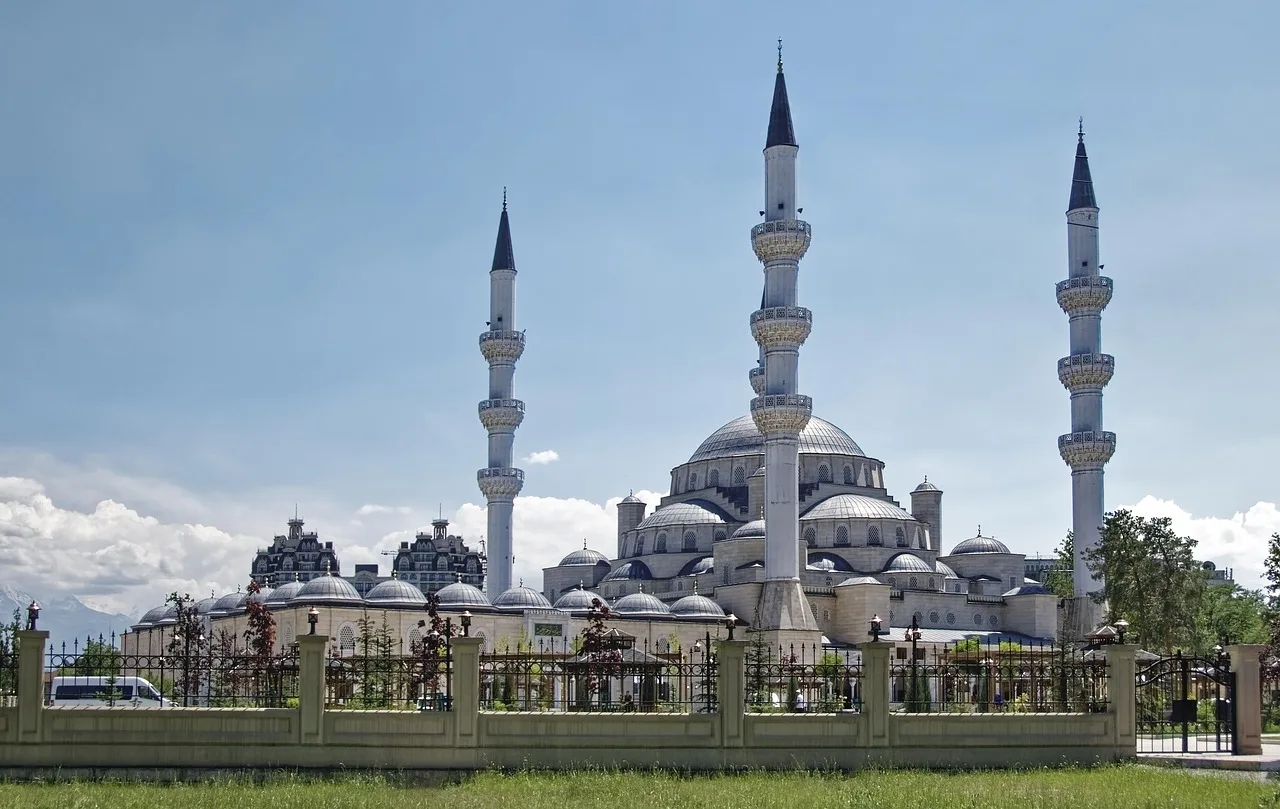

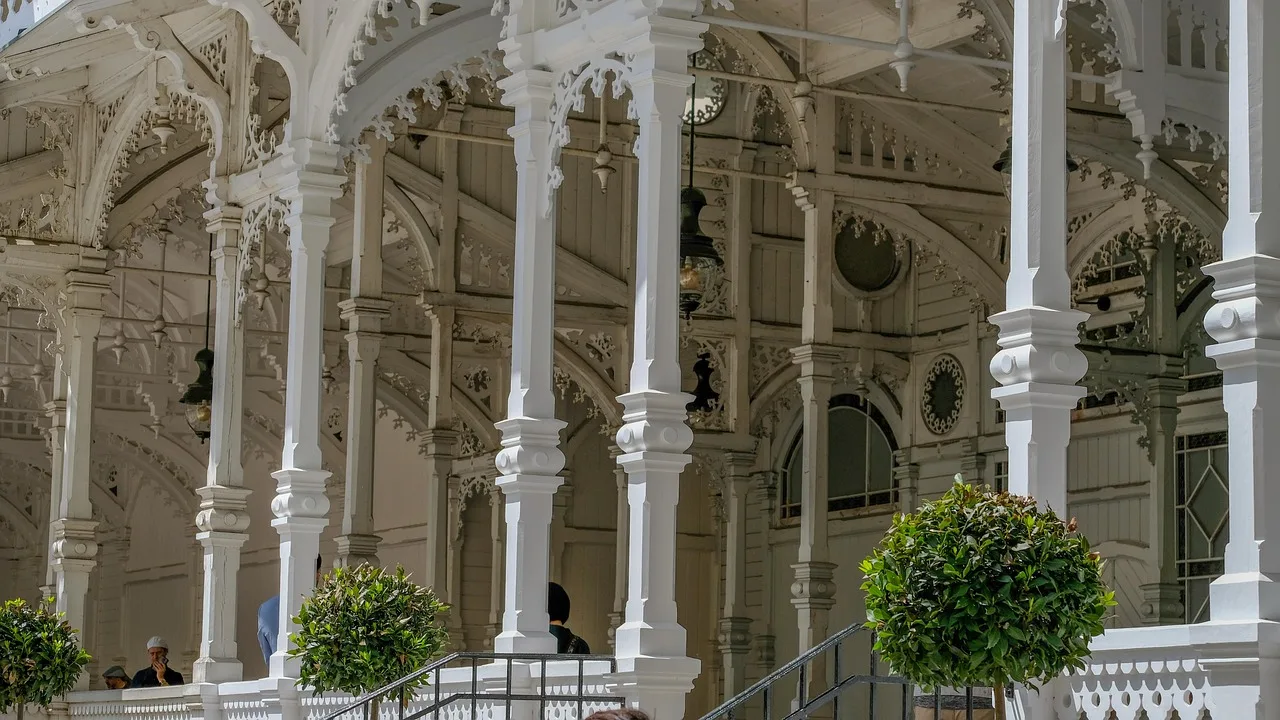

Çekim Tablosu
Belirtme (-i)merkezi
Yönelme (-e)merkeze
Bulunma (-de)merkezde
Çıkma (-den)merkezden
Tamlayan (-in)merkezin
Çoğul (-ler)merkezler
Tanım
•isim: Bir bölgenin veya kuruluşun yönetim yeri
•Bir işin öğretildiği yer
•Bir işin yoğun olarak yapıldığı yer
•Belirli bir yerin ortası; özek
•polis karakolu
•mecaz: Biçim, tarz
Diğer Dillerde
central office, headquarters
çekim: çoğul Zentralen · tamlayan Zentralen
Zentriert — & Merkez
Fransızcaépicentre (eril) /e.pi.sɑ̃tʁ/
epicentre
çekim: çoğul épicentres
eş: localisation
köken: From épi- + centre.
Centrer — & Merkez
İspanyolcaapostar, copa, coraje, corazón, emplazar, estación /aposˈtaɾ/
to bet
çekim: geçmiş aposté · ortaç apostado · şimdiki apuesta
eş: jugar
köken: Inherited from Vulgar Latin *appositāre, from Latin appositus.
aile: apostador, apostante, apuesta
Centro %1 — Merkez% 1
İtalyancacanale, cuore, cuori, emittente, fermata, nocciolo (eril) /kaˈna.le/
channel · canal · conduit
çekim: çoğul canali
eş: collettore, conduttura, fossato, fosso, scarico, tubatura
köken: Inherited from Latin canālem.
Al centro — & Merkez
Rusçaправление, центр; середина (nötr) /prɐˈvlʲenʲɪje/
governing, ruling (period of time when a monarch has been tooking his or her throne) · government, administration · board (committee), board of directors
çekim: çoğul правле́ния · tamlayan правле́ния
eş: управление, руководство, администрация, руководство
köken: пра́вить (právitʹ) + -е́ние (-énije)
aile: волостно́е правле́ние
Посередине — & Merkez
Arapçaإِذَاعَة, جَوْهَر, فُؤَاد, قلب, قَلْب, كُبَّا (eril) /qa.la.ba/
verbal noun of قَلَبَ (qalaba) (form I) · heart (organ) · heart (the symbolic seat of human emotion)
çekim: çoğul قُلُوب · tamlayan قَلْبٍ
köken: Derived from قَلَبَ (qalaba, “to turn”). Alternatively, from Proto-Semitic *libb- (“heart”), with the initial ق possibly being a phonological insertion to break a biconsonantal cluster and avoid *∅alb or *∅ulb, thus *lb → *∅alb → qalb. See also Arabic لُبّ (lubb), "core, heart, intellect", without q- as well.
& توسيط — & Merkez
قَلَبَ ٱلْمَوْضُوعَ رَأْساً عَلَى عَقِبٍ.
Farsçaدِل, مِهْر, مِهْرَبانی
subject future definite participle of dayanmaq
çekim: çoğul dayanacaqlar · tamlayan dayanacağın
köken: From dayan- (“to stand, stop”) + -acaq.
bus stop, station
çekim: çoğul аялдамалар · tamlayan аялдаманың
köken: аялдау (aäldau) + -ма (-ma). Coined by Kazakh writer and translator Islam Jarylgapov during 20th century.
Özbekçebekat, ostanovka, stantsiya, vokzal, yurak
heart
çekim: çoğul yuraklar · tamlayan yurakning
köken: Inherited from Chagatai یوراک (yüräk), from Proto-Turkic *yürek.
Tatarcaйөрәк
heart
köken: From Proto-Turkic *yürek (“heart”). Cognate with Old Turkic [script needed] (yüräk, “heart”), Shor чӱрек (“heart”), Yakut сүрэх (süreq, “heart”), etc.
Felemenkçehalte, hart, harten, posteren (dişil) /ˈɦɑl.tə/
stop (place to get on and off line buses or trams)
çekim: çoğul halten
eş: bushalte
köken: From French halte.
aile: halteren
Middelpunt %1 — Merkez% 1
amiability · kindness, kindliness
çekim: çoğul amabilidades
eş: afabilidade, atenção, cortesia, delicadeza, educação, gentileza
köken: Borrowed from Latin amābilitātem.
Centro% 1 — Merkez% 1
Yunancaκαρδιά, κούπα, στάθμευση, σταθμός, ψυχή (dişil) /karˈðʝa/
heart
çekim: çoğul καρδιές · tamlayan καρδιάς
köken: From Byzantine Greek, with synizesis to avoid hiatus, from Ancient Greek καρδία (kardía), from Proto-Indo-European *ḱḗr. Cognate with Italiot Greek cardia, Mariupol Greek кардъи́я (karðíja).
aile: καρδιοπάθεια, καρδιακή προσβολή, με όλη μου την καρδιά
Κέντρο% 1 — Merkez% 1
channel (specific radio frequency or band of frequencies)
köken: Borrowed from English channel.
中心 %1 — Merkez% 1
私のチャンネルへようこそ!
Çinceгалэбу, щин, 心臟 /心脏, 紅心 /红心, 紅桃 /红桃
健康中心 — Sağlık merkezi
mind, heart (i.e. one's emotions) · intention, will
eş: 심리, 감정
köken: First attested in the Yongbi eocheon'ga (龍飛御天歌 / 용비어천가), 1447, as Middle Korean ᄆᆞᅀᆞᆷ (Yale: mòzòm). Middle Korean /z/ implies an Old Korean */s/, hence the original form is Old Korean 心音 (*MOSOm).
aile: 마음가짐, 마음결, 마음껏, 마음놓다, 마음눈, 마음대로, 마음먹다, 마음보, 마음성, 마음속
미국/ 중부 — US/ Merkez
마음에 들다
그는 착한 마음을 가지고 있다.
그는 사과할 마음이 없었다.
İsveççehjärta, hjärter, pudelns kärna (nötr) /²jɛrta/
heart
çekim: çoğul hjärtan · tamlayan hjärtas
köken: From Old Swedish hiærta, from Old Norse hjarta, from Proto-Germanic *hertô, from Proto-Indo-European *ḱḗr (“heart”). Compare English heart, German Herz, Dutch hart, Icelandic, Faroese and Norwegian Nynorsk hjarta, Danish and Norwegian Bokmål hjerte.
aile: helhjärtad, hjärt-kärlsjukdom, hjärt-lungmaskin, hjärtansfröjd, hjärtanskär, hjärtarytmi, hjärtattack, hjärtbarn, hjärtbesvär, hjärtblad
Centrum% 1 — Merkez% 1
Lehçebaza, czerwień, dworzec, kier, przystanek, serce (dişil) /ˈba.za/
base, basis (foundation or location) · basis (linearly independent set of vectors spanning the whole vector space) · base (set of sets from which a topology is derived)
çekim: çoğul bazy · tamlayan bazy
eş: fort
köken: Etymology tree Proto-Indo-European *gʷem- Proto-Indo-European *-tis Proto-Indo-European *gʷémtis Proto-Hellenic *gʷə́tis Ancient Greek βᾰ́σῐς (bắsĭs)bor. Latin basis Old French base French basebor. Polish baza Borrowed from French base. First attested in 1683.
& Wyśrodkuj — & Merkez
Ukraynacaдвіре́ць, дворе́ць, зупи́нка, се́рце, ста́нція
Центр% 1 — Merkez% 1
a place or an area serving a particular purpose · working place or site · stall (vendors')
çekim: çoğul अड्डे
köken: Borrowed from Northwestern Indo-Aryan, whence Punjabi ਅੱਡਾ (aḍḍā, “place, stand”), or equivalently inherited from the same Prakrit source without cluster simplification. Ultimately related to Proto-New Indo-Aryan *अड्डइ (aḍḍaï, “to obstruct, stop”), from Dravidian, whence Tamil அடை (aṭai). Doublet of आड़ (āṛ) and related to अड़ना (aṛnā). Cognate with Marathi अड्डा (aḍḍā).
aile: अड्डा जमाना, हवाई अड्डा
बदमाशों का अड्डा
बस अड्डा
विमान अड्डा
position, state, situation (status with regard to conditions and circumstances) · status (person’s position or standing relative to that of others) · station (stopping place for transportation, especially ground transportation or air transportation)
çekim: çoğul asemat · tamlayan aseman
köken: From Proto-Finnic *asën ~ *asëma, equivalent to asea (“to place”) (obsolete) + -ma
aile: asemasta, asemo, asemoida, ala-asema, ammattiasema, arvoasema, asema-alue, asema-arvo, asema-aukio, asemaenergia
Keskitä% 1 — Merkez% 1
Olen sellaisessa asemassa, että en voi kritisoida presidenttiä julkisesti.
Upseerin rouvalla on kunnioitettu asema varuskuntakaupungissa.
rautatieasema
Çekçenádraží, srdce, srdíčkovat, stanice, základna, zastávka (nötr) /ˈnaːdraʒiː/
station, railway station
çekim: çoğul nádražím
köken: From na- + dráha + -í.
Střed% 1 — Merkez% 1
centre
çekim: çoğul centre · tamlayan centrului
köken: Borrowed from French centre, Latin centrum.
centimetru — & Merkez
station (a regular stopping place for ground transportation)
çekim: çoğul állomások
köken: From áll (“to stand”) + -o- (linking vowel) + -más (noun-forming suffix).
aile: állomási, állomásnyi, állomásol, állomásozik, állomású, autóbusz-állomás, buszállomás, metróállomás, űrállomás, vasútállomás
középre — & Merkez
heart (a muscular organ that pumps blood through the body, traditionally thought to be the seat of emotion) · heart (the figurative seat of emotions, especially love) · heart, core, center (the deepest, most central part of something)
çekim: çoğul לְבָבוֹת
köken: From Proto-Semitic *libb-. Cognate with Aramaic לִבָּא (libbā), Arabic لُبّ (lubb), Amharic ልብ (ləbb).
aile: אומץ לב, אחד בפה ואחד בלב, בלב ולב, בלב ונפש, בלב כבד, בלב שלם, גילוי לב, דיבר על ליבו, הקשה את ליבו, הֶתְקֵף לֵב
מרכז — & Merkez
לִבִּי בְמִזְרָח וְאָנֹכִי בְּסוֹף מַעֲרָב
לב שבור הוא לב שלם
heart · soul, mind
çekim: çoğul corda · tamlayan cordis
köken: Inherited from Proto-Italic *kord, from Proto-Indo-European *ḱḗr ~ *ḱr̥d- (“heart”). Cognate with Ancient Greek κῆρ (kêr), κᾰρδῐ́ᾱ (kărdĭ́ā), Gothic 𐌷𐌰𐌹𐍂𐍄𐍉 (hairtō), Old English heorte (English heart), Sanskrit हृद॑य (hṛ́daya), Hittite 𒆠𒅕 (kir), Old Church Slavonic срьдьце (srĭdĭce).
aile: concordia, concorditās, concordō, concors, corculum, cordātus, cordolium, discordia, discorditās, discordō
Dancahjerte, hjerter, tv-station /jɛrtə/
heart
çekim: çoğul hjerter · tamlayan hjertes
köken: From Old Danish hiærtæ, hiartæ, from Old Norse hjarta, from Proto-Germanic *hertô, from Proto-Indo-European *ḱḗr (“heart”).
aile: barnehjerte, halvhjertet, helhjertet, hjertearytmi, hjertebanken, hjertedød, hjerteflimmer, hjerteforkalkning, hjertekirurg, hjerteklap
Midten — & Merkez
Etimoloji
Osmanlı Türkçesi مركز, Arapça مَرْكَز (markez).
Deyimler
merkeze alınmak
merkeze almak
Kelime Ailesi
ağırlık merkezi
alışveriş merkezi
deprem merkezi
eş merkezli
gün merkezli
hükûmet merkezi
iletişim merkezi
merkez açı
merkez ilçe
merkez parti
merkez üs
merkez valisi
merkezkaç
moral eğitim merkezi
yer merkezli
dış merkezli
etkinlik merkezi
haber merkezi
Eş & Zıt Anlamlılar
Eş anlamlılar
Örnek Cümleler
& Merkez
Position
Merkez% 1
Center %1
merkez SA:
center RA:
merkez DA:
center Dec:
US/ Merkez
US/ Central
Merkez & X:
Center & X:
Merkez & Y:
Center & Y:
SMS Merkezi
SMS Center
Merkez ofis
Head office
Spor merkezi
Sports centre
Merkez Saati
Central Time
Merkez Kırım
central Crimea
İlgili Sorular
İlgili / Bileşik Terimler
Genelcentral bank
Birleşik Kelimeler
merkez açımerkez ilçemerkezkaçmerkez partimerkez üsmerkez valisiiç merkezağırlık merkezialışveriş merkezideprem merkezietkinlik merkezihaber merkezihükûmet merkeziiletişim merkeziindirim merkeziiş merkezikâr merkezikonuşma merkezikültür merkezimükemmeliyet merkezimoral eğitim merkeziordu merkezisağlık merkezisatış merkezitam bakım merkeziticaret merkeziyerleşim merkezidış merkezlieş merkezligün merkezliyer merkezli