yukarıya
B2 seviye
TR → EN
"yukarıya" kelimesinin İngilizcesi: up, upstairs. Anlamı, çevirisi, telaffuzu ve örnek cümleler aşağıdadır.
Çeviri
Genelup
Genelupstairs
Görsel
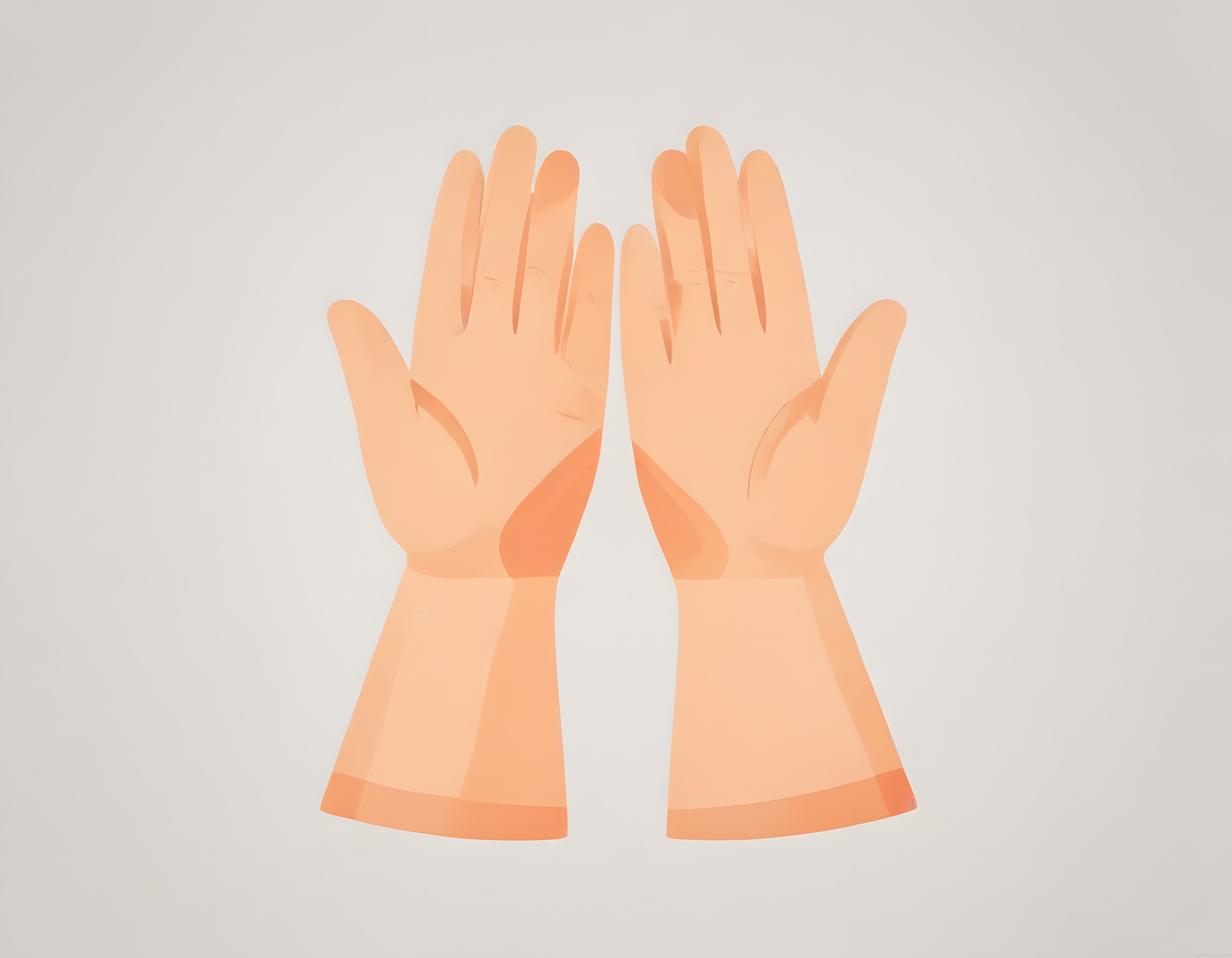
Tanım
•위로.
•вверх, наверх
Diğer Dillerde
inflection of all (“all”) · inflection of all (“all”): · nominative/accusative plural
eş: ausgegangen, aufgebraucht, verbraucht, aus, gar
köken: Derived from Old Prussian Alna, from alna (“to flow”).
Nach oben verschieben — Yukarıya taşı
Links den roten Blitz / Rechts den schwarzen Stern / Alle gegen alle
Fransızcaà l'étage, au garde-à-vous, debout, en haut, en marche, haut /a l‿e.taʒ/
upstairs
Vers le haut — Yukarıya taşı
İspanyolcaacabado, arriba, asuso, en marcha, en pie, hacia arriba /akaˈbado/
worn-out · finished · moneyless; out of money; having no (or very little) money; poor
çekim: çoğul acabados
köken: Past participle of acabar.
aile: inacabado
Subir — Yukarıya Taşı
Estoy acabado, ¿me prestas diez dólares?
Rusçaвверх, наверх
Двигать — Yukarıya taşı
Arapçaفَوْق, فَوْقَ, لِأَعْلَى
نقل — Yukarıya taşı
up, upwards
çekim: karşılaştırma بالاتَر · üstünlük بالاتَرین
zıt: پایین
köken: From Middle Persian [Term?] (/bālā/), from Proto-Iranian *bārźаh- (via a series of sound changes *rź > *rd > l) + a suffix *-ā of unknown origin. The first component is derived from Proto-Iranian *barź- (“to elevate, increase (height)”), from Proto-Indo-European *bʰerǵʰ- (“to rise up”).
aile: بالا آمدن, بالا آوردن, بالا بردن, بالا جستن, بالا رفتن, بالا زدن, بالا کردن, بالا کشیدن, بالا گرفتن
با چنان چشمی که بالا میشتافت نور چشمش آسمان را میشکافت
Azericeyuxarı, yuxarıya
up, upwards, upstairs · higher, above, higher up · more than, longer than
çekim: karşılaştırma daha yuxarı · üstünlük ən yuxarı
zıt: aşağı
köken: From Old Anatolian Turkish یوقارو (yuqaru), from Proto-Common Turkic *yok-karï (“upper; upward”), from Proto-Turkic *yok.
yuxarı qalxmaq
yuxarıdan aşağı baxmaq
bir sətir yuxarı
Felemenkçeaan, aan de beurt, bereid, beschikbaar, boven, functioneel /aːn/
on (positioned at the outer surface of; attached to) · at, on (near; adjacent to; alongside; just off) · to, indicates the target or recipient of an action
köken: From Middle Dutch āne, from Old Dutch ana, from Proto-West Germanic *ana, from Proto-Germanic *ana.
aile: aan de drank, aan de gang, aan de slag, aan den lijve, aan het, aan het kortste eind trekken, aan kop, aanbreken, aandacht, aandeel
Omhoog verplaatsen — Yukarıya Taşı
Het schilderij hangt aan de muur.
aan tafel
aan de kust
Portekizce(para) cima, a par, acima, acordado, adiante, alto
up (informed about)
eş: ao par
Subir — Yukarıya Taşı
Yunancaπάνω
above, on, up, upstairs
köken: From Ancient Greek ἐπάνω (epánō).
aile: αποπάνω, πάνω από το πτώμα μου, πάνω κάτω, παραπάνω
Μετακίνηση πάνω — Yukarıya taşı
ο πάνω όροφος
Μη βάζεις τα πόδια σου πάνω στο τραπέζι!
Το γραφείο του βρίσκεται ένα όροφο πάνω/από πάνω από το δικό μου.
Korece위로 /ɥiɾo̞/
consolation, comfort, solace
eş: 위안
köken: Sino-Korean word from 慰勞
위로 이동 — Yukarıya taşı
fore-, pre-, before; related to German vor-, emphasis on 1st syllable, see also före- · en-, up, be-, an intensifier; related to German ver-, emphasis on 2nd syllable
köken: From Old Norse for-, fyr-, fir-, Proto-Germanic *fra-, from Proto-Indo-European *pro- (“before, in front of”).
Flytta upp — Yukarıya Taşı
förort
förfader
förhud
w kierunku pionowym do ziemi, ponad powierzchnię
eş: w górę
Przesuń do góry — Yukarıya taşı
Ukraynacaвгорі́, вго́ру, ве́рхній по́верх, догори́, нагорі́, наго́ру наве́рх
Пересунути вгору — Yukarıya taşı
Hintçeऊपर /uː.pəɾ/
on top of, upon · above · preceding (of text)
zıt: नीचे
köken: Etymology tree Proto-Indo-European *úp Proto-Indo-European *-er Proto-Indo-European *upéri Proto-Indo-Iranian *upári Sanskrit उ॒परि॑ (upári) Apabhramsa उप्परि (uppari) Hindi ऊपर Inherited from Apabhramsa उप्परि (uppari), from Sanskrit उ॒परि॑ (upári), from Proto-Indo-Iranian *upári, from Proto-Indo-European *upéri, from *úp + *-er. Cognate with Assamese ওপৰ (üpor).
aile: के ऊपर
Finceajan tasalla, hereillä, iloinen, kasvattaa, korkeammaksi, korkeampana
up to date, updated, posted
köken: ajan (“of the time”) + tasalla (“at the level”)
aile: ajantasainen
Siirrä ylemmäs — Yukarıya Taşı
Tässä kaikki uutiset, mutta pidän teidät ajan tasalla tilanteen kehityksestä.
up (in a higher position) · up (on top of something) · on top
zıt: dole
köken: From na + hora + -e.
Přesunout nahoru — Yukarıya taşı
Rumencesus
Mută sus — Yukarıya taşı
upstairs, upper, floor
köken: emelet (“floor, storey”) + -i (adjective-forming suffix)
Felfelé — Yukarıya taşı
az emeleti ablak
a harmadik emeleti lakó
a második emeleti könyvtár
up, upward · up there, above, upstairs · above, aforementioned (referring to text that came before)
zıt: לְמַטָּה
köken: From לְ־ (l'-) + מַעְלָה (mála)
הזז — Yukarıya taşı
למעלה מ־2,000 מפגינים
Used in compounds to indicate a being or bringing together of several objects · Used in compounds to indicate the completeness, perfecting of any act, and thus gives intensity to the signification of the simple word
köken: Etymology tree Proto-Indo-European *ḱe? Proto-Indo-European *ḱóm Proto-Italic *kom Proto-Italic *kom- Latin con- Inherited from Proto-Italic *kom-. Related to the preposition cum (“with”).
coeō, colloquor, convīvor, etc.: colligō, compōnō, condō, etc.
commaculō, commendō, concitō, comminuō, concerpō, concīdō, convellō, etc.
to promote (someone) · to appoint (to a finer position or use)
çekim: geçmiş forfremmede · ortaç forfremmet · ulaç forfremmende
köken: for- + fremme, maybe from Old Swedish forfrämia.
aile: forfremmelse
Flyt op — Yukarıya taşı
Norveççehøyne, i tur, klar, med ... opp, øke, opp
Fyll (bunn til topp) — Doldur (aşağıdan yukarıya)
Endonezcelantai atas
Pindah ke Atas — Yukarıya Taşı
Vietnamcalên /len˧˧/
to go up, come up, rise · to be or reach a certain age · to get on (a vehicle)
köken: From Proto-Vietic *leːɲ, from Proto-Mon-Khmer *luŋ ~ *luəŋ ~ *ləŋ (“above, on”) (reconstruction in Shorto, 2006); related to trên. Cognate with Muong liênh, Chut [Rục] liːŋ¹, Samre liɲ ("to go up; on"), Khmer ឡើង (laəng), Semelai leŋ ("upwards, upstream"), Juang aliŋ-ta ("above, from above, on; up, upon"), Korku liɲ ("up, above"). Note that the reconstruction by Ferlus (2007) is inaccurate at…
aile: cố lên, lên án, lên bảng đếm số, lên bờ xuống ruộng, lên cơn, lên đỉnh, lên đô, lên giọng, lên hương, lên lịch
Chuyển — Yukarıya taşı
thẻ lên máy bay
lên xe
lên thành phố
Bulgarcaгоре, на горния етаж, наго́ре /ˈɡɔrɛ/
up (as a direction) · high up (as a position) · above
zıt: до́лу
köken: From the fossilized locative or dative singular of Proto-Slavic *gorà (“mountain”, literally “to/on the mountain”); compare гора́ (gorá, “mountain”, archaic). Stress shift onto the stem is expected in the locative singular but not the dative singular. However, the parallelism with до́лу (dólu, “down”) (which is definitely derived from a dative singular) suggests that this term, too, may derive…
aile: го́рен, наго́ре
Преместване нагоре — Yukarıya taşı
Örnek Cümleler
Yukarıya taşı
Move up
Yukarıya bakın.
See above.
Yukarıya bakma.
Don't look up.
Yukarıya & Taşı
Move & Up
En Yukarıya Git
Go to Top of Tree
Yukarıya Hizala
Align Top
Yukarıya OkName
CImg Image Restoration Filter
Yukarıya baktım.
I looked up.
En Yukarıya Taşı
Move to the Top
O yukarıya baktı.
She looked up.
Aşağıdan Yukarıya
Bottom to Top
O, yukarıya baktı.
He looked up.
İlgili Sorular
Neden sıvılarda kaldırma kuvveti yukarıya doğru olur?
Nefes alırken diyaframın konumu aşağıya mı yoksa yukarıya mı değişir?
Dik bir delik açıp aşağıya doğru kazdığımda, yukarıya çıkmak için hangi yöne dönmeliyim?
Kendinizi bir altatomik parçacığın üzerine ayakta durabilecek kadar küçültseydiniz, yukarıya baktığınızda neler görürdünüz?
Bir altatomik parçacığın üzerine ayakta durabilecek kadar minik olsanız, yukarıya bakınca neler görebilirdiniz?