Sözlük
/taslak
taslak
/tasˈɫak/
noun
C2 seviye
TR → EN
"taslak" kelimesinin İngilizcesi: draft, design, egg, outline, plan. Anlamı, çevirisi, telaffuzu ve örnek cümleler aşağıdadır.
Çeviri
Geneldraftnoun
Geneldesign
Genelegg
Geneloutline
Genelplan
Genelroughcast
Genelscroll
Genelskeleton
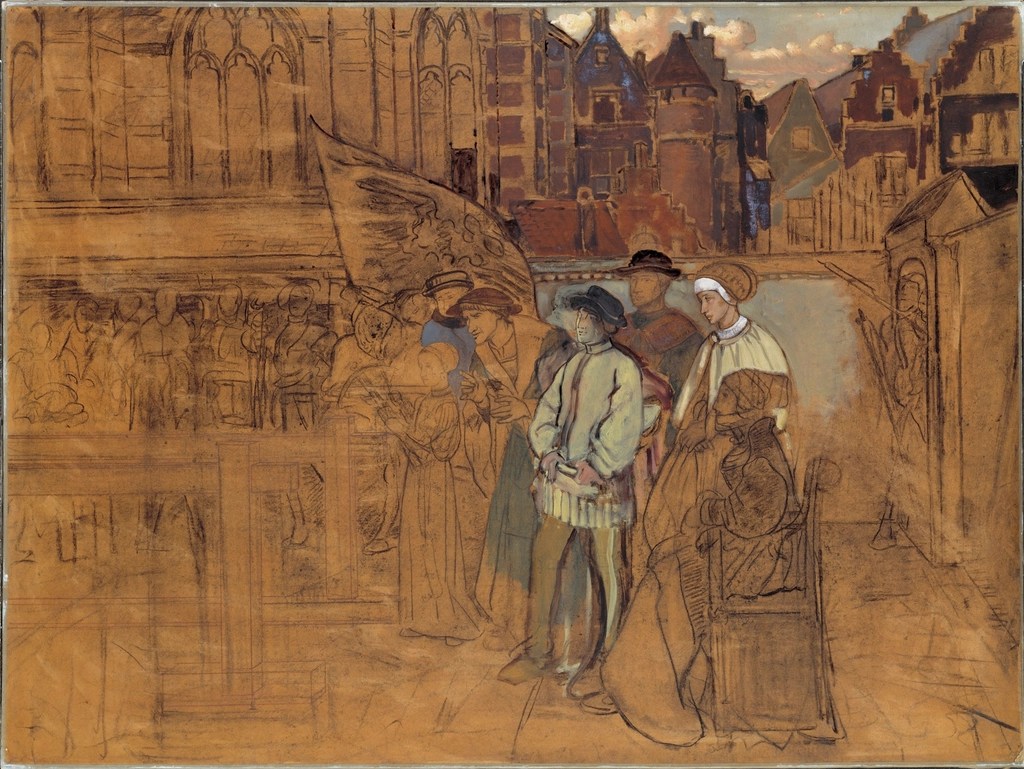
Genelsketch
Genelconspectus
Görsel
Çekim Tablosu
Belirtme (-i)taslağı
Yönelme (-e)taslağa
Bulunma (-de)taslakta
Çıkma (-den)taslaktan
Tamlayan (-in)taslağın
Çoğul (-ler)taslaklar
Tanım
•isim: Bir şeyi, bir sanat veya edebiyat eserini ana çizgileriyle, türlü bölümleriyle belirten ön çalışma
•eskiz
•mecaz: Bazı isim tamlamalarında isim tamlamasının ikinci ögesi olarak “usta olmadığı hâlde kendini ustaymış gibi göstermeye çalışan kimse” anlamında kullanılır: şair taslağı, yazar taslağı vb
Diğer Dillerde
blueprint, draft · concept (something understood, and retained in the mind)
çekim: çoğul Konzepte · tamlayan Konzeptes
aile: aus dem Konzept bringen, konzeptuell
Lokaler Entwurf — Yerel Taslak
Personne trans qui n’a pas encore pris conscience de son besoin de transitionner.
Brouillon local — Yerel Taslak
Huevecillos comestibles de un insecto acuático.
Borrador local — Yerel Taslak
İtalyancaarchitettare, avere in animo, inventare, organizzarsi, pianificare, piano /ar.ki.tetˈta.re/
to architect, to design, to plan (a building) · to conceive, to design · to devise
çekim: geçmiş architettàto · ortaç architettàto · şimdiki architétta · ulaç architettànte
eş: ideare, progettare, inventare, creare, costruire, concepire
köken: Borrowed from Latin architectārī, from architectus (“architect”).
Bozza locale — Yerel Taslak
Rusçaзаплани́ровать, намерева́ться, план, плани́ровать, разраба́тывать, разрабо́тать /pɫan/
plan (set of intended actions), scheme · draft, plan, scheme, contrivance, road map · target, figure
çekim: çoğul пла́ны · tamlayan пла́на
eş: чертёж, карта, схема, рисунок, проекция, проект
köken: Borrowed from French plan from Latin planus, possibly via Polish plan or German Plan.
aile: промфинпла́н
Черновик локально — Yerel Taslak
eggs · helmets
çekim: çoğul بُيُوض · tamlayan بَيْضٍ
köken: Cognate with Hebrew בֵּיצָה (bēṣā) and Classical Syriac ܒܝܥܬܐ (bēʿṯā).
جودة المسودة — Taslak Kalite
Farsçaپِلان, پْلان, تُخْم, تُخْمِ مُرْغ, تَدْبیر, طَرْح
project
çekim: çoğul layihələr · tamlayan layihənin
köken: Borrowed from Arabic لَائِحَة (lāʔiḥa). A semantic development into project sense is unclear.
Kazakçaжоспар, жұмыртқа
plan, schedule
çekim: çoğul жоспарлар · tamlayan жоспардың
aile: жоспарлау, жоспарлаушы
Özbekçeloyiha, reja, tuxum
Tatarcaйомырка
Felemenkçeei, ontwerp, ontwerpen, plannen, schema, van plan zijn (nötr) /ɛi̯/
betekenissen geordend van meest gangbaar naar meest omvattend
çekim: çoğul eieren
eş: eicel
köken: From Middle Dutch ei, from Old Dutch *ei, from Proto-West Germanic *aij, from Proto-Germanic *ajją, from Proto-Indo-European *h₂ōwyóm.
aile: blij ei, de kip met de gouden eieren slachten, een appel en een ei, eendenei, ei van Columbus, eicel, eidooier, eierbal, eierdop, eieren voor zijn geld kiezen
Conceptkwaliteit — Taslak Kalite
Ik heb een ei gebakken voor het ontbijt.
Pasen is een feest waarbij veel eieren worden geschilderd.
In deze doos zitten twaalf eieren.
Portekizcegalo, inchaço, jogar ovos em, oval, ovo, planejar (eril) /ˈɡa.lu/
rooster (male of the domestic chicken) · egg (a swelling on the forehead, resulting from a blow) · any fish of the order Zeiformes
çekim: çoğul galos
köken: Etymology tree Latin gallus Old Galician-Portuguese galo Portuguese galo Inherited from Old Galician-Portuguese galo, from Latin gallus (“rooster”).
aile: cantar de galo, cozinhar o galo, galinho, galo de briga, galo de rinha, galo do mato, galo doido, galo-bandeira, galo-da-índia, galo-da-rocha
Rascunho Local — Yerel Taslak
Yunancaαβγό, παίρνω με τ' αβγά, προτρέπω, σχεδιάζω, σχέδιο /aˈvɣo/
egg (spherical or ellipsoidal body produced by birds, reptiles, insects and other animals, housing the embryo during its development) · egg (of a hen, used as food) · egg (anything shaped like an egg)
çekim: çoğul αβγά · tamlayan αβγού
köken: Back-formation from the plural αβγά (avgá), itself extracted from ταβγά (tavgá, “the eggs”), a regular phonological development of Ancient Greek τά ᾠά (tá ōiá): :τά ᾠά /ta.oˈa/ → *τα ωγά /ta.oˈɣa/ → [tawγá] /tau̯ˈɣa/ → ταβγά /tavˈɣa/. Ultimately from Proto-Indo-European *h₂ōwyóm via Proto-Hellenic *ōyyón.
aile: αβγό μάτι, αβγό ποσέ, αβγοειδής, αβγοθήκη, αβγολέμονο, αβγοτάραχο, αβγότσουφλο, αβγουλάκι, αβγουλάς, αβγουλατός
Ποιότητα προχείρου — Taslak Kalite
Το αβγό της χελώνας είναι μικρό και ολοστρόγγυλο.
Για να φτιάξεις μπισκότα χρειάζεσαι αβγά, αλεύρι και βούτυρο.
Το Πάσχα στην Ευρώπη τρώνε σοκολατένια αβγά.
plan, a set of intended actions · plan, diagram, drawing, blueprint
köken: Borrowed from English plan.
ドラフト品質 — Taslak Kalite
ovum; egg
尼日尔-刚果语系 — Şablon:Kongo Cumhuriyeti-taslak
chicken egg
köken: Sino-Korean word from 鷄卵, from 鷄 (“chicken”) + 卵 (“egg”)
aile: 계란 껍질, 계란 후라이, 계란말이, 계란빵, 계란찜, 계란판, 날계란, 삶은계란
저품질 — Taslak Kalite
İsveççeägg, planera, projektera (nötr) /ɛɡː/
an egg (approximately spherical or ellipsoidal body produced by birds, snakes, insects and other animals housing the embryo during its development) · egg (the contents of one or more (hen's usually) eggs used as a food) · an egg (something resembling an egg)
çekim: çoğul äggs · tamlayan äggs
köken: From Old Swedish æg, from Old Norse egg, from Proto-Germanic *ajją, from Proto-Indo-European *h₂ōwyóm.
Lokalt utkast — Yerel Taslak
koka ägg
knäcka ett ägg
skala ett ägg
Lehçeabrys, jajko, jajo, nosić się z myślą, nosić się z zamiarem, obmyślać (eril) /ˈa.brɘs/
plan, design, outline · sketch, drawing · image
çekim: çoğul abrysy · tamlayan abrysu
köken: Etymology tree German Abrissbor. Polish abrys Borrowed from German Abriss. First attested in 1636.
aile: abrysowy, abrysować
Lokalna wersja robocza — Yerel Taslak
Ukraynacaкре́слення, планува́ти, спланува́ти, яйце́
Локальна чернетка — Yerel Taslak
Hintçeअंड, अंडा, डिंब, तदबीर, नक़्शा, प्रोग्राम (eril) /əɳɖ/
the castor oil plant, Ricinus communis
çekim: çoğul अंडों
köken: Reduction or variant of आँड़ (ā̃ṛ, “castor-oil tree”), from Prakrit आमंड (āmaṃḍa), from Sanskrit आमण्ड (āmaṇḍa), from Dravidian. Compare Tamil ஆமண்டம் (āmaṇṭam), அமண்டலம் (amaṇṭalam), Tulu ಅಳಂಬುಡ್ (aḷambuḍŭ), ಅಳಂಬುದ (aḷambuda). Doublet of अरंड (araṇḍ), एरंड (eraṇḍ), रंड (raṇḍ), and रेंड़ (rẽṛ).
aile: अंडी
Finceaikoa, heittää kananmunilla, kaava, kaavailla, kaavapiirros, kananmuna /ˈɑi̯koɑˣ/
to plan to do, intend to do, aim to do; to be going to do, will do · to plan to be, intend to be, aim to be, strive to be
çekim: geçmiş aikonut · şimdiki aikoo · ulaç aikova
eş: suunnitella, meinata
köken: From Proto-Finnic *aikoidak, equivalent to aika (“time”) + -oa.
aile: aie, aikoja, aikominen, aikomus
Vedoslaatu — Taslak Kalite
Aion lääkäriksi.
Çekçeboule, naplánovat, plán, plánovat, půdorys, vejce (dişil) /ˈbou̯lɛ/
bulge, protuberance · bump, swelling
çekim: çoğul boulí · tamlayan boulí
eş: zduřenina, opuchlina, bakule, mulda, vlna
köken: Inherited from Old Czech búla, from Proto-Slavic *bula. First attested in the 16th century.
Kvalita konceptu — Taslak Kalite
bump, swelling (such as that from being hit hard on the head) · crest, bunch of feathers on a bird's head · top, summit
çekim: çoğul cucuie · tamlayan cucuiului
köken: Inherited from Vulgar Latin root *cucullium, from Latin cucullum.
Calitate brută — Taslak Kalite
Macarcaterv, tervez, tervrajz, tojás, tojásdad /ˈtɛrv/
plan (set of intended actions)
çekim: çoğul tervek
köken: From the ter- stem of the verbs terít (“to arrange; to spread out”, transitive), terjed (“to spread out”, intransitive) + -v (noun-forming suffix, extrapolated based on nouns ending in -v, such as nyelv, elv). Created during the Hungarian language reform, which took place in the 18th–19th centuries. For similar derivation, compare szerv, élv, érv.
aile: tervel, tervez, tervszerű, akcióterv, költségterv, látványterv, tanterv, tervrajz
alacsony minsőség — Taslak Kalite
İbraniceבֵּיצָה, יזם, תוכנית \ תָּכְנִית, תִּכְנֵן
to take the initiative
çekim: geçmiş יָזַמְתָּ
köken: Back-formation from יָזְמוּ (yāzəmū, “they plan, devise”) in he:T:5b by falsely interpreting the form to be in the perfect. Thus ultimately derived from the root ז־מ־ם (z-m-m, “forming words related to devising, planing.”)
איכות טיוטה — Taslak Kalite
Latincecōnsilium, ōvum
Dancaæg, ægge, æggeformet, planlægge /ɛːˀɡ/
edge of a blade
çekim: çoğul æggene · tamlayan ægs
köken: From Old Norse egg n (“egg”), from Proto-Germanic *ajją, cognate with Norwegian egg, Swedish ägg, German Ei (English egg is a loan from Old Norse). The Germanic noun derives from Proto-Indo-European *h₂ōwyóm (“egg”), cf Latin ōvum, Ancient Greek ᾠόν (ōión), and Polish jajo.
Lokalt udkast — Yerel Taslak
Etimoloji
Inherited from Ottoman Turkish طاسلاق (“raw, gross”). By surface analysis, tasla- + -ak.
Eş & Zıt Anlamlılar
Eş anlamlılar
Örnek Cümleler
Yerel Taslak
Local Draft
Taslak Kalite
Draft Quality
Taslak sürüm.
Draft version.
300 DPI Taslak
300 DPI Draft
Taslaklar dizini:
& Drafts folder:
Taslak olarak Kaydet
Save as & Draft
360 x 240 DPI Taslak
360 x 240 DPI Draft
360 x 180 DPI Taslak
360 x 180 DPI Draft
& Taslak Olarak Sakla
Save as & Draft
Burada bir taslak var.
There's a draught in here.
180 DPI Ekonomi Taslak
180 DPI Economy Draft
Renkli (Taslak Kalite)
Color (Draft Quality)
İlgili Sorular
İlgili / Bileşik Terimler
Genelsketchbook
Birleşik Kelimeler