Sözlük
/sis
sis
"sis" kelimesinin İngilizcesi: fog, skewer, swelled, swollen, tumor. Anlamı, çevirisi, telaffuzu ve örnek cümleler aşağıdadır.
Çeviri
Genelfognoun
Genelskewernoun
Genelswelledadj
Genelswollenadj
Geneltumornoun
Genelneoplasmnoun
Genelbroach
Geneltumefy
Genelprotuberant
Genelnode
Genelbulge
Geneltumor , ing. tumour
Genelgathering
Genellump
Genelturgid
Genelbump
Genelspit
Genelfog
Genelfog
Genelpike
Genelskewer
Genelspear
Genelspit
Genelpike
Genelskewer
Genelspear
Genelskewer
Genelpike
Genelfog
Genelspit
Genelspear
Genelpike
Genelfog
Genelskewer
Genelspear
Genelspit
Genelspit
Genelfog
Genelpike
Genelskewer
Genelspear
Genelspit
Genelfog
Genelpike
Genelskewer
Genelspear
Genelspit
Genelfog
Genelpike
Genelskewer
Genelspear
Genelknitting needle
Genelknitting needle
Genelknitting needle
Genelknitting needle
Genelknitting needle
Genelknitting needle
Genelknitting needle
Görsel


Çekim Tablosu
Belirtme (-i)sisi
Yönelme (-e)sise
Bulunma (-de)siste
Çıkma (-den)sisten
Tamlayan (-in)sisin
Çoğul (-ler)sisler
Tanım
•isim: Şişmiş olan yer; şişlik (I)
•sıfat: Şişmiş, şişkin
•isim: Bir ucu sivri, demir veya ağaçtan, bazen silah gibi kullanılabilen ince uzun çubuk
•Bu çubuğa veya şişe geçirilerek pişirilmiş olan et
•Örgü örmekte kullanılan, metal, ağaç, kemik vb.nden yapılan uzun çubuk
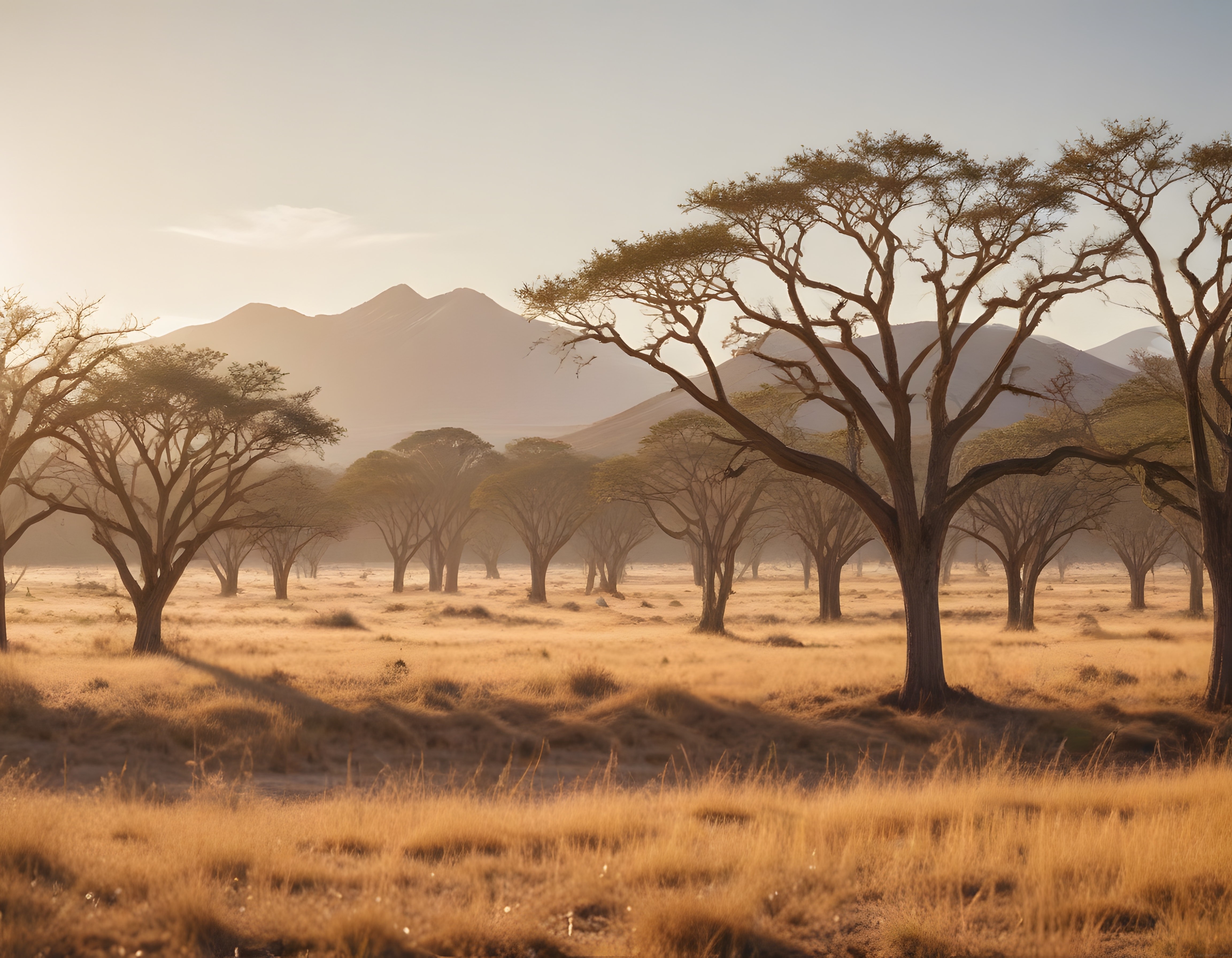
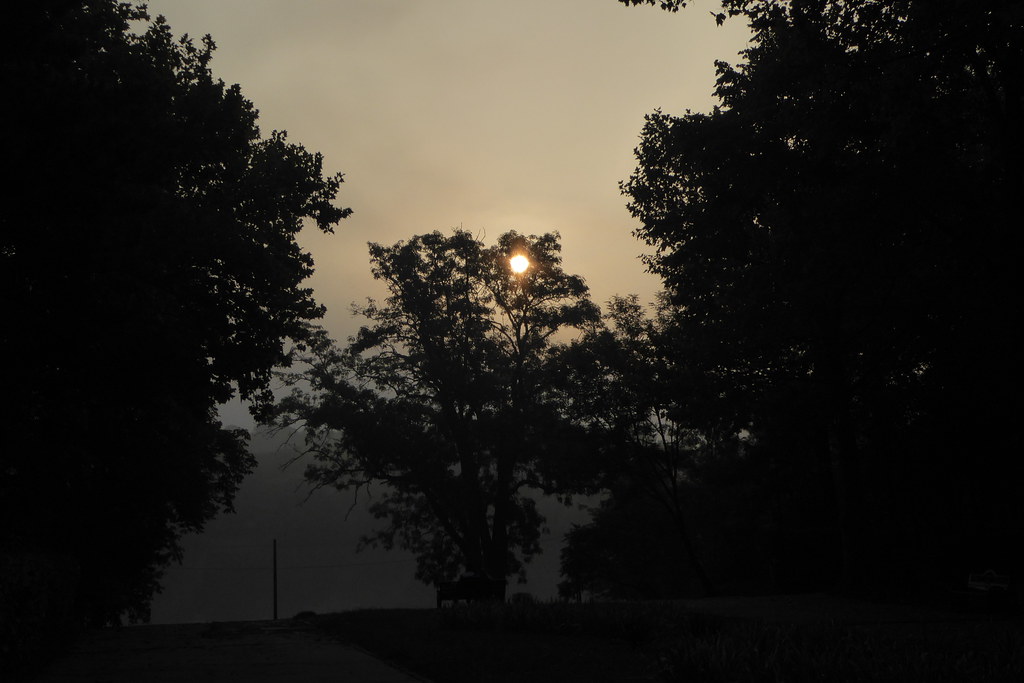
•isim, coğrafya: Atmosferdeki su buharının yeryüzüne yakın yerlerde yoğuşmasıyla oluşan alçak bulut tabakası
Diğer Dillerde
AlmancaNebel, spiess, Spieß, stricknadel, Stricknadel (eril) /ˈneːbəl/
fog, mist, haze · nebula
çekim: çoğul Nebeln · tamlayan Nebels
eş: Bodenwolke, Stratus, Gaswolke, Raumwolke, Sternwolke
köken: From Middle High German nëbel, from Old High German nëbul, from Proto-Germanic *nebulaz, from Proto-Indo-European *nébʰos (whence also Proto-Balto-Slavic *nébas, Proto-Indo-Iranian *nábʰas, Ancient Greek νεφέλη (nephélē, “cloud, mist”), Latin nebula (“mist, fog”)). More at English nuel.
aile: Abkühlungsnebel, bei Nacht und Nebel, Bergnebel, Berührungsnebel, Bodennebel, Dampfnebel, Eisnebel, Flussnebel, Frühnebel, Hochnebel
Was ist ISIS? — ISIS nedir?
Wir warten bis der Nebel sich gelichtet hat.
FransızcaBouffi, Brochette, fumée (eril) /bu.fi/
past participle of bouffir
çekim: çoğul bouffis
eş: boursouflé
aile: tu l'as dit bouffi
Ügiek, ép. — Tesisat, döşem.
roaster, spit · restaurant specialising in roast meat
çekim: çoğul asadores
köken: From asar + -dor.
aile: poner toda la carne en el asador
Ofrecieron asistencia. — Asistan önerdiler.
Coloque el ave en un morrillo en el asador.
İtalyancabotta, bozzo, colpetto, girarrosto, gnocco, gonfiore (dişil) /ˈbɔt.ta/
blow, hit (violent attack) · hit, bump (accidental injury) · blow (damaging occurrence)
çekim: çoğul botte
eş: battuta, colpo, percossa, stoccata, urto, bernoccolo
köken: From the verb bottare, from Old French boter (“to strike”), from Frankish *buttan, from Frankish *bautan (“to hit, strike”).
aile: a botta calda, a botta sicura, botta di culo, botta di fame, botta di sonno, botta e risposta, botta segreta, botte da orbi, fare a botta, tenere botta
dare una botta in testa
fare a botte
ho preso una botta in testa
Rusçaопухоль; вздутие, туман (eril) /tʊˈman/
метеорол. атмосферное явление, характеризующееся большим количеством в воздухе микроскопических капель воды или кристалликов льда, снижающих прозрачность атмосферы
çekim: çoğul тума́ны · tamlayan тума́на
eş: туманность
köken: Attested since the 17th century. Borrowed from a Turkic source. Ultimately, from Proto-Turkic *tuman (“mist, fog”), or from Avestan 𐬛𐬎𐬥𐬨𐬀𐬥 (dunman, “fog, mist”), 𐬛𐬎𐬎𐬄𐬥𐬨𐬀𐬥 (duuąnman, “cloud”), from Proto-Iranian *dʰuHmás, from Proto-Indo-Iranian *dʰuHmás. Doublet of дым (dym), which was inherited. Compare Turkish duman, Kazakh тұман (tūman), Tatar томан (toman), Persian دود (dud): دودمان (dudmân,…
aile: тума́нить, тума́нность
быть как в тума́не
напусти́ть тума́ну
Azericedil, tüpürmək /dil/
tongue · language · spit (a narrow peninsula)
çekim: çoğul dillər · tamlayan dilin
köken: Inherited from Proto-Turkic *til (“tongue; language”). Cognate with Turkish dil. Further cognates Cognate with Old Uyghur [script needed] (dïl), Karakhanid [script needed] (dïl), Turkmen dil (“to rise”), Crimean Tatar til, Uzbek til, Uyghur تىل (til) Kazakh тіл (tıl), Kyrgyz тил (til), Southern Altai тил (til), Tatar тел (tel), Bashkir тел (tel), Tuvan дыл (dıl),Yakut тыл (tïl), Chuvash чӗлхе…
aile: dil daşıyıcısı, dilarxası, dilçilik, dilçi, dildaş, dilortası, dilönü, həmdilli
Axtardığım söz tam dilimin ucundadır.
Özbekçetupurmoq
Felemenkçemist, nevel
Portekizcebater, chuvisco, cuspe, cuspida, cuspidela, cuspinho /baˈte(ʁ)/
to beat; to beat up (to attack someone violently) · to hit; to strike (to collide with violently) · to crash (to cause something to collide)
çekim: geçmiş bati · ortaç batido · şimdiki bate
eş: colidir, tocar, desligar, colidir
köken: Inherited from Old Galician-Portuguese bater, from Latin battere, from earlier battuere. Compare Galician bater.
aile: bate-papo, bateção, batedor, batente, bater a caçoleta, bater as botas, bater com as doze, bater palmas, bater punheta, batida
O valentão gosta de bater nos colegas mais fracos.
O pássaro bateu no vidro e morreu.
As pedras de gelo batiam contra o telhado.
spit, skewer
çekim: çoğul σούβλες · tamlayan σούβλας
köken: Inherited from Byzantine Greek σούβλα (soúbla), borrowed from Latin sūbula.
aile: σουβλίζω, σουβλίτσα
Japonca霧。
Korece안개 /ˈa̠(ː)nɡɛ/
fog, mist
köken: First attested in the Neung'eomgyeong eonhae (楞嚴經諺解 / 능엄경언해), 1461, as Middle Korean 안〯개〮 (Yale: ǎnkáy).
aile: 안개꽃
a bulge, a bump (small, round, hard, tender swelling, especially one caused by a strike or blow) · a bulge (smooth outward bend more generally, due to internal pressure or the like)
çekim: çoğul bulor · tamlayan bulas
köken: Likely from Middle Low German būle, from Proto-Germanic *būlō, ultimately from Proto-Indo-European *bʰel- (“to blow, inflate, swell up”). Doublet of ballong, boll, bolster, bulle, bälg, and bölja, and probably böld. Compare Norwegian Nynorsk bule and bole, Dutch buil, German Beule, English boil.
Jag slog i huvudet i skåpdörren och fick en bula
Folk gav honom komplimanger för hans stora bula
Lehçebrzuch, guz, łup, mierzeja, nierówność, pluć (eril) /ˈbʐux/
belly, abdomen, stomach (front part of the torso below one's chest; sometimes a large one from overeating) · synonym of brzuchacz /obżartuch · belly (lower part of a vehicle, ship or aircraft)
çekim: çoğul brzuchy · tamlayan brzucha
eş: brzuszek, brzusio, brzuszysko, żywot, bęben, bebech
köken: Etymology tree Proto-Indo-European *bʰrews-der. Proto-Indo-European *bʰrewsom Proto-Balto-Slavic *braušan Proto-Slavic *břȗxo Old Polish brzuch Polish brzuch Inherited from Old Polish brzuch.
aile: brzuchaty, z brzuchem, brzuchacz, brzuchol, brzusio, brzuszydło, motylki w brzuchu, pasibrzuch, podbrzusze, taniec brzucha
spit · saliva
çekim: çoğul थूकों
köken: Inherited from Prakrit थुक्क (thukka), which is ultimately onomatopoeic. Related to थूकना (thūknā). Compare Punjabi ਥੁੱਕ (thukka), Nepali थुक (thuk), Gujarati થૂંક (thū̃k), Assamese থু (thu).
Fincebumppaus, kolahdus, kolhaisu, kuhmu, kumpu, kynnäs /ˈkolɑhdus/
clunk, slam, knock
çekim: çoğul kolahdukset · tamlayan kolahduksen
köken: kolahtaa + -us
bulge, protuberance · bump, swelling
çekim: çoğul boulí · tamlayan boulí
eş: zduřenina, opuchlina, bakule, mulda, vlna
köken: Inherited from Old Czech búla, from Proto-Slavic *bula. First attested in the 16th century.
Rumencecucui, frigare, proeminență, scuipa, scuipat, umflătură (nötr)
bump, swelling (such as that from being hit hard on the head) · crest, bunch of feathers on a bird's head · top, summit
çekim: çoğul cucuie · tamlayan cucuiului
köken: Inherited from Vulgar Latin root *cucullium, from Latin cucullum.
to spit · to squeak, squeal, rat
çekim: geçmiş köptek
köken: An onomatopoeia, by metathesis of pök (currently a folksy variant).
aile: pökhendi, köpdös, köpet, köpés, köpköd, átköp, beköp, beleköp, elköp, félreköp
spittle
çekim: çoğul spūta · tamlayan spūtī
köken: Nominalization of spūtus, perfect passive participle of spuō (“to spit”).
Near-synonym: screa
Etimoloji
From Ottoman Turkish شیش (şiş, “skewer; rapier; knitting needle”), from Proto-Turkic *sīĺ (“spit, pointed stick or pole”), cognate with Turkmen çiş.
Kelime Ailesi
Eş & Zıt Anlamlılar
Örnek Cümleler
Hava sisli.
It is foggy.
Sis kalktı.
The fog has lifted.
Sis kapladı.
The fog closed in.
Çok seksisin.
You're very sexy.
Hava sisli mi?
Is it foggy?
Sis kalınlaşıyor.
The fog is growing thicker.
Gökyüzü sislendi.
The sky misted over.
Sis yoğunlaşıyor.
The fog is getting thicker.
Hava çok sisliydi.
It was very foggy.
Şehir sise büründü.
The city was wrapped in fog.
Bütün sistem bozuk.
The whole system is distorted.
Sistem iyi çalıştı.
The system worked well.
İlgili Sorular
Enerjili elektrik tesisatı ve sistemlerini denetleyecek bir ev denetçisinin gereksinimleri nelerdir?
Veritabanı yönetim sistemlerinde Crystal Report nedir? Detaylı bir tanım ve öğrenmek için hangi tutorialları izleyebilirim?
Yeni bir sistem kurdum ve anakartı çalıştırabiliyorum, ancak CPU'nun 4 pin güç kablosunu bağladığımda sistem açılmıyor. Bu, işlemcinin arızalı olduğu anlamına gelir mi?
Yeni aldığım SAT puanını merak ediyorum, sistem hakkında fazla bilgim yok. Uzun bir süredir yurt dışında yaşıyorum ve ABD'ye dönerek üniversiteye gitmek istiyorum. Hangi puan aralığı kabul edilebilir? 1410 puan yeterli sayılır mı? İngilizce olmayan bir ortamda okudum, üniversite kabul birimleri bu puanı tanır mı?
Hangi uzman ya da inanç sistemine güvenebilirim? Tanrı, rahip, pastör, nörolog, fizyoterapist, sahte doktorlar, spiritüalistler?
İlgili / Bileşik Terimler
Genelshashlik
Genelsmokescreen
Genelshish kebab
Genelshish kebab
Birleşik Kelimeler