Sözlük
/sarp
sarp
/ˈsaɾp/
adj
TR → EN
"sarp" kelimesinin İngilizcesi: steep, bluff, precipitous, steep, stiff. Anlamı, çevirisi, telaffuzu ve örnek cümleler aşağıdadır.
Çeviri
Genelsteepadj
Genelbluff
Genelprecipitous
Genelsteep
Genelstiff
Görsel

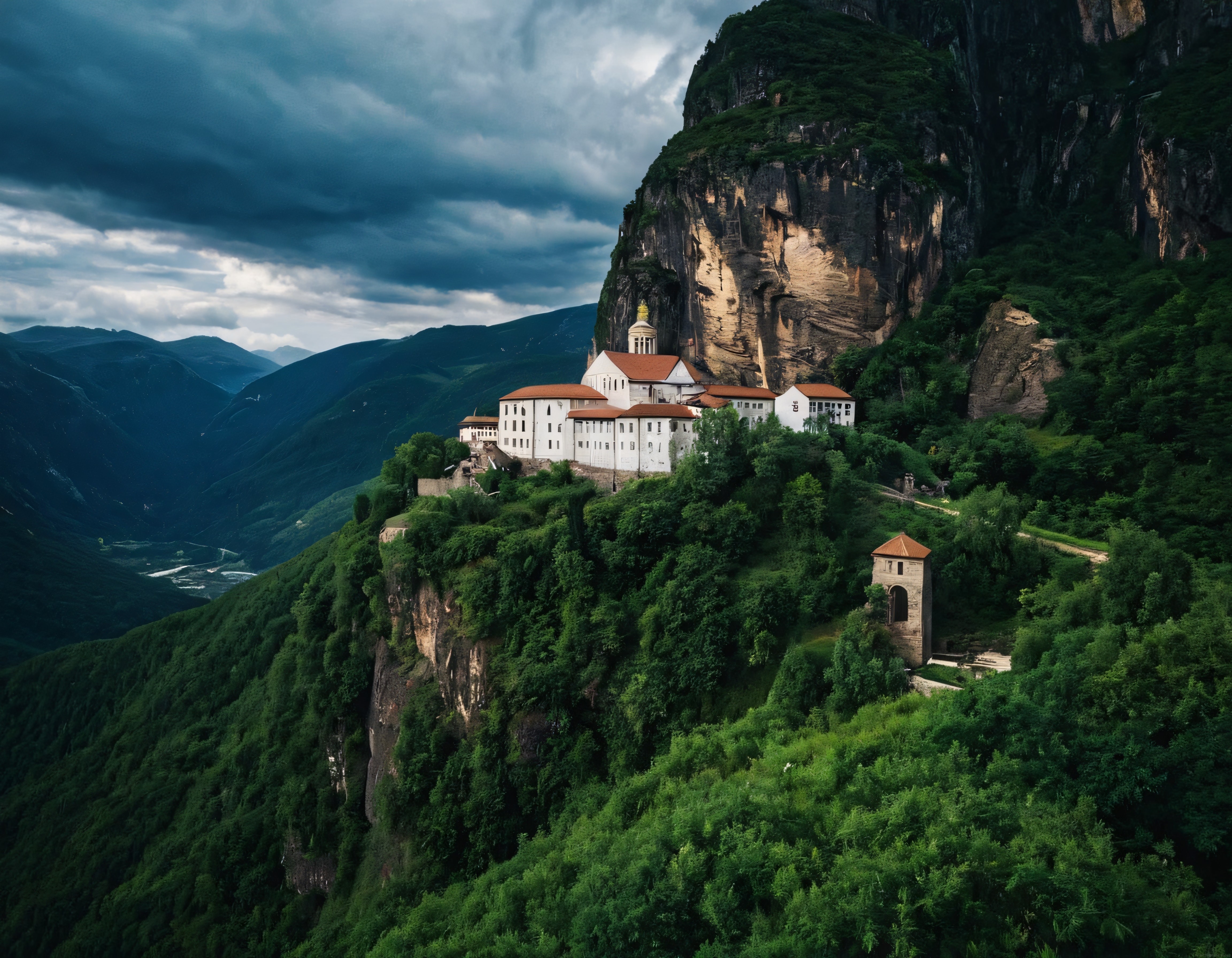

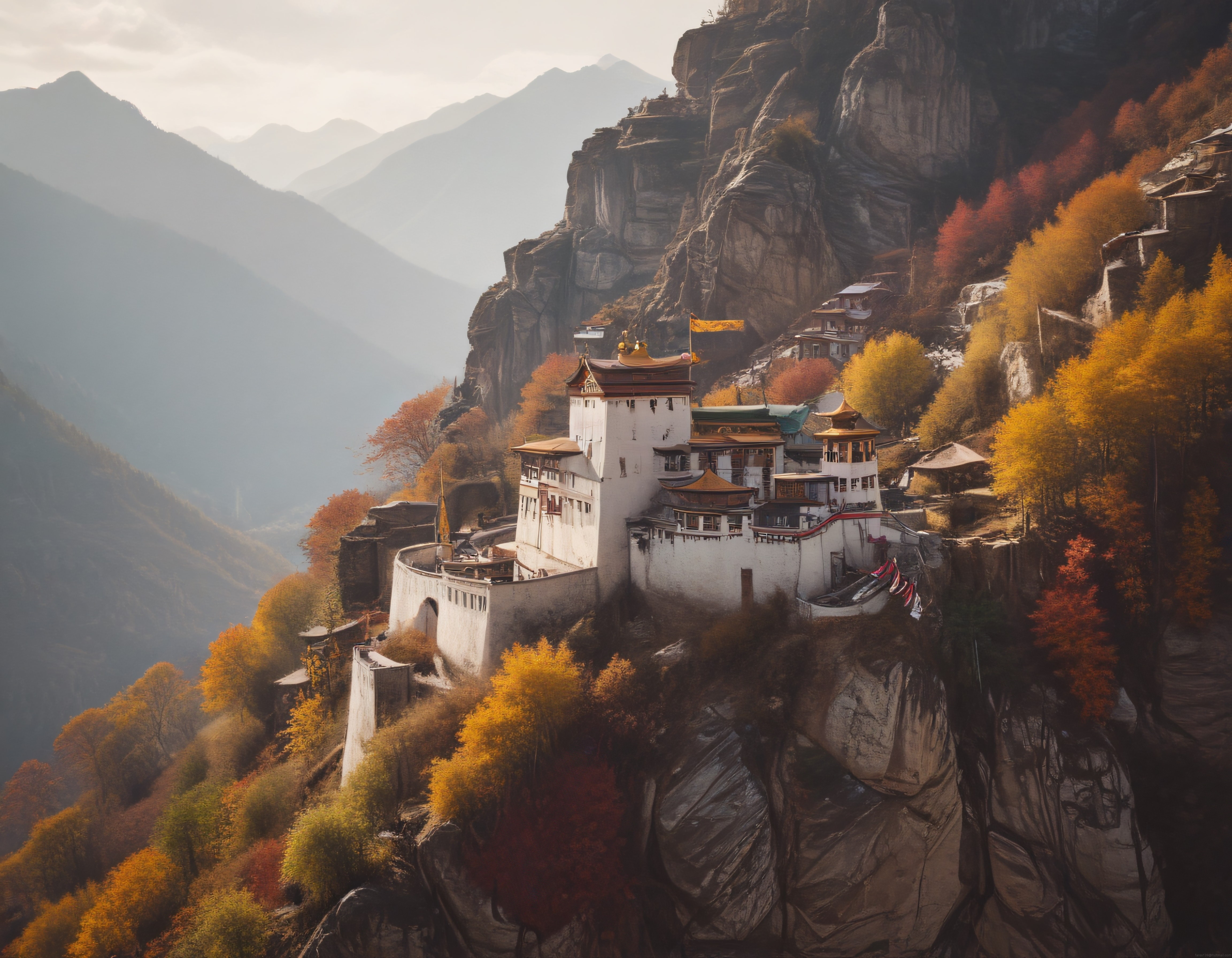
Çekim Tablosu
Belirtme (-i)Sarp'ı
Yönelme (-e)Sarp'a
Bulunma (-de)Sarp'da
Çıkma (-den)Sarp'dan
Tamlayan (-in)Sarp'ın
Çoğul (-ler)Sarplar
Tanım
•sıfat: Dik, çıkması ve geçilmesi güç (yer); yalman
•mecaz: Güç, zor olan
Diğer Dillerde
Almancaabspeisen, aufplustern, Bluff, bluffen, Bluffen, Felsufer
to fob off
çekim: geçmiş speiste ab · ortaç abgespeist · şimdiki speist ab · ulaç abspeisend
Sarpangbhutan.kgm — Sarpangbhutan. kgm
Fransızcabluffer, falaise, macchabée, raide, rigide /blœ.fe/
to bluff · to surprise
çekim: geçmiş bluffé · ortaç bluffé · şimdiki bluffe · ulaç bluffant
köken: Borrowed from English bluff.
aile: bluffeur
Sarpangbhutan. kgm — Sarpangbhutan. kgm
İspanyolcaadolorido, alardear, amagar, amague, blof, blofe /adoloˈɾido/
painful, aching (afflicted or suffering with pain)
eş: adolorado, dolorido, dolioso
Sarpangbhutan. kgm — Sarpangbhutan. kgm
alternative form of bluffare
çekim: geçmiş bleffàto · ortaç bleffàto · şimdiki blèffa · ulaç bleffànte
Sarpangbhutan. kgm — Sarpangbhutan. kgm
Rusçaзатруднительный, трудный, крутой, обрывистый
bhutan. kgm — Sarpangbhutan. kgm
Farsçaبلوف, توپ زدن, لافیدن
to brag, to boast
köken: See لاف (lâf) and لاف زدن (lâf zadan) for more information.
Felemenkçeinflexibel, klip, stevig, stijf, stug
niet in staat of bereid tot een snelle aanpassing
eş: onbuigzaam, star, stijf, stug
Sarpangbhutan.kgm — Sarpangbhutan. kgm
to bluff (to attempt to deceive)
çekim: geçmiş blefei · ortaç blefado · şimdiki blefa
köken: blefe + -ar
Sarpangbhutan. kgm — Sarpangbhutan. kgm
Yunancaμπλόφα
χαρτοπαιχτικός όρος που δηλώνει την ενέργεια ενός παίχτη που προσποιείται ότι έχει καλύτερο φύλλο, προκειμένου να ξεγελάσει τους συμπαίκτες του και να τους νικήσει
eş: μπλοφάρισμα
Σαρπάνγκbhutan. kgm — Sarpangbhutan. kgm
Korece딱딱한
bhutan. kgm — Sarpangbhutan. kgm
to bluff
çekim: geçmiş bluffade · ortaç bluffande · ulaç bluffande
köken: English bluff.
Sarpangbhutan. kgm — Sarpangbhutan. kgm
Lehçeblef, blefować, bluffować, srogi, surowy, sztywny (eril) /ˈblɛf/
bluff (act of bluffing) · bluff, four-flush
çekim: çoğul blefy · tamlayan blefu
köken: Borrowed from French bluff, from English bluff.
aile: blefiarz, blefować, zablefować
Sarpangbhutan. kgm — Sarpangbhutan. kgm
czysty blef
zwykły blef
Ukraynacaблефува́ти
Сарпангbhutan. kgm — Sarpangbhutan. kgm
Fincebluffata, bluffaus, bluffi, hämätä, hämäys, harhautus /ˈblufːɑtɑˣ/
To bluff.
çekim: geçmiş bluffannut · şimdiki bluffaa · ulaç bluffaava
köken: bluffi + -ata
aile: bluffaus
Hans Adu Sarpei (s. — Hans Sarpei (d.
to bluff
çekim: geçmiş blafovala · ortaç blafovala · şimdiki blafuje
eş: lakovat, bulíkovat, podvádět, oklamávat, klamat
Sarpangbhutan. kgm — Sarpangbhutan. kgm
Rumencețepui
Sarpangbhutan. kgm — Sarpangbhutan. kgm
bluff
çekim: çoğul blöffök
köken: Borrowing from English bluff.
aile: blöfföl
Sharanasia. kgm — Sarpangbhutan. kgm
İbraniceבלוף, בִּלֵּף
חבל הסארasia. kgm — Sarpangbhutan. kgm
Latincerigēns, rigidus /ˈrɪ.ɡɪ.dʊs/
stiff, rigid, hard, inflexible · stern, strict, severe, hard, inflexible
çekim: karşılaştırma rigidior
köken: Etymology tree Proto-Indo-European *Hreyǵ-der. Proto-Italic *rigēō Latin rigeō Proto-Indo-European *dʰeh₁-der. Proto-Italic *-iðos Latin -idus Latin rigidus From rigeō (“to be stiff”) + -idus.
aile: rigidē, rigiditās, rigidō
Norveççehard, stiv
Fjellet er godt synlig fra San Francisco. — Dağ, Fransa yönünde sarptır.
Vietnamcacứng /kɨŋ˧˦/
hard; firm; rigid · hard
zıt: mềm
köken: From Proto-Vietic *kəŋʔ. Compare Khmer កឹង (kəng) and Pacoh câng. Possibly related to nứng (“horny”), through an infixed form. Similarities to Chinese 勁 (OC *keŋ-s) (SV: kình, kính), 強 (OC *N-kaŋ, *m-kaŋʔ) (SV: cường, cưỡng), 剛 (OC *kˤaŋ) (SV: cương), 堅 (OC *kˤi[ŋ]) (SV: kiên) are probably coincidental. The Austroasiatic words might also be borrowed from another source that gave rise to one of…
aile: bìa cứng, bọ cánh cứng, cạ cứng, chật cứng, chữ cứng, cứng cáp, cứng chắc, cứng cỏi, cứng cổ, cứng cựa
Ngộ nhỡ bị truyền lên mạng, phải làm sao? — Basın bunu duysaydı, işler ne kadar sarpa sarardı!
bluff (act of bluffing) · bluff, four-flush · bluff (lie intended to deceive)
çekim: çoğul блъ́фове
köken: Borrowed from English bluff.
aile: блъфи́рам, блъфи́ране
Сакраментоbhutan. kgm — Sarpangbhutan. kgm
Slovenceblefiranje, blefirati, pečina, pretvarjanje, se pretvarjati
Shaanxiasia. kgm — Sarpangbhutan. kgm
Litvancablefuoti /bʲlʲɛ¹ˈfuɔtʲɪ/
to bluff
köken: From English bluff.
Tačiau šia kilme abejojama, nes aplink nėra aukštesnės kalvos. — Birkaç kayalık, sarp tepe dışında yükselti yoktur.
firm, strong, rigid (capable of resisting the actions of mechanical forces without harm or change) · firm, strong, sturdy (having much strength; physically well developed, not weak, not brittle) · firm, strong (done, happening with energy, strength; affecting (something else) strongly)
çekim: karşılaştırma stingrāks · üstünlük visstingrākais
eş: spēcīgs, stiprs
köken: From the same stem as the verb stingt (“to harden, to stiffen”) (q.v.), with an extra (adjectivizing?) r. A parallel form without the r yielded stings (“stiff, numb”). Cognates include Lithuanian stiñgras (“firm, strict”), stingrùs, sti̇̀ngrus (“rigid, stiff, numb; hard, solid; strained; heavy”). The verb stiñgt (“to stiffen”) is cognate with Lithuanian sti̇̀ngti (“id.”). According to Karulis,…
aile: stingrība, stingrums, nestingrs
stingra sija
stingra construkcija
stingra atspere
Taycaแข็ง /kʰɛŋ˩˩˦/
hard; rigid.
zıt: นิ่ม, อ่อน
köken: From Proto-Southwestern Tai *kʰɛːŋᴬ¹ (“solid; hard”), from Proto-Tai *k.reːŋᴬ (“hard”). Cognate with Northern Thai ᨡᩯ᩠ᨦ or ᨡᩯᩢ᩠ᨦ, Lao ແຂງ (khǣng), Lü ᦶᦃᧂ (ẋaeng), Tai Dam ꪵꪄꪉ, Shan ၶႅင် (khěng), Tai Nüa ᥑᥦᥒᥴ (xáeng), Phake ၵ︀ိင︀် (khiṅ), Ahom 𑜁𑜢𑜂𑜫 (khiṅ), Sapa xeŋᴬ¹, Bouyei jeengl, Saek เถรี่ยง (“hard”) and แข้ง (“tight; tense”), Zhuang geng.
aile: กระดาษแข็ง, กล้าแข็ง, ของแข็ง, ขันแข็ง, เข้มแข็ง, แข็งกระด้าง, แข็งกร้าว, แข็งกล้า, แข็งแกร่ง, แข็งข้อ
Katalancacerimoniós, encarcarat, rígid /sə.ɾi.mo.niˈos/
ceremonious, formal · stuffy, stiff
köken: From cerimonia + -ós.
Etimoloji
Inherited from Ottoman Turkish صارپ (sarp, “steep; difficult; intractable”), from Proto-Common Turkic *sarp.
Kelime Ailesi
Eş & Zıt Anlamlılar
Eş anlamlılar
Örnek Cümleler
İşler sarpa sardı.
Things went south.
Sarpangbhutan. kgm
Sarpang
İşler sarpa sarınca.
When things got complicated.
Sarpsborgoceania. kgm
Sarpsborg
Timo Sarpaneva heykeli.
Timo Sarpaneva sculpture.
Fakat o, sarp yokuşu aşamadı.
But he could not scale the steep ascent.
Ve ona iki sarp yol gösterdik.
And showed him two highways (of good and evil)?
Sarp yokuş, bilir misin nedir?
How will you comprehend what the Steep ascent is? --
Fakat o, sarp yokuşa atılamadı.
But he could not scale the steep ascent.
O sarp yokuş nedir bilir misin?
How will you comprehend what the Steep ascent is? --
İleriye Sarplayer seek backward
Forward
-Dostum, arabanda bir Şarpa var!
-Dude, there's a Sherpa in your car!
İlgili Sorular
Horozumda sarp dosha bulunuyorsa, doğum detaylarımı göz önünde bulundurarak nasıl bir tedavi uygulanır?
Doğum tarihime bakarak sarp dosha olup olmadığını ve varsa hangi tedavi yöntemini önerdiğinizi söyleyebilir misiniz?
Doğum haritamda sarp dosha var mı? Eğer varsa, doğum bilgilerime göre çözüm önerisi de verir misiniz?
Doğum bilgilerime göre sarp dosha var mı? Varsa, bu durum için ne tür bir tedavi uygulanabilir?
Sarp dosha benim doğum haritamda mevcut mu? Eğer evet ise, bu durum için ne gibi bir çözüm önerirsiniz?