Sözlük
/sandalye
sandalye
"sandalye" kelimesinin İngilizcesi: chair, chair, seat, chair, chair. Anlamı, çevirisi, telaffuzu ve örnek cümleler aşağıdadır.
Çeviri
Politikachairnoun
Genelchair
Genelseat
Genelchair
Genelchair
Görsel
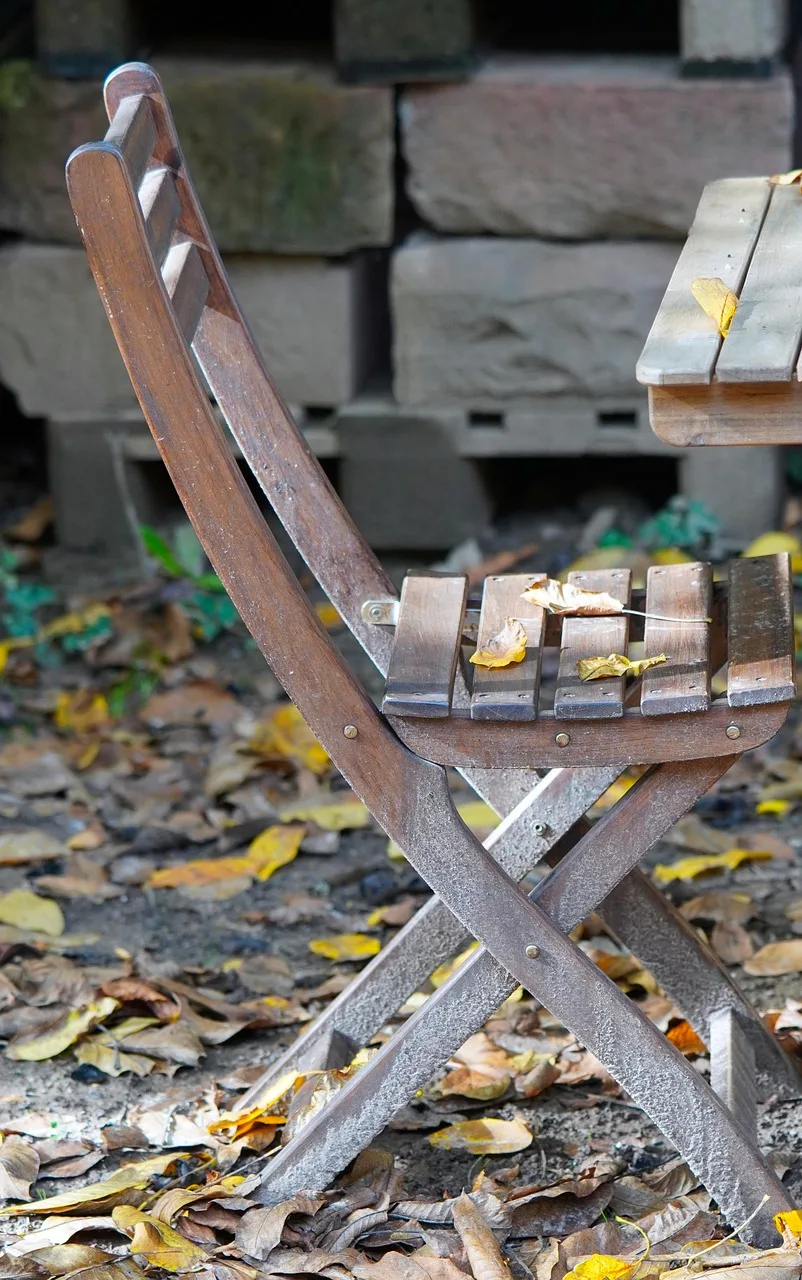


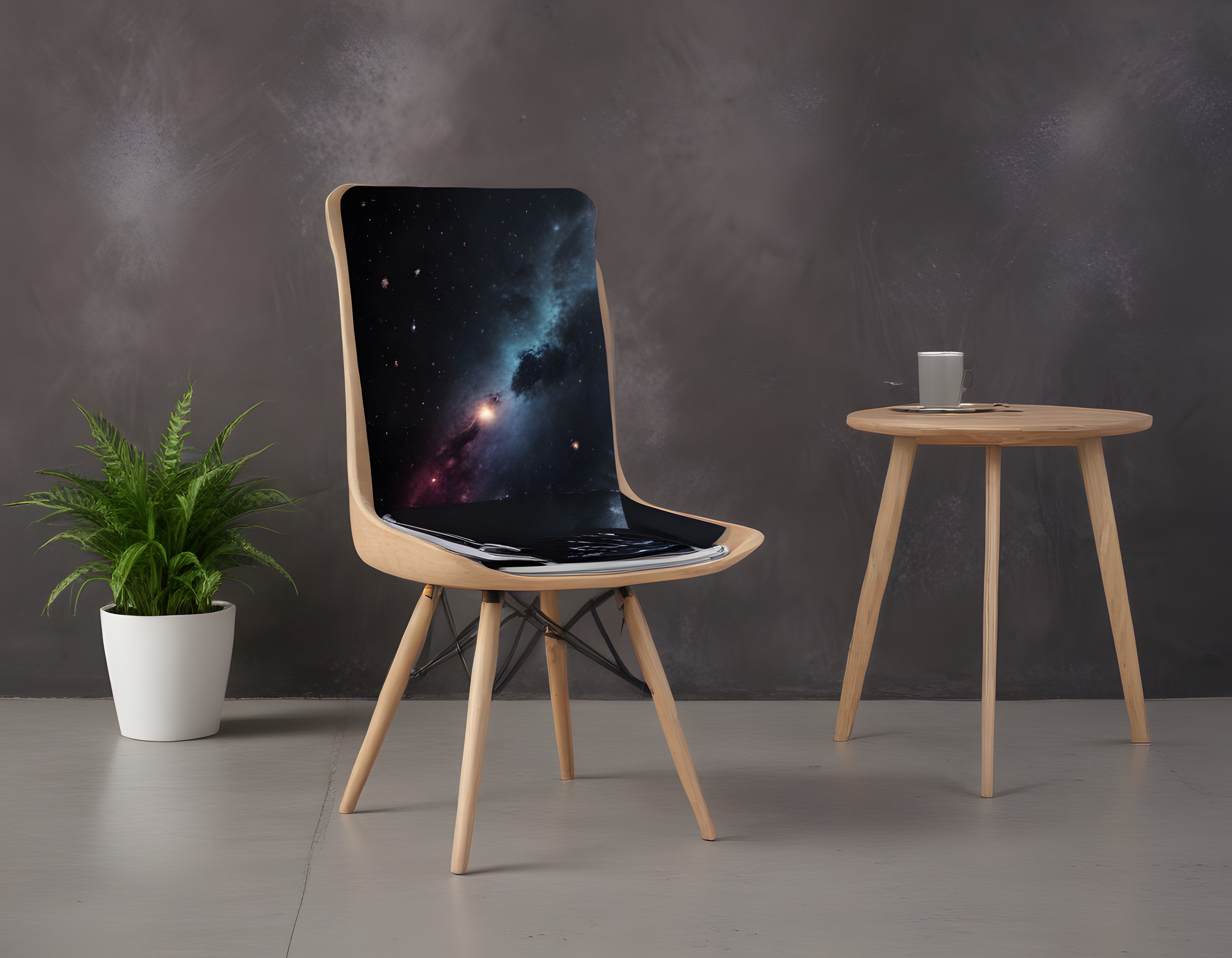
Çekim Tablosu
Belirtme (-i)sandalyeyi
Yönelme (-e)sandalyeye
Bulunma (-de)sandalyede
Çıkma (-den)sandalyeden
Tamlayan (-in)sandalyenin
Çoğul (-ler)sandalyeler
Tanım
•isim: Arkalıklı, kol koyacak yerleri olmayan, bir kişilik oturma eşyası; kürsü
•mecaz: Makam, koltuk, mevki
Diğer Dillerde
Almancastuhl (eril) /ʃtuːl/
a chair (to sit on) · a chair (professorship) · a see (bishop's seat: bishopric)
çekim: çoğul Stühle · tamlayan Stuhles
eş: Sessel, Kot, Aa, Kacke, Scheiße, Schiss
köken: From Middle High German stuol, from Old High German stuol, from Proto-West Germanic *stōl. Cognate with Dutch stoel, English stool, Swedish stol; ultimately from Proto-Indo-European *steh₂- and thus related to stehen.
aile: Arbeitsstuhl, Armstuhl, Bauernstuhl, Behandlungsstuhl, Beichtstuhl, bestuhlen, Betstuhl, Binsenstuhl, Bischofsstuhl, Blutstuhl
Ich sitze auf einem Sitz. — Bir sandalyede oturuyorum.
Ich habe die ganze Zeit auf meinem Stuhl gesessen!
Professor Martin wurde überraschend auf den Stuhl berufen.
Herr Urkwicz hatte heute wieder sehr weichen Stuhl.
Fransızcachaise, Chaise, siège, siège (dişil) /ʃɛz/
chair, seat
çekim: çoğul chaises
köken: Originally, simply a variant of chaire. From Middle French chaire, inherited from Latin cathedra (“seat”), a borrowing from Ancient Greek καθέδρα (kathédra). The change -r- > -s-, while being common in the past, has been only preserved on this word and besicles. Doublet of chaire and cathèdre.
aile: arbitre de chaise, avoir le cul entre deux chaises, bâton de chaise, chaise à bascule, chaise à porteurs, chaise de bureau, chaise électrique, chaise longue, chaise percée, chaise pliante
Prenez donc une chaise. — Sandalyeyi kapan kazanır.
seat · sediment, deposit · treaty, pact
çekim: çoğul asientos
eş: banca, curul, escaño, borra, concho, hez
köken: Deverbal from asentar.
aile: asentista, asiento de los bobos, asiento delantero, asiento trasero, cubreasientos, culo de mal asiento, estar de asiento, ser culo de mal asiento, tomar asiento
Esta es mi silla. — Bu benim sandalyem.
İtalyancaaccogliere, accomodare, accomodarsi, alloggiare, assito, cavallo /akˈkɔʎ.ʎe.re/
to welcome, receive · to accommodate
çekim: geçmiş accòlto · ortaç accòlto · şimdiki accòglie · ulaç accogliènte
eş: alloggiare, avere posto per, contenere, dare accoglienza, dare ricetto, dare ospitalità
köken: From Vulgar Latin *accolligere, derived from Classical Latin ad- + colligere (whence the Italian cogliere).
aile: accoglienza, accogliersi, accoglimento, riaccogliere
Quella è una sedia. — O bir sandalyedir.
Rusçaстул /stuɫ/
chair, seat · knock at the door, four in the lotto game
çekim: çoğul сту́лья · tamlayan сту́ла
köken: Inherited from Old East Slavic стулъ (stulŭ), borrowed from a Germanic language, probably Old Norse or Middle Low German, ultimately from Proto-Germanic *stōlaz. Cognate with English stool. Doublet of стол (stol).
Этот стул лёгкий. — Bu sandalye hafif.
Arapçaشلية, كرسي, كُرْسِيّ, كُرْسِيّ مُعَلِّم, مَقْعَد, مَقْعَدَة (eril) /kur.sijj/
chair, seat · seating · throne
çekim: çoğul كَرَاسِيُّ · tamlayan كُرْسِيٍّ
köken: Etymology tree Aramaic כּוּרְסְיָא (kursəyā)bor. Classical Syriac ܟܘܪܣܝܐ (kursəyā)bor. Arabic كرسي Deemed with such a shape borrowed from Aramaic כּוּרְסְיָא / ܟܘܪܣܝܐ (kursəyā). Compare Biblical Hebrew כִּסֵּא (kisséʔ), Ugaritic 𐎋𐎒𐎜 (ksủ /kussīʾu/) and Akkadian 𒄑𒄖𒍝 (kussûm). Ultimately from Sumerian 𒄑𒄖𒍝 (^(g̃eš)gu-za /guza/, “chair”).
aile: آيَةُ ٱلْكُرْسِيِّ
شجرة. كرسي. فتاة. — Ağaç. Sandalye. Kız.
وَسِعَ كُرْسِيُّهُ ٱلسَّمَاوَاتِ وَٱلْأَرْضَ
Farsçaجا, چَوْکِی, صَنْدَلی, صَنْدَلِی, کُرْسی, کُرْسِی /ˈd͡ʒaː(j)/
place · space · location
köken: Etymology tree Proto-Iranian *wi- Proto-Indo-European *h₂wes- Proto-Indo-Iranian *Hwas- Proto-Iranian *Hwah- Proto-Iranian *wi-Hwah- Middle Persian gyʾg (gyāg) Persian جا Inherited from Middle Persian gyʾg (gyāg, “place”), from Proto-Iranian *wi-Hwah-, from *wi- + *Hwah- (“to dwell”).
aile: آنجا, اینجا, بیجا, جا شدن, جابجا, هرجا, کجا
جاتو جمع کن.
Azericekürsü, oturacaq, oturtmaq, otuzdurmaq, stul /cyrˈsy/
chair · pulpit, rostrum, dais · podium, platform, rostrum, tribune
çekim: çoğul kürsülər · tamlayan kürsünün
köken: Borrowed from Arabic كُرْسِيّ (kursiyy).
Kazakçaорындық
chair, stool
çekim: çoğul орындықтар · tamlayan орындықтың
köken: орын (oryn) + -дық (-dyq).
Özbekçeoʻrindiq
Tatarcaурындык
Felemenkçestoel (eril) /stul/
a chair, a piece of furniture used for sitting, normally portable and having four legs · any seat, from stool to throne; a dais · the base on which something rests, e.g. platform; something fixed on it, notably a workbench
çekim: çoğul stoelen
köken: From Middle Dutch stoel, from Old Dutch stuol, from Proto-West Germanic *stōl, from Proto-Germanic *stōlaz, from Proto-Indo-European *steh₂-.
aile: armstoel, autostoel, badstoel, bakerstoel, barbiersstoel, bestuurdersstoel, bidstoel, biechtstoel, bijrijdersstoel, bisschopsstoel
De kapel verviel. — Sandalye parçalanır.
Portekizceassento, cadeira, cátedra, comandar, fundilhos, lugar (eril) /aˈsẽ.tu/
seat
çekim: çoğul assentos
köken: Deverbal from assentar.
Termina em uma cadeira de rodas. — Tekerlekli sandalyededir.
platform, dais (raised stage on which one can stand or sit in order to see everyone) · seat, chair, bench (usually raised) · seat, headquarters, base (chief location of a governing body or other thing)
çekim: çoğul έδρες · tamlayan έδρας
eş: βήμα, θρόνος, θώκος, καθέδρα f and see καρέκλα, έδρανο
köken: Learnedly, from Ancient Greek ἕδρα (hédra). For sense "headquarters", a semantic loan from French siège.
Κάθομαι σε μια καρέκλα. — Bir sandalyede oturuyorum.
Ο δάσκαλος μίλησε από την έδρα.
Οι δικαστές πάντα κάθονται στις έδρες.
Η έδρα της κυβέρνησης είναι στην Αθήνα.
a seat · a defender's position
köken: Borrowed from English seat.
aile: シートカバー, and then field hits, シートベルト: a seatbelt
すべて幻影で 触れようとした瞬間に — Ağaç. Sandalye. Kız.
Korece의자 /ɰid͡ʑa̠/
chair, sofa
eş: 교상, 교의
köken: Sino-Korean word from 椅子 (“chair”), an orthographic borrowing from Japanese 椅子 (isu, “chair”). Displaced traditional Sino-Korean 교의 (交椅, gyoui).
aile: 바퀴의자(椅子), 안락의자(安樂椅子), 전기의자(電氣椅子), 접의자(椅子), 팔걸이의자(椅子), 회전의자(回轉椅子), 흔들의자(椅子)
나무, 의자, 소녀. — Ağaç. Sandalye. Kız.
의자에 앉으십시오.
place; any geographical position a little larger than just a point, such as a village, city or just a "nowhere" · a seat; such as in a bus or in a theater · room; space
çekim: çoğul platser · tamlayan platsens
köken: From Old Swedish platz, from Old Norse plaz, from Middle Low German plātze, from Old French place, from Latin platea.
aile: få plats, på plats, sittplats, ståplats, sätta någon på plats, ta en plats
3 stolar, och jag har 7 personer. — 3 sandalye ve 7 kişi olsun.
Ursäkta, är den här platsen upptagen?
Hur mycket plats behövs på hårddisken?
För att lägga ett stort pussel behövs mycket plats
Lehçekrzesło, miejsce, miejsce siedzące, posadzić, sadzać, siedzenia (nötr) /ˈkʂɛ.swɔ/
chair (furniture)
çekim: çoğul krzesła · tamlayan krzesła
köken: Etymology tree Proto-Slavic *krěslo Old Polish krzasło Polish krzesło Inherited from Old Polish krzasło, from Proto-Slavic *krěslo.
Stolicą jest Skrunda. — Sandalye parçalanır.
krzesło elektryczne
Цей стілець зроблено з пластику. — Bu sandalye plastik.
chair
çekim: çoğul आसंदों
köken: Borrowed from Sanskrit आसन्द (āsanda).
to take up a position, take a stand/stance · to settle down (to begin to live somewhere) · to settle (assume a more or less permanent position)
çekim: geçmiş asettunut · şimdiki asettuu · ulaç asettuva
köken: asettaa + -ua (passive aspect)
aile: asettuma, asettuminen
Pyörätuolit Respecta. — Tekerlekli sandalyededir.
place (location, position) · place (seat) · space (occupied by or intended for a person or thing)
çekim: çoğul místa · tamlayan místa
eş: plac, flek, prostor, sídlo, lokalita, umístění
köken: Inherited from Old Czech miesto, from Proto-Slavic *město. Doublet of město. Cognates include Slovak miesto.
aile: místní, místný, nemístný, bílé místo, desetinné místo, místečko, místenka, místnost, místopis, náměstek
Sedím na židli. — Bir sandalyede oturuyorum.
Pro tuto pohovku v této místnosti není dost místa.
Odpověď na tři desetinná místa zní 1,245.
Rumencescaun (nötr)
chair, seat · stool · throne, seat of power, by extension capital
çekim: çoğul scaune · tamlayan scaunului
köken: Inherited from Latin scamnum. For the change of -m- into -u- after -a-, compare Latin damnum > Romanian daună. Compare also Aromanian scamnu, Megleno-Romanian scand, Istro-Romanian scånd.
aile: înscăuna
Al cui e scaunul? — Sandalye kimin?
Macarcafenék, hely, mandátum, szék, székhely, ülep /ˈfɛneːk/
bottom, buttock (of a living thing) · bottom, seat (the lower part of an object)
çekim: çoğul fenekek
köken: From an unattested stem + -ék.
aile: fenekel → elfenekel, fenekestül, feneketlen, feneklik → megfeneklik, fenekű, óceánfenék, tengerfenék, a pohár fenekére néz, nem fenékig tejfel
Ez a szék nem kényelmes. — Bu sandalye rahat değil.
İbraniceכיסא \ כִּסֵּא
עץ, כסא, בחורה. — Ağaç. Sandalye. Kız.
armchair (having cushions and supports) · ceremonial chair (of a teacher, later of a bishop) · the office or rank of teacher or bishop
çekim: çoğul cathedrae · tamlayan cathedrae
köken: From Ancient Greek καθέδρα (kathédra), from κατά (katá, “down”) + ἕδρα (hédra, “seat”).
aile: cathedrālicius, cathedrālis, cathedrārius, cathedrāticum, cathedrāticus, cathedrātum, cathedrātus, cathedrō
place · seat · position
çekim: çoğul pladser · tamlayan plads'
köken: Via Middle Low German plātze and Old French place from Latin platēa, a loan from Ancient Greek πλατεῖα (plateîa), substantive of πλατύς (platús, “broad”). The Low German form was also borrowed to Late Old Norse plaz and Swedish plats.
aile: losseplads
Det er under stolen. — O, sandalyenin altında.
Etimoloji
Arapça
Eş & Zıt Anlamlılar
Örnek Cümleler
Bu bir sandalye.
This is a chair.
Bir sandalye çek.
Pull up a chair.
O bir sandalyedir.
It is a chair.
Sandalyemden kalk.
Get out of my chair.
Bu sandalye hafif.
This chair is light.
Bu sandalye kırık.
This chair is broken.
Sandalye çok küçük.
The chair is too small.
Sandalye onarılamaz.
The chair can't be fixed.
Sandalyeme yaslanma.
Don't lean on my chair.
Sandalye onarılmalı.
The chair needs to be repaired.
Bu sandalye plastik.
This chair is plastic.
O, sandalyede oturdu.
He sat in the chair.
İlgili Sorular
Ohio'nun kuzeydoğu bölgesinde tekerlekli sandalye ile erişilebilen av pistleri var mı?
Collins International Co. Ltd. firmasının ofis sandalyesiyle ilgili detaylar nereden bulunur?
Masa yüksekliği düşük, sandalye yüksekliği ise çok yüksek olduğu için sürekli öne eğilerek oturuyorum ve sırtım ağrıyor. Bu normal bir durum mu?
Collins International Co. Ltd. şirketine ait ofis sandalyesiyle ilgili bilgi almak istiyorum.
Gün boyu bilgisayar başında otururken sert bir sandalyede oturmak, kan akışına neden olabilir mi? Ağrısız bir kanama yaşıyorum, ne yapmalıyım?
Birleşik Kelimeler
sandalye kavgasıelektrikli sandalyekolçaklı sandalyetekerlekli sandalye