Sözlük
/makam
makam
"makam" kelimesinin İngilizcesi: chair, music, portfolio, prefecture, station. Anlamı, çevirisi, telaffuzu ve örnek cümleler aşağıdadır.
Çeviri
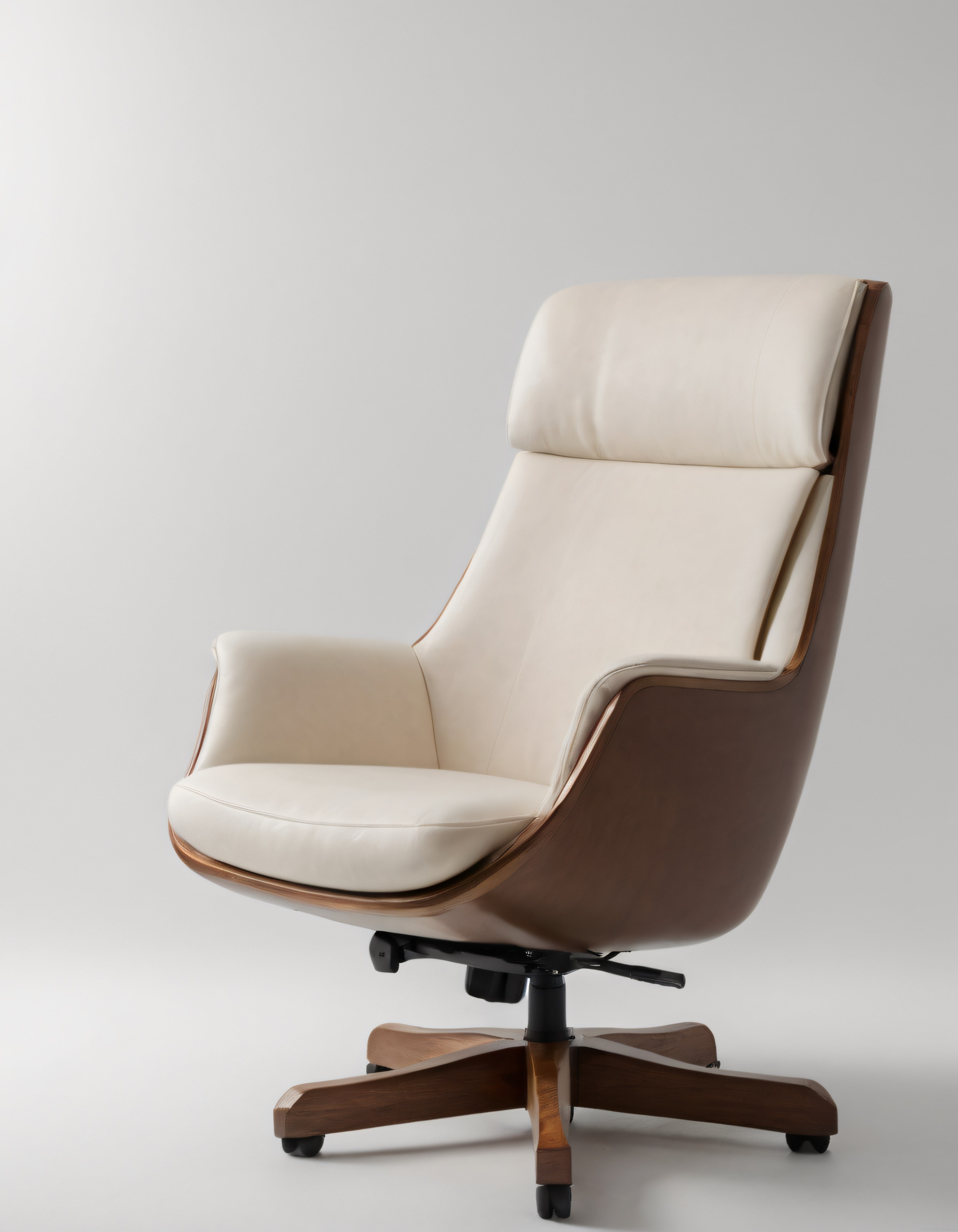
Genelchair
Genelmusic
Genelportfolio
Genelprefecture
Genelstation
Genelstrain
Genelwarble
Görsel
Çekim Tablosu
Belirtme (-i)makamı
Yönelme (-e)makama
Bulunma (-de)makamda
Çıkma (-den)makamdan
Tamlayan (-in)makamın
Çoğul (-ler)makamlar
Tanım
•isim: Devlet kademesinde yüksek ve önemli memuriyet; kat (I), huzur, mansıp, mevki, post
•Durulan yer, mekân tutulan yer
•makam odası
•Bir velinin veya büyük bir zatın defnedildiği veya defnedilmediği hâlde onun adına yapılmış türbe; ziyaret yeri
•müzik: Klasik Türk müziğinde bir müzik parçası veya şarkının işleniş biçimi
Atasözü & Deyim
“Herkes davul çalar ama çomağı makama uyduramaz”
Diğer Dillerde
Almancabehörde (dişil) /bəˈhøːɐ̯də/
authority (governmental institution)
çekim: çoğul Behörden · tamlayan Behörden
eş: Amt
köken: Derived from the German Low German and Middle Low German verb behören (“to belong”), for which High German usually uses gehören. The sense is “responsible institution”.
aile: Behördensprache, Behördenwillkür, behördlich, Landesbehörde
Im Land der Verzweiflung. — Hüzzam makamındadır.
Fransızcachaîne, gare, musique, partition, station (dişil) /ʃɛn/
chain · channel · warp
çekim: çoğul chaînes
köken: Inherited from Middle French chaisne, from Old French chaene, chaiene, caiene, inherited from Latin catēna. Doublet of cadène and catène. The long vowel derives from the Old French hiatus; by analogy the length was expressed with a silent -s- in Middle French, which was then replaced with the circumflex.
aile: chaîne alimentaire, chaîne de caractères, chaîne de commandement, chaîne de production, chaîne de télévision, chaîne du froid, chaîne latérale, chaîner, chaînette, chaînon
URL : chasse — URL: Kaymakamlığı
La chaîne est trop courte, nous n'y arriverons pas.
Pouvez-vous changer de chaîne, s'il vous plaît?
İspanyolcaapostar, emplazar, estación, estacionar, música, postar (desus.) /aposˈtaɾ/
to bet
çekim: geçmiş aposté · ortaç apostado · şimdiki apuesta
eş: jugar
köken: Inherited from Vulgar Latin *appositāre, from Latin appositus.
aile: apostador, apostante, apuesta
Desde entonces la URL Cache — URL: Kaymakamlığı
İtalyancacanale, emittente, fermata, musica, spartito, stazionare (eril) /kaˈna.le/
channel · canal · conduit
çekim: çoğul canali
eş: collettore, conduttura, fossato, fosso, scarico, tubatura
köken: Inherited from Latin canālem.
La sgradevolezza XXI. — 21 ^ Kaymakamlığı
Приворотный танец 21. — 21 ^ Kaymakamlığı
Arapçaإِذَاعَة, طَرَب, مَحَطَّة, مَحَطَّة إِذَاعِيَّة, مزّيكا, موسيقى (dişil) /muː.siː.qaː/
music
çekim: tamlayan مُوسِيقَى
köken: From Ancient Greek μουσική (mousikḗ).
رجال الحلي 21. — 21 ^ Kaymakamlığı
Farsçaموزیک, موسیقی, مُوسِیقِی /muː.ziːkʰʲ/
synonym of موسیقی (musiqi)
köken: Borrowed from French musique.
Azericedayanacaq, musiqi, stansiya, vağzal /dɑjɑnɑˈd͡ʒɑχ/
subject future definite participle of dayanmaq
çekim: çoğul dayanacaqlar · tamlayan dayanacağın
köken: From dayan- (“to stand, stop”) + -acaq.
bus stop, station
çekim: çoğul аялдамалар · tamlayan аялдаманың
köken: аялдау (aäldau) + -ма (-ma). Coined by Kazakh writer and translator Islam Jarylgapov during 20th century.
music
çekim: çoğul musiqalar · tamlayan musiqaning
köken: Borrowed from Arabic مُوسِيقَى (mūsīqā), from Ancient Greek μουσική (mousikḗ).
aile: musiqachi, musiqashunoslik, musiqashunos, musiqiylik, musiqiy
Felemenkçebladmuziek, halte, muziek, partituur, posteren (dişil) /ˈblɑt.myˌzik/
sheet music
köken: Compound of blad + muziek.
Hoog stroomverbruik. — Gevaş Kaymakamlığı.
Portekizceestação (dişil) /is.taˈsɐ̃w̃/
season · station · train station
çekim: çoğul estações
köken: Etymology tree Proto-Indo-European *steh₂- Proto-Indo-European *-éh₁ti Proto-Indo-European *-yeti Proto-Indo-European *-éh₁yeti Proto-Indo-European *sth₂éh₁yeti Proto-Italic *staēōder. Latin stō Proto-Indo-European *-tis Proto-Indo-European *-Hō Proto-Indo-European *-tiHō Proto-Italic *-tiō Latin -tiō Latin stātiōnemlbor. Portuguese estação Learned borrowing from Latin stātiōnem.
aile: chefe de estação, estação de correios, estação de esqui, estação de ônibus, estação de rádio, estação de trabalho, estação de trem, estação espacial, estação móvel, subestação
Amor de perdição — Bünyan Kaymakamlığı
Yunancaμουσική, νότες, παρτιτούρα, στάθμευση, σταθμός (dişil) /musiˈci/
the subject and art of music · the music as opposed to the lyrics · a band or orchestra
çekim: çoğul μουσικές · tamlayan μουσικής
köken: Borrowed from Ancient Greek μουσική (mousikḗ).
Απώλεια νεφρού. — Nizip Kaymakamlığı.
channel (specific radio frequency or band of frequencies)
köken: Borrowed from English channel.
目白台にある。 — Rast makamındadır.
私のチャンネルへようこそ!
broadcaster; station
köken: Orthographic borrowing from Japanese 放送局 (hōsōkyoku).
21번째 오각수. — 21 ^ Kaymakamlığı
base, basis (foundation or location) · basis (linearly independent set of vectors spanning the whole vector space) · base (set of sets from which a topology is derived)
çekim: çoğul bazy · tamlayan bazy
eş: fort
köken: Etymology tree Proto-Indo-European *gʷem- Proto-Indo-European *-tis Proto-Indo-European *gʷémtis Proto-Hellenic *gʷə́tis Ancient Greek βᾰ́σῐς (bắsĭs)bor. Latin basis Old French base French basebor. Polish baza Borrowed from French base. First attested in 1683.
Energia falowania. — Gevaş Kaymakamlığı.
Дванадцятикратний шлях — 21 ^ Kaymakamlığı
a place or an area serving a particular purpose · working place or site · stall (vendors')
çekim: çoğul अड्डे
köken: Borrowed from Northwestern Indo-Aryan, whence Punjabi ਅੱਡਾ (aḍḍā, “place, stand”), or equivalently inherited from the same Prakrit source without cluster simplification. Ultimately related to Proto-New Indo-Aryan *अड्डइ (aḍḍaï, “to obstruct, stop”), from Dravidian, whence Tamil அடை (aṭai). Doublet of आड़ (āṛ) and related to अड़ना (aṛnā). Cognate with Marathi अड्डा (aḍḍā).
aile: अड्डा जमाना, हवाई अड्डा
बदमाशों का अड्डा
बस अड्डा
विमान अड्डा
Finceasema, asettaa, kanava, komentaa, laittaa, musiikki /ˈɑsemɑ/
position, state, situation (status with regard to conditions and circumstances) · status (person’s position or standing relative to that of others) · station (stopping place for transportation, especially ground transportation or air transportation)
çekim: çoğul asemat · tamlayan aseman
köken: From Proto-Finnic *asën ~ *asëma, equivalent to asea (“to place”) (obsolete) + -ma
aile: asemasta, asemo, asemoida, ala-asema, ammattiasema, arvoasema, asema-alue, asema-arvo, asema-aukio, asemaenergia
Unohduksen lumet. — Gölcük kaymakamlığı.
Olen sellaisessa asemassa, että en voi kritisoida presidenttiä julkisesti.
Upseerin rouvalla on kunnioitettu asema varuskuntakaupungissa.
rautatieasema
music
çekim: çoğul hudby · tamlayan hudby
eş: muzika, orchestr, ansámbl
köken: Inherited from Old Czech hudba (originally "string music" or "bowed string instrument"), from Proto-Slavic *gǫsti ("to play a musical instrument", cf. housti). Cognate with Slovak hudba, Old Polish gędźba, Serbo-Croatian gudba and Slovene gódba (the latter is most likely derived from Czech, however).
Pád Nipponu. — Nizip Kaymakamlığı.
Rumencegară, melodie, muzică, partitură, stație (dişil)
terminal, station, railway station
çekim: çoğul gări · tamlayan gări
köken: Borrowed from French gare.
Despre pirații supraviețuitori. — Piraziz Kaymakamlığı.
station (a regular stopping place for ground transportation)
çekim: çoğul állomások
köken: From áll (“to stand”) + -o- (linking vowel) + -más (noun-forming suffix).
aile: állomási, állomásnyi, állomásol, állomásozik, állomású, autóbusz-állomás, buszállomás, metróállomás, űrállomás, vasútállomás
A villamosítás vesztesei. — Gevaş Kaymakamlığı.
İbraniceמוּזִיקָה, תַּחֲנָה
הדחת הנשיא. — Başkanı ^ Kaymakamlığı
place (referring to a specific location) · a passage of literature · opportunity; cause; occasion; grounds
çekim: çoğul locī · tamlayan locī
köken: Etymology tree Proto-Indo-European *stel-der. Proto-Italic *stlokos? Old Latin stlocus Latin locus Inherited from Old Latin stlocus, possibly from Proto-Italic *stlokos, from Proto-Indo-European *stel- (“to put, place, locate”). However, De Vaan is skeptical of this derivation due to the suffix *-okos not being attested in any other word, and leaves the origin open.
aile: exemplī locō, īlicō, locālis, locārium, locō, loculus
aliquem in alicuius locum substituere
Est in sēcessū longō locus: īnsula portum
Dancamusik, noder, tv-station /musik/
music
çekim: tamlayan musiks
köken: From Latin mūsica (“music”), from Ancient Greek μουσῐκή (mousĭkḗ).
aile: absolut musik, ambientmusik, avantgardemusik, baggrundsmusik, balletmusik, barokmusik, beatmusik, bigbandmusik, bluegrassmusik, bluesmusik
Resterne af 21. — 21 ^ Kaymakamlığı
Meget svak stopp. — Derince kaymakamlığı.
Endonezcestasiun /staˈsiun/
station · place where one stands or stays · broadcasting place or entity
çekim: çoğul stasiun-stasiun
köken: From Dutch station, from French station, from Old French estation, estacion, from Latin stātiō, stātiōnem. Doublet of stase and stasi.
aile: stasiun aerologi, stasiun aeronautik, stasiun aeronotik, stasiun angkat, stasiun antara, stasiun antariksa, stasiun asap, stasiun awal, stasiun bahaya kebakaran, stasiun bebas
Kalah dengan Inception. — Başiskele kaymakamlığı.
Etimoloji
Arapça
Kelime Ailesi
Eş & Zıt Anlamlılar
Örnek Cümleler
URL: Kaymakamlığı
URL: Vodohod
21 ^ Kaymakamlığı
21CN体育.
Makamına geri dön.
Return to your post.
Arhavi Kaymakamlığı.
Arpaçay Kaymakamlığı.
Senin makamın nedir?
What's your position?
Çıkıcı bir makamdır.
He is a master of escape.
Piraziz Kaymakamlığı.
Lessons from Piracy.
O makamı hak ediyorum.
I deserve that raise.
Ekinler, güzel makamlar!
And fields and stately mansions,
Leyla makamını kaybetti.
Layla lost her position.
21 yıl kaymakamlık yaptı.
He fasted for 21 days.
Ben burada yerel makamım.
I'm the local authority here.
İlgili Sorular
Bir pasaport buldum, hangi makama götürülmeli?
Film yasaklanıp sansürlendiğinde, sorumlu makamlar filmi hangi konuma yerleştirir?
1962'de başkanlık makamında kim bulunuyordu?
Yasadışı göçmen Latin iş arkadaşlarım var, bu durumu resmi makamlara bildirmeli miyim?
Papalık makamı, kardinal olmayan bir Katolik lider tarafından doldurulabilir mi?
Birleşik Kelimeler
makam arabasımakam odasımakam otomobilimakam ödeneğimakam şoförümakam tazminatıadli makambasit makambirleşik makamfıstıki makammürekkep makambaşkanlık makamıiddia makamı