Sözlük
/rütbe
rütbe
noun
C2 seviye
TR → EN
"rütbe" kelimesinin İngilizcesi: rank, degree, distinction, rank, station. Anlamı, çevirisi, telaffuzu ve örnek cümleler aşağıdadır.
Çeviri
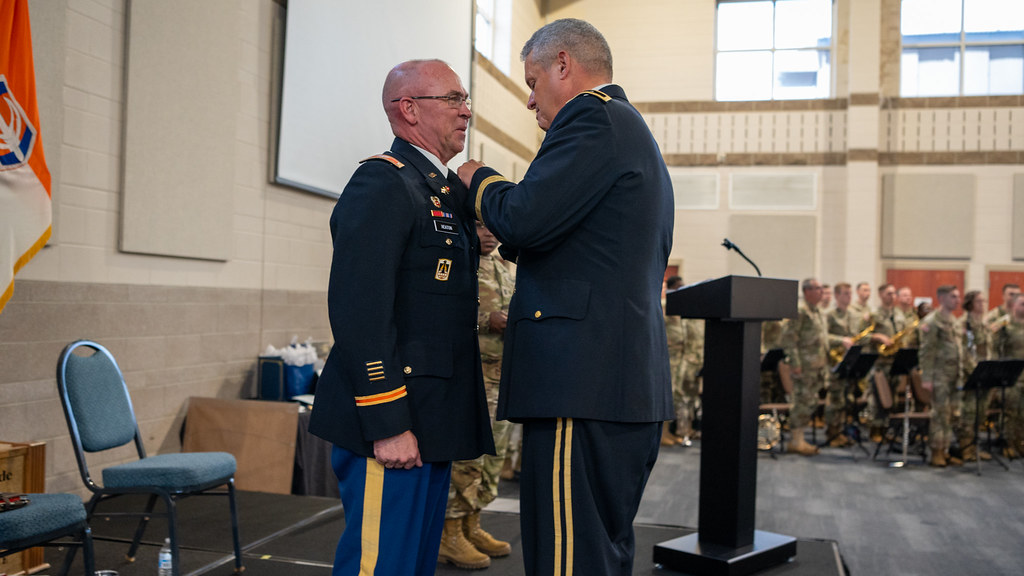
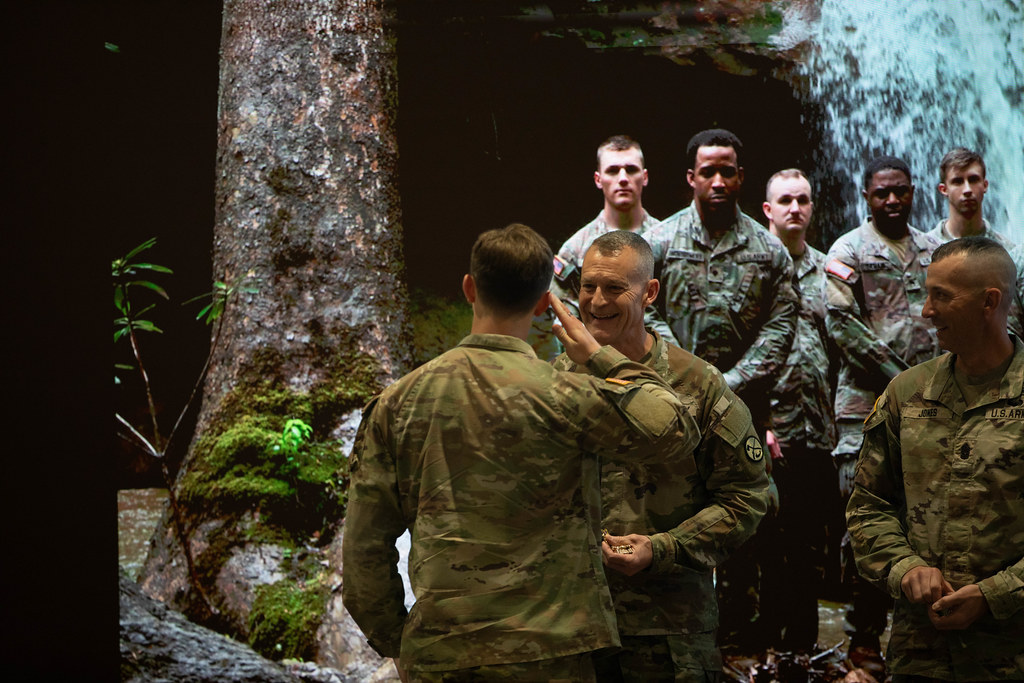
Askeriranknoun
Geneldegree
Geneldistinction
Genelrank
Genelstation
Genelcommission
Genelmilitary rank
Genelmilitary rank
Görsel


Çekim Tablosu
Belirtme (-i)rütbeyi
Çoğul (-ler)rütbeler
Tanım
•Aşama
•Subay, astsubay ve polislerin sahip olduğu, astlık üstlük ilişkilerini düzenleyen basamak; paye
•Önem veya değer bakımından gitgide yükselen bir sıra basamakların her biri
•Subay, astsubay ve polislerin sahip olduğu derece, mevki
Diğer Dillerde
extent, scale
çekim: çoğul Ausmaße · tamlayan Ausmaßes
eş: Größe, Intensität
köken: Deverbal from ausmessen
Letzter Dienstgrad Leutnant. — Son rütbesi Çavuş.
von unvorstellbarem Ausmaß
in unvorstellbarem Ausmaß
chain · channel · warp
çekim: çoğul chaînes
köken: Inherited from Middle French chaisne, from Old French chaene, chaiene, caiene, inherited from Latin catēna. Doublet of cadène and catène. The long vowel derives from the Old French hiatus; by analogy the length was expressed with a silent -s- in Middle French, which was then replaced with the circumflex.
aile: chaîne alimentaire, chaîne de caractères, chaîne de commandement, chaîne de production, chaîne de télévision, chaîne du froid, chaîne latérale, chaîner, chaînette, chaînon
Article détaillé : Micro-irrigation. — Rütbesiz: Mikro İHA.
La chaîne est trop courte, nous n'y arriverons pas.
Pouvez-vous changer de chaîne, s'il vous plaît?
İspanyolcaapostar, diploma, emplazar, estación, estacionar, grado /aposˈtaɾ/
to bet
çekim: geçmiş aposté · ortaç apostado · şimdiki apuesta
eş: jugar
köken: Inherited from Vulgar Latin *appositāre, from Latin appositus.
aile: apostador, apostante, apuesta
Su rango es sargento. — Son rütbesi Çavuş.
İtalyancacanale, emittente, fermata, laurea, stazionare, stazione (eril) /kaˈna.le/
channel · canal · conduit
çekim: çoğul canali
eş: collettore, conduttura, fossato, fosso, scarico, tubatura
köken: Inherited from Latin canālem.
Sommergibile Classe S — SS rütbeleri
Rusçaстепень, ступень, чин, ранг, звание
Последнее воинское звание — сержант. — Son rütbesi Çavuş.
Arapçaإِذَاعَة, دَرَجَة, شِهَادَة, مَحَطَّة, مَحَطَّة إِذَاعِيَّة
مسامير SS. — SS rütbeleri
level, extent, rate · degree (a unit of measurement of angle equal to 1/360 of a circle's circumference) · degree (the sum of the exponents of a term; the order of a polynomial)
çekim: çoğul درجهها
köken: Borrowed from Arabic دَرَجَة (daraja).
aile: درجهبندی, درجهدار
درجه غنیسازی اورانیوم
Azericedayanacaq, dərəcə, stansiya, vağzal /dɑjɑnɑˈd͡ʒɑχ/
subject future definite participle of dayanmaq
çekim: çoğul dayanacaqlar · tamlayan dayanacağın
köken: From dayan- (“to stand, stop”) + -acaq.
bus stop, station
çekim: çoğul аялдамалар · tamlayan аялдаманың
köken: аялдау (aäldau) + -ма (-ma). Coined by Kazakh writer and translator Islam Jarylgapov during 20th century.
Özbekçebekat, daraja, ostanovka, stantsiya, vokzal
degree, level
çekim: çoğul darajalar
köken: Borrowed from Arabic دَرَجَة (daraja, “step, degree, level”). Compare Uyghur دەرىجە (derije) and Turkish derece.
aile: darajali
Tatarcaдәрәҗә
Felemenkçegraad, halte, mate, posteren, titel (eril) /ɣraːt/
degree · degree of angle
çekim: çoğul graden
köken: From Middle Dutch graet, from Latin gradus.
aile: breedtegraad, gradenboog, lengtegraad, meestergraad, zuiverheidsgraad
Speciaal nr. van: Lit. leeftijd vol. — Rütbe I: Küçük İHA.
Coordinate term: radiaal
Portekizceestação, graduação, grau (dişil) /is.taˈsɐ̃w̃/
season · station · train station
çekim: çoğul estações
köken: Etymology tree Proto-Indo-European *steh₂- Proto-Indo-European *-éh₁ti Proto-Indo-European *-yeti Proto-Indo-European *-éh₁yeti Proto-Indo-European *sth₂éh₁yeti Proto-Italic *staēōder. Latin stō Proto-Indo-European *-tis Proto-Indo-European *-Hō Proto-Indo-European *-tiHō Proto-Italic *-tiō Latin -tiō Latin stātiōnemlbor. Portuguese estação Learned borrowing from Latin stātiōnem.
aile: chefe de estação, estação de correios, estação de esqui, estação de ônibus, estação de rádio, estação de trabalho, estação de trem, estação espacial, estação móvel, subestação
O último tenente. — Son rütbesi Onbaşı.
grade (of job, exams, position in employment) · rank · degree (unit of temperature)
çekim: çoğul βαθμοί · tamlayan βαθμού
eş: βαθ.
köken: Learnedly, from Koine Greek βαθμός (bathmós, “degree”), Ancient Greek βαθμός (bathmós, “step”), with stem βα- (see βαίνω (baínō, “I step”)) + -θμός (-thmós).
Σας υποβίβασαν; — Rütbeniz mi indirildi?
— Πόσους βαθμούς έχει σήμερα; —Έχει 35 βαθμούς.
Στη φετινή βαθμολογία οι βαθμοί των μαθητών ήταν πολύ χαμηλοί.
εγκαύματα δεύτερου βαθμού
channel (specific radio frequency or band of frequencies)
köken: Borrowed from English channel.
最終階級は、軍曹。 — Son rütbesi Çavuş.
私のチャンネルへようこそ!
class; grade; rating
köken: Sino-Korean word from 等級.
최종 계급은 대위. — Son rütbesi Yüzbaşı.
İsveççeexamen
exam · graduation · degree
çekim: çoğul examina · tamlayan examens
köken: Borrowed from Latin exāmen.
Blev du degraderad? — Rütbeniz mi indirildi?
Den sökande bör ha en examen i ekonomi
Lehçebaza, dworzec, przystanek, stacja, stopień, stopień naukowy (dişil) /ˈba.za/
base, basis (foundation or location) · basis (linearly independent set of vectors spanning the whole vector space) · base (set of sets from which a topology is derived)
çekim: çoğul bazy · tamlayan bazy
eş: fort
köken: Etymology tree Proto-Indo-European *gʷem- Proto-Indo-European *-tis Proto-Indo-European *gʷémtis Proto-Hellenic *gʷə́tis Ancient Greek βᾰ́σῐς (bắsĭs)bor. Latin basis Old French base French basebor. Polish baza Borrowed from French base. First attested in 1683.
Kędzierzyn-Koźle: MicroPro. — Rütbesiz: Mikro İHA.
Ukraynacaдвіре́ць, дворе́ць, зупи́нка, рі́вень, ста́нція, сту́пінь
Є найвищою точною Руанди. — En büyük rütbedir.
a place or an area serving a particular purpose · working place or site · stall (vendors')
çekim: çoğul अड्डे
köken: Borrowed from Northwestern Indo-Aryan, whence Punjabi ਅੱਡਾ (aḍḍā, “place, stand”), or equivalently inherited from the same Prakrit source without cluster simplification. Ultimately related to Proto-New Indo-Aryan *अड्डइ (aḍḍaï, “to obstruct, stop”), from Dravidian, whence Tamil அடை (aṭai). Doublet of आड़ (āṛ) and related to अड़ना (aṛnā). Cognate with Marathi अड्डा (aḍḍā).
aile: अड्डा जमाना, हवाई अड्डा
बदमाशों का अड्डा
बस अड्डा
विमान अड्डा
Finceasema, asettaa, aste, kanava, kertaluku, komentaa /ˈɑsemɑ/
position, state, situation (status with regard to conditions and circumstances) · status (person’s position or standing relative to that of others) · station (stopping place for transportation, especially ground transportation or air transportation)
çekim: çoğul asemat · tamlayan aseman
köken: From Proto-Finnic *asën ~ *asëma, equivalent to asea (“to place”) (obsolete) + -ma
aile: asemasta, asemo, asemoida, ala-asema, ammattiasema, arvoasema, asema-alue, asema-arvo, asema-aukio, asemaenergia
Viimeinen yksisarvinen. — Son rütbesi Onbaşı.
Olen sellaisessa asemassa, että en voi kritisoida presidenttiä julkisesti.
Upseerin rouvalla on kunnioitettu asema varuskuntakaupungissa.
rautatieasema
Çekçenádraží, stanice, stupeň, základna, zastávka (nötr) /ˈnaːdraʒiː/
station, railway station
çekim: çoğul nádražím
köken: From na- + dráha + -í.
Odpovídá armádní hodnosti kapitána. — Ordudaki Rütbesi Yüzbaşı'dır.
Rumencediplomă academică, gară, grad, grad academic, grade, proporție (dişil)
terminal, station, railway station
çekim: çoğul gări · tamlayan gări
köken: Borrowed from French gare.
Iar otrava rangul vechi va muri. — Ve eski rütbesine zehir ölecektir.
station (a regular stopping place for ground transportation)
çekim: çoğul állomások
köken: From áll (“to stand”) + -o- (linking vowel) + -más (noun-forming suffix).
aile: állomási, állomásnyi, állomásol, állomásozik, állomású, autóbusz-állomás, buszállomás, metróállomás, űrállomás, vasútállomás
Regimentstochter utolsó. — Son rütbesi Onbaşı.
measurement, size, ratio · extent · characteristics, attributes
çekim: çoğul מידות
aile: אמת מידה, אַמַּת מִדָּה, במידה ידועה, בְּמִדָּה יְדוּעָה, קנה מידה, קְנֵה מִדָּה
חלק א': הגיל הרך. — Rütbe I: Küçük İHA.
.אֹרֶךְ הַיְרִיעָה הָאַחַת, שְׁמֹנֶה וְעֶשְׂרִים בָּאַמָּה, וְרֹחַב אַרְבַּע בָּאַמָּה, הַיְרִיעָה הָאֶחָת; מִדָּה אַחַת, לְכָל־הַיְרִיעֹת
a step, pace · a grade · a stage, degree
çekim: çoğul gradūs · tamlayan gradūs
köken: From Proto-Italic *graðus, from Proto-Indo-European *gʰredʰ- (“to walk, go”). See gradior (“to step, walk”) for discussion on cognates.
aile: gradālis, gradārius, gradātim, gradātiō, gradātus, gradilis
Dancatv-station, valens
television station
çekim: çoğul tv-stationer · tamlayan tv-stations
köken: From tv + station.
Nissan: Micra. — Rütbesiz: Mikro İHA.
Norveççeeksamen, minusgrad, omfang, stasjon, stasjonere
Den tilsvarer kapteins grad. — Korgeneral rütbesine eşdeğerdir.
Etimoloji
Arapça رُتْبَة (rutbe)
Eş & Zıt Anlamlılar
Örnek Cümleler
Rütbe işareti
Rank insignia
Rütbe ve görev
Rank and role
Dragon rütbesi
Dragoner rank
Askeri rütbeleri
Military ranks
Rütben indirildi.
You've been demoted.
Rütbeni düşürdüler.
They demoted you.
Son rütbesi Onbaşı.
Final commanding officer.
Rütbesiz: Mikro İHA.
Anammox - MicrobeWiki.
Törensel bir rütbedir.
It is a ceremonial rank.
Senin rütbeni indirdim.
I demoted you.
O rütbeyi hak ediyorum.
I deserve that raise.
Askeri rütbesi: Kaptan.
Military rank - Captain.
İlgili Sorular
Askeri rütbe yükseltmelerinde puan sistemi nasıl işliyor?
Freemasonlukta en yüksek rütbe ne olarak adlandırılır?
Askerde rütbe ilerlemesi için puanlama nasıl yapılır?
Bir askere Madde 15'i vermek için hangi rütbe yeterli?
Askeri rütbe listesini en yüksekten en düşüğe doğru düzenlemek istiyorum, nasıl yapmalıyım?