Sözlük
/oyuk
oyuk
"oyuk" kelimesinin İngilizcesi: hole, hollow, cavity, hollow, recess. Anlamı, çevirisi, telaffuzu ve örnek cümleler aşağıdadır.
Çeviri
Genelholenoun
Genelhollowadj
Genelcavitynoun
Genelhollownoun
Genelrecess
Genelvein
Genelbore
Genelburrow
Genelcavity
Genelhollow
Geneldent
Geneldent
Geneldent
Genelcarved outadj
Görsel
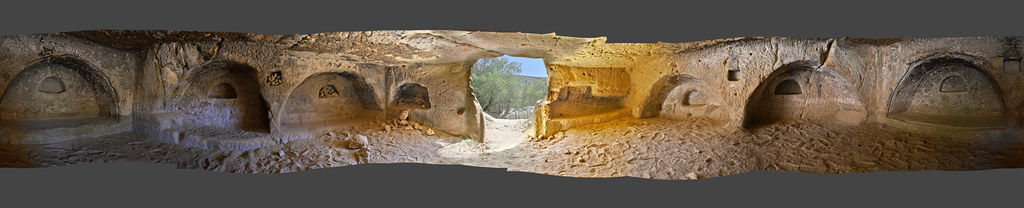
Çekim Tablosu
Belirtme (-i)oyuğu
Yönelme (-e)oyuğa
Bulunma (-de)oyukta
Çıkma (-den)oyuktan
Tamlayan (-in)oyuğun
Çoğul (-ler)oyuklar
Tanım
•isim: Oyulmuş, içi boş ve çukur olan yer
Diğer Dillerde
Almancabohren, Bohrung, Gezeitenwelle, Grübchen, Grube, Kerbe /ˈboːrən/
to bore, to drill · to pry (keep asking)
çekim: geçmiş bohrte · ortaç gebohrt · şimdiki bohrt · ulaç bohrend
köken: From Old High German borōn, from Proto-Germanic *burōną.
aile: Bohrer, Bohrloch, Bohrmaschine, Bohrung, Bohrwerk, dicker Bretter bohren, in der Nase bohren
Endlich oben. — Yukarı Koyukonca .
Käfer haben Löcher in diesen Baum gebohrt.
to bore someone
çekim: geçmiş barbé · ortaç barbé · şimdiki barbe · ulaç barbant
eş: gonfler
köken: From barbe + -er; compare with familiar sense of raser which was its original meaning in Old French.
aile: barbant
Du moins vers le haut. — Yukarı Koyukonca .
Le fait est qu'il ne perd aucune occasion de nous barber avec ses expériences dramatiques. (Claudel, Le Ravissement de Scapin, 1952)
İspanyolcaabertura, aburrir, agujerear, agujero, alcorque, ánima (dişil) /abeɾˈtuɾa/
opening (act of opening) · opening (something open) · aperture
çekim: çoğul aberturas
köken: Inherited from Latin apertūra, equivalent to abierto + -ura. Doublet of the borrowing apertura. Compare English aperture.
Se llama Tomoyuki Ogura. — Onun adı Tomoyuki Ogura.
İtalyancaalesare, annoiare, buca, calibro, cavità, cella di isolamento /a.leˈza.re/
to ream, to bore
çekim: geçmiş alesàto · ortaç alesàto · şimdiki alèsa · ulaç alesànte
eş: calibrare
köken: Borrowed from French aléser.
Zeratul, è sorpreso di sentire il nome Terra. — Boyuk Zira, Nargin adı ile de bilinmektedir.
страд. прич. прош. вр. от выдолбить
Самое интересное – это как строили дома. — En çok oyuklarda yuva yaparlar.
to pierce; to penetrate · to tear, to rip · to permeate
çekim: geçmiş ثَقَبْتُ
ثم ضغط الزجاج فيها باستخدام احتكاكها — Camı bu oyuklara kendi sürtünmesiyle tutturdum.
to bore, to pierce
çekim: geçmiş سُفته · ortaç سُفته · şimdiki میسُنبد · ulaç سُنبنده
köken: From Middle Persian [Book Pahlavi needed] (swptn', swmb- /suftan, sumb-/, “to pierce; to bore”).
پیشتر از نقش جان پذرفتهاند پیشتر از بحر درها سفتهاند
hole
çekim: çoğul deşiklər · tamlayan deşiyin
köken: From Proto-Turkic *deĺ- (“to make holes”).
Burnunu hər deşiyə soxma
hole
çekim: çoğul тесіктер · tamlayan тесіктің
köken: From Proto-Turkic *deĺ-, Cognates with Southern Altai тежик (težik), Kyrgyz тешик (teşik), Crimean Tatar teşik, Kumyk тешик (teşik), Azerbaijani deşik, Turkish deşik, Uzbek teshik, Khakas тизік (tizìk), Shor тежик, etc.
Tatarcaбатынкылык, тишек, чокыр
hole
köken: From *teš-ük "hole", from Proto-Turkic *deĺ- (“to pierce, make a hole”). Cognate to Bashkir тишек (tişek), etc.
Felemenkçebajes, boren, boring, de put, doorboren, doorzeven (dişil) /ˈbaː.jəs/
slammer, jail, prison
çekim: çoğul bajesen
eş: kast, nor, petoet
köken: Borrowed from Yiddish בית (bajes, “house”), from Hebrew בית (báyit, “house”).
aile: bajesklant
Vervolgens als boven. — Yukarı Koyukonca .
to annoy, bother, vex · to abhor, loathe, hate
çekim: geçmiş aborreci · ortaç aborrecido · şimdiki aborrece
köken: Inherited from Old Galician-Portuguese avorrecer, from Latin abhorrēscere. Compare Galician aborrecer.
aile: aborrecido
Facilidade de proteção (ver acima). — Yukarı Koyukonca (İng.
hole, aperture
çekim: çoğul οπές · tamlayan οπής
köken: From Ancient Greek ὀπή (opḗ).
Ένας κύκλος κλείνει για μένα. — İçinde bir oyuk açılır.
a tidal bore · a tsunami, a tidal wave
köken: /kaiseu/ → /kaiɕeu/ → /kaiɕoː/ From Middle Chinese compound 海嘯 /海啸 (xoj^X sewᴴ, literally “sea, ocean + to roar, to wail”), with the latter character in reference to the sound of the rushing water during a tidal bore. Compare modern Mandarin reading hǎixiào.
その作業をしてるとき — Camı bu oyuklara kendi sürtünmesiyle tutturdum.
cavity; hole · empty house · (positive) hole; cavity
eş: 電洞, 电洞, 正孔, 孔, 洞, 穴
(Close-up Ver.) — Yukarı Koyukonca (İng.
Korece구멍 /kumʌ̹ŋ/
hole, aperture, opening · defect, loophole, blind point · loss, deficit
eş: 틈, 사이, 구덩이
köken: From pre-Middle Korean *kwùmùk, the modern form preserving the velar nature of the final consonant. First appeared in the seventeenth century as a distinctively Modern Korean form, displacing the Middle Korean form 구무 (Yale: kwùmwù), which still survives in some dialects.
aile: 오존 구멍, 검은 구멍, 구멍가게
몇몇 종만이 땅 위나 굴 속에서 산다. — Bir kısmı toprak altında oyuklarda yaşar.
벽에 구멍을 뚫다
바지에 구멍이 났다.
to drill, to bore (make a hole with a drill or other boring instrument, through twisting and pressure)
çekim: geçmiş borrade · ortaç borrad · ulaç borrande
köken: From Old Swedish bora, from Old Norse bora, from Proto-Germanic *burōną. Equivalent to borr + -a.
aile: borrhål, borrmaskin, uppborra
Jerusalem, höj upp din röst (Urspr. — Yukarı Koyukonca (İng.
borra (upp) ett hål i en vägg
borra efter olja
to bore, drill (to make a hole) · to drill (a tooth)
çekim: geçmiş borowano · şimdiki boruje
köken: Etymology tree German bohrenbor. Proto-Indo-European *h₂euh₁-der.? Proto-Slavic *-ovati Old Polish -ować Polish -ować Polish borować From German bohren + Polish -ować.
aile: przeborować
I ścisnąłem je ze szkłem, tak, że zachodziło tarcie. — Camı bu oyuklara kendi sürtünmesiyle tutturdum.
Гарно лазить по деревах поблизу води. — Yuvaları su yakınındaki ağaç oyuklarına yaparlar.
hole · opening · perforation
çekim: çoğul छेदों
köken: Etymology tree Proto-Indo-European *sek-? Proto-Indo-European *-éyti Proto-Indo-European *skey- Proto-Indo-European *skeyd-der. Sanskrit छि॒द्र (chidrá) Prakrit 𑀙𑀺𑀤𑁆𑀤 (chidda) Sanskrit छेद (cheda)influ. Hindi छेद Inherited from Sauraseni Prakrit छिद्द (chidda), from Sanskrit छिद्र (chidra). Influenced in form by Sanskrit छेद (cheda), also from the root छिद् (chid). Doublet of छिद्र (chidra).
aile: छेददार, छेदना, अंग-छेदन, छेदक
बग़ीचे में किसी जानवर ने छेद बनाया है।
बक्से में छेद नहीं होना चाहिए।
Finceajaa koloon, aukko, aukottaa, kolo, kuoppa, läpäistä /ˈɑu̯kːo/
hole, gap, opening · aperture · hole (lack of an electron)
çekim: çoğul aukot · tamlayan aukon
köken: From Proto-Finnic *aukko (compare Estonian auk, Votic aukko), either derived from the same root as avata, aukea, or alternatively proposed to be a borrowing from Proto-Germanic *augô (“eye”).
aile: aukkoinen, aukollinen, aukoton, aukottaa, ampuma-aukko, anusaukko, aukkohakkuu, aukkokohta, aukkomomentti, aukkopahvi
Katso, kenguru loikkaa). — Koyukon Atabaskları (İng.
hole (hollow in some surface) · hole (opening in a solid) · hole (undesirable place to live)
çekim: çoğul díry · tamlayan díry
eş: otvor, škvíra, štěrbina, dutina, ďuzna, džuzna
köken: Inherited from Old Czech diera, from Proto-Slavic *děra.
aile: děravý, děrný, bezpečnostní díra, černá díra, děrný štítek, děrovačka
Upřednostňuje staré stromy. — Tercihen yaşlı ağaçların oyuklarında yuva yaparlar.
V plotu je díra.
Rumencegaură, găuri, plictisi (dişil)
hole
çekim: çoğul găuri · tamlayan găuri
köken: From a Vulgar Latin root *cavula, diminutive of Late Latin cava, from Latin cavus, cavum, or reformed through *găuri, the plural of a hypothetical earlier Romanian *gău, from cavus. Cf. zgău. Compare also Aromanian gavrã; cf. Albanian gavër.
aile: găuri
Si dupa aceea împingînd sticla înăuntru folosind puterea ei de frecare. — Camı bu oyuklara kendi sürtünmesiyle tutturdum.
to drill · to intrigue, scheme (to engage in secret schemes to harm someone)
çekim: geçmiş fúrtak
köken: Of debated origin: # From Proto-Uralic *pura- (“to bore; drill”). # Native word from fúl (“to stab”).
aile: furakodik, furakszik, furat, furdal, furdancs, furkál, fúrás, fúródik, átfúr, befúr
Felfelé vékonyodó. — Yukarı Koyukonca .
İbraniceחור, חור \ חֹר, חֹר, טַרְחָן, שִׁעֲמֵם (eril)
hole · hole (a dump, an out-of-the-way place)
çekim: çoğul חורים
köken: Cognate with Akkadian 𒆢 (ḫurru, “hole, cavity, cave, mine”), Ugaritic 𐎃𐎗 (ḫr, “cave, tomb”), Aramaic חוֹרָא (ḥōrā, “hole”).
aile: חור שחור, חֹר שָׁחֹר, חור תחת, חֹר תַּחַת
משהו התחיל לזוז בתוכי. — İçinde bir oyuk açılır.
a hollow, hole, cavity, depression, pit, opening · a cave, burrow, cavern
çekim: çoğul cava · tamlayan cavī
köken: Substantive of cavus (“hollow, excavated, concave”).
to drill, bore
çekim: geçmiş borede · ortaç boret · ulaç borende
köken: From Old Danish boræ, from Old Norse bora.
aile: boring, gennembore, boremaskine, borearbejde
ヨロシク, yoroshiku (gør venligst). — Tomoyuki Yoshino (d.
Etimoloji
By surface analysis, oy- + -uk. Cognate with Azerbaijani oyuq.
Eş & Zıt Anlamlılar
Örnek Cümleler
Yukarı Koyukonca .
Nagore Dargah.
Onun adı Tomoyuki Ogura.
His name is Tomoyuki Ogura.
Tilki oyuk bir ağaçta saklandı.
The fox hid in the hollow tree.
Hiçbirinde boğaz oyukları yoktur.
None has any throat grooves.
Ortalarında birer oyuk/kanal bulunur.
Liquid Lunch/That Channel.
Camı bu oyuklara kendi sürtünmesiyle tutturdum.
And then pushing the glass in with its own friction.
Yuvaları su yakınındaki ağaç oyuklarına yaparlar.
They carve their vows on a nearby tree.
Oyuklardan birinin girişine tam olarak sığabiliyor
It can just squeeze into the entrance hall of one of the tunnels
Tercihen yaşlı ağaçların oyuklarında yuva yaparlar.
They prefer to perch on the tops of trees.
Müzikler Hiroyuki Sawano tarafından hazırlanmıştır.
All music composed by Hiroyuki Sawano.
Çocuklar meşe oyunları için yerde küçük bir oyuk açtılar.
The children made a small hole in the ground for their game of marbles.
Çocuklar bilye oyunları için yerde küçük bir oyuk açtılar.
The children made a small hole in the ground for their game of marbles.
Birleşik Kelimeler
dalga oyuğu