Sözlük
/merdâne
merdane
"merdane" kelimesinin İngilizcesi: masculine, manly, roll, rolling pin. Anlamı, çevirisi, telaffuzu ve örnek cümleler aşağıdadır.
Çeviri
Genelmasculineadj
Genelmanlyadj
Genelroll
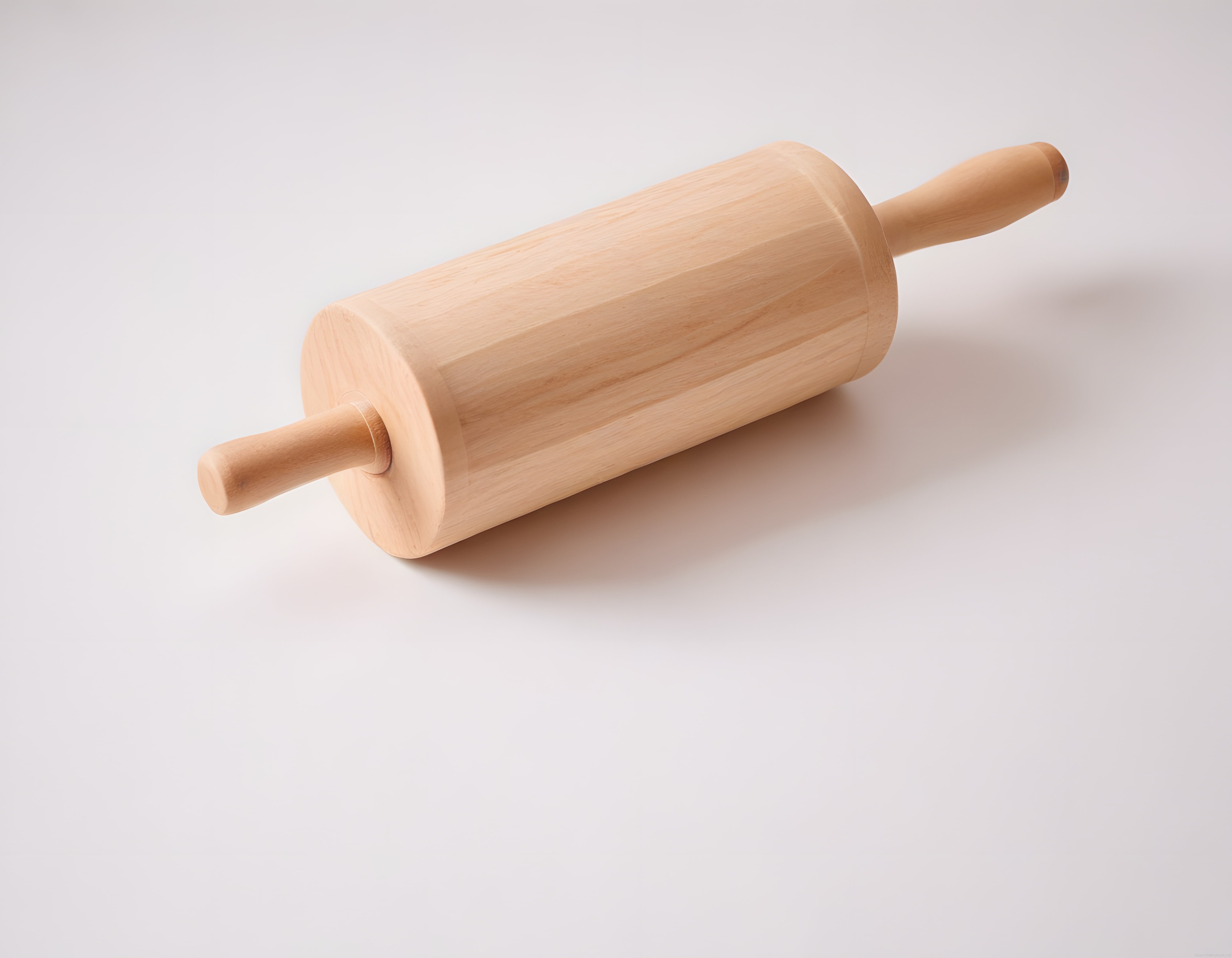
Genelrolling pinnoun
Görsel

Çekim Tablosu
Belirtme (-i)merdaneyi
Yönelme (-e)merdaneye
Bulunma (-de)merdanede
Çıkma (-den)merdaneden
Tamlayan (-in)merdanenin
Çoğul (-ler)merdaneler
Tanım
•sıfat, eskimiş: Erkeğe yakışan
•zarf: (me'rda:ne) mertçe
•isim: Türlü işlerde kullanılan, silindir biçiminde araç
•Kalın oklava
Diğer Dillerde
to roll up · to coil · to unroll, unwind
çekim: geçmiş rollte auf · ortaç aufgerollt · şimdiki rollt auf · ulaç aufrollend
Ihr Leckerli. — Ayak merdanesini.
Fransızcaaplatir, enrouler, faire rouler, gîte, grondement, gronder /a.pla.tiʁ/
to flatten (to make something flat)
çekim: geçmiş aplati · ortaç aplati · şimdiki aplatit · ulaç aplatissant
eş: aplanir
aile: aplatissage, aplatisseur, aplatissoir, aplatissoire
İspanyolcaalabear, alabeo, allanar, arrodear, balancear, balanceo /alabeˈaɾ/
to warp (especially wood)
çekim: geçmiş alabeé · ortaç alabeado · şimdiki alabea
köken: From álabe + -ar.
aile: alabeado, alabeo
¡AI contorsionista! — Ayak merdanesini.
İtalyancaaccartocciare, arrotolare, arrotolato, avvolgere, far girare, far rotolare /ak.kar.totˈt͡ʃa.re/
to roll up (paper)
çekim: geçmiş accartocciàto · ortaç accartocciàto · şimdiki accartòccia · ulaç accartocciànte
eş: avvolgere, incartare, incartocciare, stropicciare, spiegazzare, gualcire
köken: From a- + cartoccio + -are.
aile: accartocciarsi, accartocciatore, accartocciatura
In questi casi il mazzo si 'ferma'. — Bu nedenle lakabı "Merdane" olarak kalmıştır.
Rusçaвалик; ролик; каток, скалка (dişil) /ˈskaɫkə/
rolling pin · laundry mangle · ram, plunger, plunger piston
çekim: çoğul ска́лки · tamlayan ска́лки
eş: поршень
köken: скать (skatʹ, “to twist (thread), to roll out (dough)”) + -лка (-lka)
Своего дружка, я сказал через 15 минут. — Ayak merdanesini. Ona 15 dakika dedim.
расто́чная ска́лка
Farsçaمردانه /mar.daː.ˈna/
manly · masculine
çekim: karşılaştırma مردانهتَر · üstünlük مردانهتَرین
köken: From مرد (mard) + ـانه (-âne).
aile: مردانگی
to roll
çekim: geçmiş diyirlənmiş · ortaç diyirlənmiş · şimdiki diyirlənir
köken: From diyirlə- + n.
Felemenkçeboekrol, dreun, gedreun, geroffel, gerommel, geslinger (dişil)
scroll
çekim: çoğul boekrollen
köken: Equivalent to boek (“book”) + rol (“roll, scroll”).
Tootsie roll. — Ayak merdanesini.
Portekizceamassar, balanço, cambalhota, chamada, cilindro, circular /a.maˈsa(ʁ)/
to knead · to crush, to smash · to win undoubtedly at an argumentation or quarrel
çekim: geçmiş amassei · ortaç amassado · şimdiki amassa
köken: From a- + massa + -ar.
É melhor você esperar, ainda preciso misturar os ingredientes, amassar e levar ao fogo.
A briga durou pouco, pois logo fui amassado contra a parede.
Havia provas e havia testemunhas. Ele não pode negar, está totalmente amassado.
Yunancaανδροπρεπής, αντρίκειος, αρρενωπός /anðropreˈpis/
manly, masculine (in appearance and behaviour)
çekim: karşılaştırma ανδροπρεπέστερος · üstünlük ανδροπρεπέστερος
eş: αρρενωπός
zıt: θηλυπρεπής
köken: ανδροπρεπής < άνδρας + -πρεπής
Τον "νθρωπο-Λάστιχο", θα φύγει. — Ayak merdanesini.
to roll up, to make into a ball · to cajole, to talk into
çekim: geçmiş 丸めた
eş: 丸め込む
köken: From Old Japanese 丸む (marumu), in the 下(しも)二(に)段(だん)活(かつ)用(よう) (shimo nidan katsuyō, “lower bigrade conjugation”) pattern. Development Natural progression from Old and Classical Japanese 下(しも)二(に)段(だん)活(かつ)用(よう) (shimo nidan katsuyō, “lower bigrade conjugation”) verbs ending in -u to modern Japanese 下(しも)一(いち)段(だん)活(かつ)用(よう) (shimo ichidan katsuyō, “lower monograde conjugation”) verbs ending in…
to close one's eyes
çekim: geçmiş 감았다
zıt: 뜨다
köken: First attested in the Worin seokbo (月印釋譜 / 월인석보), 1459, as Middle Korean ᄀᆞᆷ〮다〮 (Yale: kóm-tá). This verb is connected to a wide range of ideophones; see more on ᄀᆞᆷᄌᆞᆨ (Yale: komcok).
눈을 감다
present participle of bölja
manly · male · masculine
çekim: karşılaştırma bardziej męski · üstünlük najbardziej męski
eş: dla panów, maskulinistyczny, samczy, ♂
zıt: babski, niemęski, damski, kobiecy, żeński
köken: Etymology tree Old Polish męzki Polish męski Inherited from Old Polish męzki. By surface analysis, mąż + -ski.
aile: męskie klimakterium, męskość
rodzaj męski
Ukraynacaзаверта́ти, закру́тувати, коти́ти, коти́тися, сувій, суві́й (eril) /sʊˈʋʲii̯/
roll, scroll
çekim: çoğul суво́ї · tamlayan суво́ю
köken: From су- (su-) + -ві́й (-víj), related to ви́ти (výty, “to twist”).
ball · cannonball · globe, orb, sphere
çekim: çoğul गोले
köken: Inherited from Prakrit 𑀕𑁄𑀮𑀅 (golaa), from Sanskrit गोलक (golaka). Compare गोल (gol).
Finceaprikoida, asiakirja, hokea, jyminä, jyrä, jyrääminen /ˈɑprikoi̯dɑˣ/
to think, ponder, wonder
çekim: geçmiş aprikoinut · şimdiki aprikoi · ulaç aprikoiva
köken: aprik- + -oida; probably borrowed from Russian обрекать (obrekatʹ, “to condemn, (dialectal) to suppose, to presume”). Cognate with Karelian aprikoija, Livvi abrikoija. For the semantic development, compare miettiä.
aile: aprikoiminen, aprikointi, aprikoitseminen
to roll · to roll, to wheel
çekim: geçmiş kutálela · ortaç kutálela · şimdiki kutálí
köken: Inherited from Old Czech kotáleti, from Proto-Slavic *kotalěti. First attested in the 19th century.
Tootsie čeká. — - Kimi? Ayak merdanesini.
Vítr mu sebral klobouk a kutálel jím/jej po poli.
Brambory se kutálejí do sklepa.
Rumencebărbătesc, bărbătos, învârti, masculin, rostogoli, roti /bər.bəˈtesk/
manly, masculine
zıt: femeiesc, feminin
köken: From bărbat + -esc. Compare Aromanian bãrbãtescu.
aile: bărbătește
Fără contorsionist. — Ayak merdanesini.
manly (having the characteristics of a man)
çekim: karşılaştırma férfiasabb · üstünlük legférfiasabb
köken: férfi + -as
aile: férfiasan, férfiasság
Kukac Matyit. — Ayak merdanesini.
The act of rolling. · The preparation of a cigarette or a joint by folding paper. · metamorphosis
çekim: çoğul גִּלְגּוּלִים
male, masculine · manly, virile · Used of the larger and coarser varieties of plants or other natural products
çekim: çoğul masculī · tamlayan masculī
köken: Etymology tree Latin mās Proto-Indo-European *-lós Proto-Indo-European *-elós Proto-Italic *-elos Proto-Italic *-kelos Latin -culus Latin masculus From mās ("male") + -culus (diminutive ending).
aile: masculīnus
manly, masculine
köken: mand (“man”) + -ig
Senere trinbræt med sidespor. — Daha sonra hamuru merdane ile açın.
Endonezcejantan /ˈd͡ʒantan/
male (belonging or referring to the sex having the smaller gametes (of animals and plants)) · manly · male (of human)
çekim: karşılaştırma lebih jantan · üstünlük paling jantan
eş: laki-laki, pria
zıt: betina, perempuan
köken: Inherited from Malay jantan, from Old Javanese jantĕn. Displaced native balu (“male; now chiefly meaning widow”) which is also the cognate of Javanese jalu.
aile: berjantan, kejantanan, menjantani, pejantan, perjantanan
Vietnamcachức vụ, cuốn, cuộn, danh mục, danh sách, đẩy /t͡ɕɨk̚˧˦ vu˧˨ʔ/
function (of one's office); duty and power; responsibility
köken: Sino-Vietnamese word from 職務.
Etimoloji
Inherited from Ottoman Turkish مردانه (merdâne, “manly”), from Persian مردانه (mardâne). By surface analysis, mert + -ane.
Eş & Zıt Anlamlılar
Örnek Cümleler
Ayak merdanesini.
Tootsie roll.
Karısı elindeki merdane ile uyuyakalmıştır.
Florent settled with his wife in Morea.
İşlem, merdane ile örs arasında sıkıştırılan kayışla başlar.
The process starts with the strap compressed between the platen and the anvil.
Kalıp döndükçe mürekkep ve nemlendirme merdaneleriyle temas eder.
When he regains consciousness, the sack and hands are gone, and his wrists are bleeding.
Un tekrar elle yoğrulur ve merdane ile düz, yuvarlak bir şekil verilir.
The flour is kneaded again by hand and then rolled out using a rolling pin into a flat, round shape.