Sözlük
/malikâne
malikane
C2 seviye
TR → EN
"malikane" kelimesinin İngilizcesi: homestead, demesne, estate, manor, mansion. Anlamı, çevirisi, telaffuzu ve örnek cümleler aşağıdadır.
Çeviri
Genelhomestead
Geneldemesne
Genelestate
Genelmanor
Genelmansion
Genelmansion
Görsel
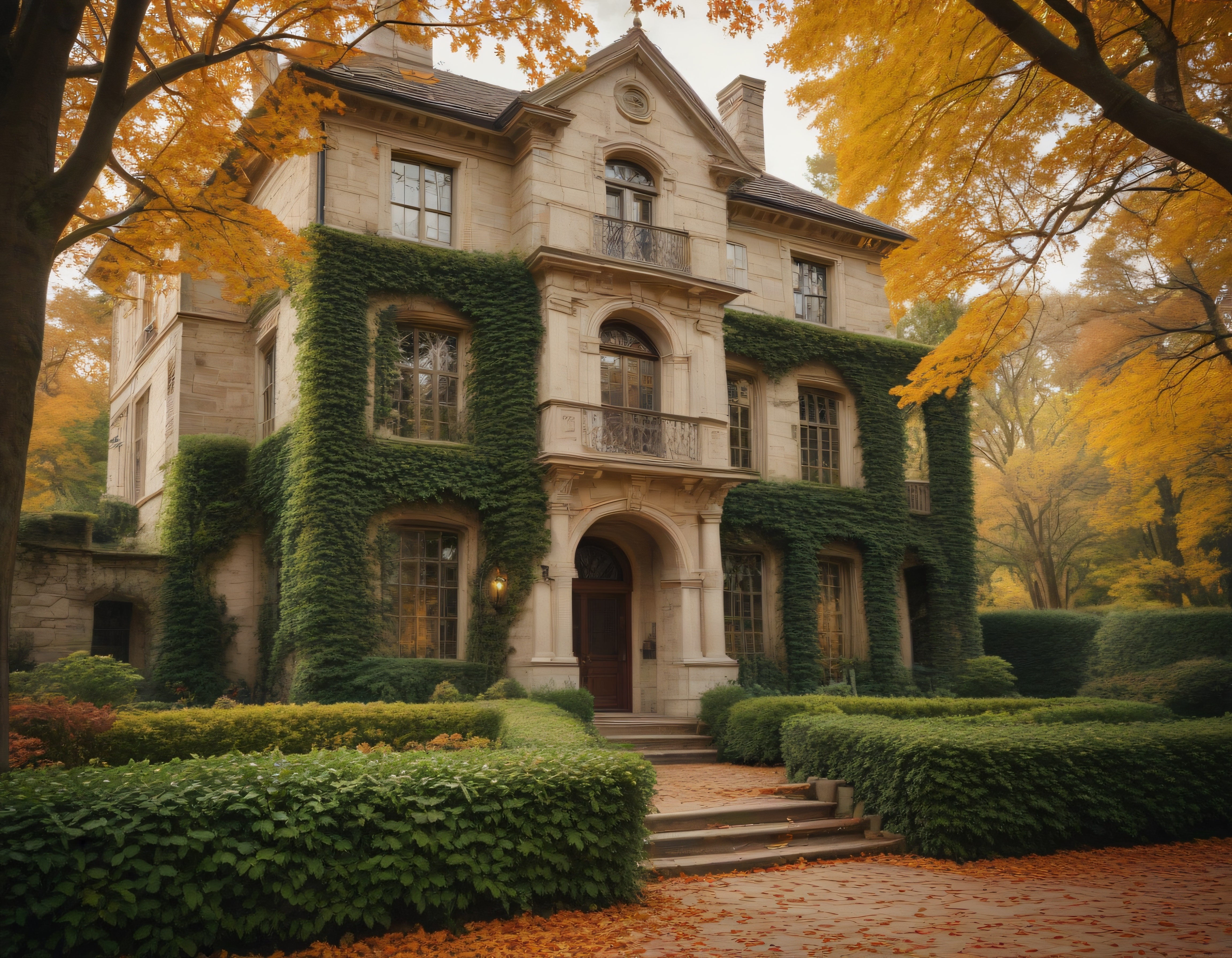
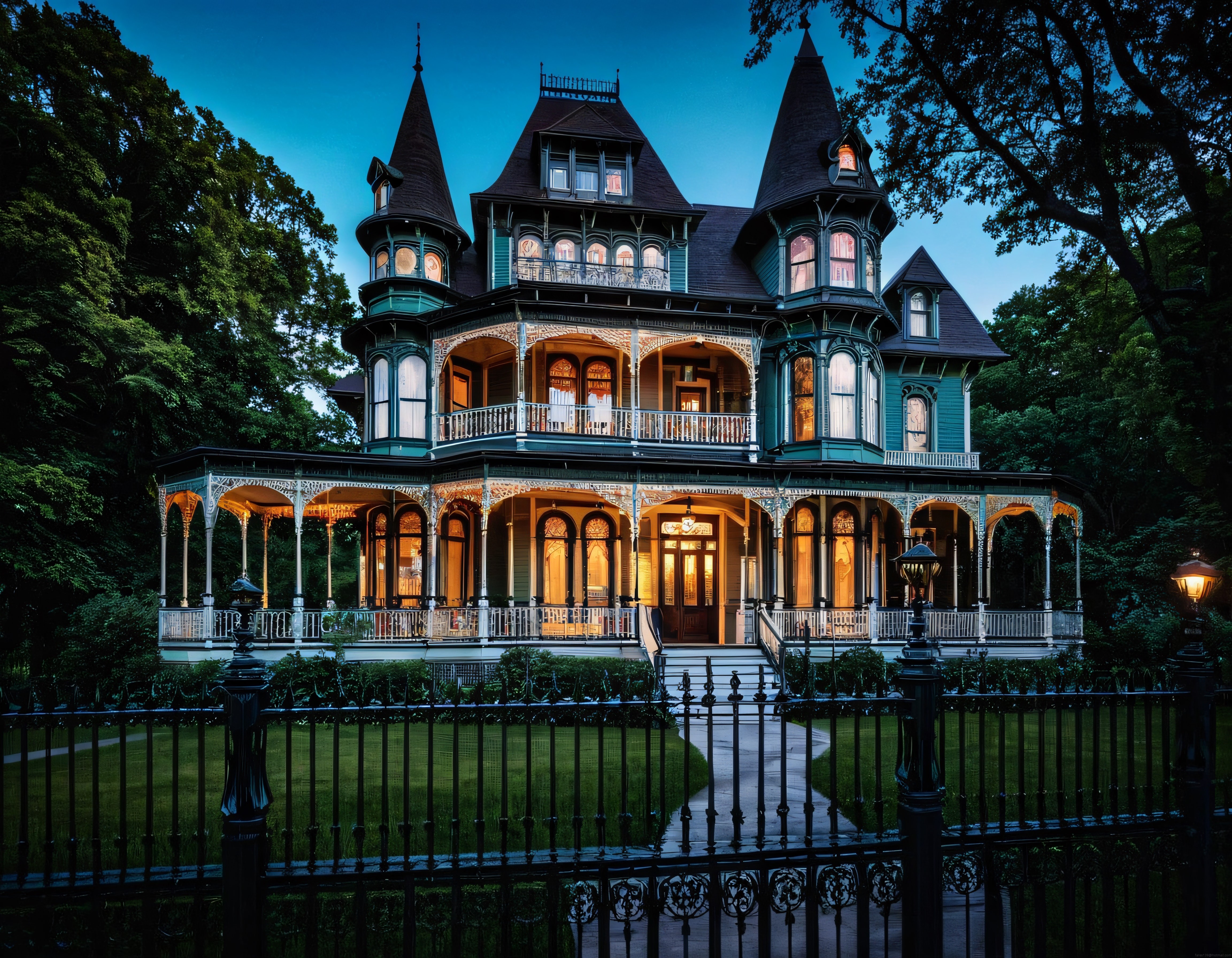
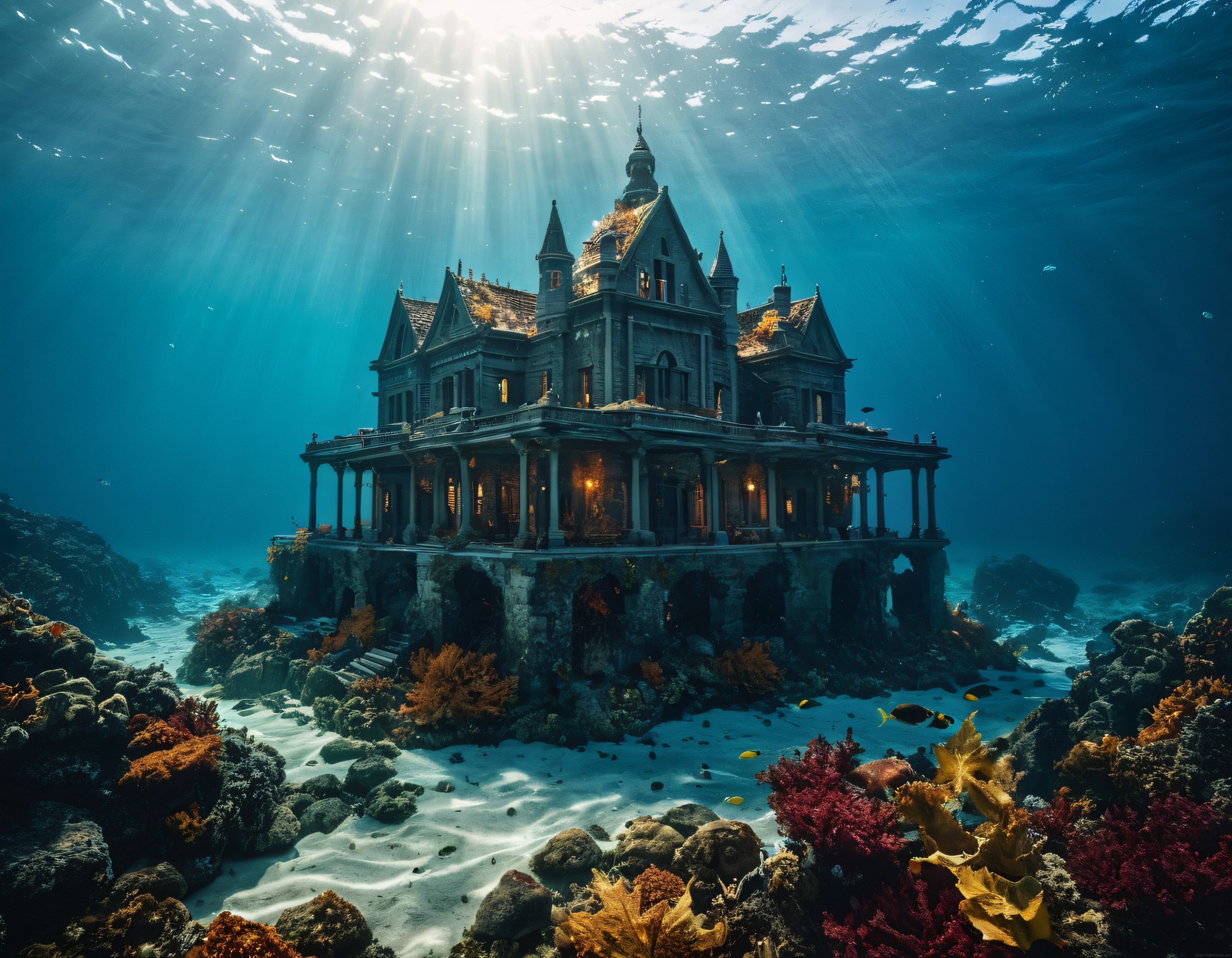
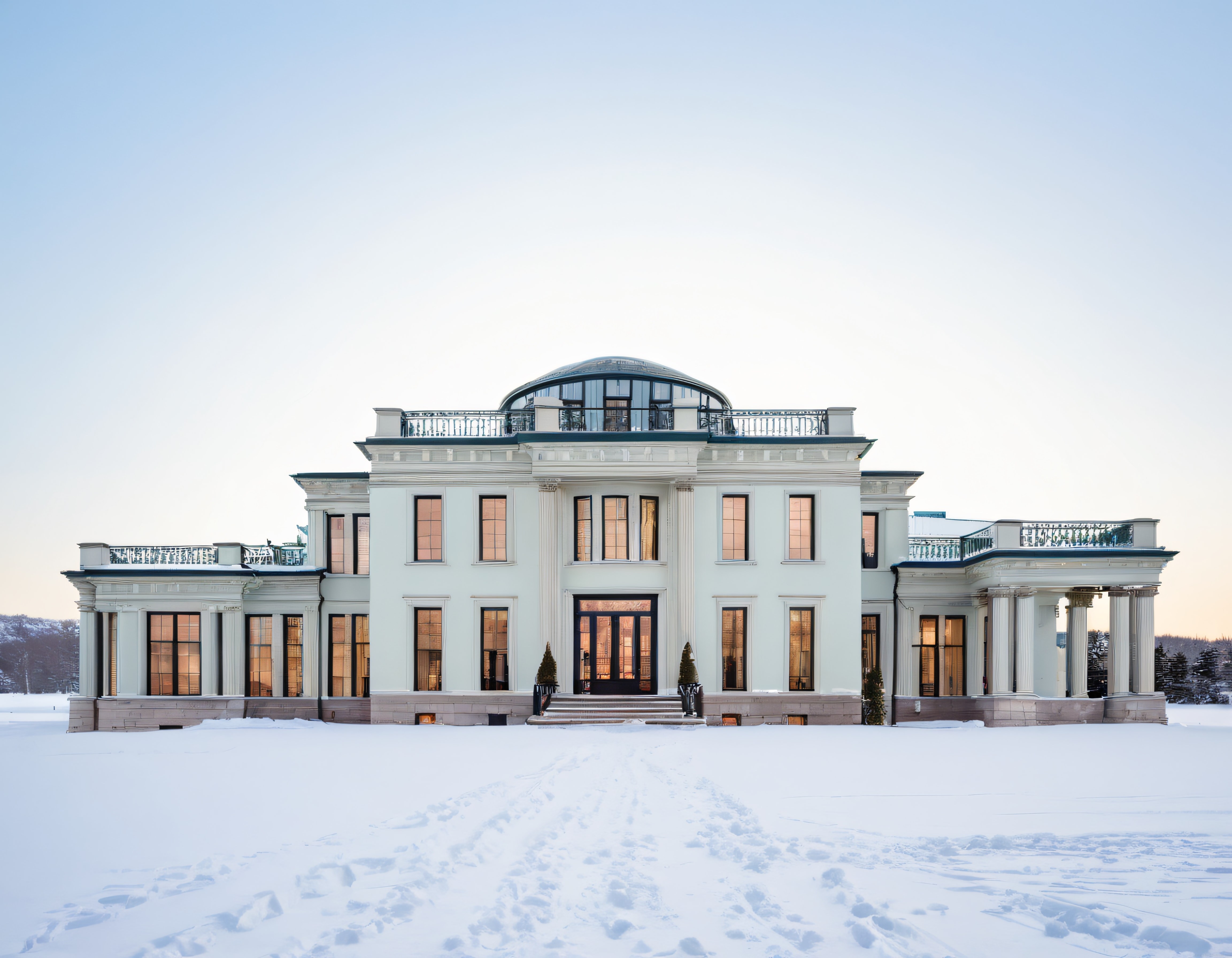
Tanım
•isim: Geniş bir alana kurulmuş, büyük ve gösterişli ev; yurtluk
Diğer Dillerde
property (piece of land with an owner)
çekim: tamlayan Anwesens
eş: Landsitz, Liegenschaft, Immobilie
Ich stand vor seinem Haus. — Malikanenin ön kapılarını gördüm.
plural of bien
Léopold III et plus tard Léopold VI y eurent leur résidence. — III. Leopold ile VI. Leopold'un burada malikaneleri bulunmaktaydı.
İspanyolcabien, bienes, casoplón, estado, estamento, estatus /ˈbjen/
well (adverbial form of bueno) · well; fine; okay (state of being satisfied with the status quo) · properly
çekim: çoğul bienes
zıt: mal
köken: Etymology tree Proto-Indo-European *dewh₂-der.? Proto-Italic *dwenos Old Latin duenos Old Latin *duenēd Latin bene Old Spanish bien Spanish bien Inherited from Old Spanish bien, from Latin bene (“well”), Old Latin *duenēd, from duenos (“good”), which gave bonus, from Proto-Italic *dwenos.
aile: antes bien, bien así, bien así como, bien como, bien cuidado, bien de, bien dispuesto, bien dotado, bien es verdad, bien está
La mansión Armstrong está completamente vacía. — Armstrong malikanesi bomboş.
Toca bien el piano.
hasta aquí todo bien
Ya es bien tarde.
İtalyancaasse ereditario, beni, dimora, magione, palazzo, possedimento (eril)
estate (The collective property and liabilities of someone deceased) · assets (sufficient estate)
çekim: çoğul assi ereditari
Nella villa degli Armstrong? — Armstrong malikanesinde mi?!
Rusçaпоместье, усадьба
Особняк Армстронгов абсолютно пуст. — Armstrong malikanesi bomboş.
Arapçaتركة, تَرِكَة, عَقَار, مُمْتَلَكَات
لقد كنت ذات مرة قرب البوابات الأمامية. — Malikanenin ön kapılarını gördüm.
Farsçaکوشک /ˈkoːʃk/
pavilion · palace · mansion
çekim: çoğul کوشکها
köken: From Middle Persian kwšk' (kōšk, “pavilion, palace, kiosk”). Compare Aramaic קושקא (qōšqāʾ) / ܓܘܫܩܐ (gawšāqāʾ), Iranian borrowings. Doublet of کیوسک.
Azericeimarət /imɑːˈræt/
mansion
çekim: çoğul imarətlər · tamlayan imarətin
köken: From Arabic عِمَارَة (ʕimāra).
Kazakçaжекежай
mansion
çekim: çoğul жекежайлар · tamlayan жекежайдың
köken: From жеке (jeke, “private; separate”) + жай (jai, “residence”).
Felemenkçebezit, eigendom, landgoed, landhuis, standadel (nötr) /bəˈzɪt/
possession · possession, belonging · assets
köken: From Middle Dutch besit. Equivalent to a deverbal from bezitten.
aile: balbezit, bezitloos, bezitneming, bezitrecht, bezitsvorm, bezitterig, geldbezit, grondbezit
Ik ben tot aan de toegangspoort geweest. — Malikanenin ön kapılarını gördüm.
plural of bem
Dentro da mansão Armstrong?! — Armstrong malikanesinde mi?!
Yunancaαρχοντικό (nötr)
accusative masculine singular of αρχοντικός (archontikós) · nominative/accusative/vocative neuter singular of αρχοντικός (archontikós)
çekim: çoğul αρχοντικά · tamlayan αρχοντικού
Μέσα στην έπαυλη Άρμστρονγκ; — Armstrong malikanesinde mi?!
Korece대저택 /ˈtɛ(ː)d͡ʑʌ̹tʰɛk̚/
mansion
köken: Sino-Korean word from 大邸宅
제가 그 정문까지 가보았는데 — Malikanenin ön kapılarını gördüm.
İsveççeäga, dödsbo, egendom, stånd, sterbhus /²ɛːɡa/
an estate, grounds, property, land
çekim: çoğul ägor · tamlayan ägas
köken: From Old Swedish ǣgha, from Old Norse eiga, from Proto-Germanic *aigǭ, from Proto-Indo-European *eik-.
Armstrongs hus är helt tomt. — Armstrong malikanesi bomboş.
i någons ägo
Lehçedwór, rezydencja, włość (eril) /ˈdvur/
court, mansion (residence of a sovereign, prince, nobleman, or other dignitary) · courtyard · manor
çekim: çoğul dwory · tamlayan dworu
eş: reg. krak. pole, reg. śl. plac
köken: Inherited from Proto-Slavic *dvòrъ, from Proto-Balto-Slavic *dwára (“doorway”), from Proto-Indo-European *dʰwór-o-m, from Proto-Indo-European *dʰwer- (“door”). Doublet of forum (“forum”), a borrowing from Latin.
aile: dworski, nadworny, dworzanin, dworzec, podwórko, podwórze, podwórzec, dworować
W posesji Armstrongów? — Armstrong malikanesinde mi?!
Ukraynacaмає́ток, майно́, спа́дщина, стан /stan/
trunk, torso (of a human body) · waist · trunk (of a tree)
çekim: çoğul ста́ни · tamlayan ста́ну
köken: Inherited from Old East Slavic станъ (stanŭ), from Proto-Slavic *stanъ.
aile: воє́нний стан, надзвича́йний стан
Я була біля його воріт. — Malikanenin ön kapılarını gördüm.
Hintçeमहल, संपत्ति, संपदा, सम्पत्ति, हवेली (eril) /mə.ɦəl/
palace · woman's quarters
çekim: çoğul महलों
köken: Borrowed from Classical Persian محل (mahall), from Arabic مَحَلّ (maḥall). Compare Bengali মহল (mohol), Marathi महाल (mahāl) and Punjabi ਮਹਿਲ (mahil).
Fincejäämistö, johtaja, johtomies, kartano, linna, mahtimies /ˈjæːmistø/
estate (assets and liabilities of a deceased person)
çekim: çoğul jäämistöt · tamlayan jäämistön
köken: jäämi- (plural stem) + -stö
aile: jäämistöoikeus
Armstrongin talossako? — Armstrong malikanesinde mi?!
possession, property
eş: vlastnictví, jmění, aktiva
köken: From the present active participle stem *jьmajęt- of the verb *jьměti (compare modern Czech mít (“to have”)). Compare also majitel (“owner”).
aile: majetkový, majetný, osobní majetek, soukromý majetek, veřejný majetek
Kořeny rodu jsou známy až do roku 1623. — Bu aile malikane arazisine 1623'e kadar sahiplik yapmışlardır.
mansion
çekim: çoğul conace · tamlayan conacului
köken: Borrowed from Ottoman Turkish قوناق (konak, “mansion, station, inn”), from Proto-Turkic *kon (“guest”).
Am fost până la poarta casei. — Malikanenin ön kapılarını gördüm.
İbraniceאַרְמוֹן, טִירָה, מָעוֹן
הגעתי עד השערים הקדמיים שלה. — Malikanenin ön kapılarını gördüm.
Latincemanerium (nötr) /maˈneː.ri.ũː/
a manor
çekim: çoğul manēria · tamlayan manēriī
köken: From Old French maneir, from Latin manēre (“to stay; to stop at, lodge”).
a mansion
çekim: çoğul herskabshuse · tamlayan herskabshus'
köken: From herskab + -s- + hus.
Armstrongs hus er helt tomt. — Armstrong malikanesi bomboş.
Norveççedødsbo
Hovedpersonen Blakey reiser dit for å besøke en syk venninne. — Blake Wayne malikanesine gider ve Bruce ile görüşür.
Endonezcewastu
Sebaliknya dukun justru yang kerasukan. — Malikanenin aksine ğacın bulunduğu arazi özel mülktür.
Vietnamcadinh thự /zïŋ˧˧ tʰɨ˧˨ʔ/
mansion (large house or building)
köken: Sino-Vietnamese word from 營 and 墅.
Tôi đã có dịp đứng trước cổng của tòa lâu đài đó. — Malikanenin ön kapılarını gördüm.
Bulgarcaвладение, имение, имот, наследство, резиденция, съсловие (eril) /iˈmɔt/
property, estate, assets
çekim: çoğul имо́ти
köken: Derived from и́мам (ímam, “to have”) + -от (-ot). Cognate with Polish imota, attested in the phrase do imoty (“fully, to the very end”). Further related to Serbo-Croatian имо̀вина (“property, assets”), Slovene imovína (“id.”).
Аз съм била пред портите му. — Malikanenin ön kapılarını gördüm.
Etimoloji
Arapça: malik (sahip) + Farsça: hane (ev)
Eş & Zıt Anlamlılar
Örnek Cümleler
Tom malikanede kayboldu.
Tom got lost inside the manor.
Tom bir malikanede yaşıyor.
Tom lives in a mansion.
Sami malikaneye geri geldi.
Sami came back to the mansion.
Tom'un büyük bir malikanesi var.
Tom has a large mansion.
Sami sevgili malikanesini sattı.
Sami sold his beloved mansion.
Malikanenin ön kapılarını gördüm.
I've been up to its front gates.
Stefan malikanesine geri dönüyordu.
Stefan was walking back to his mansion.
Chris, Lamar'ın malikanesine gider.
Chris goes to Lamar's mansion, where the hitman and his men await.
Sami'nin sevgili malikanesi satılıktı.
Sami's beloved mansion was on the market.
Yanni malikanesini çürümeye terk etti.
Yanni left his beautiful mansion to rot.
Sami ve Leyla bir malikanede yaşadılar.
Sami and Layla lived in a mansion.
Sami'nin sevgili malikanesi piyasadaydı.
Sami's beloved mansion was on the market.