mühür
/myˈhyɾ/
noun
C2 seviye
TR → EN
"mühür" kelimesinin İngilizcesi: seal, bulla, seal, signet, cachet. Anlamı, çevirisi, telaffuzu ve örnek cümleler aşağıdadır.
Çeviri
Genelsealnoun
Genelbulla
Genelseal
Genelsignet
Genelcachet
Genelcachet
Görsel


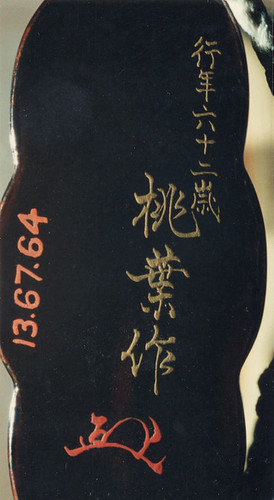
Çekim Tablosu
Belirtme (-i)mührü
Yönelme (-e)mühre
Bulunma (-de)mühürde
Çıkma (-den)mühürden
Tamlayan (-in)mührün
Çoğul (-ler)mühürler
Tanım
•bir kişinin, bir kuruluşun isminin veya unvanın tersine kazılı bulunduğu metal, lastik gibi şeylerden yapılmış araç.
•bu araçla basılan ve imza yerine geçen ad
•Bir kimsenin, bir kuruluşun adının veya unvanının tersine kazılı bulunduğu, metal, lastik ve benzerinden yapılmış araç
•Bu araçla basılan ve imza yerine geçen ad
Atasözü & Deyim
“Mühür kimde ise Süleyman odur”
Diğer Dillerde
to seal (prevent leakage)
çekim: geçmiş dichtete ab · ortaç abgedichtet · şimdiki dichtet ab · ulaç abdichtend
eş: dicht machen, dichtmachen, isolieren
köken: From ab- + dichten.
aile: Abdichtung, abdichtend, abgedichtet
Die Versiegler aber waren: Nehemia, der Landpfleger, der Sohn Hachaljas, und Zedekia, — Antlaşmayı mühürleyenler şunlardı:
seal · pill · cachet
çekim: çoğul cachets
eş: estampille, sceau, capsule, gélule
köken: From cacher + -et.
aile: blanc comme un cachet d'aspirine, lettre de cachet
La boîte est cachetée. — Kutu mühürlüydü.
to cordon off, seal, seal off (physically isolate an area or building for security reasons preventing human passage)
çekim: geçmiş acordoné · ortaç acordonado · şimdiki acordona
köken: From a- + cordón + -ar.
aile: acordonamiento
La Cajita infeliz. — Kutu mühürlüydü.
İtalyancabollo, chiudere, chiudere ermeticamente, guarnizione, interdire, isolare (eril) /ˈbol.lo/
stamp · seal · brand
çekim: çoğul bolli
eş: impronta, marcatura, marchio, segno, sigillo, timbro
köken: From Latin bulla. Compare Sicilian buḍḍu.
aile: bollo postale, francobollo
Il pentito: “Occhi chiusi su operazioni sospette”. — Silme işlemi "Olumsuz mühürler"i kapsıyordu.
Rusçaпечать (dişil) /pʲɪˈt͡ɕætʲ/
printing, print · press (media) · stamp (device)
çekim: çoğul печа́ти · tamlayan печа́ти
eş: печатание, пресса, штамп, штамп, печатание
köken: Inherited from Proto-Slavic *pečatь.
Поставьте здесь подпись или печать. — Burayı imzalayın veya mühürleyin.
Он принадлежа́л двум эпо́хам, и о́бе положи́ли на него́ печа́ть свою́.
Я́звы пла́чущей плане́ты Мо́лят про́сто помолча́ть Обними́ её покре́пче На ней го́рькая печа́ть
Arapçaخَتْم, فُقْمَة
أنههـا بقبلة — Bir öpücükle mühürle.
seal, stamp
çekim: çoğul möhürlər · tamlayan möhürün
köken: Borrowed from Persian مهر.
seal, Phocidae
çekim: çoğul итбалықтар · tamlayan итбалықтың
köken: From ит (it, “dog”) + балық (balyq, “fish”).
Özbekçemuhr
Tatarcaмөһер
Felemenkçeblaar, blein, bulla, rob, sluiting, verzegelen (dişil) /blaːr/
blister
çekim: çoğul blaren
köken: From Middle Dutch blader (“vesicle”), from Old Dutch *blādara, from Proto-West Germanic *blādrā (“blister, bubble”). Created by syncope of the -d- from Middle Dutch blader; the -d- is geminated before the -r-, similar to botter from boter and wakker from waken.
aile: bloedblaar, brandblaar
Hier volgen de namen van degenen die tekenden: gouverneur Nehemia (de zoon van Hachalja), — Antlaşmayı mühürleyenler şunlardı:
Portekizceinterditar, selar, selo, selo de segurança, sinete, timbre /ĩ.teʁ.d͡ʒiˈta(ʁ)/
to interdict · to seal off (prohibit access)
çekim: geçmiş interditei · ortaç interditado · şimdiki interdita
köken: From Latin interdicō.
Sele com um beijo. — Bir öpücükle mühürle.
Yunancaβούλα, στεγανοποίηση, σφραγίδα, σφραγίζω, σφράγισμα, φώκια (dişil) /ˈvu.la/
a diminutive of the female given name Βασιλική (Vasilikí) · a diminutive of the female given name Παρασκευή (Paraskeví) · a diminutive of the female given name Σταυρούλα (Stavroúla)
çekim: çoğul βούλες · tamlayan βούλας
Οι δε επισφραγισαντες ησαν Νεεμιας ο Θιρσαθα ο υιος του Αχαλια, και Σεδεκιας, — Antlaşmayı mühürleyenler şunlardı:
Αγόρασα ένα κόκκινο φόρεμα με μωβ βούλες.
stamp; seal
köken: Sino-Korean word from 圖章, from 圖 (“diagram”) + 章 (“composition”).
시호는 충개. — Kutu mühürlüydü.
저는 도장이 없으니까 서명을 하겠습니다.
seal (marine mammal)
çekim: çoğul sälar · tamlayan säls
köken: From Old Norse selr (“seal”).
aile: gråsäl, grönlandssäl, knubbsäl, leopardsäl, pälssäl, storsäl, säldjur, säldöd, sälfångare, sälfångst
Akkaderna intar Sumer. — Sumer silindir mühürleri.
Lehçebanderola, banderolować, foka, pieczątka, pieczęć, polować na foki (dişil) /ban.dɛˈrɔ.la/
excise stamp, seal of quality
çekim: çoğul banderole · tamlayan banderoli
köken: Borrowed from French banderole, from Italian banderuola.
aile: banderolować
Podczas nocnego dyżuru Jakub próbuje uspokoić chłopczyka. — Bebek doğunca, Jacob bebeğe mühürleniyor.
Ukraynacaпеча́тка
Закріпіть усе поцілунком. — Bir öpücükle mühürle.
stamp, marking, impression · stamp; mould
çekim: çoğul छापें
köken: Deverbal form of छापना (chāpnā, “to print”).
Fincehylje, hyväksyntä, leima, leimasin, leimata, pyytää hylkeitä /ˈhyljeˣ/
seal (common language term for smaller pinnipeds; used mainly of earless or true seals but sometimes also covering the eared seals) · earless seal, true seal (any seal of the family Phocidae)
çekim: çoğul hylkeet · tamlayan hylkeen
köken: From Proto-Finnic *hülgeh (see it for more details). Cognate with Estonian hüljes.
aile: varsinainen hylje, afrikanhylje, australianhylje, baikalinhylje, beringinhylje, beringinisohylje, eteläamerikanhylje, floridanhylje, galapagosinhylje, grönlanninhylje
Eliksiiri, jonka Eastern-viisas piilotti. — Dogulu Bilge tarafından mühürlenen büyük iksir.
fur seal, sea lion
çekim: çoğul lachtani · tamlayan lachtana
eş: lvoun
köken: From Russian лахтак (laxtak). Coined by Bohemian botanist Jan Svatopluk Presl in 1820.
Výborné jsou však staré ruční pískovcové brusy. — Eski Babil silindir mühürleri.
seal (animal)
çekim: çoğul foci · tamlayan foci
köken: Etymology tree Pre-Greekbor.? Ancient Greek φώκη (phṓkē)bor. Latin phōcabor. Middle French phoque French phoquebor. ▲ Latin phōcabor. Romanian focă Borrowed from French phoque m and Latin phōca f, ultimately from Ancient Greek φώκη f (phṓkē).
Iată pe cei ce şi-au pus pecetea: Dregătorul Neemia, fiul lui Hacalia Zedechia, — Antlaşmayı mühürleyenler şunlardı:
Macarcaadójegy, beragaszt, bezár, biztonsági fólia, biztos arat (győzelmet), biztosíték /ˈbɛzaːr/
to close, to lock
çekim: geçmiş bezártak
zıt: kinyit
köken: be- + zár
aile: bezárás
megpecsételt [kötése]ken pedig ott valának: Nehémiás, a király helytartója, a Hakhalia fia és Sédékiás; — Antlaşmayı mühürleyenler şunlardı:
sealing, caulking, stoppage
מיקרו אשראי חיסכון לאומי איתור חסכונות אבודים — Mali Mühür Ödeme Kaydedici Cihaz
Latincephoca, sigillum (dişil) /ˈpʰoː.ka/
seal (marine animal)
çekim: çoğul phōcae · tamlayan phōcae
köken: Etymology tree Pre-Greekbor.? Ancient Greek φώκη (phṓkē)bor. Latin phōca Borrowed from Ancient Greek φώκη (phṓkē).
saepe vēnātī phōcae ad escam.
nunc ibi dēfōrmēs pōnunt sua corpora phōcae
seal (Phocidae)
çekim: çoğul sæler · tamlayan sæls
köken: From Old Norse selr (“seal”).
aile: Sjælland, sælskind
Låsen på ryggens inderside er mediet - — Sırtının iç kısmındaki ,su mühür
Norveççeforsegling, sel
Bjørnen kjennes første gang fra et segl fra 1280. — Ayı ilk defa 1280'de bir mühürde görülmektedir.
Etimoloji
Inherited from Ottoman Turkish مهر (mühr, mühür), from Classical Persian مهر (muhr, “seal”), ultimately from Middle Persian 𐫖𐫇𐫍𐫡 (mwhr /muhr/, “seal”).
Deyimler
Kelime Ailesi
Eş & Zıt Anlamlılar
Eş anlamlılar
Örnek Cümleler
Kaderim mühürlendi.
My fate was sealed.
Tom zarfı mühürledi.
Tom sealed the envelope.
Tom odayı mühürledi.
Tom sealed the room.
Kaderimiz mühürlendi.
Our fate was sealed.
Bir öpücükle mühürle.
Seal it With a kiss.
Dudaklarım mühürlüdür.
My lips are sealed.
Tom anlaşmayı mühürledi.
Tom sealed the deal.
Hitit silindir mühürleri.
Segeltorps IF damlag.
Mühürde tek isim yazýyor.
In my visa, there is only a single country entrance
Onu mühürleme şansım oldu.
I had the chance to seal it.
Ona mühürlü bir zarf uzattı.
He handed her a sealed envelope.
O bana mühürlü bir zarf verdi.
She gave me a sealed envelope.
İlgili Sorular
1902 ve 1906 yıllarına ait mühürlü kuruşlar para olarak ne kadar değerli?
Benim için kara mühürlü kazan lisansı almayı öğreten bir okul arıyorum, nerelerden bilgi alabilirim?
Bir mühürleyici (sealer) ile bir sızdırmazlık maddesi (sealant) arasındaki fark nedir?
Mühürlü 1902 ve 1906 kuruşların piyasa değeri hakkında bilgi verir misiniz?
Kayıtlarınız mühürlendiğinde oy kullanma gibi hangi hakları elde edersiniz?
İlgili / Bileşik Terimler
Genelsealing wax