Sözlük
/kadeh
kadeh
"kadeh" kelimesinin İngilizcesi: goblet, glass, calyx, glass, pot. Anlamı, çevirisi, telaffuzu ve örnek cümleler aşağıdadır.
Çeviri
Genelgobletnoun
Genelglassnoun
Genelcalyx
Genelglass
Genelpot
Genelcup
Genelwine glass
Genelwine glass
Görsel

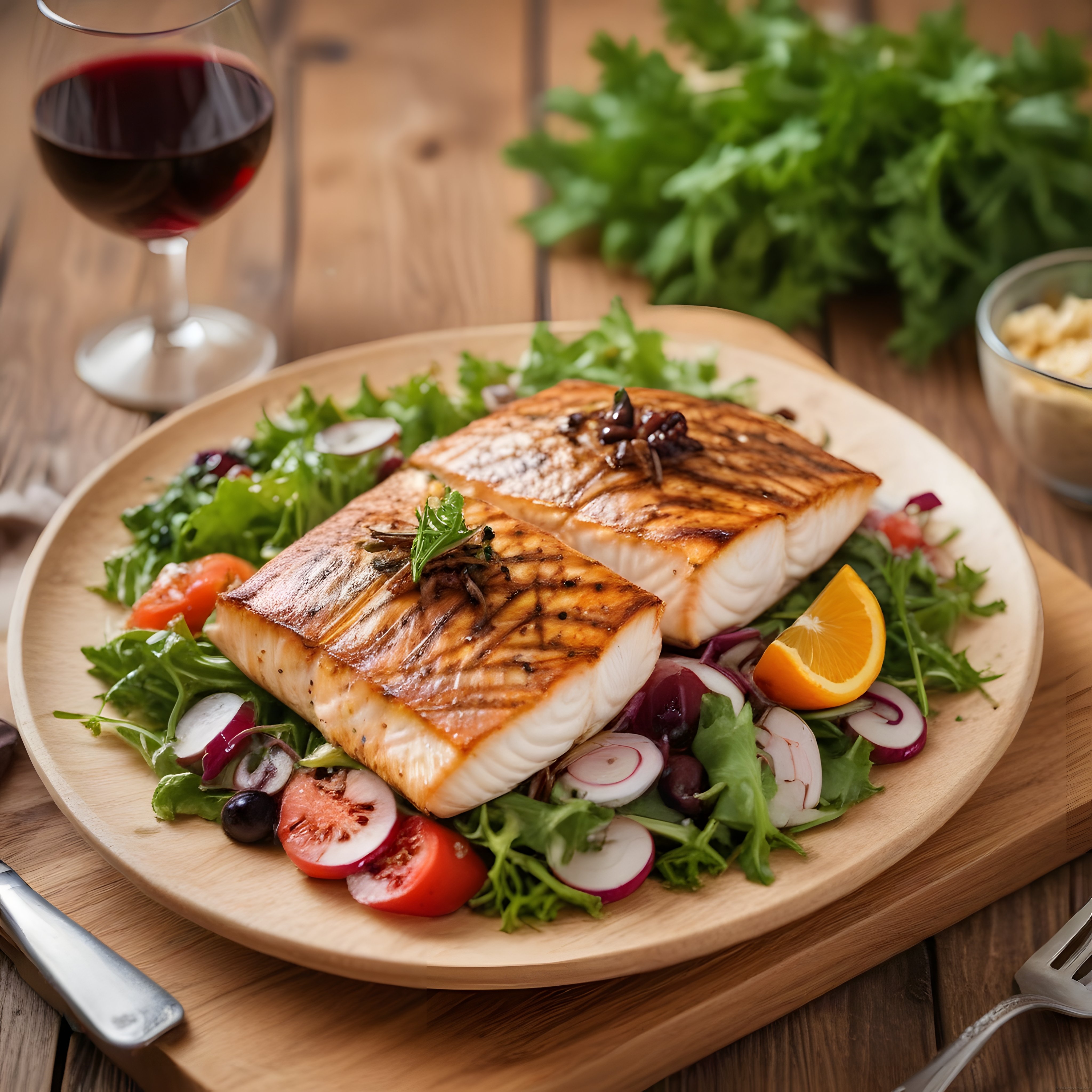

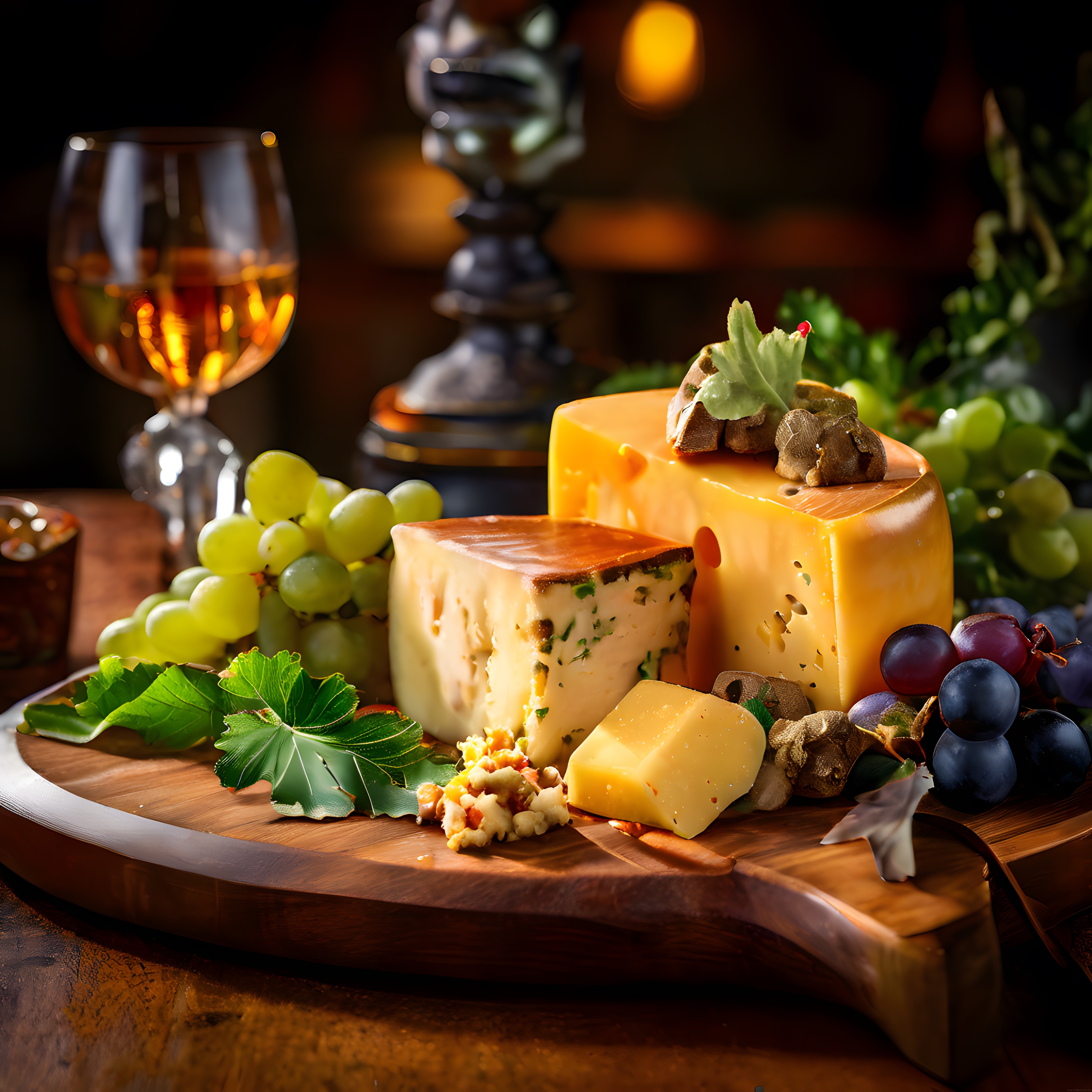
Çekim Tablosu
Belirtme (-i)kadehi
Yönelme (-e)kadehe
Bulunma (-de)kadehte
Çıkma (-den)kadehten
Tamlayan (-in)kadehin
Çoğul (-ler)kadehler
Tanım
•isim: İçki içmeye yarayan ayaklı bardak; cam
•sıfat: Bu bardağın alabileceği miktarda olan
Diğer Dillerde
AlmancaBecher, die Hand aufhalten, Glas, Körbchen, Meisterschaft, Pokal (eril) /ˈbɛçɐ/
a cylindrical or slightly conical drinking vessel without a stem, typically with no handle, beaker
çekim: çoğul Bechern · tamlayan Bechers
eş: Häferl, Crater
köken: From Middle High German bëcher, from Old High German bëhhâri, from Proto-West Germanic *bikārī. Displaced native Stauf in Early New High German. Cognate with English beaker.
aile: Alubecher, Aluminiumbecher, Anrührbecher, Aschbecher, Aschenbecher, Auslaufbecher, Bereitstellungsbecher, Blütenbecher, Doppelbecher, Drehaschenbecher
"Wir hätten diesen dritten Kurzen nicht trinken sollen", oder sowas in der Art. — "O son kadehi içmeyecektik".
Fransızcabonnet, cloche, coquille, coupe, Coupe, longue-vue (eril) /bɔ.nɛ/
beanie · hat, cap · bonnet (for baby)
çekim: çoğul bonnets
eş: toque, réticulum, réseau
köken: Inherited from Middle French bonet, from Old French bonet (“material from which hats are made”), from Frankish *bunni (“that which is bound”), from Proto-Germanic *bundiją (“bundle”), from Proto-Indo-European *bʰendʰ- (“to tie”). Compare also Late Latin abbonis, obbonis (“ribbon of a headdress”), also of Germanic origin, from Frankish *obbunni, from *ob- (“above, over”) + *bunni. Cognates: see…
aile: blanc bonnet, bonnet blanc, bonnet blanc, blanc bonnet, bonnet d'âne, bonnet de bain, bonnet de douche, bonnet de nuit, bonnet phrygien, bonnet rouge, bonneterie, bonnetier
Portons un toast ! — Kadeh kaldıralım!
İspanyolcacopa, Copa, coquilla, cristal, cubilete, cuchumbo (dişil) /ˈkopa/
stemmed glass, glass, goblet or its content · cocktail, drink · crown, treetop
çekim: çoğul copas
eş: Crater, Cáliz
köken: Inherited from Old Spanish copa, from Late Latin cŭppa, from Latin cūpa. Doublet of cuba.
aile: bar de copas, como la copa de un pino, copa balón, copa menstrual, Copa Mundial, copita, copón, ir de copas, lavacopas, sombrero de copa
Ahora, vamos a hacer un brindis! — Kadeh kaldıralım!
una copa de vino
glass (drinking vessel), cup, tumbler (glass without stem) · glass (quantity) · beaker (laboratory vessel)
çekim: çoğul bicchieri
eş: boccale, calice, coppa, gotto, tazza, bevuta
köken: From Late Latin bīcārium (cf. also Old French bichier, pichier, compare modern French pichet, English beaker, pitcher, German Becher, Dutch beker), itself possibly from bacarium, or from Ancient Greek βῖκος (bîkos).
aile: bicchierata, bicchierino
Mai neppure un bicchiere? — Bir kadeh bile mi içmedin?
un bicchiere da vino
Vuoi un bicchiere di vino?
Rusçaрюмка (dişil) /ˈrʲumkə/
any of several types of glasses primarily used for drinking liquor, such as a wine glass or shot glass and especially a rocks glass. · shot (a quantity of liquor)
çekim: çoğul рю́мки · tamlayan рю́мки
eş: бокал, келюх, лафитник, рюмаха, рюмашка, рюмочка
köken: From German Römer + -ка (-ka).
aile: рю́мочная
А теперь, давайте поднимем тост за здоровье! — Kadeh kaldıralım!
glass (substance) · pieces of glass · glass vessels
çekim: tamlayan زُجَاجٍ
الآن، دعونا نعمل خبز محمّص — Kadeh kaldıralım!
Farsçaآبْگینِه, اِسْتِکان, پِنْگان, پِیْمانِه, جام, شیشِه /ˈd͡ʒaːm/
glass, pane
çekim: çoğul جامها
köken: From Middle Persian [script needed] (ǰām, “glass”). Related to Avestan 𐬫𐬀𐬨𐬀 (yama, “glass”).
aile: جام جم, جام جهانی, جام زهر
çekim: çoğul fincanlar · tamlayan fincanın
köken: Etymology tree Ancient Greek πίναξ (pínax)bor. Aramaic פִּינְכָא (pīnəkā) Classical Syriac ܦܝܢܟܐ (pīnəḵā)bor.? Classical Persian پِنْگَان (pingān)bor. Arabic فِنْجَان (finjān)bor. Azerbaijani fincan Borrowed from Arabic فِنْجَان (finjān), borrowed from Classical Persian پِنْگَان (pingān), possibly borrowed from Classical Syriac ܦܝܢܟܐ (pīnəḵā), from Aramaic פִּינְכָא (pīnəkā), borrowed from…
aile: fincanlı, fincanaoxşar, fincanabənzər
bir fincan qəhvə
shoe · wheel
çekim: çoğul аяқтар · tamlayan аяқтың
köken: From Proto-Turkic *adak (“foot, end”).
Аяғыңды ки.
Мәшинәңа қарашейші, аяғы жіберіп қойыпты ғой.
glass · bottle
çekim: çoğul shishalar · tamlayan shishaning
köken: Borrowed from Persian شیشه (šiše).
Felemenkçebeker, bekertoernooi, kopje, tas, toque (eril) /ˈbeː.kər/
beaker, cup, chalice (drinking vessel, often but not always without a handle, generally not made of glass) · cup (trophy)
çekim: çoğul bekers
köken: From Middle Dutch beker, from Latin bicarium, probably a diminutive of Ancient Greek βῖκος (bîkos, “amphora”). Cognate with English beaker.
aile: bekerduel, bekeren, bekermos, bekerplant, bekertoernooi, bekerwedstrijd, drinkbeker, gifbeker, maatbeker, melkbeker
Laten we een toast! — Kadeh kaldıralım!
cup (especially a teacup)
çekim: çoğul chávenas
köken: From Malay cawan, from Mandarin 茶碗 (cháwǎn, “teacup”). Possibly from a theorized Etruscan "zavena" (Anc. Greek "Kántharos").
Uma taça feita de um crânio humano. — Kadehi insan kafatasındandır.
Yunancaγυαλί, κούπα, κύπελλο, ποτήρι, φλιτζάνι (nötr) /ʝaˈli/
glass (material) · shard, glass fragment · television, the box
çekim: çoğul γυαλιά · tamlayan γυαλιού
eş: ύαλος
köken: From Byzantine Greek γυαλίν (gualín), from earlier ὑάλιον (huálion), a diminutive form of Ancient Greek ὕαλος (húalos, “crystalline stone; glass”). Doublet of ύαλος (ýalos).
aile: γυάλα, γυαλάκιας, γυαλιά, γυαλιά ηλίου, γυαλίζω, γυάλινος
Στην υγειά μας! — - Ona kadeh kaldıralım!
cup or mug, specifically, one with a handle. · prize cup · cup, a unit of measure
köken: From English cup. Doublet (via Late Latin cuppa) of コップ (koppu), from Dutch kop and Portuguese copo.
成田珈琲 — Nestor'un kadehi
ワールドカップ
small cup; small glass · cup; glass
eş: 杯子, 杯子, 杯子, 杯, 杯, 杯子
aile: 杯仔麵, 杯仔面
酒是全人類的飲料。 — Kadehi insan kafatasındandır.
'컵'의 북한말.
köken: From Japanese コップ (koppu), from Dutch kop.
그 세번째 잔을 마시지 말걸 그랬어 — "O son kadehi içmeyecektik".
İsveççehålla, kaffekopp, kkp, kopp, turnering /²hɔla/
to hold (grasp or grip) · to hold (a social event, party, (larger) meeting, conference, or the like) · to keep, to hold (hold/maintain the status of something)
çekim: geçmiş höll · ortaç hållen · ulaç hållande
köken: From Old Swedish halda, halla, holda, holla, from Old Norse halda, from Proto-Germanic *haldaną. Further etymology uncertain; possibly from Proto-Indo-European *ḱel- (“to hide, conceal”).
Nu ska vi skåla! — Kadeh kaldıralım!
Håll pennan så här
Han höll fast i hans arm
Nästa års konferens kommer hållas i Rotterdam
Lehçefiliżanka, kielich, kieliszek, kubek, miseczka, puchar (dişil) /fi.liˈʐan.ka/
teacup, cup (vessel for drinking)
çekim: çoğul filiżanki · tamlayan filiżanki
köken: Etymology tree Romanian filigean Proto-Indo-European *-keh₂der. Proto-Balto-Slavic *-kāˀ Proto-Slavic *-ъka Old Polish -ka Polish -ka Polish filiżanka From Romanian filigean + Polish -ka.
Sekarang, mari kita bersulang! — Kadeh kaldıralım!
glass
çekim: çoğul сте́кла · tamlayan скла
köken: From Old East Slavic стькло (stĭklo), inherited from Proto-Slavic *stьklo, from Gothic 𐍃𐍄𐌹𐌺𐌻𐍃 (stikls). Doublet of шкло (šklo), a borrowing from Polish.
Леся Українка «Чашка» — Nestor'un kadehi
glass (substance)
çekim: çoğul काँचों
köken: Inherited from Sauraseni Prakrit 𑀓𑀘𑁆𑀘 (kacca), from Sanskrit काच (kāca), from Proto-Indo-Iranian [Term?]. Compare Old Persian 𐎣𐎠𐎿𐎣 (kāsaka, “glass”).
Fincealasuoja, cup-puolustus, juomalasi, kuppaussarvi, kuppi, laittaa kuppiin /ˈɑlɑˌsuo̯jɑ/
synonym of alasuojus
çekim: çoğul alasuojat · tamlayan alasuojan
köken: ala- + suoja
Suomessa valmistettiin 1/3 ja 2/3-litran pulloja. — Kadeh meyvenin 2/3'ünü kaplar.
mug, cup (vessel for drinking)
çekim: çoğul hrnky · tamlayan hrnku
eş: šálek, koflík, plecháček
köken: Inherited from Old Czech hrnek, from Proto-Slavic *gъrnъ + -ek.
Nyní si připijeme! — Kadeh kaldıralım!
çekim: çoğul cești · tamlayan cești
köken: Borrowed from Russian ча́шка (čáška), from Proto-Slavic *čašьka.
Un singur pahar, domnule ? — Sadece bir kadeh mi, efendim?
present participle of átlátszik
çekim: karşılaştırma átlátszóbb · üstünlük legátlátszóbb
köken: From átlátszik + -ó (present-participle suffix).
Vass Géza kupáért. — Nestor'un kadehi
İbraniceגָּבִיעַ, זגוגית, זְכוּכִית, כּוֹס, סֵפֶל (dişil)
glass pane · enamel
למעשה, זהו צוואר הבקבוק של החשיבה האנושית. — Kadehi insan kafatasındandır.
Latincecalix, cantharus, hēmīna, pōculum, vitrum /ˈka.lɪks/
cup, chalice · cooking pot · small pipe
çekim: çoğul calicēs · tamlayan calicis
köken: In view of Umbrian skalçeta (“sacrifical vessel”), perhaps from a Proto-Italic *(s)kalik-, from a Proto-Indo-European *(s)kel- (“a kind of vessel”), and compared with Ancient Greek σκάλλιον (skállion, “small cup”), σκαλίς (skalís, “shovel”). Pokorny considered a parallel formation in Sanskrit कलश (kaláśa-, “(water-)jar, tub, pot, dish”), for Proto-Indo-European *kel-eḱ-, but De Vaan finds this…
glass (substance) · glass (drinking vessel)
çekim: çoğul glassene · tamlayan glas'
köken: Inherited from Old Norse glas(keri), itself borrowed from Middle Low German glas, from Old Saxon glas.
aile: forstørrelsesglas
- Hvordan er det, Mr. Park? — Tüm geceyi kadeh kaldırarak geçireceğiz.
Etimoloji
Osmanlı Türkçesi قدح sözcüğünden devralındı
Eş & Zıt Anlamlılar
Örnek Cümleler
Antakya kadehi
The Antioch chalice
Getir Kadehleri
Drink up
Kadehini kaldır.
Raise your glass.
Dolu kadehler...
And flasks full and flowing.
Kadeh kaldıralım!
Now, let's make a toast!
Sadece iki kadeh.
A drop or two.
Ve dopdolu kadeh.
And flasks full and flowing.
Dopdolu kadehler.
And flasks full and flowing.
Konulmuş kadehler,
Goblets set,
Kaldırın Kadehleri
Drink up
Kadehler konulmuş,
Goblets set,
Ve dolu kadeh(ler).
And flasks full and flowing.
İlgili Sorular
Sarhoş olmak ahlâk dışı bir davranış olarak değerlendiriliyor mu? Üç kadeh içtikten sonra, inançlarınıza göre bu hareketi hatalı bulur musunuz? Lütfen nedenini açıklayın.
Alkol alıp sarhoş olmayı ahlâki açıdan yanlış kabul ediyor musunuz? Üç kadeh içtikten sonra, inançlarınız bu durumu hatalı bulur mu? Açıklamanızı bekliyoruz.
Akşamları bir kadeh kırmızı şarap içebileceğim bir diyet nedir?
İçki içip sarhoş olmayı ahlâksız buluyor musunuz? Üç kadeh almışken, bu durumu inançlarınız çerçevesinde yanlış olarak görür müsünüz? Açıklamanızı paylaşın.
Late 70'lerde çekilmiş, Noel gecesi bir bakkalda kızla tanışıp 6'lı bira ve likörle masumiyete bir kadeh kaldıran ve sonunda saksofonla Auld Lang Syne çalan şarkının başlığı ve sanatçısı kim?
Birleşik Kelimeler
kadeh arkadaşıgöz kadehi