Sözlük
/bardak
bardak
"bardak" kelimesinin İngilizcesi: cup, glass. Anlamı, çevirisi, telaffuzu ve örnek cümleler aşağıdadır.
Çeviri
Genelcup
Genelglass
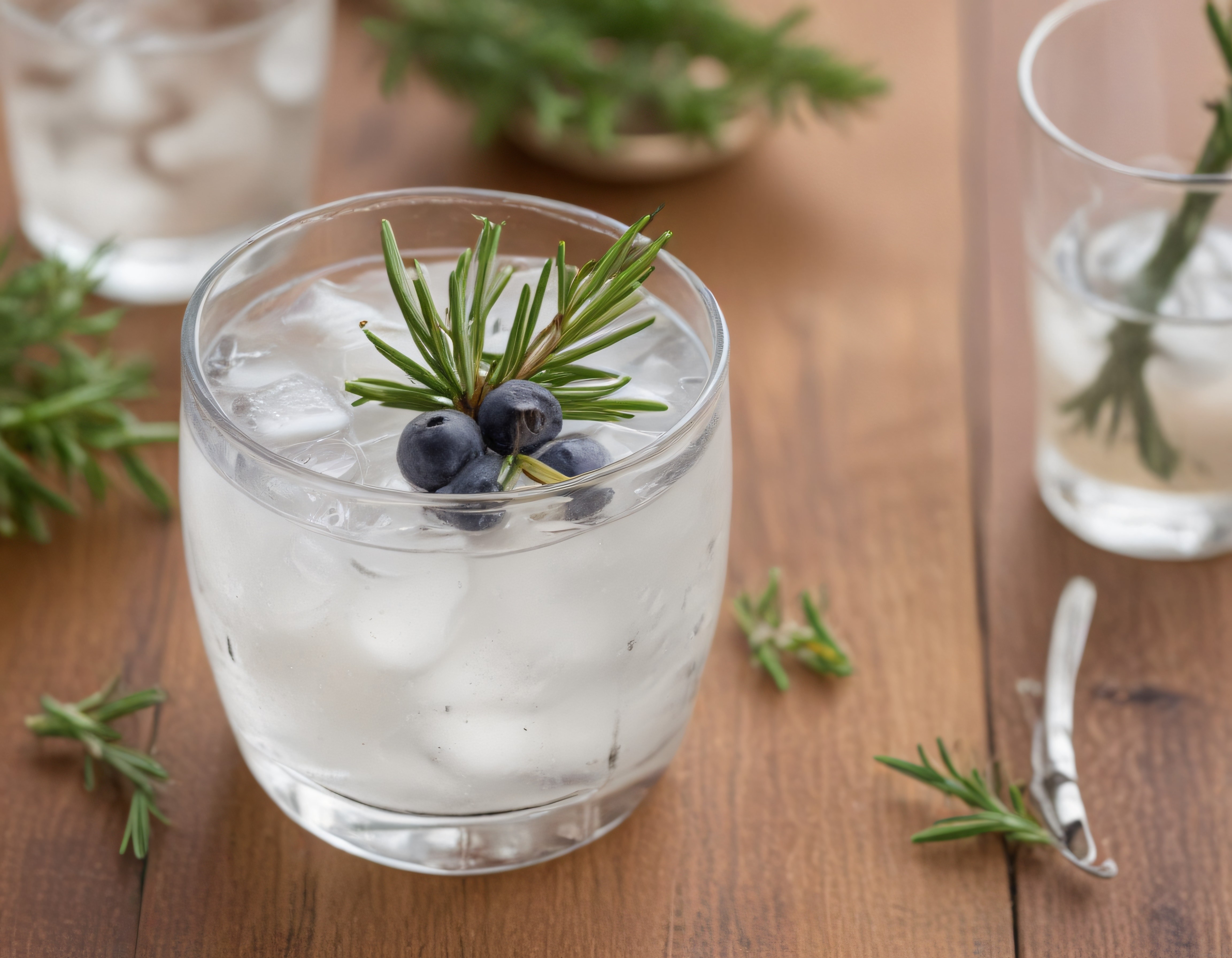
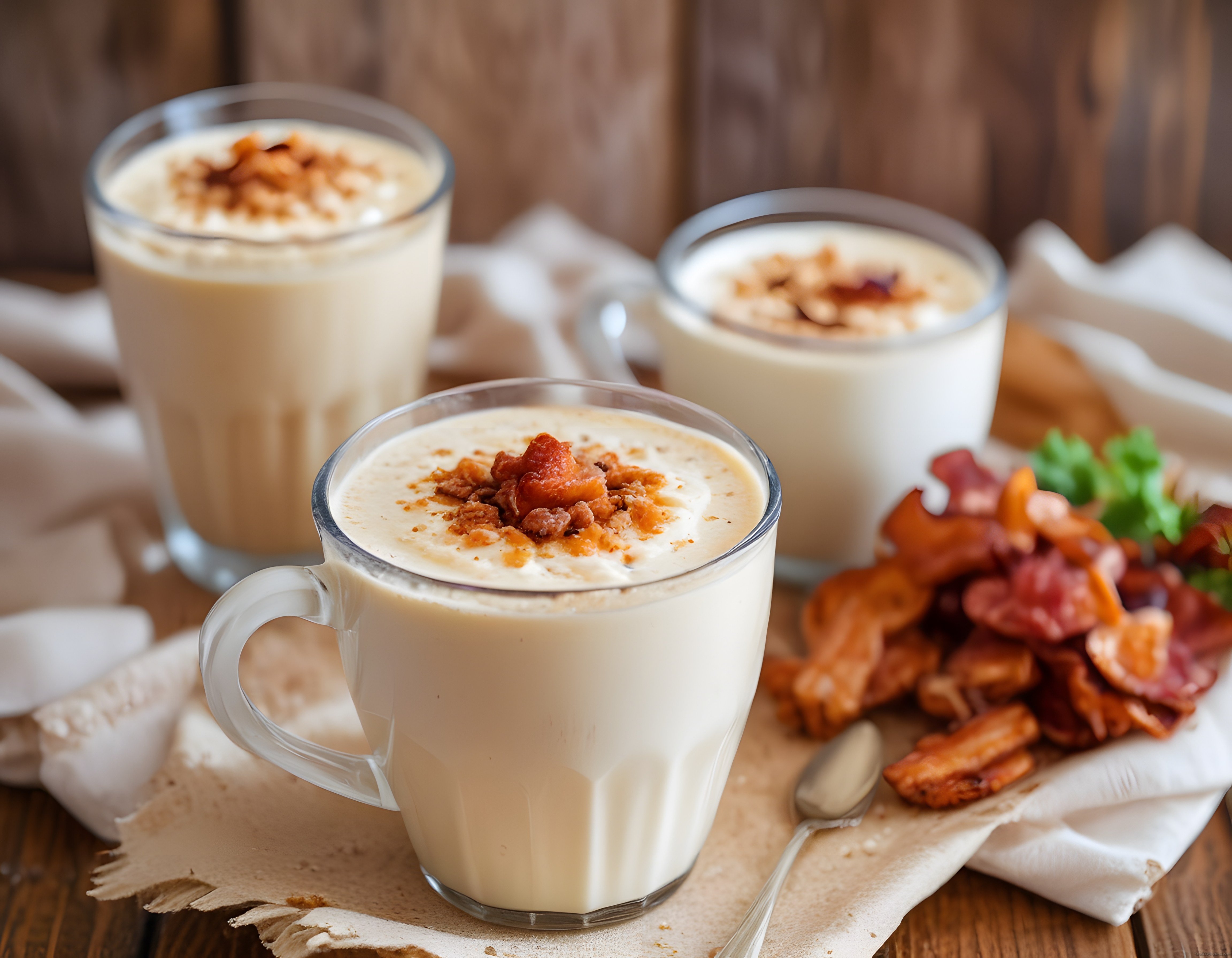
Görsel


Çekim Tablosu
Belirtme (-i)bardağı
Yönelme (-e)bardağa
Bulunma (-de)bardakta
Çıkma (-den)bardaktan
Tamlayan (-in)bardağın
Çoğul (-ler)bardaklar
Tanım
•isim: Su vb. şeyleri içmek için kullanılan, genellikle camdan yapılan kap
•sıfat: Bu kabın alacağı miktarda olan
•ağızlardan: Toprak testi
Diğer Dillerde
Almancaglas (nötr) /ɡlaːs/
glass · jar (made of glass)
çekim: çoğul Gläser · tamlayan Glases
eş: Trinkglas
köken: From Old High German glas, gles, from Proto-West Germanic *glas, from Proto-Germanic *glasą, from Proto-Indo-European *ǵʰel- (“to shine, glimmer, glow”). Compare Low German Glas, Dutch glas, English glass, Icelandic gler.
aile: glasartig, glasig, Glaser, Glaserei, glasieren, gläsern, einglasen, verglasen
Ich habe das Glas! — Bardak bende!
Ein frisch gefülltes Glas Champagner stand vor ihm. Er trank es in einem Zug aus – mit Lust, fast mit Begier.
FransızcaRécipient pour boire, verre, vitre (dişil) /vitʁ/
pane of glass, window pane · window (of a vehicle) · glass (substance)
çekim: çoğul vitres
eş: carreau, verre
köken: Borrowed from Latin vitrum. Doublet of verre. Compare Spanish vidrio and Catalan vidre.
aile: lève-vitre, vitrage, vitrail, vitrer, vitrier, vitrine
Passi, Rappeur. — Ulaş Bardakçı.
poser des vitres à une fenêtre
Remonte ta vitre, il y a trop de vent.
İspanyolcacopa, Copa, coquilla, cristal, cubilete, cuchumbo (dişil) /ˈkopa/
stemmed glass, glass, goblet or its content · cocktail, drink · crown, treetop
çekim: çoğul copas
eş: Crater, Cáliz
köken: Inherited from Old Spanish copa, from Late Latin cŭppa, from Latin cūpa. Doublet of cuba.
aile: bar de copas, como la copa de un pino, copa balón, copa menstrual, Copa Mundial, copita, copón, ir de copas, lavacopas, sombrero de copa
El vaso se rompió. — Bardak kırıldı.
una copa de vino
İtalyancabicchiere (eril) /bikˈkjɛ.re/
glass (drinking vessel), cup, tumbler (glass without stem) · glass (quantity) · beaker (laboratory vessel)
çekim: çoğul bicchieri
eş: boccale, calice, coppa, gotto, tazza, bevuta
köken: From Late Latin bīcārium (cf. also Old French bichier, pichier, compare modern French pichet, English beaker, pitcher, German Becher, Dutch beker), itself possibly from bacarium, or from Ancient Greek βῖκος (bîkos).
aile: bicchierata, bicchierino
Ho il bicchiere! — Bardak bende!
un bicchiere da vino
Vuoi un bicchiere di vino?
Rusçaкувшин, стакан, бокал (eril) /kʊfˈʂɨn/
jug, pitcher
çekim: çoğul кувши́ны · tamlayan кувши́на
eş: кукшин
köken: From late Old East Slavic кувшинъ (kuvšinŭ), кушинъ (kušinŭ), interpreted as Lithuanian *kaušinas derived from Lithuanian káušas (“ladle, dipper, big spoon”) whence also ковш (kovš), formed from káuti (“hew, chop out”), from Proto-Balto-Slavic *káuˀtei, from Proto-Indo-European *kowh₂-, from the root *kewh₂-. Cognate with Belarusian каўшы́н (kawšýn), куўшы́н (kuwšýn), кушы́н (kušýn), кукшы́н…
Спрячь его! — Bardak bende!
glass (substance) · pieces of glass · glass vessels
çekim: tamlayan زُجَاجٍ
55.5 كوب مكرر — 55,55... bardak.
Farsçaآبْگینِه, اِسْتِکان, پِنْگان, پِیْمانِه, جام, شیشِه /ˈd͡ʒaːm/
glass, pane
çekim: çoğul جامها
köken: From Middle Persian [script needed] (ǰām, “glass”). Related to Avestan 𐬫𐬀𐬨𐬀 (yama, “glass”).
aile: جام جم, جام جهانی, جام زهر
çekim: çoğul fincanlar · tamlayan fincanın
köken: Etymology tree Ancient Greek πίναξ (pínax)bor. Aramaic פִּינְכָא (pīnəkā) Classical Syriac ܦܝܢܟܐ (pīnəḵā)bor.? Classical Persian پِنْگَان (pingān)bor. Arabic فِنْجَان (finjān)bor. Azerbaijani fincan Borrowed from Arabic فِنْجَان (finjān), borrowed from Classical Persian پِنْگَان (pingān), possibly borrowed from Classical Syriac ܦܝܢܟܐ (pīnəḵā), from Aramaic פִּינְכָא (pīnəkā), borrowed from…
aile: fincanlı, fincanaoxşar, fincanabənzər
bir fincan qəhvə
shoe · wheel
çekim: çoğul аяқтар · tamlayan аяқтың
köken: From Proto-Turkic *adak (“foot, end”).
Аяғыңды ки.
Мәшинәңа қарашейші, аяғы жіберіп қойыпты ғой.
glass · bottle
çekim: çoğul shishalar · tamlayan shishaning
köken: Borrowed from Persian شیشه (šiše).
Felemenkçebeker, bekertoernooi, kopje, tas, toque (eril) /ˈbeː.kər/
beaker, cup, chalice (drinking vessel, often but not always without a handle, generally not made of glass) · cup (trophy)
çekim: çoğul bekers
köken: From Middle Dutch beker, from Latin bicarium, probably a diminutive of Ancient Greek βῖκος (bîkos, “amphora”). Cognate with English beaker.
aile: bekerduel, bekeren, bekermos, bekerplant, bekertoernooi, bekerwedstrijd, drinkbeker, gifbeker, maatbeker, melkbeker
Ik heb het glas vast! — Bardak bende!
Portekizcecopo (eril) /ˈkɔ.pu/
glass (vessel from which one drinks)
çekim: çoğul copos
köken: From Late Latin *cuppu, from Late Latin cūppa, from Latin cūpa.
Bebi apenas um copo de água. — Bir bardak su ver.
Yunancaγυαλί, κούπα, κύπελλο, ποτήρι, φλιτζάνι (nötr) /ʝaˈli/
glass (material) · shard, glass fragment · television, the box
çekim: çoğul γυαλιά · tamlayan γυαλιού
eş: ύαλος
köken: From Byzantine Greek γυαλίν (gualín), from earlier ὑάλιον (huálion), a diminutive form of Ancient Greek ὕαλος (húalos, “crystalline stone; glass”). Doublet of ύαλος (ýalos).
aile: γυάλα, γυαλάκιας, γυαλιά, γυαλιά ηλίου, γυαλίζω, γυάλινος
Έχω το ποτήρι! — Bardak bende!
cup or mug, specifically, one with a handle. · prize cup · cup, a unit of measure
köken: From English cup. Doublet (via Late Latin cuppa) of コップ (koppu), from Dutch kop and Portuguese copo.
水をくれ。 — Bir bardak su ver.
ワールドカップ
small cup; small glass · cup; glass
eş: 杯子, 杯子, 杯子, 杯, 杯, 杯子
aile: 杯仔麵, 杯仔面
喝酒一杯倒。 — Bir bardak su ver.
'컵'의 북한말.
köken: From Japanese コップ (koppu), from Dutch kop.
정확히는 55.55잔 정도를 팔아야겠지요 — 55,55... bardak.
İsveççehålla, kaffekopp, kkp, kopp, turnering /²hɔla/
to hold (grasp or grip) · to hold (a social event, party, (larger) meeting, conference, or the like) · to keep, to hold (hold/maintain the status of something)
çekim: geçmiş höll · ortaç hållen · ulaç hållande
köken: From Old Swedish halda, halla, holda, holla, from Old Norse halda, from Proto-Germanic *haldaną. Further etymology uncertain; possibly from Proto-Indo-European *ḱel- (“to hide, conceal”).
(Jag vill ha en glass.) — Bir bardak buzlu su..
Håll pennan så här
Han höll fast i hans arm
Nästa års konferens kommer hållas i Rotterdam
Lehçefiliżanka, kielich, kieliszek, kubek, miseczka, puchar (dişil) /fi.liˈʐan.ka/
teacup, cup (vessel for drinking)
çekim: çoğul filiżanki · tamlayan filiżanki
köken: Etymology tree Romanian filigean Proto-Indo-European *-keh₂der. Proto-Balto-Slavic *-kāˀ Proto-Slavic *-ъka Old Polish -ka Polish -ka Polish filiżanka From Romanian filigean + Polish -ka.
Przyszedł nas aresztować! — Bardak bende!
glass
çekim: çoğul сте́кла · tamlayan скла
köken: From Old East Slavic стькло (stĭklo), inherited from Proto-Slavic *stьklo, from Gothic 𐍃𐍄𐌹𐌺𐌻𐍃 (stikls). Doublet of шкло (šklo), a borrowing from Polish.
У склянці немає молока. — Bardakta hiç süt yok.
glass (substance)
çekim: çoğul काँचों
köken: Inherited from Sauraseni Prakrit 𑀓𑀘𑁆𑀘 (kacca), from Sanskrit काच (kāca), from Proto-Indo-Iranian [Term?]. Compare Old Persian 𐎣𐎠𐎿𐎣 (kāsaka, “glass”).
Fincealasuoja, cup-puolustus, juomalasi, kuppaussarvi, kuppi, laittaa kuppiin /ˈɑlɑˌsuo̯jɑ/
synonym of alasuojus
çekim: çoğul alasuojat · tamlayan alasuojan
köken: ala- + suoja
lasillisen hänen alivuokralaishuoneen. — Boş oda bir bardak.
Çekçesklenice (dişil) /ˈsklɛɲɪt͡sɛ/
glass (drinking vessel) · glass jar
çekim: çoğul sklenic · tamlayan sklenic
eş: sklinka
köken: From sklo + -nice.
aile: sklenička, skleninka, sklínečka
Za každou sklenici vydělají $0,45 — Her bardak 0.45..
sklenice na pití
sklenice na vodu
bouře ve sklenici vody
çekim: çoğul cești · tamlayan cești
köken: Borrowed from Russian ча́шка (čáška), from Proto-Slavic *čašьka.
Paharul a fost spart. — Bardak kırıldı.
present participle of átlátszik
çekim: karşılaştırma átlátszóbb · üstünlük legátlátszóbb
köken: From átlátszik + -ó (present-participle suffix).
Kérek még csokit. — Bir bardak su ver.
İbraniceגָּבִיעַ, זגוגית, זְכוּכִית, כּוֹס, סֵפֶל (dişil)
glass pane · enamel
?אתה רוצה כוס מים — Bir bardak su ister misiniz?
Latincecalix, cantharus, hēmīna, pōculum, vitrum /ˈka.lɪks/
cup, chalice · cooking pot · small pipe
çekim: çoğul calicēs · tamlayan calicis
köken: In view of Umbrian skalçeta (“sacrifical vessel”), perhaps from a Proto-Italic *(s)kalik-, from a Proto-Indo-European *(s)kel- (“a kind of vessel”), and compared with Ancient Greek σκάλλιον (skállion, “small cup”), σκαλίς (skalís, “shovel”). Pokorny considered a parallel formation in Sanskrit कलश (kaláśa-, “(water-)jar, tub, pot, dish”), for Proto-Indo-European *kel-eḱ-, but De Vaan finds this…
glass (substance) · glass (drinking vessel)
çekim: çoğul glassene · tamlayan glas'
köken: Inherited from Old Norse glas(keri), itself borrowed from Middle Low German glas, from Old Saxon glas.
aile: forstørrelsesglas
De skal altså sælge 56 glas saftevand, fordi man ikke kan sælge 55,55 glas. — 55,55... bardak.
Etimoloji
Eski Türkçe bart (su içilen kap)
Kelime Ailesi
Eş & Zıt Anlamlılar
Örnek Cümleler
Bardak boş.
The glass is empty.
Bardak temiz.
The glass is clean.
Bardak kirli.
The glass is dirty.
Bardak kırıldı.
The glass got broken.
Bu bardak kirli.
This glass is dirty.
Bardak yere düştü.
The glass crashed to the ground.
Bardak şarap dolu.
The glass is full of wine.
Bardak su doludur.
The glass is full of water.
O da bardak kırdı.
She broke the cup, too.
Bardak süt doludur.
The glass is full of milk.
Bu bardakta su var.
This glass contains water.
O üç bardak su içti.
He drank three glasses of water.
İlgili Sorular
Su içmekten nefret ediyorum ve yarım bardak su içince midem bulanıyor; bu durumla birlikte ara ara aşırı yemek yiyor, sonra da yemek yemeyi reddediyorum. Neden böyle oluyor?
Ukrayna'dan olduğum için İngilizcem yeterince iyi değil. Lütfen ödevimde bana yardımcı olur musunuz? Ödevim benim için çok önemli.
Parantez içindeki kelimeleri doğru hâle getiriniz. Her boşluk için birden fazla seçenek olabilir.
Öğle vakti ve Karl _____(feel) aç. Bilgisayarındaki çalışmasını durdurup cep telefonunu alıyor ve mutfağı arıyor. 'Öğle yemeği için bir salata ve bir bardak portakal suyu _____(have) istiyorum,' diyor. 'Bir salata,' diyor mutfak. 'Başka bir şey?' 'Bugün bu kadar - biraz kilo vermem gerekiyor.'
Karl _____(turn back) bilgisayarına dönüyor. Bir e-posta mesajı belirdi.
İki buz küpünü su dolu bir bardakta erittiğinizde, su seviyesinde ne olur ve bu durumun açıklaması nedir?
Tercihiniz nedir: bir şişe mi yoksa bir bardak mı?
Paula, iki bardak ayçiçeği çekirdeğiyle üç bardak kuru üzüm karıştırarak bir atıştırmalık hazırladı ve bu karışımın toplam enerji değeri 2900 kaloridir. Kuru üzüm bir bardağın kalori miktarı, ayçiçeği çekirdeği bir bardağın kalori miktarından 400 eksiktir. Kuru üzümün bir bardağındaki kalori sayısını hesaplayın. (SADECE BİR DEĞİŞKEN KULLANILARAK)
Birleşik Kelimeler
bardakaltıbardak eriğibira bardağıçay bardağılikör bardağılimonata bardağırakı bardağısu bardağışampanya bardağışarap bardağıviski bardağı