Sözlük
/kırıntı
kırıntı
/kɯ.ɾɯnˈtɯ/
noun
C2 seviye
TR → EN
"kırıntı" kelimesinin İngilizcesi: bit, crumb, oddments, scrap, crumb. Anlamı, çevirisi, telaffuzu ve örnek cümleler aşağıdadır.
Çeviri
Genelbit
Genelcrumb
Geneloddments
Genelscrap
Genelcrumb
Genelfragment
Genelcrumb
Genelfragment
Görsel
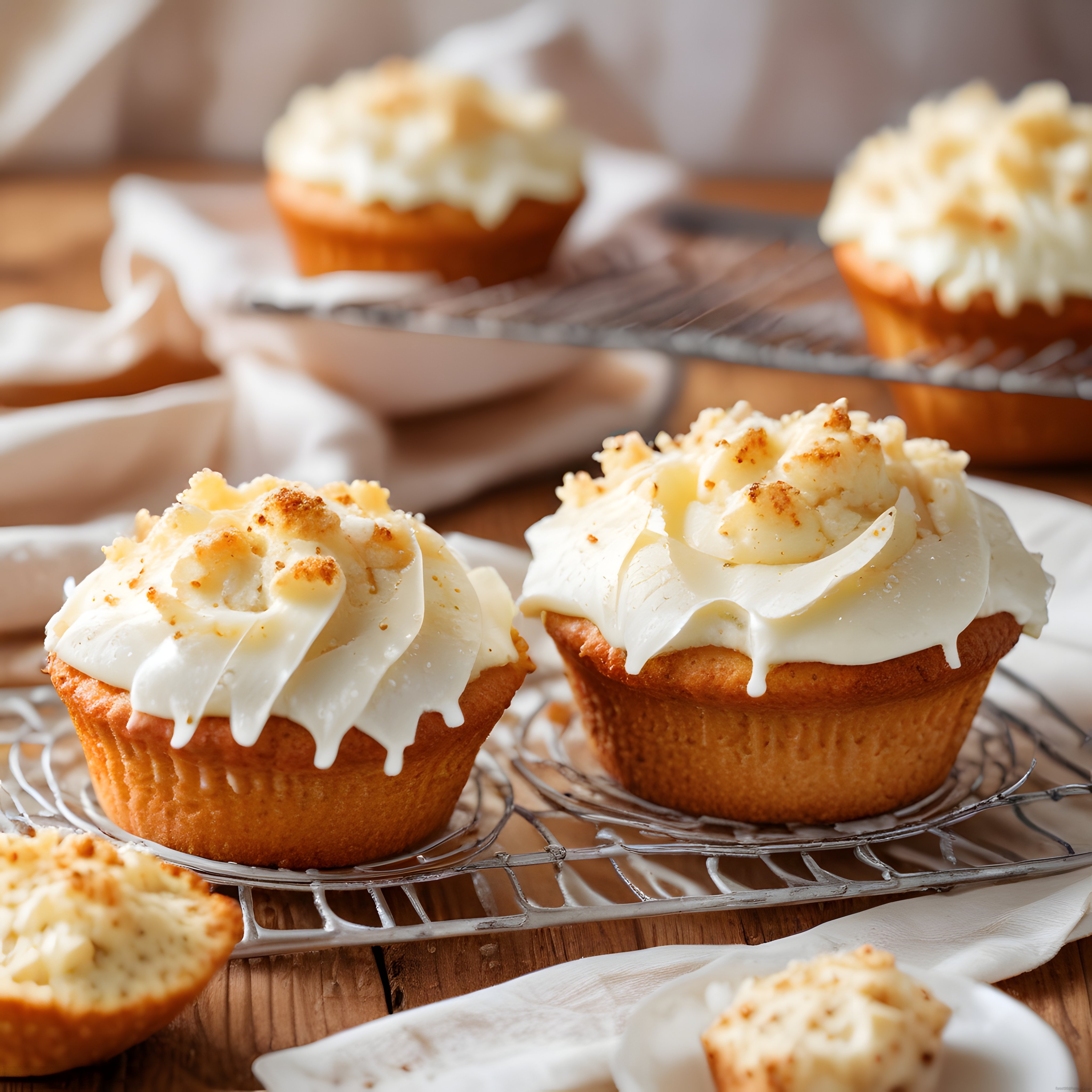
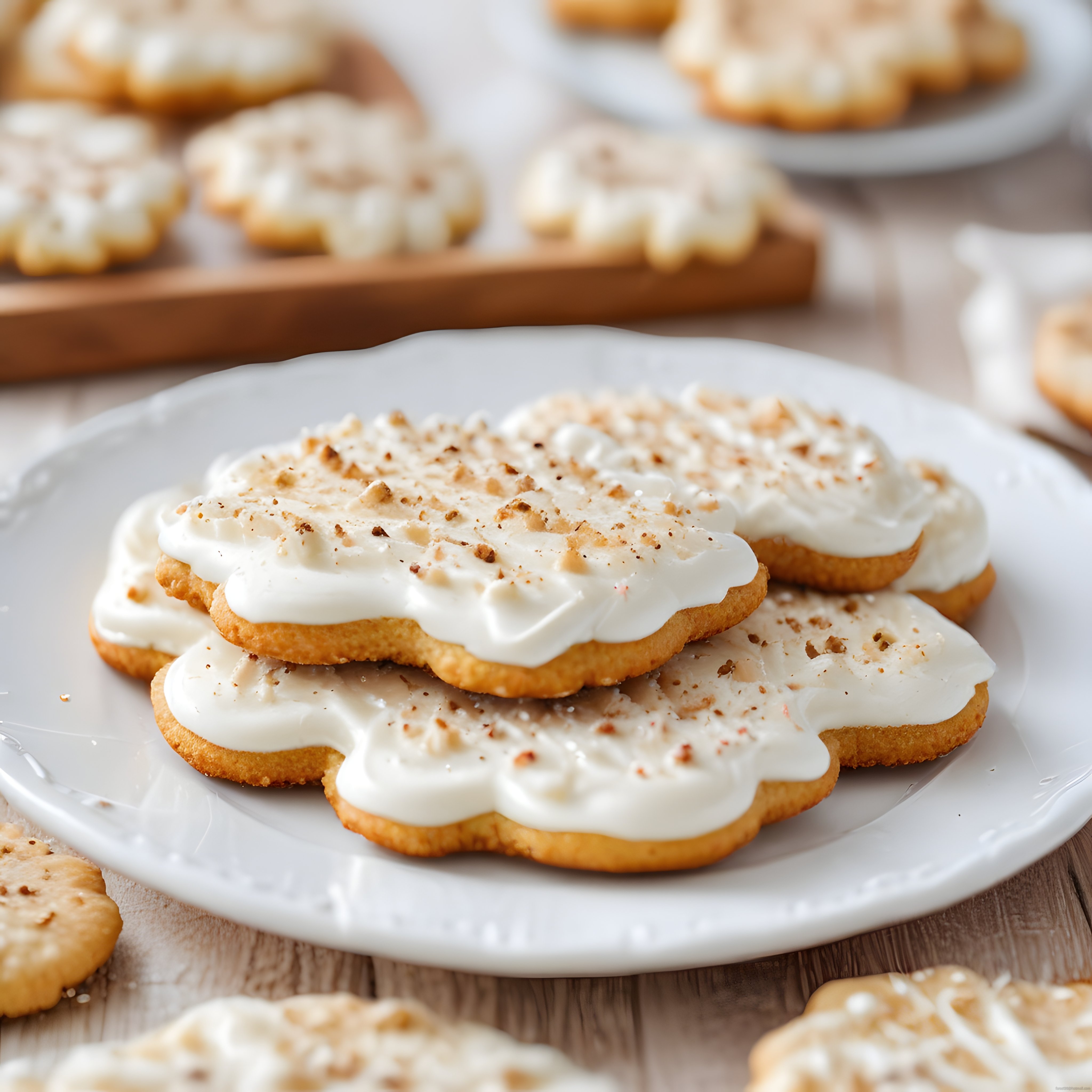
Çekim Tablosu
Belirtme (-i)kırıntıyı
Yönelme (-e)kırıntıya
Bulunma (-de)kırıntıda
Çıkma (-den)kırıntıdan
Tamlayan (-in)kırıntının
Çoğul (-ler)kırıntılar
Tanım
•(Giresun ağzı) ot, diken ve odun kesmeye yarayan, burnu eğik kesici bir çiftçi aleti
•(mecaz) Küçük kalıntı.
•Bir şeyden ayrılan küçük parça.
•Kurumak için kesilip yerde bırakılan odun.
•Bir şeyden ayrılan küçük parça
•Kurumak için kesilip yerde bırakılan odun
•Küçük kalıntı
Diğer Dillerde
Almancakrümel (eril) /ˈkʁyːməl/
crumb (small broken-off piece, particularly of bread)
çekim: çoğul Krümeln · tamlayan Krümels
eş: Brösel, Krümchen
köken: Old diminutive of Krume, which is now less common in the simplex form. An originally Central and Low German word that has widely replaced the Upper German Brosame in standard usage. From Middle High German (Central German) krume, reinforced by cognate Middle Low German krume, krōme. From Proto-Germanic *krumô, *krūmô (“fragment, crumb”). Cognate with English crumb. Also related to Dutch kruim,…
aile: krümelig, krümeln
Kleine Stücke." — Kırıntılar ve parçalar."
Fransızcaabandonner, bout, bribe, ferraille, foret, instant /a.bɑ̃.dɔ.ne/
to give up · to abandon, forsake · to give oneself (to someone)
çekim: geçmiş abandonné · ortaç abandonné · şimdiki abandonne · ulaç abandonnant
eş: céder, dépouiller, dessaisir, donner, laisser, abdiquer
köken: From Middle French, from Old French abandoner, from a ban doner (“give up to banishment”), from Frankish *bann, from Proto-Germanic *bannaną.
J'ai tout mangé. — Tek kırıntı bırakmadım.
İspanyolcaachatarrar, binio, bocado, broca, chatarra, chatarrear /at͡ʃataˈraɾ/
to scrap (to dispose at the scrapyard)
çekim: geçmiş achatarré · ortaç achatarrado · şimdiki achatarra
köken: From a- + chatarra + -ar.
Me lo comí todo. — Tek kırıntı bırakmadım.
İtalyancabuttare via, ferraglia, frammento, freno, morso, ottavo di dollaro
to throw away, to throw out, to discard
çekim: geçmiş buttàto via · ortaç buttàto via
Lo scudo perduto (fr. — Serkan Kırıntılı (d.
Rusçaобломок; осколок; крошки, крохи, остатки (eril) /ɐˈstatkʲɪ/
nominative/accusative plural of оста́ток (ostátok)
çekim: çoğul оста́тки
Я съела всё до последней крошки. — Tek kırıntı bırakmadım.
verbal noun of شَاجَرَ (šājara) (form III) · scrimmage, scuffle, quarrel, argument
çekim: tamlayan شِجَارٍ
لتكن قشرة خبزكم ذهبية ولينمو خبزكم دوما بصورة كافية — Kırıntınız çıtır, ekmeğiniz kabarık olsun.
فِي ذٰلِكَ الْمَسَاءِ وَقَعَ شِجَارٌ حَادٌّ بَيْنِي وَبَيْنَ زَوْجَتِي.
Felemenkçebeetje, boortje, hapje, oudroest, restje, schrappen /ˈbeːtjə/
a bit, a little bit, somewhat
çekim: çoğul beetjes
köken: From beet + -je. Cognate with German bisschen and English bit.
Er restte nu enkel een ruïne. — Artık bir kırıntı kalmıştır.
scrap; shaving (small leftover piece)
çekim: çoğul aparas
Restos e bocados." — Kırıntılar ve parçalar."
ένα από τα ψηφία 0 ή 1 του δυαδικού συστήματος αρίθμησης (ΕΛΟΤ 996.01)
eş: δυφίο, μπιτ
Το άδειασα το πιάτο μου. — Tek kırıntı bırakmadım.
clipping (of a newspaper); a clipped article; a scrapbook · metal scrap; garbage
çekim: geçmiş スクラップした
köken: Borrowed from English scrap.
現在は解体済。 — Artık bir kırıntı kalmıştır.
bit (the smallest unit of storage in a digital computer)
eş: 比特, 位
aile: 位元率, 位元組, 位元组, 量子位元
牠們為了覓食會行走一段很長的距離。 — Kırıntı'ya gelmek için oldukça uzun bir yol seçmişler.
a small piece, fragment
köken: Of native Korean origin.
여러분의 빵껍질이 바삭하기를 그리고 여러분의 빵이 항상 부풀기를 바랍니다. — Kırıntınız çıtır, ekmeğiniz kabarık olsun.
지렁이가 있으니께 딱딱 잘러서 이렇게 세 도막을 내 놨대요.
an ear (fruiting body of a grain plant)
çekim: çoğul axen · tamlayan axets
köken: From Old Norse ax.
Småbitar." — Kırıntılar ve parçalar."
Lehçebójka, fragment, kawałek, porcja, urywek, wędzidło (dişil) /ˈbuj.ka/
fight, brawl
çekim: çoğul bójki · tamlayan bójki
eş: bijatyka, awantura, starcie, spięcie, pobicie
köken: Etymology tree Proto-Indo-European *bʰeyh₂- Proto-Balto-Slavic *bī́ˀtei Proto-Slavic *bìti Old Polish bić Polish bić Proto-Indo-European *-keh₂der. Proto-Balto-Slavic *-kāˀ Proto-Slavic *-ъka Old Polish -ka Polish -ka Polish bójka From bić + -ka.
Fragmenty i części". — Kırıntılar ve parçalar."
Ukraynacaбіт, брухт, вуди́ла, металобру́хт /ˈbruxt/
scrap, junk (discarded objects (especially metal) that may be dismantled to recover their constituent materials)
çekim: tamlayan бру́хту
köken: Borrowed from German Bruch.
aile: металобру́хт
Залишки та уламки." — Kırıntılar ve parçalar."
метале́вий брухт
Hintçeटुकड़ा, द्वयंक (eril) /ʈʊk.ɽɑː/
piece, fragment, section
çekim: çoğul टुकड़े
köken: Etymology tree Proto-New Indo-Aryan *𑀝𑀼𑀓𑁆𑀓𑁆 (*ṭukk)deverb. Proto-New Indo-Aryan *टुक्क (ṭukka) Hindi टुकड़ा Inherited from Proto-New Indo-Aryan *टुक्क (ṭukka, “piece”) + Middle Indo-Aryan -𑀟- (-ḍa-) + -𑀓- (-ka-), from *टुक्क् (ṭukk, “to cut, break”), from Proto-Middle Indo-Aryan *𑀢𑁆𑀭𑀼𑀓𑁆𑀓𑁆 (*trukk). Cognate with Assamese টুকুৰা (tukura), Bengali টুকরা (ṭukra).
aile: टुकड़े टुकड़े गैंग
उसे वह पत्थर का टुकड़ा देने की ज़रूरत है।
portion (allocated amount) · serving (portion of food) · dose (measured portion of medicine)
çekim: çoğul annokset · tamlayan annoksen
köken: From Proto-Finnic *andos. Equivalent to antaa (“to give”) + -os.
aile: -annoksinen, annoksittain, annostaa, alkoholiannos, annosaika, annosjakelu, annoskateus, annosmalja, annosmittari, annosmäärä
Pitkällä matkalla hän saavutti pronssia. — Kırıntı'ya gelmek için oldukça uzun bir yol seçmişler.
nejmenší jednotka informace – 0 nebo 1 (značka b nebo bit)
çekim: çoğul bity · tamlayan bitu
köken: Borrowed from English bit, from binary digit.
aile: bitový, gigabit, kilobit, megabit, osmibitový, šestnáctibitový, terabit
Kousky a kousíčky." — Kırıntılar ve parçalar."
throw (to cause an object to move rapidly through the air), cast, hurl · throw away, discard
çekim: geçmiş aruncat · ortaç aruncat · şimdiki aruncă
köken: Either from Latin ēruncāre or from a + Latin runcāre, ultimately from Proto-Indo-European *h₃rewk-. Another theory proposes a Vulgar Latin *averruncāre (“to distance that which is bad”), which is less likely. Compare Aromanian aruc, arucari, Megleno-Romanian runc, Occitan arronçar, Spanish arrancar.
aile: aruncare
Toate bucățelele." — Kırıntılar ve parçalar."
Macarcazabla /ˈzɒblɒ/
bit (a piece of metal placed in a horse's mouth and connected to the reins to direct the animal)
çekim: çoğul zablák
köken: Borrowed from Slovene.
aile: csikózabla, zablakarika
Maradványokat." — Kırıntılar ve parçalar."
İbraniceביט, גְּרוּטָאָה, מַקְדֵּחַ (eril)
bit (the smallest unit of storage in a digital computer, consisting of a binary digit)
çekim: çoğul בִּיטִים
köken: From English bit, from binary digit.
מי ייתן והקרום שלכם יהיה פריך, ולחמכם תמיד יעלה. — Kırıntınız çıtır, ekmeğiniz kabarık olsun.
Latincefrēnum, frustum, morsum, pauxillum, tantillum /ˈfrʊs.tũː/
a piece, bit · crumb, morsel, scrap of food
çekim: çoğul frusta · tamlayan frustī
köken: From Proto-Italic *frustom, from Proto-Indo-European *bʰrus-tós, from *bʰrews- (“to break up, cut”).
aile: frustillātim, frustillum, frustulentus, frustulum
bridle (horse's headgear) · bit (part of a horse's headgear)
çekim: çoğul bidsler · tamlayan bidsels
köken: From Old Danish bezæl, from Old Norse beizl, from Proto-Germanic *baitislą.
Der er sket en glidning. — Artık bir kırıntı kalmıştır.
Norveççebissel, bitt
Det forekom nå en splittelse. — Artık bir kırıntı kalmıştır.
a part of something that may or may not be divided from a larger whole; a part, a portion, a ration, etc. · a season; a series · a prequel or a sequel
köken: Sino-Vietnamese word from 分 (“part; portion”), 份, from Middle Chinese 分 (bjunH), 份 (bjunH). The huyền tone here is rather problematic. The regular tone derivation pattern, based on the original Middle Chinese tone and onset consonant would be as follows: * 分 (bjunH, “portion”, 去聲 /去声 (qùshēng, “departing tone”), 全濁聲母 /全浊声母 (quánzhuó shēngmǔ, “voiced obstruent onset”)) > Vietnamese phận, Mandarin…
aile: bội phần, cổ phần, đa phần, phần cứng, phần đông, phần lớn, phần mềm, phần trăm, phần tử, thành phần
Có thể vỏ bánh của bạn sẽ giòn tan và bánh mỳ của bạn sẽ luôn nở. — Kırıntınız çıtır, ekmeğiniz kabarık olsun.
phần lớn
phần chục
phần trăm
few, little
çekim: çoğul ма́лки
zıt: мно́го
köken: ма́лък (málǎk) + -о (-o)
Късчета и парчета." — Kırıntılar ve parçalar."
part
köken: Etymology tree Proto-Indo-European *kanˀd-der.? Proto-Balto-Slavic *kanˀsteider. Proto-Slavic *kǫsati Proto-Slavic *čęstь Slovak časť Inherited from Proto-Slavic *čęstь.
aile: častica, čiastočný
Kúsky a kúsočky." — Kırıntılar ve parçalar."
Etimoloji
From Ottoman Turkish قیرندی (ḳırındı, ḳırıntı, “a fragment, fragments”), from Ottoman Turkish قیرنمق (ḳırınmaḳ, “to cringe and fawn or coquet, with affected contortions of body”), from Ottoman Turkish قیرمق (ḳırmaḳ, “to break, to crack, to split, to fold, to kill in large numbers”), from Proto-Turkic *kïr- (“to dig, to scratch”), morphologically kır- + -ın + -tı.
Kelime Ailesi
Örnek Cümleler
Tek kırıntı bırakmadım.
I ate every scrap.
Kırıntılar ve parçalar."
Bits and pieces."
Yemeğinin her kırıntısını yedi.
He ate every bit of his dinner.
Onun sakalında bir kırıntı var.
There is a crumb in his beard.
Neden her yerde kırıntılar var?
Why are there crumbs everywhere?
Sonra da onu kuru bir kırıntı yapar.
Then He turns them into chaff.
Tom'un köpeği ekmek kırıntılarını yedi.
Tom's dog ate the breadcrumbs.
Sonra da onu kurumuş kırıntılar kılıyor.
Then He turns them into chaff.
Tom köpeğini masa kırıntılarıyla besledi.
Tom fed his dog table scraps.
Kırıntınız çıtır, ekmeğiniz kabarık olsun.
May your crust be crisp, and your bread always rise.
Buna, Kırıntılı kalıcı mıknatıslanma denir.[8]
This is called detrital remanent magnetization.[8]
Şıhlılar, Kırıntı'da aleviliğin dini önderleri olmuşlardır.
Quakers in particular were early leaders in abolitionism.
İlgili Sorular
Clay Aiken'in müzikal yeteneği uzun vadeli mi yoksa yalnızca bir kırıntı mı?
Presario dizüstü bilgisayarımda 'k' tuşu çıkmış, etrafında kırıntı gibi beyaz parçacıklar var; bu sorunu nasıl çözebilirim?
Klavye içinde kalan tost kırıntılarını temizlemenin yolu nedir?
Klavye içinde birikmiş tost kırıntılarını nasıl çıkarabilirim?
Elmas kırıntıları değersiz midir?