Sözlük
/enerji
enerji
"enerji" kelimesinin İngilizcesi: energy, bang, dash, drive, energize. Anlamı, çevirisi, telaffuzu ve örnek cümleler aşağıdadır.
Çeviri
Genelenergynoun
Genelbang
Geneldash
Geneldrive
Genelenergize
Genelenergy
Genelheart
Genelpep
Genelsinew
Genelsnap
Genelsteam
Genelverve
Genelzap
Genelzing
Genelzip
Genelgo
Genelenergy
Genelenergy
Görsel
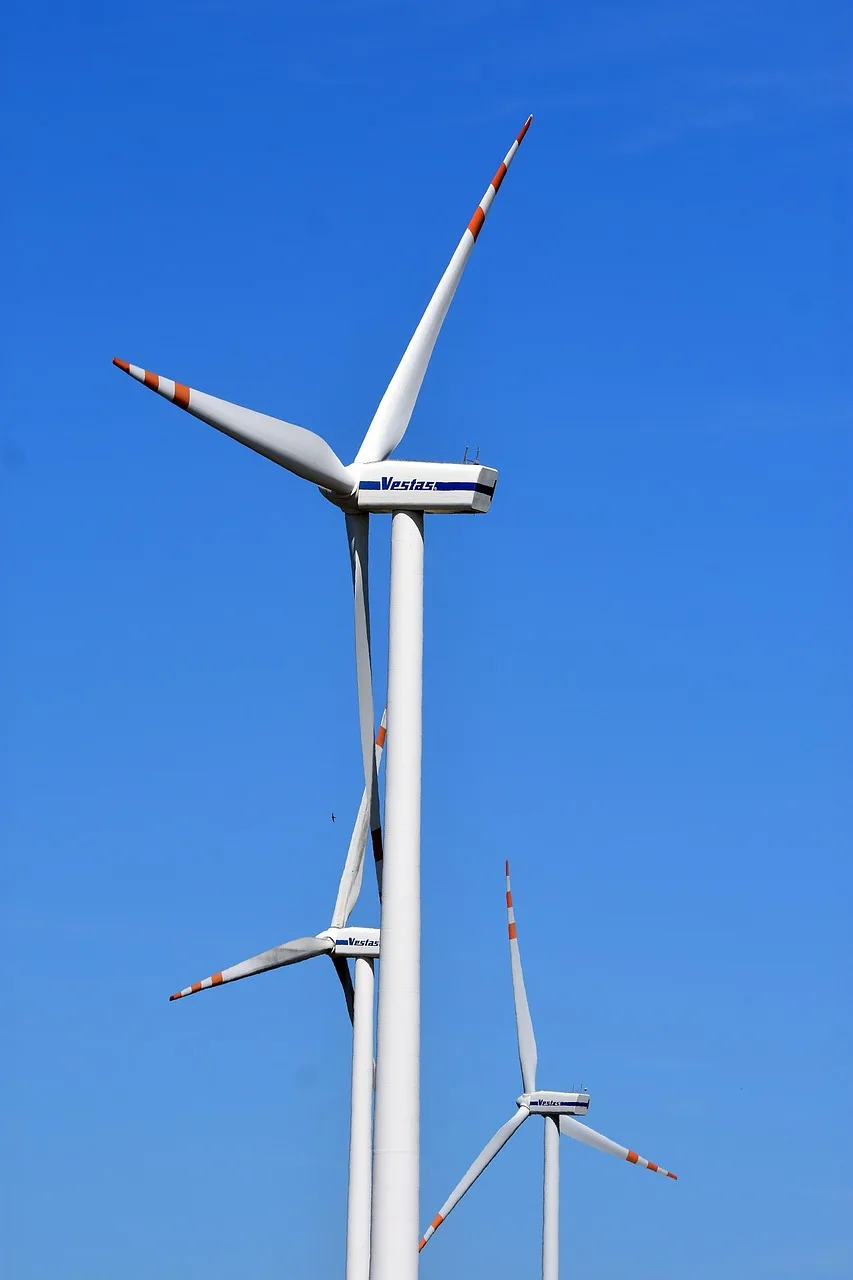
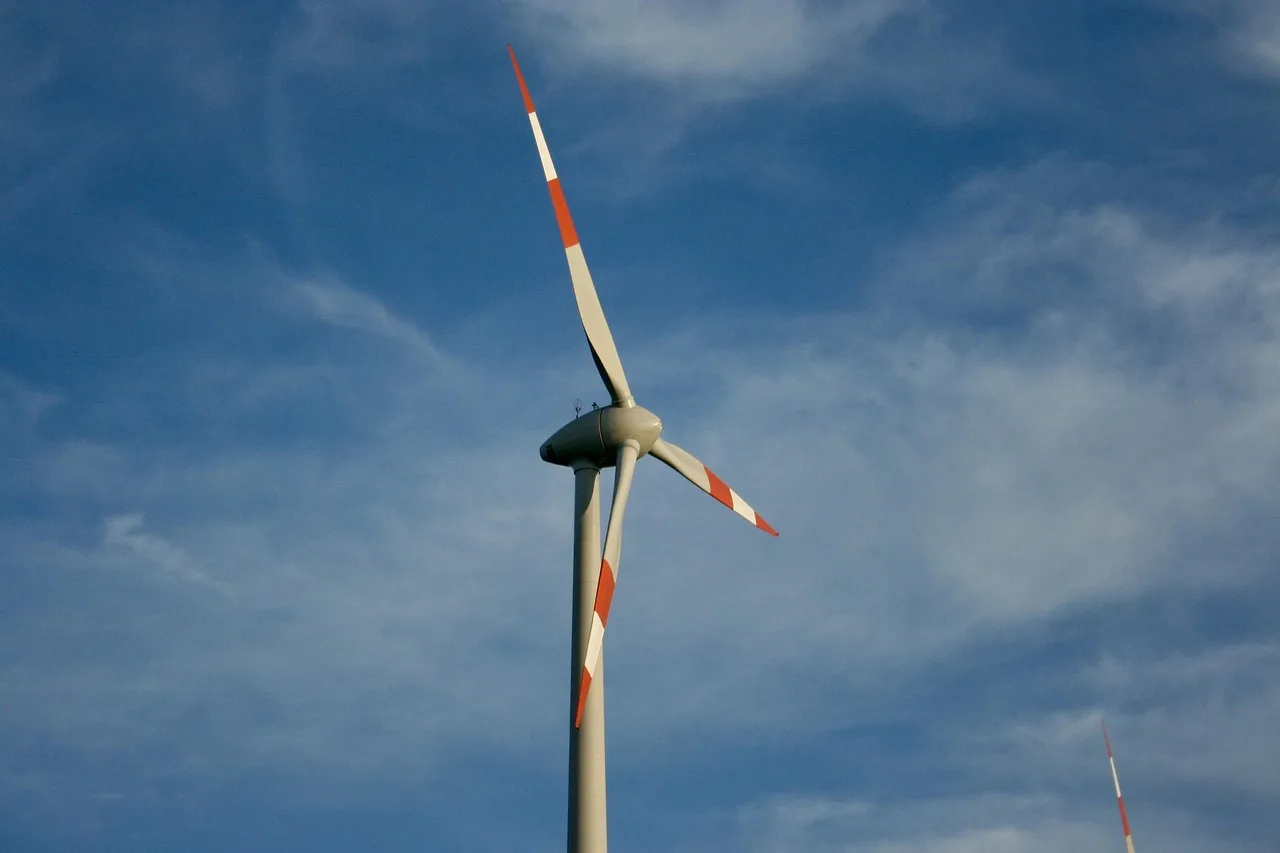
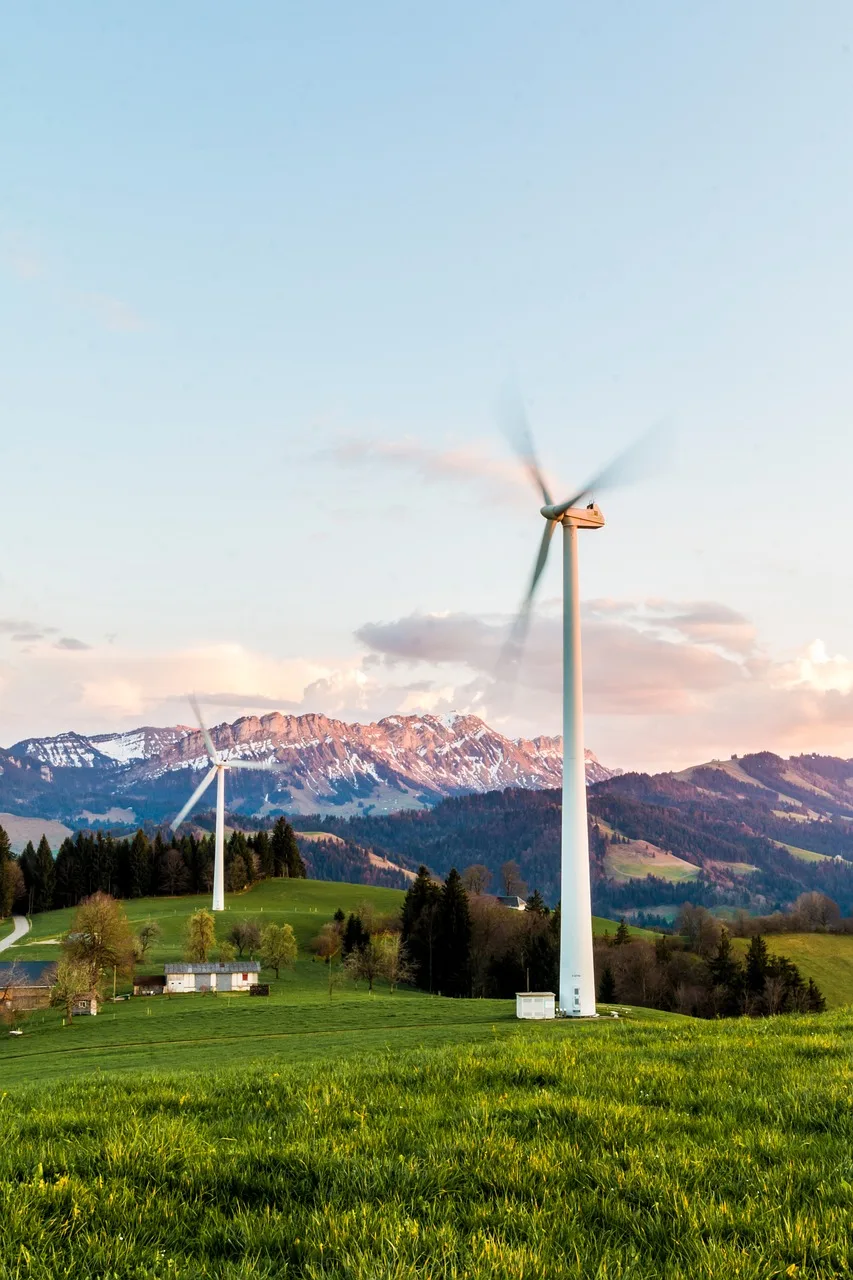
Çekim Tablosu
Belirtme (-i)enerjiyi
Yönelme (-e)enerjiye
Bulunma (-de)enerjide
Çıkma (-den)enerjiden
Tamlayan (-in)enerjinin
Çoğul (-ler)enerjiler
Tanım
•isim, fizik: Maddede var olan ve ısı, ışık biçiminde ortaya çıkan güç; erke
•Organların çalışabilmesi ve vücut ısısının sürdürülebilmesini sağlayan besin ögelerinin oluşturduğu güç
•mecaz: Manevi güç
Diğer Dillerde
Almancaenergie (dişil) /eneʁˈɡiː/
energy
çekim: çoğul Energien · tamlayan Energien
eş: Antrieb, Kraft, Ausdauer, Kraft, Stärke, Arbeitsvermögen
köken: From Ancient Greek ἐνέργεια (enérgeia, “action, act, work”), from ἐνεργός (energós, “active”), from ἐν (en, “in”) + ἔργον (érgon, “work”).
aile: Aktivierungsenergie, Bindungsdissoziationsenergie, Bindungsenergie, Dissoziationsenergie, Dunkle Energie, Elektroenergie, energiearm, Energieaufnahme, Energieaufwand, energieaufwändig
Wenig Energie — Enerji Darlığı
Fransızcaénergie (dişil) /e.nɛʁ.ʒi/
energy (quantity that denotes the ability to do work) · energy, motivation
çekim: çoğul énergies
köken: Learned borrowing from Latin energīa, from Ancient Greek ἐνέργεια (enérgeia).
aile: énergique
C'est mon énergie. — Benim enerjim.
énergie atomique
énergie fossile
énergie nucléaire
İspanyolcacopa, coraje, corazón, datar, desaparecer, destruir (dişil) /ˈkopa/
stemmed glass, glass, goblet or its content · cocktail, drink · crown, treetop
çekim: çoğul copas
eş: Crater, Cáliz
köken: Inherited from Old Spanish copa, from Late Latin cŭppa, from Latin cūpa. Doublet of cuba.
aile: bar de copas, como la copa de un pino, copa balón, copa menstrual, Copa Mundial, copita, copón, ir de copas, lavacopas, sombrero de copa
Falta de energía — Enerji Darlığı
una copa de vino
İtalyancaandare, approvazione, cuore, cuori, dire, disintegrare /anˈda.re/
to go · to be agreeable (to), to be pleasing (to) (idiomatically, to feel like, to want/like) [with a ‘person with feeling’ and di ‘thing desired’] · to attend (school, church regularly)
çekim: geçmiş andàto · ortaç andàto · şimdiki và · ulaç andànte
eş: andata, andatura, camminata, portamento, viaggio, avanzare
köken: Inherited from Early Medieval Latin andāre, of uncertain origin.
aile: andare a fuoco, andare a male, andare di corpo, andarsene, andazzo, riandare
E' la mia energia. — Benim enerjim.
andare a casa
andare veloce
non mi va di ballare
Rusçaэнергетический /ɛnɛrɡʲɪˈtʲit͡ɕɪskʲɪj/
energy; energetic
köken: Perhaps from French énergét(ique) + -и́ческий (-íčeskij).
aile: а̀томно-энергети́ческий, бѝоэнергети́ческий, вѐтроэнергети́ческий, внѐэнергети́ческий, во̀дно-энергети́ческий, высо̀коэнергети́ческий, га̀зоэнергети́ческий, гѐотерма̀льно-энергети́ческий, гѝдроэнергети́ческий, го̀моэнергети́ческий
Недостаток энергии — Enerji Darlığı
энергети́ческий напи́ток
энергети́ческая сверхдержа́ва
энергети́ческое обору́дование
Farsçaدِل, گو, مِهْر, مِهْرَبانی /ˈɡoː/
present stem of گفتن (goftan)
köken: Inherited from Middle Persian [script needed] (gwb- /gōw-/). See the main entry for more.
to go · to go away, to leave · to travel
çekim: geçmiş getmiş · ortaç getmiş · şimdiki gedir
köken: Ultimately from Proto-Turkic *kē(y)t- (“to go (away), to get away”). Compare Turkish gitmek.
aile: getdikcə, gediş, gediş-gəliş
Hara gedirsən?
Neçə kərə mən sənə dedim ki, rus həkiminin yanına gedib barı qızdırma davasını ondan öyrən.
Yarımçıq qoyub getdi.
to go · to attend · to visit
çekim: geçmiş бардым · ortaç барған
köken: From Proto-Turkic *bar- (“to walk, go; to come, reach”). Cognate with Turkish varmak.
Жапонияда халық саны азайып барады
to go
çekim: geçmiş borib · ortaç borgan · şimdiki boradi · ulaç borayotgan
Felemenkçegaan, groen licht, hart, harten, verdwijnen, weggaan /xaːn/
to go, to move from one place to another · to leave or depart, to move away · to lead (in a direction)
çekim: geçmiş gingen · ortaç gegaan · şimdiki gaat · ulaç gaand
köken: From Middle Dutch gâen, from Old Dutch gān, from a fusion of Proto-West Germanic *gān and *gangan, from Proto-Germanic *gāną and *ganganą, from Proto-Indo-European *ǵʰeh₁-, *ǵʰengʰ-.
aile: aangaan, achteraangaan, achterafgaan, achtergaan, achternagaan, achteromgaan, achteropgaan, achterovergaan, achteruitgaan, afgaan
Het ging om hun energie. — Mesele enerji.
Ik ga naar het strand.
Die auto gaat nergens naartoe.
Morgen gaan ze weer.
amiability · kindness, kindliness
çekim: çoğul amabilidades
eş: afabilidade, atenção, cortesia, delicadeza, educação, gentileza
köken: Borrowed from Latin amābilitātem.
Falta de Energia — Enerji Darlığı
heart
çekim: çoğul καρδιές · tamlayan καρδιάς
köken: From Byzantine Greek, with synizesis to avoid hiatus, from Ancient Greek καρδία (kardía), from Proto-Indo-European *ḱḗr. Cognate with Italiot Greek cardia, Mariupol Greek кардъи́я (karðíja).
aile: καρδιοπάθεια, καρδιακή προσβολή, με όλη μου την καρδιά
Επρόκειτο για την ενέργειά τους. — Mesele enerji.
to go · to come · to be
çekim: geçmiş いらっしゃった
eş: お出でになる
köken: Originally a contraction of いらせらる (iraseraru), itself an honorific conjugation of 入ら (ira, the 未然形 (mizenkei, “imperfective”) of verb iru, “to come in, to go in; to arrive; to be in a place”) + せ (se, the 未然形 (mizenkei, “imperfective”) of honorific auxiliary verb su) + らる (raru, the older form of passivizing auxiliary verb rareru, here serving as another honorific).
aile: いらっしゃい, いらっしゃいませ
エネルギー不足 — Enerji Darlığı
孫娘は身をよじらんばかりに恐縮して、「あの、これからどちらへいらっしゃるのでしょうか?」と訊いた。
でも一体、何時ごろあなた方はこちらへいらっしゃるのかしら?
山田さんはいらっしゃいますでしょうか。
to go · Marks a continuous action that either stretches from the present into the future, or involves physical movement away from the speaker. · to appear
çekim: geçmiş 갔다
eş: 옮기다
zıt: 오다
köken: First attested in the Yongbi eocheon'ga (龍飛御天歌 / 용비어천가), 1447, as Middle Korean 가다〮 (Yale: kàtá).
aile: 가다가, 간데없이, 오명가명, 저리 가라, 골로 가다, 도망가다, 무리가 가다, 산으로 가다, 손이 가다, 시집가다
그건 제 에너지입니다 — Benim enerjim.
서울에 가요.
대화가 산으로 간다.
그들은 개관식에 참석하러 베이징으로 갔다.
to go by using something more or other than the human or animal body, for example a vehicle, skis, or skates; to go, to ride, etc. · to ride (an amusement ride or the like) · to leave, to depart
çekim: geçmiş åkte · ortaç åkande · ulaç åkande
köken: From Old Swedish aka, from Old Norse aka, from Proto-Germanic *akaną. Cognate with Danish age. Ultimately from Proto-Indo-European *h₂eǵ-. Doublet of agera, which was borrowed from Latin agō, from the same ultimate Proto-Indo-European source.
Dåligt med energi — Enerji Darlığı
att åka skateboard
att åka skidor
att åka skridskor
to walk (to move by means of one's feet) · to climb (to go up something) · to go, to frequent (to regularly participate in an activity)
çekim: geçmiş chodzono · şimdiki chodzi
eş: stawiać kroki, uczęszczać, chadzać
köken: Etymology tree Proto-Indo-European *sed-der.? Proto-Slavic *xodъ Proto-Indo-European *-yeti Proto-Indo-European *-éyeti Proto-Balto-Slavic *-éitei Proto-Slavic *-iti Proto-Slavic *xoditi Old Polish chodzić Polish chodzić Inherited from Old Polish chodzić. By surface analysis, chód + -ić.
aile: chodliwy, chodny, chodzący, chodziwy, tam, gdzie król piechotą chodzi, chodź, chodźcie, chodacz, chodak, chodnica
To będzie moja energia. — Benim enerjim.
chodzić na nogi (Kielce, Łysica)
Chodzę na siłownię dwa razy w tygodniu.
Mój laptop chodzi na baterii najwyżej trzy godziny.
alternative form of іти́ (itý) · to go (on foot), to walk (to) · to go by, to pass (about time)
çekim: geçmiş йшо́вши · şimdiki йде
Нестача енергії — Enerji Darlığı
difference, distinction, peculiarity, property · distance · intervening space or time, interval, midst, spacing
çekim: çoğul अंतरों
köken: Borrowed from Sanskrit अन्तर (ántara). Doublet of आँतर (ā̃tar) and अंदर (andar), a Persian borrowing.
aile: अंतर करना, अंतर खोलना
उन दोनों में दो मीटर का अंतर है।
८। और परमेश्वर ने उस अन्तर को आकाश कहा। तथा सांझ हुई फिर भोर हुआ। इस प्रकार दूसरा दिन हो गया॥
मानवीय मर्यादा को अक्षुण्ण रखने वाले कृष्ण अपनी स्वतंत्र भौतिक सत्ता को त्याग कर मानव मन के अंतर में प्रवेश कर जाते हैं । यहीं पर...
to make sounds, make a sound (particularly of any other sound than intelligible speech)
çekim: geçmiş äännellyt · şimdiki ääntelee · ulaç ääntelevä
köken: From ääntää + -ella.
aile: ääntelehtiä, äänteleminen, ääntely
Energia — Enerji Darlığı
Çekçeenergie (dişil) /ˈɛnɛrɡɪjɛ/
energy
çekim: çoğul energií · tamlayan energií
eş: hnací síla, činorodost, elán, entuziasmus, potence, ráznost
köken: Borrowed from French énergie.
Byl v jejich energii. — Mesele enerji.
získat energii
Rumencecentru, cord, cupă, dispărea, distruge, duce (nötr)
centre
çekim: çoğul centre · tamlayan centrului
köken: Borrowed from French centre, Latin centrum.
Este energia mea. — Benim enerjim.
Added to a noun, adjective, or verb to form a verb.
köken: From -ed (verb-forming suffix) + -ik (reflexive suffix).
Energiahiány — Enerji Darlığı
reggel (“morning”) + -edik → reggeledik (“to dawn”)
sötét (“dark”) + -edik → sötétedik (“to become dark”)
kever (“to mix something”) + -edik → keveredik (“to mingle”)
torso, trunk
köken: From Japanese 碁 (go); compare English go.
מחסור באנרגיה — Enerji Darlığı
heart · soul, mind
çekim: çoğul corda · tamlayan cordis
köken: Inherited from Proto-Italic *kord, from Proto-Indo-European *ḱḗr ~ *ḱr̥d- (“heart”). Cognate with Ancient Greek κῆρ (kêr), κᾰρδῐ́ᾱ (kărdĭ́ā), Gothic 𐌷𐌰𐌹𐍂𐍄𐍉 (hairtō), Old English heorte (English heart), Sanskrit हृद॑य (hṛ́daya), Hittite 𒆠𒅕 (kir), Old Church Slavonic срьдьце (srĭdĭce).
aile: concordia, concorditās, concordō, concors, corculum, cordātus, cordolium, discordia, discorditās, discordō
to become (go from one state into another, with a predicative or the preposition til (“to”); the latter is preferred with nouns if a change is implied) · to be (used with the past participle to form the passive voice) · to amount (to total or evaluate)
çekim: geçmiş blev · ortaç blevet · ulaç blivende
köken: From Middle Low German bliven, from Old Saxon bilīƀan, from Proto-Germanic *bilībaną, cognate with German bleiben (“to remain”). In the sense “to become", it replaced native vorde.
aile: døvbleven, forblive, tilbagebleven, tilbageblivende, tilblive, udeblive, vedblive
Mangel på energi — Enerji Darlığı
Hun blev læge da hun var 25 år.
Vejret vil blive koldt når solen er gået ned.
Ællingen blev til en svane
Etimoloji
Fransızca énergie
Deyimler
Eş & Zıt Anlamlılar
Eş anlamlılar
Örnek Cümleler
Duruk Enerji
Rest energy
Biz enerjiğiz.
We're energetic.
Ben enerjiğim.
I'm energetic.
Enerjini koru.
Save your energy.
Enerji sağlar.
Polat Enerji.
Yani enerjiyi.
I mean, energy.
Mesele enerji.
It was about their energy.
Benim enerjim.
It's my energy.
Enerji Darlığı
Lack of Energy
Sen enerjiksin.
You're energetic.
Tom enerjiktir.
Tom is energetic.
Güneş enerjili.
Solar Energy.
Birleşik Kelimeler
enerji kaynağıenerji verimliliğiaktif enerjibirincil enerjijeotermal enerjikinetik enerjimekanik enerjinükleer enerjiserbest enerjiyenilenebilir enerjiatom enerjisigüneş enerjisi