Sözlük
/yetenekli
yetenekli
"yetenekli" kelimesinin İngilizcesi: gifted, talented, facultative, ready, gifted. Anlamı, çevirisi, telaffuzu ve örnek cümleler aşağıdadır.
Çeviri
Genelgiftedadj
Geneltalentedadj
Genelfacultative
Genelready
Genelgifted
Genelfacultative
Genelfacultative
Genelgifted
Görsel
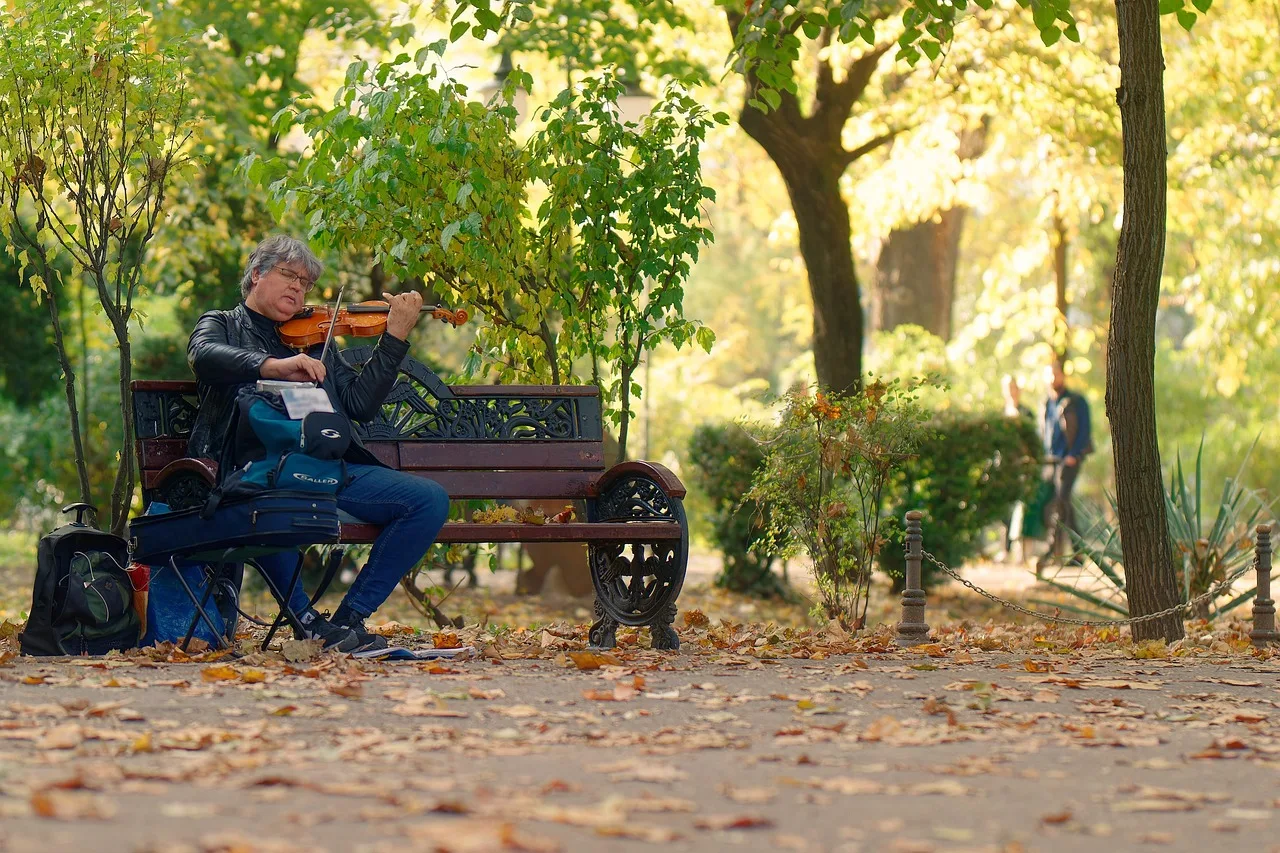


Çekim Tablosu
Çoğul (-ler)yetenekliler
Tanım
•sıfat: Yeteneği olan; çaplı, istidatlı, kabiliyetli
Diğer Dillerde
past participle of begaben
çekim: karşılaştırma begabter · üstünlük am begabtesten
eş: talentiert
Sie sind sehr begabt. — Çok yetenekli!
Fransızcadoué, prêt, prête, rendre disponible, talentueux /dwe/
talented; gifted · endowed (with de: endowed with)
aile: surdoué
Il est talentueux. — Çok yeteneklidir.
Sophie est douée pour les langues, elle en parle cinq.
İspanyolcaalistado, alistar, aprestado, dotado, en fa, inclinado /alisˈtado/
past participle of alistar
Eres muy patoso. — Çok yeteneklisin.
İtalyancadotato, preparare, preparato, pronto, talentuoso /doˈta.to/
past participle of dotare
eş: munito, provvisto, equipaggiato, fornito
Sei proprio imbranato. — Çok yeteneklisin.
Rusçaспособный, одарённый
Том талантлив. — Tom yetenekli.
الفنان موهوب. — Sanatçı yetenekli.
Farsçaآماده, آماده کردن, بااستعداد, تیار, رو به راه /ʔaː.maː.ˈda/
ready
köken: Inherited from Middle Persian 𐫀𐫖𐫀𐫅𐫃 (ʾmʾdg /āmādag/, “ready, prepared”), from Proto-Iranian *āmaH-, from Proto-Iranian *ā- + *maH- (“to measure”), from Proto-Indo-Iranian *maH-, from Proto-Indo-European *meh₁- (“to measure”). Compare Avestan 𐬁𐬨𐬁𐬙𐬀- (āmāta-), Sanskrit माति (māti, “measure, knowledge”), Ancient Greek μῆτῐς (mêtĭs, “skill, counsel, plan”). By surface analysis, the past participle…
Azericehazır, istedadlı, qabilliyətli, talantlı, zəkalı /hɑˈzɯr/
ready · prepared · ready-made
çekim: karşılaştırma daha hazır · üstünlük ən hazır
köken: Ultimately from Arabic حَاضِر (ḥāḍir).
aile: hazırlaşmaq, hazırlamaq, hazırlıq
Getməyə hazırsan?
O bizə kömək eləməyə həmişə hazır idi.
Biz döyüşə hazırıq.
Kazakçaдайын, дарынды, даяр, талантты /dɑˈjən/
ready
zıt: шалағай
köken: Borrowed from Arabic تَعَيُّن (taʕayyun).
aile: дайындалу, дайындау
дайын болу
Özbekçetayyor
Felemenkçegereed, getalenteerd, klaar /ɣəˈreːt/
ready, prepared · done, finished, completed · reasonable, serious
çekim: karşılaştırma meer gereed · üstünlük meest gereed
köken: From Middle Dutch gereet, from Old Dutch *girēde, from Proto-Germanic *garaidijaz, prefixed form of Proto-Germanic *raidijaz, from Proto-Germanic *raidaz.
aile: gereedheid, gereedschap
Zij is heel bekwaam. — O çok yetenekli.
Een rechter geeft (in het geheim) zijn toestemming voor het afluisteren als er gerede verdenkingen bestaan.
Portekizceaprontar /a.pɾõˈta(ʁ)/
to prepare (make ready for a specific future purpose) · to prepare for a trip · to prepare (make something for eating or drinking)
çekim: geçmiş aprontei · ortaç aprontado · şimdiki apronta
eş: pular a cerca
köken: From a- + pronto (“ready”) + -ar.
"Tens muito talento." — "Çok yeteneklisin."
Apronta o tabuleiro para podermos jogar.
Apronte-se, vamos a Berlim.
Aprontamos o navio para a expedição.
Yunancaέτοιμος, ταλαντούχος /ˈe.ti.mos/
ready, prepared
çekim: karşılaştırma ετοιμότερος · üstünlük ετοιμότερος
zıt: ανέτοιμος
köken: Inherited from the Ancient Greek ἕτοιμος (hétoimos).
Τι αδέξιος που είσαι! — Çok yeteneklisin.
finish, being ready, completion
マルチタレントスポットAbout — Çok- Yetenekli BenekAbout
Korece재능의, 재능이 있는
다재다능한 점About — Çok- Yetenekli BenekAbout
past participle of begåva
çekim: karşılaştırma mer begåvad · üstünlük mest begåvad
köken: From Old Swedish begava, from Middle Low German begaven.
Aj, vad du är klumpig! — Çok yeteneklisin.
Lehçegotowy, utalentowany /ɡɔˈtɔ.vɘ/
ready, prepared (made earlier and ready to be used) · ready, prepared (having completed everything necessary in order to begin an activity) · ready (accepting or willing to do something)
çekim: karşılaştırma gotowszy · üstünlük najgotowszy
eş: gotów, przygotowany, naszykowany, przyszykowany, wykonany, zrobiony
köken: Etymology tree Proto-Slavic *gotòvъ Old Polish gotowy Polish gotowy Inherited from Old Polish gotowy.
aile: gotowy na każde skinienie, gotowość, gotowy grosz, gotowy pieniądz, gotówka, pogotowie, gotować, przyjść na gotowe, przychodzić na gotowe, u wdowy chleb gotowy
"Jesteś bardzo utalentowany". — "Çok yeteneklisin."
Explicatus, Prętki/ Gotowy/ Poſpieſzny
Promptus, Wydány/ Też gotowy/ Poſpieſzny/ Chutki/ Prętki
Bereit. Gotowy/ et nárządzony. Paratus ad rem. et fortis.
Ukraynacaгото́вий, обдаро́ваний, таланови́тий
"Ти справді талановитий". — "Çok yeteneklisin."
desirous, willing
köken: Borrowed from Sanskrit इच्छुक (icchuka). By surface analysis, इच्छा (icchā) + -उक (-uk) or इच्छु (icchu) + -क (-ka).
शांति के इच्छुक राष्ट्र
competent, able, talented, brilliant · eminent, prominent, distinguished · brilliant, excellent
çekim: karşılaştırma etevämpi · üstünlük etevin
köken: ete- + -vä
aile: etevyys, etevästi
Monitaitoinen pisteAbout — Çok- Yetenekli BenekAbout
Çekçehotový, připravený, talentovaný /ˈɦotoviː/
ready, prepared · finished, done, completed
eş: dokončený, vyčerpaný, úplný
köken: Inherited from Old Czech hotový, from Proto-Slavic *gotovъ.
aile: hotov, hotové, hotovka, hotovo, hotovost, zhotovit
Talentovaný chlapíkAbout — Çok- Yetenekli BenekAbout
Hotovo!
Rumencegata, talentat /ˈɡa.ta/
ready, willing · done
köken: Origin disputed. Though probably from Proto-Slavic *gotovъ. Balkan Romance languages contain numerous instances where intervocalic b, v, w sounds are dropped, both in inherited Latin terms and old Slavonic borrowings. The word can also be found in Albanian, compare Albanian gati (which, like the Romanian, is also invariable). Alternatively, the word may be of ultimate Paleo-Balkanic or Albanian…
Dar eşti talentată. — - Yeteneklisin ama.
Macarcakész, készen, készül, tehetséges /ˈkeːs/
finished, done · ready (prepared for immediate action or use) · fagged out, worn out (both psychically or physically)
çekim: karşılaştırma készebb · üstünlük legkészebb
köken: From Proto-Finno-Ugric *kᴕ̈ćᴈ (“willing, ready”).
aile: készen, készít, készlet, készség, készül, késztet, készpénz, naprakész, segítőkész, a lélek kész, de a test erőtlen
Hihetetlenül tehetséges. — Çok yetenekli.
fogyasztásra kész
Kész rablás ilyen áron adni!
Kész szerencse, hogy nem halt meg!
Latinceaptus, parātus, promptus /ˈap.tʊs/
suitable, adapted · ready · apt, proper
zıt: incommodus, inūtilis, ineptus, irritus, grātuītus
köken: From Proto-Italic *aptos, which has been connected to the root Proto-Indo-European *h₂ep- (“to join, fit (in)”) or to the perfect passive participle of apiō (“fasten, join”).
aile: ineptus
Dancabegavet, talentfuld
bright, intelligent · clever · talented (endowed with talents)
çekim: karşılaştırma mere begavet · üstünlük mest begavet
eş: intelligent, åndfuld, talentfuld
köken: From begave (“to endow, gift”).
Plet med multitalentAbout — Çok- Yetenekli BenekAbout
Norveççeberedt, klar, rede, talentfull
ready, prepared
«Trer av for å reise». — "Terk etme konusunda yetenekliyim".
Vietnamcasẵn sàng /san˦ˀ˥ saːŋ˨˩/
ready; prepared
köken: -ang reduplication of sẵn.
Planck rất có khiếu về âm nhạc. — Planck müzikte de yetenekliydi.
Etimoloji
By surface analysis, yetenek + -li.
Eş & Zıt Anlamlılar
Örnek Cümleler
Tom yetenekli.
Tom is talented.
O çok yetenekli.
He's very talented.
Sen yeteneklisin.
You're talented.
Çok yeteneklisin.
You're so talented.
Tom yetenekliydi.
Tom was competent.
Sanatçı yetenekli.
The artist is gifted.
Tom çok yetenekli.
Tom is very capable.
Yetenekli misiniz?
Are you competent?
Sami yetenekliydi.
Sami was skilled.
Ben yetenekli miyim?
Am I talented?
Onlar çok yetenekli.
They're very capable.
O genç ve yetenekli.
She's young and talented.