Sözlük
/tesisat
tesisat
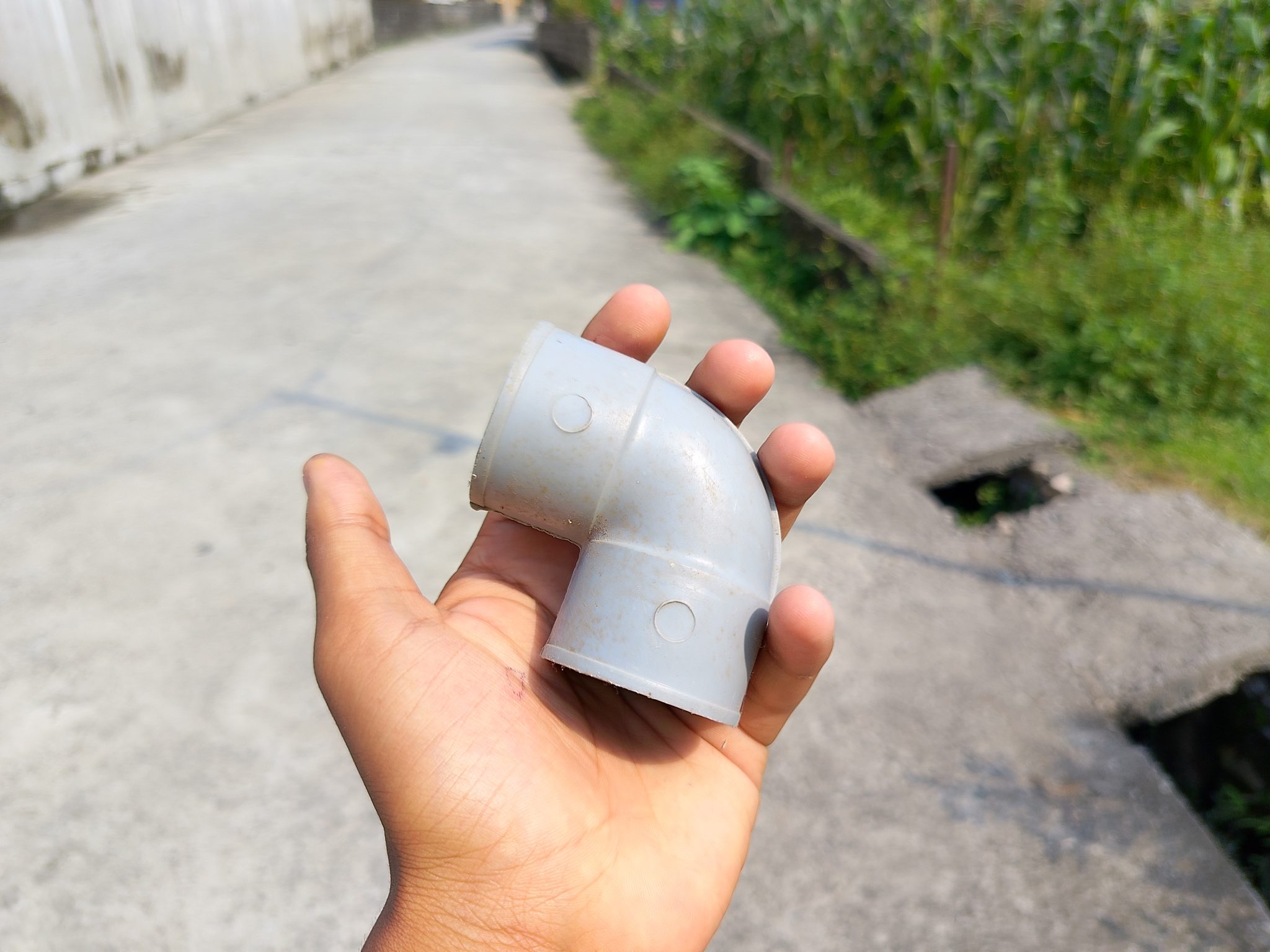
"tesisat" kelimesinin İngilizcesi: plant, installation, establishment. Anlamı, çevirisi, telaffuzu ve örnek cümleler aşağıdadır.
Çeviri
Genelplantnoun
Genelinstallationnoun
Genelestablishment
Görsel

Çekim Tablosu
Belirtme (-i)tesisatı
Yönelme (-e)tesisata
Bulunma (-de)tesisatta
Çıkma (-den)tesisattan
Tamlayan (-in)tesisatın
Çoğul (-ler)tesisatlar
Tanım
•isim: Belli bir işin sağlanmasına yardım eden araçların uygun yerlere döşenmesi veya döşenen bu araçların tümü; döşem, donanım
Diğer Dillerde
Almanca(fest) einbauen, (jmd.) einsetzen, aufrichten, auslösen, Auslöser sein, aussäen /ˈʔaʊ̯fʁɪçtn̩/
to raise up, to erect, to put up · to rise, to sit up, to straighten up oneself · to cheer up someone
çekim: geçmiş richtete auf · ortaç aufgerichtet · şimdiki richtet auf · ulaç aufrichtend
eş: aufstellen, emporrichten, erigieren, aufbauen, moralisch, stärken
köken: From Middle High German ūfrihten, from Old High German ūfrihten. By surface analysis, auf- + richten.
aile: Aufrichte, Aufrichtung, wiederaufrichten
Er bezeichnet Architektur als "Klempnerei." — Mimariye "tesisat" diyor.
Classe sociale qui concentre les fonctions de direction dans les différents domaines de la société.
Ügiek, ép. — Tesisat, döşem.
İspanyolcacolocar, establecimiento, fabricación, infiltrar, mata, planta /koloˈkaɾ/
to place · to put · to get in
çekim: geçmiş coloqué · ortaç colocado · şimdiki coloca
köken: Borrowed from Latin collocāre (“place, put, assemble”). Compare the inherited doublet colgar. Cognate with English collocate and couch.
aile: colocación
Él llama a la arquitectura "plomería." — Mimariye "tesisat" diyor.
No pude colocar palabras.
ruling class
çekim: çoğul classi dirigenti
Chiama l'architettura "idraulica". — Mimariye "tesisat" diyor.
установка; оборудование; сооружение
Он называет архитектуру "сантехническими работами". — Mimariye "tesisat" diyor.
فرانك: يسمي الهندسة بـ"العمل السمكري" — FG: Mimariye "tesisat" diyor.
Farsçaکاشتن /kaːʃ.ˈtan/
to sow · to plant; to grow (a plant; also figuratively) · to stand someone up; to leave hanging (like a tree that has been "planted" and cannot move)
çekim: geçmiş کاشت · ortaç کاشته · şimdiki میکارد · ulaç کارنده
köken: From Middle Persian [script needed] (kyštn' /kištan/) — the vowel changed in New Persian under the influence of the present stem [script needed] (kʾl- /kār-/) — from Proto-Iranian *karH-, from Proto-Indo-Iranian [Term?], from Proto-Indo-European [Term?]. Compare Ossetian калын (kalyn, “to pour”), Central Kurdish کێڵان (kêllan, “to plough”), Pashto کرل (karəl, “to sow”), Sanskrit किरति…
در درون سینه مهرش کاشتند نایب عیساش میپنداشتند
باز منو کاشتی رفتی تنها گذاشتی رفتی دروغ نگم به جز من یکی دیگه داشتی رفتی
Azericebitki, əkmək, quraşdırmaq, yerləşdirmək, بیتکی /bitˈki/
plant (organism capable of photosynthesis)
çekim: çoğul bitkilər · tamlayan bitkinin
köken: From bit- + -ki.
Dindarlarįn hamįsį, bitƣilərin, hejvanlarįn və təbiətdə ƣyja qi, xusysi bir jer dytan insanįn da allah tərəfindən jaradįldįgįna inanįrlar.
Kazakçaөсімдік /wøsʏmˈdɘk/
plant, vegetation
çekim: çoğul өсімдіктер · tamlayan өсімдіктің
köken: өсім (ösım) + -дік (-dık). Cognate with Kyrgyz өсүмдүк (ösümdük), Tatar үсемлек (üsemlek), Turkmen ösümlik, Uzbek oʻsimlik (“plant”).
өсімдік ауруы
өсімдік белдеулері
өсімдіктердің көбеюі
Tatarcaүсемлек
plant
köken: From үсем (üsem) + -лек (-lek). Cognate to Bashkir үҫемлек (üśemlek), etc.
order, establishment (especially political) · matter, issue · governance, rule
çekim: çoğul bestellen
köken: From Middle Dutch bestel.
aile: omroepbestel, staatsbestel
Hij noemt architectuur 'loodgieten'. — FG: Mimariye "tesisat" diyor.
Portekizceaparelhagem, erva, estabelecimento, fundação, sistema, situação (dişil) /a.pa.ɾeˈʎa.ʒẽj̃/
a collection of devices, gear · plant (industrial apparatus or machinery) · mini hi-fi system, mini hi-fi, mini stereo system
çekim: çoğul aparelhagens
eş: mecanismo
köken: By surface analysis, aparelho (“device”) + -agem. Aparelho from Latin appariculum, diminutive of apparātus (“device”)
Ele chama à arquitectura "canalização". — FG: Mimariye "tesisat" diyor.
Yunancaίδρυμα, ίδρυση, καθεστώς, κατεστημένο, φυτεύω, φυτό (nötr) /ˈiðrima/
institution, foundation, institute
çekim: çoğul ιδρύματα · tamlayan ιδρύματος
köken: Koine Greek ἵδρῡμα (hídrūma, “establishment; shrine”). Also semantic loan from English institute, foundation or French institut, fondation.
Τσαμπίκος, Τσαμπής. — Tesisat, döşem.
the Establishment (ruling class or group within a society interested in maintaining the status quo)
köken: From English establishment.
水つまってんの?知らなかったわ — Oo, harika tesisatçı geldi.
あなた自身よくご存知のように、日本のエスタブリッシュメントは、閉鎖的なエリート集団で、あなたや小佐野氏のような出自の人間には、なかなか入り込めない世界です。
それに追随する大学授業、無責任な評論家、ジャーナリスト、広くいえば「エスタブリッシュメント」に対する不信と嫌悪となってあらわれた。
私学というのは、官学が正統だといたしますと異端、異端とはいわないまでも正統に対置されるもの、エスタブリッシュメントに対するアンチエスタブリッシュメント、あるいは官学の画一性に対する多様性、官学の保守性に対する革新性、そういうものを私学は持ちうるわけです。
engine; machine · agency
eş: 숨통, 기도
köken: Sino-Korean word from 機關, from 機 (“machine”) + 關 (“relation”)
게리: 그 사람은 건축을 "배관 공사"라고 불러요. — FG: Mimariye "tesisat" diyor.
present participle of etablera
Så ser en rörmokare ut, eller hur? — Tesisatçılar hep böyle gözükür, di mi?
Lehçepodkładać, podłożyć, podrzucać, podrzucić, roślina, roślina zielna /pɔtˈkwa.dat͡ɕ/
to underlay, to put under · to stoke (to add fuel to a fire to avoid it burning out) · to plant, to place (to place secretly)
çekim: geçmiş podkładano · şimdiki podkłada
eş: podstawiać, podrzucać, podsuwać, opatrywać
köken: Etymology tree Proto-Indo-European *h₂ep Proto-Indo-European *-o Proto-Indo-European *h₂epó Proto-Indo-European *h₂pó Proto-Balto-Slavic *pa Proto-Slavic *po Proto-Indo-European *dʰeh₁-der. Proto-Slavic *podъ Proto-Slavic *podъ- Old Polish pod- Proto-Indo-European *kleh₂-der. Proto-Slavic *klàsti Proto-Indo-European *-h₂ Proto-Indo-European *-éh₂ Proto-Indo-European *-yéti Proto-Indo-European…
aile: podkład, podkładacz, podkładka, podkładzina
On nazywa architekturę "plombowaniem." — Mimariye "tesisat" diyor.
Це чудовий пристрій знищення відходів. — Mükemmel bir atık bertaraf tesisatı.
plant · sapling
çekim: çoğul पौधे
köken: Inherited from Sanskrit प्रवृद्ध (pravṛddha).
Finceasettaa, asuttaa, herrat, istuttaa, juntata, juurruttaa /ˈɑsetːɑːˣ/
to put, place, set, (move into) position, locate · to set up, found, institute (usually as an administrative order) · to arrange, compose, organise/organize, coordinate
çekim: geçmiş asettanut · şimdiki asettaisi · ulaç asettava
köken: From Proto-Finnic *asëttadak. Equivalent to asea + -ttaa.
aile: asetanta, asete, asetin, asettaja, asettaminen, asetus, asetella, asettautua, asettua, asetuttaa
Meidät kutsuttiin luomaan rakennelma — Büyük bir tesisat kurmak üzere bizi davet ettiler
asettaa ehdoksi
asettaa etusijalle
asettaa kyseenalaiseksi
Çekçeetablissement, rostlina, sázet, zasadit (dişil) /ˈrostlɪna/
plant
çekim: çoğul rostliny · tamlayan rostliny
aile: rostlinář, rostlinstvo
Je to úžasné zařízení pro likvidaci odpadu. — Mükemmel bir atık bertaraf tesisatı.
foundation, establishment
çekim: çoğul așezăminte · tamlayan așezământului
köken: From așeza + -ământ.
Compară arhitectura cu "instalaţiile sanitare." — Mimariye "tesisat" diyor.
Macarcaalapítás, berendezés, fióktelep, gépállomány, géppark, intézmény /ˈɒlɒpiːtaːʃ/
founding, forming, establishing
çekim: çoğul alapítások
köken: From alapít (“to found, establish, set up, start”) + -ás (noun-forming suffix).
aile: alapítási, alapítású, államalapítás, cégalapítás, családalapítás, egyházalapítás, honalapítás, lapalapítás
Így néznek ki a vízvezeték-szerelők, igaz? — Tesisatçılar hep böyle gözükür, di mi?
to plant, implant (also figurative) · to strike in, fix.
çekim: geçmiş נָטַעְתָּ
פ.ג: הוא קורא לארכיטקטורה "שרברבות". — FG: Mimariye "tesisat" diyor.
בְּגַנִּי נְטַעְתִּיךָ, / בְּגַנִּי הַמֻּצְנָע – בְּלִבִּי. In my garden I planted you / In my humbled garden – in my heart.
עוֹד לֹא נָטַעְתִּי כֶּרֶם עַל כָּל גִּבְעוֹת הַגִּיר
grass, herbage · herb · weeds
çekim: çoğul herbae · tamlayan herbae
köken: Etymology tree Proto-Indo-European *gʰreh₁-der. Proto-Indo-European *gʰer-dʰ? Latin herba Traditionally derived from Proto-Indo-European *gʰer-dʰ, from Proto-Indo-European *gʰreh₁- (“to grow, become green”), and compared to grāmen (“grass, turf”) and English grass. However, De Vaan is skeptical of this derivation, preferring the variant *ǵʰreh₁-, noting that *gʰer-dʰ cannot be derived from this…
aile: herbāceus, herbāns, herbāria, herbārium, herbārius, herbāticus, herbeus, herbidus, herbifer, herbilis
(the) establishment (entrenched power systems)
çekim: tamlayan establishments
köken: Borrowed from English establishment.
Det er ligesom, er videnskab og blikkenslagerarbejde forenelige? — Bunu sormak, bilimle sıhhi tesisat uyumlu mudur diye sormak gibi bir şey.
Endonezcetanam, tumbuhan /ˈtanam/
to plant · to bury
köken: Inherited from Malay tanam, from Proto-Malayic *tanəm, from Proto-Malayo-Polynesian *tanəm, from Proto-Austronesian *CaNəm (“grave, to bury”). First attested in the Talang Tuo inscription, 684 AD, as Old Malay [script needed] (tānaṃ) in the inflected form [script needed] (nitānaṃ) (current spelling ditanam).
aile: bertanam, ditanam, menanam, menanami, menanamkan, penanam, penanaman, pertanaman, tanam-menanam, tanam-tanaman
Ya, sampai perawatan dimulai. — Dönünce sıhhi tesisatçılığa başladı.
Etimoloji
Arapça
Deyimler
Eş & Zıt Anlamlılar
Örnek Cümleler
Tom bir tesisatçı.
Tom is a plumber.
Tom bir tesisatçıydı.
Tom was a plumber.
Ben bir tesisatçıyım.
I'm a plumber.
Bir tesisatçı çağırın.
Call a plumber.
Tom tesisatçıyı aradı.
Tom called the plumber.
Mario bir tesisatçıdır.
Mario is a plumber.
Tom tesisatçıyı çağırdı.
Tom called the plumber.
Mimariye "tesisat" diyor.
He calls architecture "plumbing."
Tom hâlâ bir tesisatçı mı?
Is Tom still a plumber?
Oo, harika tesisatçı geldi.
Oh, good the plumbers here.
Tom bir tesisatçı, değil mi?
Tom is a plumber, isn't he?
Tesisatçı çağırmamız gerekiyor.
We need to call a plumber.
İlgili Sorular
Başka bir ülkede nitelikli olan bir kişi, Amerika’da lisanslı bir gaz tesisatçısı (ve/veya sıhhi tesisatçı) nasıl olur?
Birleşik Krallık’ta lisanslı bir sıhhi tesisatçı ve gaz tesisatçısı, Amerika’da lisanslarını nasıl elde edebilir?
Enerjili elektrik tesisatı ve sistemlerini denetleyecek bir ev denetçisinin gereksinimleri nelerdir?
Boru tesisatı sınavını geçmek adına ne tür bir hazırlık önerilir?
Internet tesisatlarıyla ilgili bir denemeyi nereden bulabilirim?
Birleşik Kelimeler
sıhhi tesisatpis su tesisatı