Sözlük
/sırt
sırt
"sırt" kelimesinin İngilizcesi: ridge, back, shoulder, ridge, ridge. Anlamı, çevirisi, telaffuzu ve örnek cümleler aşağıdadır.
Çeviri
Genelridge
Genelback
Genelshoulder
Genelridge
Genelridge
Görsel
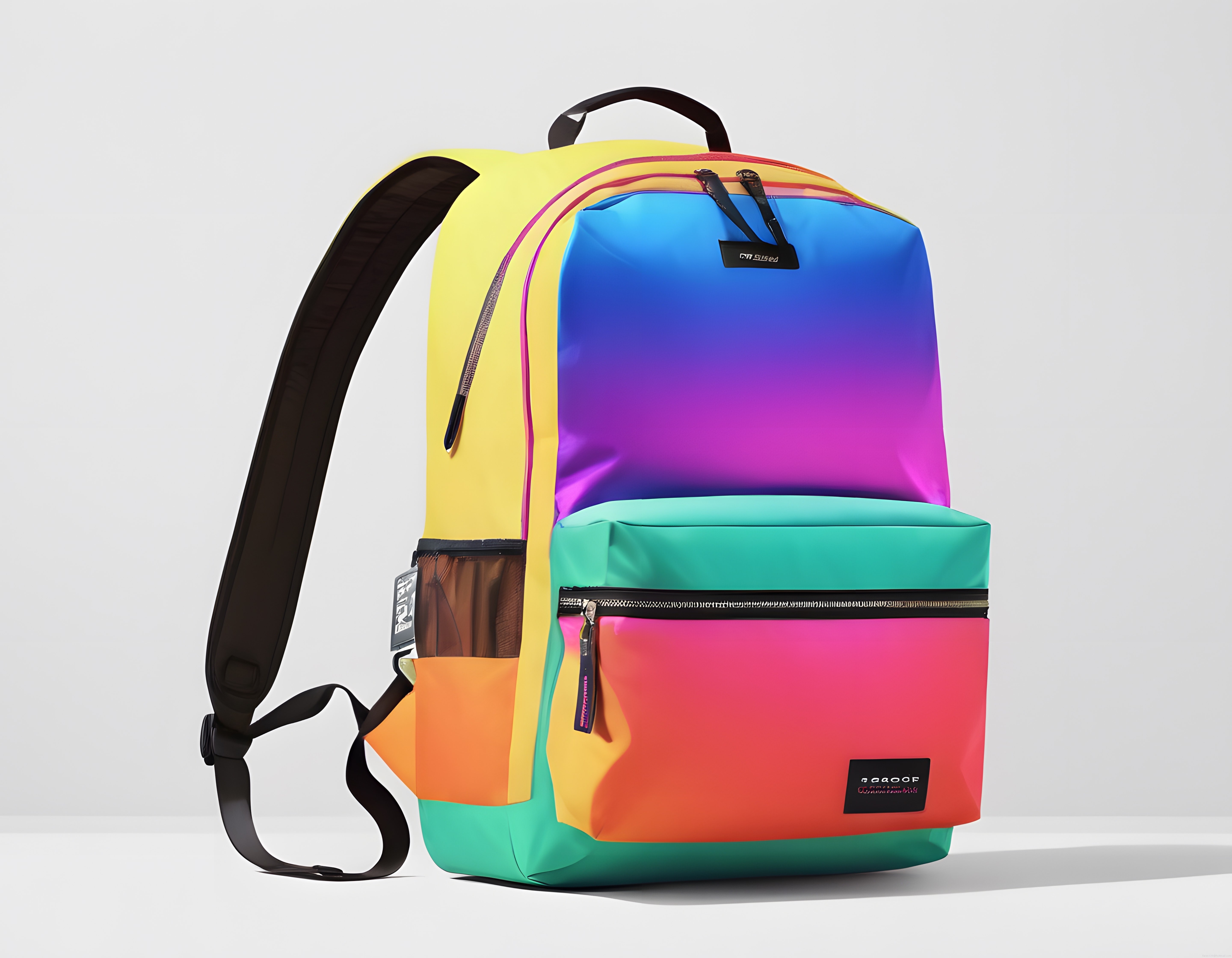
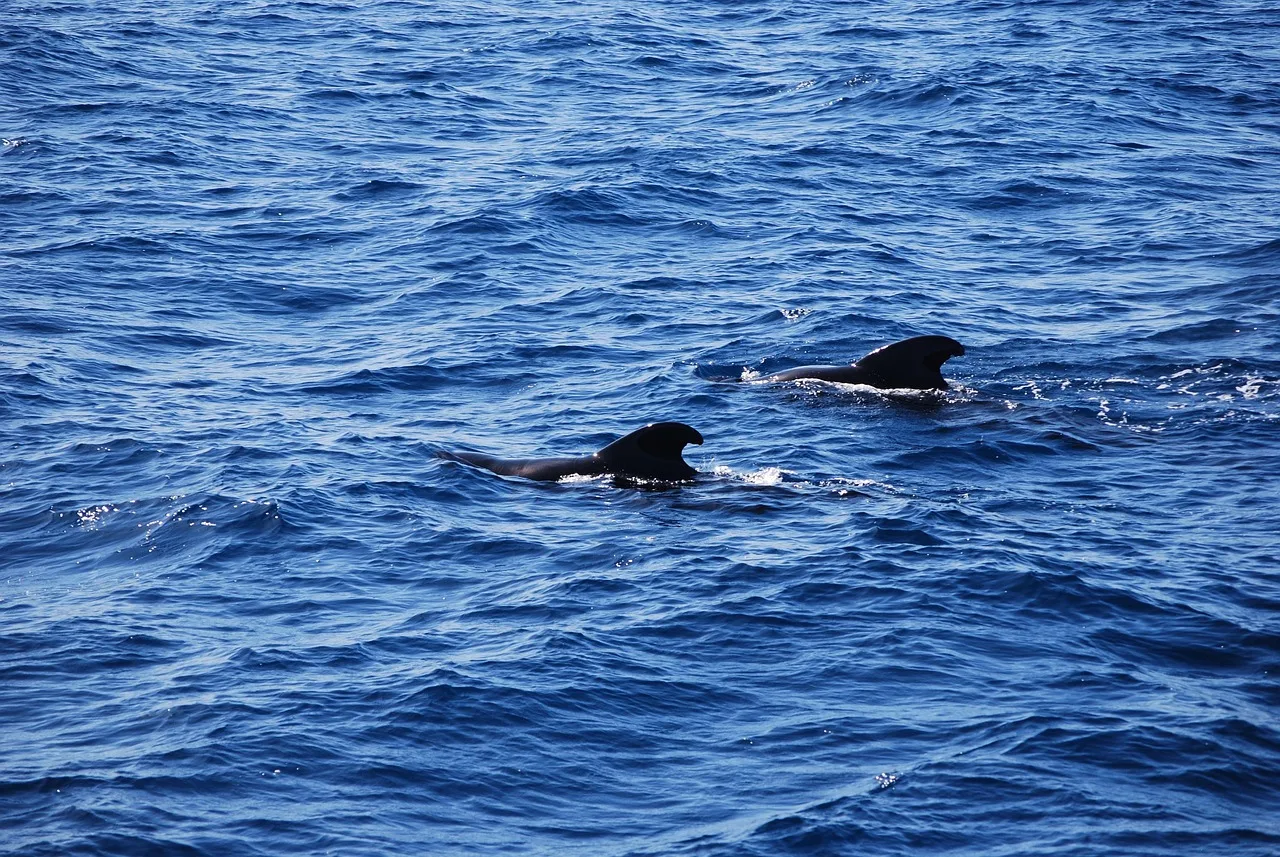


Çekim Tablosu
Belirtme (-i)sırtı
Yönelme (-e)sırta
Bulunma (-de)sırtta
Çıkma (-den)sırttan
Tamlayan (-in)sırtın
Çoğul (-ler)sırtlar
Tanım
•(Andırın, Düziçi ağzı) elbise
•Bir şeyi üstü, üst bölümü
•Dağların veya tepelerin üst bölümü
•Dikilmiş veya ciltlenmiş kitaplarda dikişin bulunduğu bölüm
•İnsanın üstü
•İnsanlarda boyundan bele kadar uzanan üst bölüm
•Kesici araçların kesmeyen kenarı
•Omurgalı veya omurgasız hayvanlarda boyundan kuyruk sokumuna kadar uzanan üst bölüm
Atasözü & Deyim
“Kabahat samur kürk olsa kimse sırtına almaz”
Diğer Dillerde
Almancagrat (eril) /ɡʁaːt/
ridge · edge · flash
çekim: çoğul Grate · tamlayan Grates
eş: Berggrat, Gebirgsgrat, Bart, Kante, Dachgrat
köken: Inherited from Middle High German grāt, from Old High German grāt, according to Pokorny, probably related to Proto-Germanic *granō (“awn”). Doublet of Gräte.
Nimm sie huckepack! — Sırtına al!
Fransızcaarrière, de derrière, de retour, derrière, dos, écarté (eril) /a.ʁjɛʁ/
back; rear · fullback · shooting guard
çekim: çoğul arrières
köken: Inherited from Old French ariere, from Vulgar Latin *ad retrō, from Latin ad + retrō.
aile: arriéré, assurer ses arrières, couvrir ses arrières, marche arrière, protéger ses arrières, arrière-train
Porte-la sur ton dos ! — Sırtına al!
Elle s'est assise à l'arrière du car.
İspanyolcaanterior, apartado, arredro, arrinconado, atrás, atrasado /anteˈɾjoɾ/
anterior (in time), previous, earlier, former, past · anterior (in space)
zıt: posterior
köken: Borrowed from Latin anterior.
aile: anterioridad, anteriormente, condicional anterior, cubital anterior, pretérito anterior
Oriente Baja. — Timur Sırt.
İtalyancaa posto, appoggiare, arretrato, di dietro, dietro, difensore /a‿pˈpos.to/
in order · all set, alright · in a good economic condition; having a good job, etc. (of a person)
köken: Literally, “at place”.
Lato orientale. — Timur Sırt.
mettere a posto i libri
Tutto a posto?
Rusçaанат. спина
Неси её на спине! — Sırtına al!
a mountaintop, a summit · a rock or spot in a mountain which has a different color · valley
çekim: çoğul ضَوَاهِر · tamlayan ضَهْرٍ
köken: From the root ض ه ر (ḍ h r).
احملها على ظهرك ! — Sırtına al!
then; so; therefore
köken: From Middle Persian 𐭯𐭮 (ps /pas/, “then, afterwards, behind”), from Old Persian 𐎱𐎿𐎠 (p-s-a /pasā/), from Proto-Indo-Iranian *pasčáH, from Proto-Indo-European *pos-(sḱ)-kʷéh₁.
aile: سپس, پس از
back · back, rear · rear (the part of an army or fleet which comes last)
çekim: çoğul arxalar · tamlayan arxanın
zıt: qabaq, ön
köken: From Proto-Turkic *arka. Cognates Cognate with Turkmen and Turkish arka, Uzbek orqa (“back”), Uyghur ئارقا (arqa, “back”), Tatar and Kyrgyz арка (arka, “back”), Kazakh арқа (arqa, “back”), Bashkir арҡа (arqa, “back”), Crimean Tatar arqa (“back”), Yakut арҕаа (arğaa, “west; back”) and Yakut арҕас (arğas, “mane of a horse”) Shor арға (“ridge, range; side; pointiness”), Tuvan арга (arga, “mountain…
aile: arxa durmaq, arxalanmaq, arxasında, arxayın, arxalı
shoulder
çekim: çoğul kiftlar · tamlayan kiftning
köken: Borrowed from Arabic كِتْف (kitf).
Felemenkçerug, rug, bergrug, bergkam (eril) /rʏx/
back, backside · ridge · ellipsis of rooie rug (“thousand-guilders banknote”)
çekim: çoğul ruggen
eş: achterkant
köken: From Middle Dutch rugge, from Old Dutch ruggi, from Proto-West Germanic *hrugi, from Proto-Germanic *hrugjaz.
aile: achter de rug, bultrug, bultrugwalvis, heuvelrug, roodrugpelikaan, rooie rug, rugborstel, ruggespraak, rugklacht, rugoperatie
Draag haar! — Sırtına al!
far, especially after being moved away · far from downtown or from urban areas · suspended (temporarily banned from one’s job)
zıt: próximo
köken: From afastar (“to repel; to separate”) + -ado.
Dorso firme. — Sırtı düzdür.
As caixas estão afastadas umas das outras.
Moramos num lugar afastado.
Você está afastado enquanto investigamos as alegações de corrupção.
behind, back
zıt: εμπρός, μπροστά
köken: From Byzantine Greek πίσω (písō), from an aphetic form of Ancient Greek ὀπίσω (opísō).
aile: κάνω πίσω, πισινός
Κουβάλησε την! — Sırtına al!
previous, former
<i>Brought to you by the PKer team @ www.viikii.net</i> — Sırtına al!
Korece(사람의) 등
업어! — Sırtına al!
a shoulder
çekim: çoğul axlar · tamlayan axels
köken: From Old Swedish axl, from Old Norse ǫxl, from Proto-Germanic *ahslō, from Proto-Indo-European *h₂eḱs-.
aile: axelskydd, axelvadd
Bär henne på ryggen! — Sırtına al!
shoulder (part of the body between the base of the neck and forearm socket) · side extension of a fort or fortification · upper back (area including the shoulder blades from one shoulder to the other)
çekim: çoğul barki · tamlayan barku
köken: Inherited from Old Polish bark.
aile: barczysty, bary, obarczyć, obarczać, dźwigać na barkach, spaść na barki, spadać na barki, spocząć na barkach, spoczywać na barkach, wziąć na barki
Bierz ją na plecy! — Sırtına al!
Ukraynacaза́дній, захисни́к, підтримати, підтримувати, плече́, ра́м'я /pʲidˈtrɪmɐte/
to support, to back · to sustain, to maintain, to keep up · to support, to hold up, to prop up, to underpin
çekim: geçmiş підтри́маний
eş: підде́ржати
köken: From під- (pid-) + трима́ти impf (trymáty). Compare Polish podtrzymać.
aile: підтри́маний, підтри́мання, підтри́мка
Спина рівна. — Sırtı düzdür.
shoulder
çekim: çoğul कंधे
köken: Inherited without cluster simplification from Prakrit कंध (kaṃdha), खंध (khaṃdha), from Sanskrit स्कन्ध (skandha, “shoulder”). Compare archaic काँध (kāndh), काँधा (kāndhā). Cognate to Assamese কান্ধ (kandh), Marathi खांदा (khāndā), and Nepali काँध (kā̃dh).
Finceestäen, harteet, hartia, hartiat, hilliten, kääntöpuoli /ˈhɑrteːt/
shoulders
çekim: çoğul harteiden · tamlayan harteiden
köken: Plural of hartia + -e.
aile: harteikas, -harteinen, harteva
Selkä suora. — Sırtı düzdür.
bleat
çekim: çoğul beky · tamlayan beku
Záda jsou úzká. — Sırtı düzdür.
V tu dobu zase žalný bekot telátka přerývavě zazněl z chléva. Nejistý, bázlivý byl to bek […]
Frantík tentokrát nedal se pro sklamání do beku.
back · backwards
köken: Inherited from Latin in ad post.
Urco in spate! — Sırtına al!
to shoulder, elbow, press, squeeze, bustle, muscle (to push with the elbow or shoulders to move ahead, e.g. in a crowd)
çekim: geçmiş furakodtak
köken: First attested in 1792. From fúr (“to drill”) + -akodik (frequentative suffix).
aile: furakodás, furakodó, aláfurakodik, átfurakodik, befurakodik, belefurakodik, előrefurakodik, felfurakodik, keresztülfurakodik, kifurakodik
Háta széles. — Sırtı düzdür.
back (the rear of the body, especially the part between the neck and the end of the spine and opposite the chest and belly)
çekim: çoğul גַּבּוֹת
köken: From Proto-Semitic *ganb-.
aile: הִפְנָה לוֹ אֶת הַגַּב, הַקַּשׁ שֶׁשָּׁבַר אֶת גַּב הַגָּמָל, תִּיק גַּב
תרכיב אותה! — Sırtına al!
Latincedorsum, humerus, postīcus, retrō, scapula, succollō /ˈdɔr.sũː/
down, downwards, beneath, below; (motion/direction/order); in a lower situation
çekim: çoğul dorsa · tamlayan dorsī
köken: From Proto-Italic *dorsom, probably derived from deorsum (“downwards”) < *dēvorsum, with a semantic shift from "turned away from" > "back". Ramat notes that the two terms' contemporaneous use suggests that one was not a phonetic development of the other; however, De Vaan explains this as a case of lexical differentiation in the written and by extension spoken forms. A potential connection with a…
aile: dorsālis, dorsō, Dorsō, dorsuālis
Quae ab situ porrectae in dorso urbis Longa Alba appellata
Etimoloji
Osmanlı Türkçesi سرط, سرت, سراد, Eski Türkçe.
Deyimler
Kelime Ailesi
Eş & Zıt Anlamlılar
Örnek Cümleler
Ah, sırtım.
Oh, my back.
Timur Sırt.
Backstage East.
Sırtına al!
Carry her!
Sırtı düzdür.
The back is straight.
Sırtı dümdüz.
His back is straight.
Sırt omurları
Dorsal vertebrae
Sırt üstü yat.
Lie back down.
Sırtım gergin.
My back is tense.
Sırtlan güler.
The hyena laughs.
Sırtım acıyor.
My back is sore.
Sırtınızı açın.
Turn on your back.
Sırtım ağrıyor.
I have a backache.
İlgili Sorular
İlgili / Bileşik Terimler
Genelbackpack
Geneli lost my backpack
Geneljet pack