Sözlük
/harap
harap
"harap" kelimesinin İngilizcesi: ruined, flat, ramshackle, ruinate, ruinous. Anlamı, çevirisi, telaffuzu ve örnek cümleler aşağıdadır.
Çeviri
Genelruinedadj
Genelflat
Genelramshackle
Genelruinate
Genelruinous
Genelrun-down
Genelwaste
Geneldesolate
Görsel
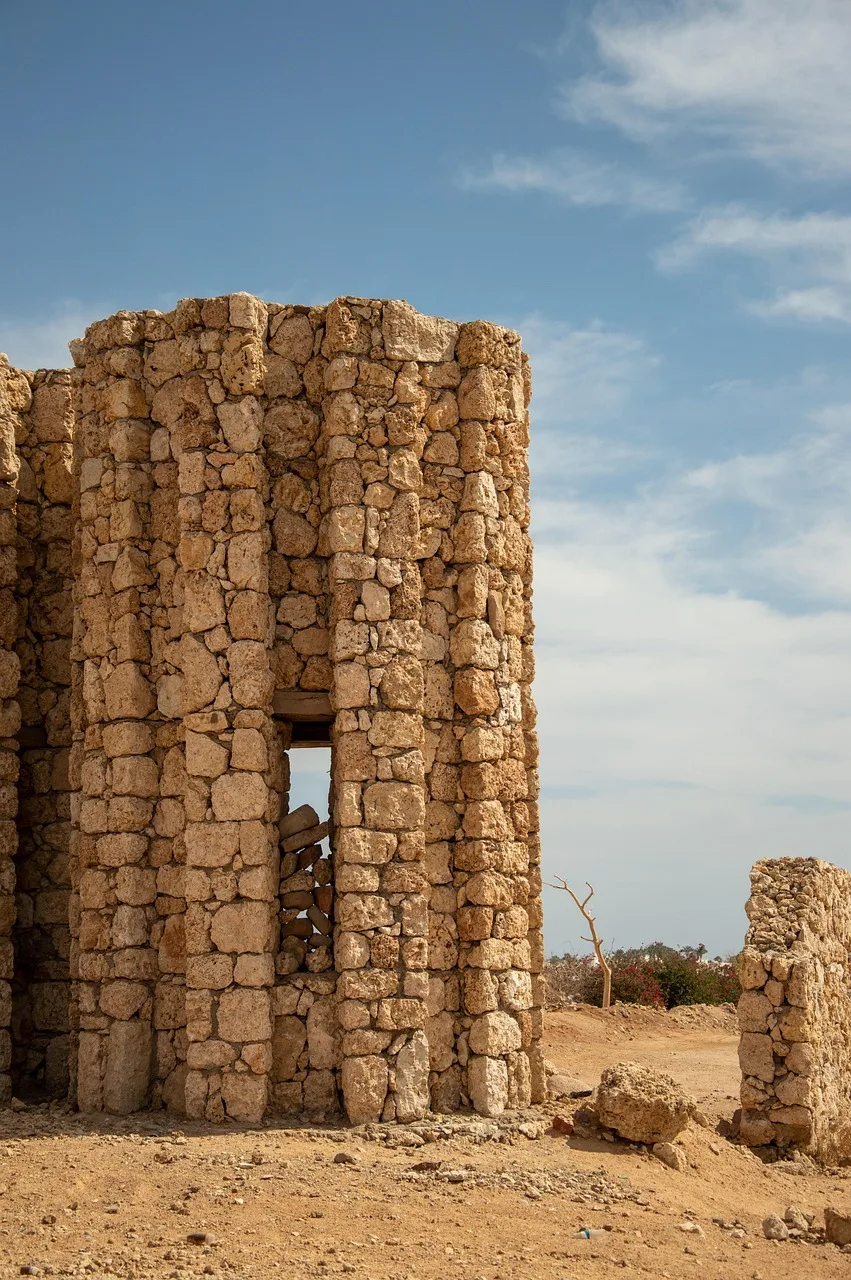
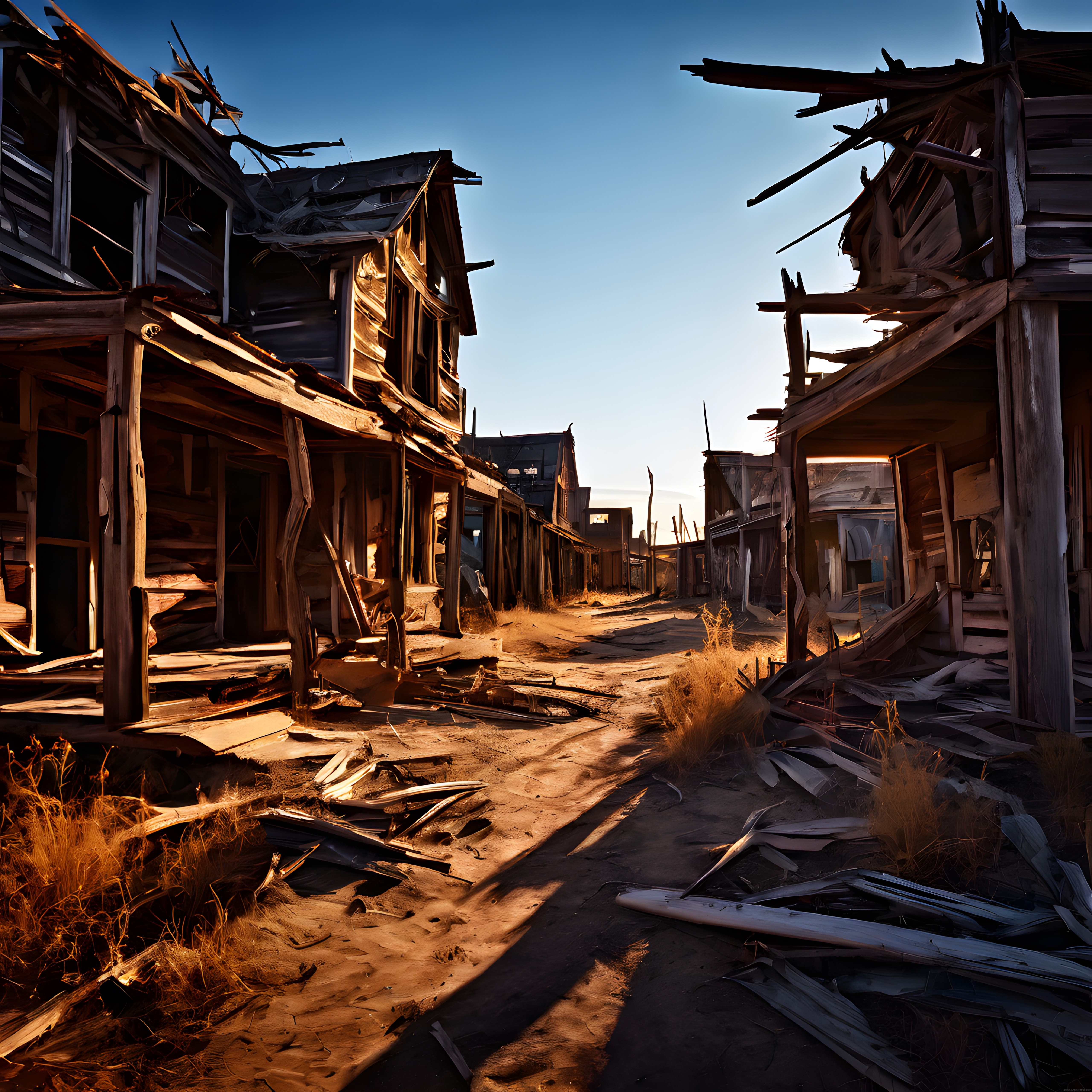
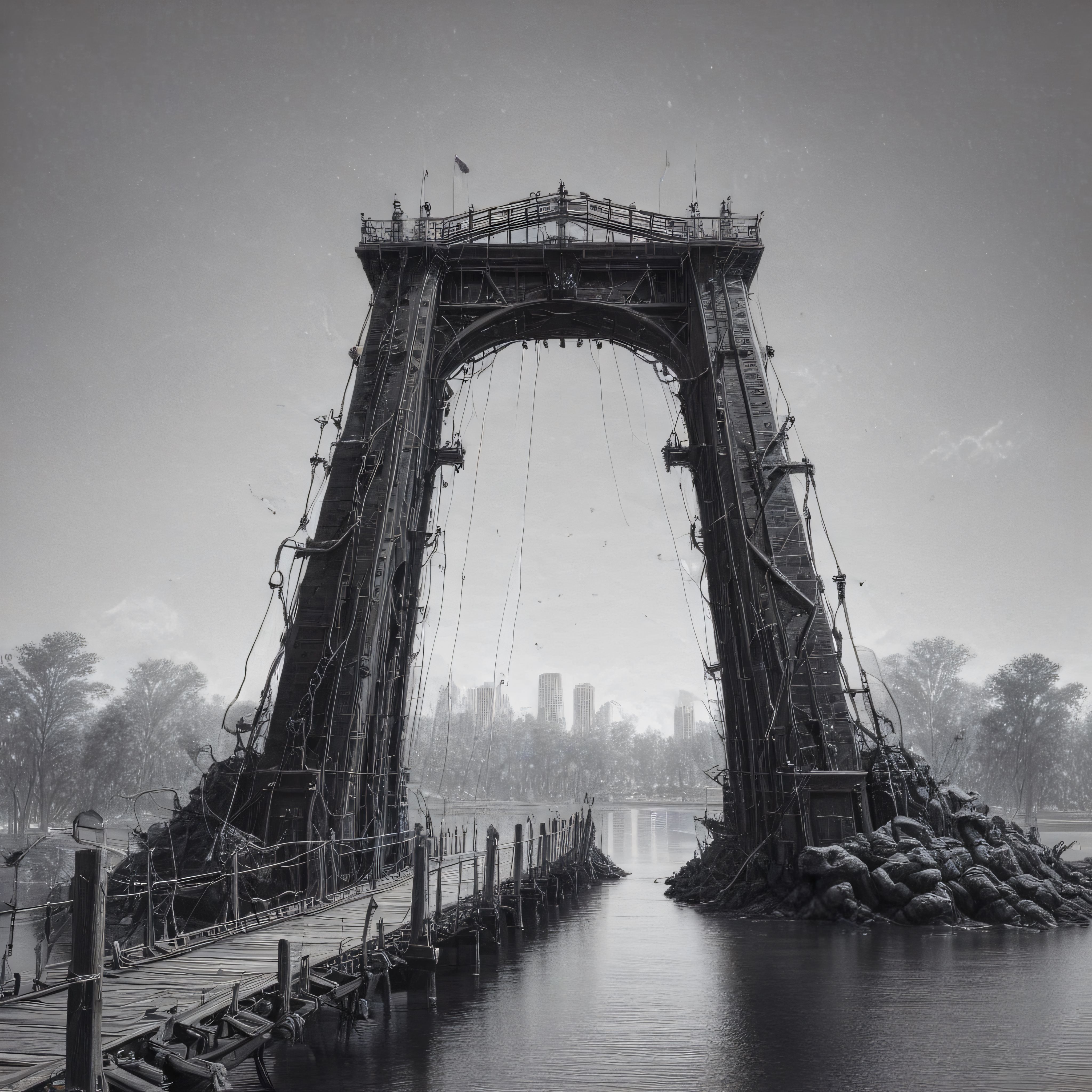

Çekim Tablosu
Çoğul (-ler)harabız
Tanım
•sıfat: Bayındırlığı kalmamış, yıkılacak duruma gelmiş; yıkkın, viran
•eskimiş: Çok sarhoş
•mecaz: Çok yorgun
Diğer Dillerde
AlmancaAbfall, Abflachung, aufgegebene Mine, Ausschuss, Ballerinas, Bergung (eril) /ˈapfal/
waste, garbage, rubbish, litter · decrease, decline, drop · apostasy
çekim: çoğul Abfälle · tamlayan Abfalles
eş: Kauder, Kehricht, Müll, Mist, Abtrünnigkeit, Abhang
köken: From Middle High German abfal, abefal, equivalent to ab- (“from”) + Fall (“fall”). Cognate with German Low German Offall, Dutch afval, English offal, Swedish avfall. Compare typologically Bulgarian отпадък (otpadǎk), Czech otpad, Serbo-Croatian отпад (< Proto-Slavic *otъpadъ < *otъ + *padati). Also compare French déchet (<< Latin dēcidō < dē- + cadō).
aile: Abfallwirtschaft, Abfalleimer, Bauabfall, Bioabfall, Gartenabfall, Druckabfall
Ich war am Boden zerstört. — Harap oldum.
radioaktiver Abfall
Abfall vom Glauben
Fransızcaà plat, bas, bémol, crevé, dégénération, dégonflé /a pla/
flat, level, horizontal · flat, deflated · flat (unable to emit power; dead)
aile: tomber à plat, mettre à plat
Et j'étais dévasté. — Harap oldum.
Forma del plural de acribadura.
Y yo estaba devastado. — Harap oldum.
Used other than figuratively or idiomatically: see a, terra. · completely deflated (of a tire) · disheartened due to being ill, morally depressed, or financially ruined; down in the dumps
eş: sgonfio
köken: Literally, “at ground”.
aile: mettere a terra
Ero devastato. — Harap oldum.
жалкий; измотанный, измождённый
Я был опустошён. — Harap oldum.
Arapçaمُسَطَّح
وكنت مدمرا. — Harap oldum.
flat, smooth, even, plane · clear, pure · straight
köken: Derived from Arabic صَافٍ (ṣāfin).
سطوح صاف
موهای صاف
flat, even · straight · correct, right
çekim: karşılaştırma daha düz · üstünlük ən düz
zıt: əyri, yanlış, səhv, yalan
köken: From Proto-Turkic *tüŕ (“even, level”).
aile: düzgün, düzəltmək, düzəlmək
Düz gedirsən, sonra dönürsən sağa
Sözün düzü, özüm də bilmirəm
Felemenkçeafval, braakliggend, koud maken, leeg, lek, mol (nötr) /ˈɑfɑl/
rubbish, garbage, trash
çekim: çoğul afvallen
köken: From Middle Dutch afval, shortening of slachtafval (“that which fell off from slaughtered meat.”), equivalent to af + val or a deverbal from afvallen. Compare English offal.
aile: afvalbak, afvalberg, afvalcentrale, afvalcontainer, afvalemmer, afvalinzameling, afvalmateriaal, afvalophaling, afvalproduct, afvalscheiding
Ik was kapot. — Harap oldum.
Morgen halen ze het afval op.
Portekizcedefinhar, degeneração, degradação, dejeto, descarregado, desperdiçar /de.fĩˈɲa(ʁ)/
to waste away (cause thinness to) · to exhaust · to waste away
çekim: geçmiş definhei · ortaç definhado · şimdiki definha
eş: enlanguescer
As janelas foram alargadas. — Pencereleri harap olmuştur.
tasteless, insipid (food, drink, etc)
zıt: νόστιμος
köken: Inherited from Ancient Greek ἀνούσιος (anoúsios).
Και καταρρακώθηκα. — Harap oldum.
trash, rubbish, garbage
köken: Uncertain. Nihon Kokugo Daijiten cites numerous theories from earlier dictionaries. These include: * Shortened from チリゴミ (chirigomi “dispersed in; scattered upon”); see 散(ち)る (chiru), 込(こ)む (komu) * From コミ (komi “flooding”), perhaps from waste dispersed in flood waters * Shortened from コヅミ (kozumi “stacks; that which accumulates”); see 積(つむ) (tsumu) * From クヅツミ(屑積) (kuzutsumi “waste”); see 屑(くず)…
1年先までショーの予定があり — Harap oldum.
見ろ!人がゴミのようだ!
waste, extravagance
eş: 허비
köken: Sino-Korean word from 浪費.
전 충격에서 헤어나질 못했습니다. — Harap oldum.
waste, refuse, garbage · falling away, apostasy
çekim: çoğul avfalls · tamlayan avfalls
köken: From av + fall. Compare German Abfall.
aile: avfallscontainer
Bomarsunds fästning förstördes. — Süleyman Mabedi harap edildi.
radioaktivt avfall
Han betraktade Andra Vatikankonciliet som ett avfall från den traditionella katolska tron.
Avfall är att helt förkasta den kristna tron.
flat (lowered by one semitone)
köken: Etymology tree Polish bemol Polish -owy Polish bemolowy From bemol + -owy.
Byłem zdruzgotany. — Harap oldum.
waste, refuse, garbage · residue, leftover
çekim: çoğul अपशिष्टों
köken: From अप (apa, “away, off”) + शिष्ट (śiṣṭa, “remaining, proper”).
Fincealavireinen, alennettu, alennettu nuotti, atropia, autiomaa, erämaa /ˈɑlɑˌʋirei̯nen/
flat, lower in pitch than it should be · blue, melancholic
çekim: karşılaştırma alavireisempi · üstünlük alavireisin
zıt: ylävireinen, korkea
köken: ala- + vire + -inen
aile: alavireisesti, alavireisyys
Kaikki ikkunat rikkoutuivat. — Pencereleri harap olmuştur.
waste (useless products, garbage), refuse · drain, drainpipe
çekim: çoğul odpady · tamlayan odpadu
eş: odpadky, smetí, odtok
köken: Inherited from Proto-Slavic *otъpadъ. Cognate with Serbo-Croatian отпад. Compare typologically German Abfall, Dutch afval, Swedish avfall. Also compare French déchet (<< Latin dēcidō < dē- + cado).
aile: bioodpad, odpadek, třídění odpadu
Dnes je opuštěná a zdevastovaná. — Bu gün bakımsız ve harap durumdadır.
to decline, deteriorate, go into decay/ruin · to fall
çekim: geçmiş decăzut · ortaç decăzut · şimdiki decade
köken: From de- + cădea, based on French déchoir, Italian decadere.
aile: decădere
Şi am fost devastat. — Harap oldum.
Forms the second-person singular present tense of verbs (indicative mood, indefinite conjugation). · Forms nouns and adjectives from verbs or nouns. · Forms diminutives.
zıt: -isz
És le voltam súlytva. — Harap oldum.
fest (“to paint”) + -esz → festesz (“you paint, you are painting”)
eresz (“eaves”)
kollégium (“dormitory”) + -esz → kolesz
İbraniceאבטלה, בֶּמוֹל, מְנֻקָּר, מְפֻנְצָ׳ר, שָׁטוּחַ, שִׁטְחִי (dişil)
idleness, waste. · unemployment.
ואני הייתי הרוס. — Harap oldum.
Latinceēiectāmenta, plānus, prōdigō
trash, rubbish, garbage, waste
çekim: tamlayan affalds
köken: Verbal noun of affalde. Compare German Abfall, Dutch afval and Norwegian and Swedish avfall.
aile: affaldsafgift, affaldsbehandling, affaldsbeholder, affaldsbortskaffelse, affaldsbørs, affaldscontainer, affaldsdeponering, affaldsdeponi, affaldsdepot, affaldsdynge
Vinduerne er firkantede. — Pencereleri harap olmuştur.
Bare vinduene ble ble ødelagt. — Pencereleri harap olmuştur.
flat (having no variations in altitude)
köken: From Malay datar, from Proto-Malayic *datar, from Proto-Malayo-Polynesian *dataʀ, from Proto-Austronesian *dataʀ. Doublet of latar and rata.
aile: dataran, mendatar, mendatarkan, pendataran, sedatar
Dan saya sangat terpukul. — Harap oldum.
Bulgarcaбезинтересен, бемол, бемо́л, бракуван, досущ, загуба (eril) /bɛˈmɔɫ/
flat (the symbol ♭)
çekim: çoğul бемо́ли
köken: Borrowed from French bémol, from Medieval Latin b molle (“B flat”, literally “soft B”).
Бях съкрушен. — Harap oldum.
ре бемо́л
Slovencegorjenje, nezanimivo, raven, spuščena /ràːʋən/
even, level
çekim: karşılaştırma rávnejši · üstünlük nȁjrávnejši
köken: From Proto-Slavic *orvьnъ.
aile: rávnost
Carlos je zaprt. — Carlos harap olmuştur.
Etimoloji
Arapça
Eş & Zıt Anlamlılar
Örnek Cümleler
Tom harap.
Tom is devastated.
Harap oldum.
And I was devastated.
Kale haraptı.
The castle was in disrepair.
Harap olurdum.
I'd be devastated.
Harap olmuştu.
It was destroyed.
Harap edildim.
I was devastated.
Harap olacaksın.
You'll be ruined.
O harap olmuştu.
He was devastated.
Ben harap oldum.
I'm ruined.
Tom oldukça harap.
Tom is pretty devastated.
Tom harap edilecek.
Tom is going to be devastated.
Harap görünüyordun.
You seemed devastated.
İlgili / Bileşik Terimler
Geneldestruction
Genellay waste