Sözlük
/enfes
enfes
"enfes" kelimesinin İngilizcesi: fantastic, excellent, grand, superb, exquisite. Anlamı, çevirisi, telaffuzu ve örnek cümleler aşağıdadır.
Çeviri
Genelfantasticadj
Genelexcellentadj
Genelgrand
Genelsuperb
Genelexquisite
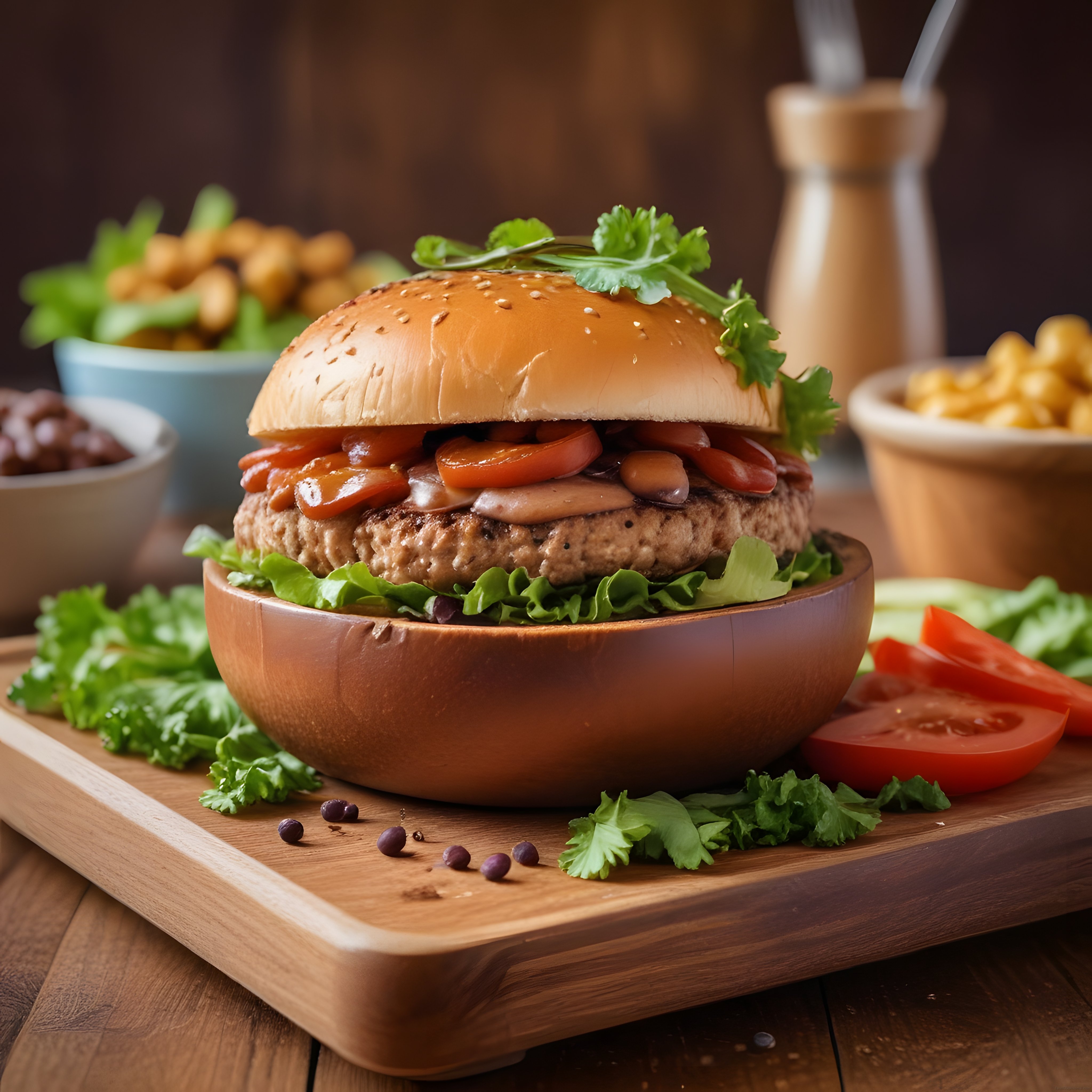
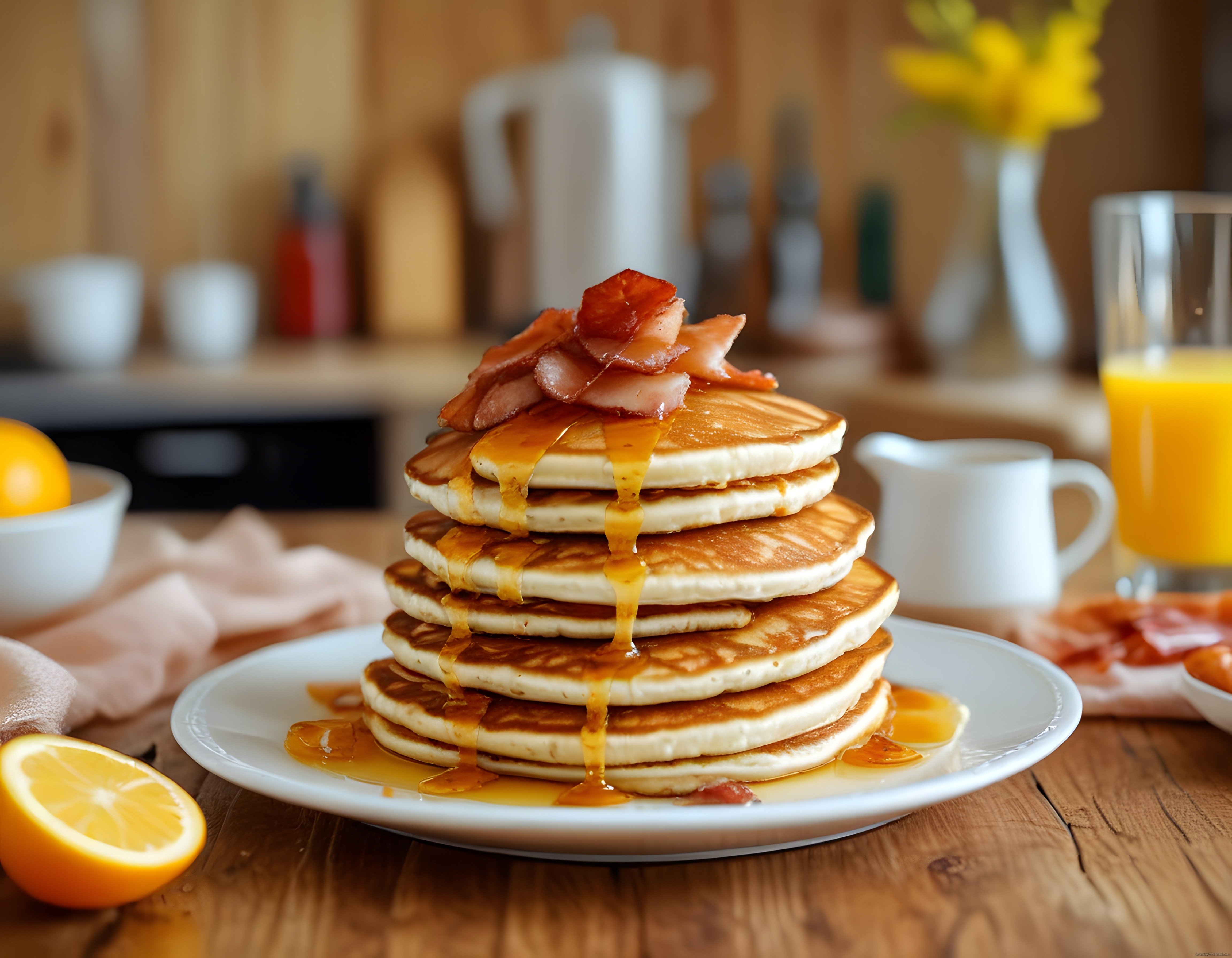
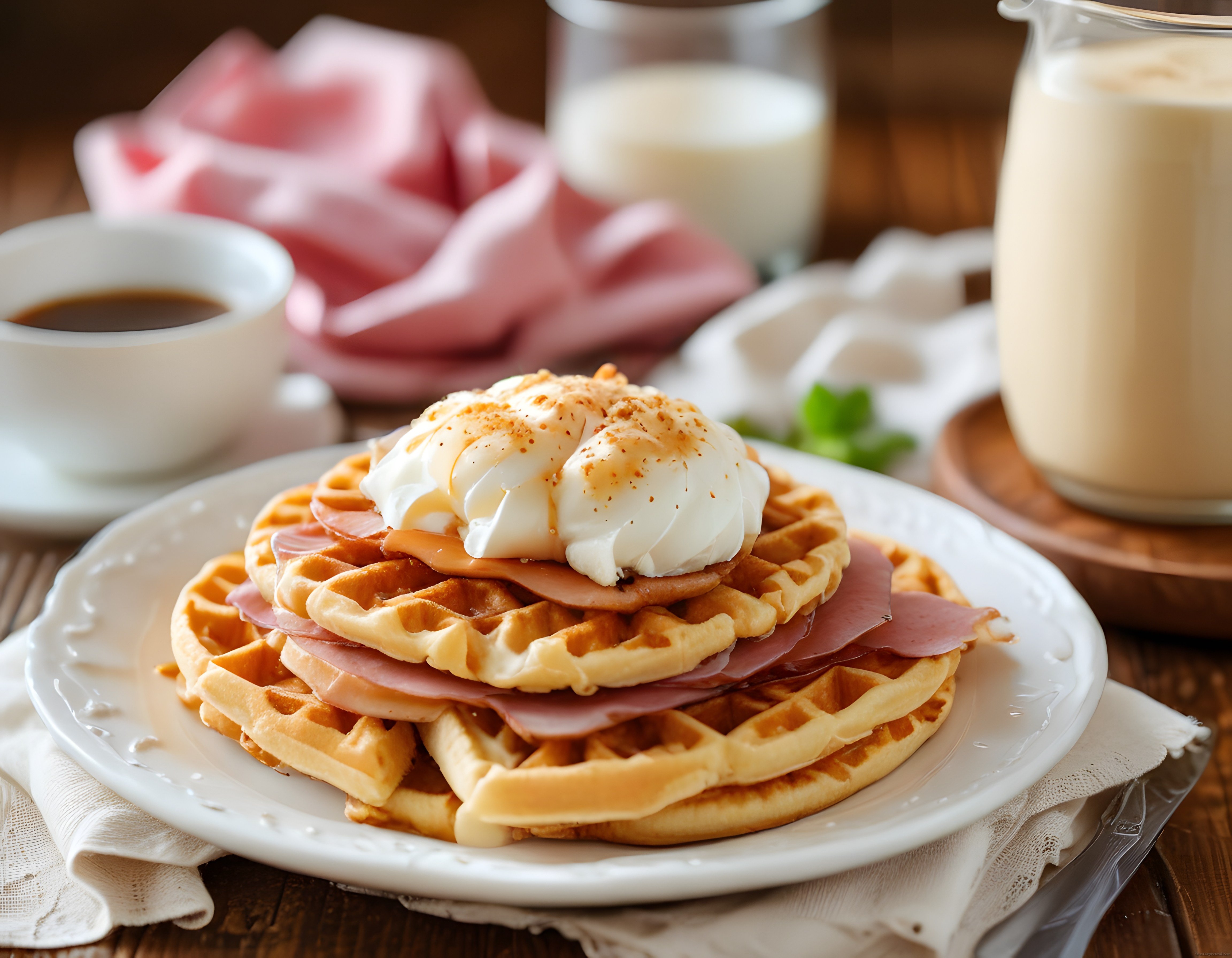
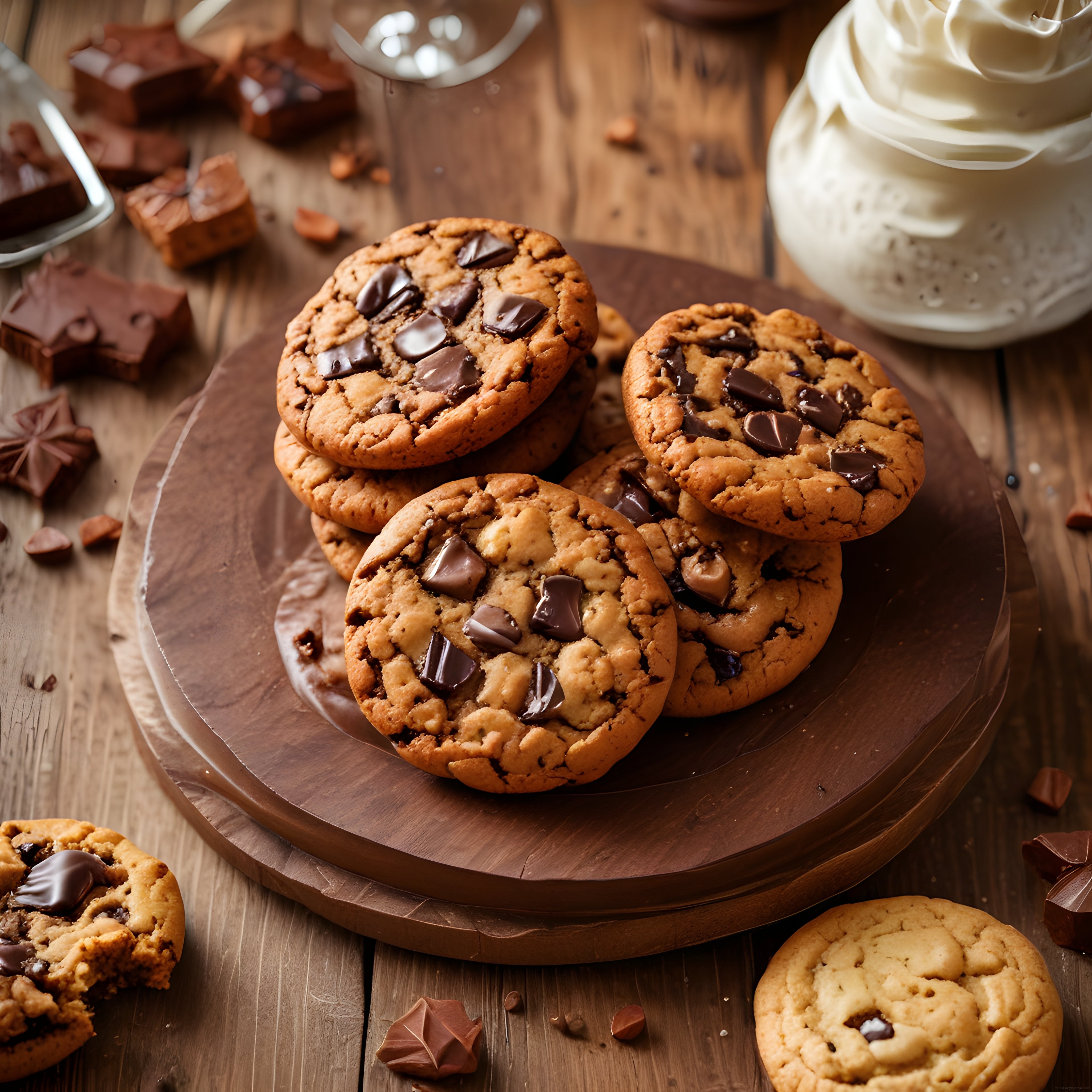
Genelyum
Genelyum
Görsel
Tanım
•sıfat: Çok güzel, en güzel, çok nefis
Diğer Dillerde
Almancaausgezeichnet, groß, Groß-, großartig, hervorragend, Tausi /ˈaʊ̯sɡəˌtsaɪ̯̯çnət/
past participle of auszeichnen
Das war großartig. — Bu enfesti.
ausgezeichnete Qualität.
wirklich ausgezeichnet.
Es trifft sich ausgezeichnet, dass...
excellent; splendid
köken: Borrowed from Latin excellentem.
C'était formidable. — Bu enfesti.
İspanyolcade bute, de buten, excelente, excelso, grande, grosso /eɡsθeˈlente/
excellent, brilliant, superb · copacetic (US slang) · tiptop, topnotch, top notch
çekim: üstünlük excelentísimo
eş: óptimo
köken: From Latin excellentem. Cognate with Italian eccellente, French excellent, English excellent.
aile: excelentemente
Ha sido magnífico. — Bu enfesti.
İtalyancaeccellente, eccezionale /et.t͡ʃelˈlɛn.te/
excellent, superb, first-class · very important, prominent, high-ranking
çekim: üstünlük eccellentissimo
eş: eccelso, egregio, eminente, sommo, straordinario, sublime
köken: From Latin excellentem (“distinguished”, “excellent”), present active participle of excellō (“to elevate, raise up”).
aile: eccellentemente, eccellentissimo
È stato magnifico. — Bu enfesti.
Великолепно. — Bu enfesti.
Arapçaفَاخِر, مُمْتَاز
اياديك ذات المنظر الشهي. — Enfes görünen ellerin.
Farsçaعالی /ʔaː.ˈliː/
sublime, exalted · excellent
çekim: karşılaştırma عالیتَر · üstünlük عالیتَرین
köken: Borrowed from Arabic عَالٍ (ʕālin).
aile: جناب عالی, عالیجناب, عالیحضرت
صورتی کو فاخر و عالی بود / او ز بیت الله کی خالی بود
بِسیار عالی اَست.
Azericeəla, mükəmməl /æːˈɫɑ/
excellent, splendid · higher, taller; situated in a higher position.
köken: From Arabic أَعْلَى (ʔaʕlā).
aile: əlaçı
Felemenkçegrandieus, groot, groots, uitmuntend, uitstekend, voortreffelijk /ɣroːt/
big, large, great · great, important, eminent · tall
çekim: karşılaştırma groter · üstünlük grootst
eş: groots
zıt: klein, kort
köken: From Middle Dutch grôot, from Old Dutch grōt, from Proto-West Germanic *graut, from Proto-Germanic *grautaz.
aile: allergrootst, begroten, de Groot, es-groot, groot geschapen, grootbrengen, grootcommandeur, grootduizend, grootgrondbezitter, grootgrutter
Dit was buitengewoon. — Bu enfesti.
Kijk, wat een groot gebouw!
Rachel Carson was een groot schrijfster.
Hij is vijf centimeter groter.
excellent, first-rate, thorough · noble
köken: From Ancient Greek ἄριστος (áristos, “best, noblest”).
Αυτό ήταν εξαίσιο. — Bu enfesti.
terrific, wonderful, splendid, grand, magnificent · extreme, terrible
köken: Originally derived from 窄(すば)る (subaru, “to shrink, to get smaller”, archaic) + しい (-shii, adjectivizing suffix evoking the quality of the suffixed term), from the sense of “that which makes one shrink away”. Compare verbs 窄まる (subomaru), 窄める (subomeru). The kanji spelling is an example of ateji (当(あ)て字(じ)). The initial sense was strongly negative, and this usage continued until at least the…
遊び人は、女の手を見ただけで 分かるのか? — Enfes görünen ellerin.
great, excellent
köken: By surface analysis, alla (“all”) + tiders (“times'”).
Detta var fantastiskt. — Bu enfesti.
– Blir det bra med fisksoppa idag? – Det blir alla tiders!
– Smakar fisksoppan gott? – Den smakar alla tiders!
perfect, excellent, flawless
çekim: karşılaştırma doskonalszy · üstünlük najdoskonalszy
eş: idealny, perfekcyjny, zupełny, bezkonkurencyjny, bez zarzutu, nienaganny
zıt: niedoskonały
köken: Etymology tree Old Polish doskonać Proto-Indo-European *-lós Proto-Slavic *-lъ Old Polish -ły Polish -ły Polish doskonały From Old Polish doskonać + Polish -ły.
aile: doskonałość, doskonalić
Twoje...smacznie wyglądające ręce. — Enfes görünen ellerin.
Ukraynacaвідмі́нний, чудо́вий
Це було супер. — Bu enfesti.
eminent · superior · excellent
köken: Borrowed from Sanskrit उत्कृष्ट (utkṛṣṭa).
aile: उत्कृष्टता
Finceerinomainen, iso-, loistava, loistavaa, mahtava, mahtavaa /ˈerinˌomɑi̯nen/
excellent, outstanding, first-rate, exquisite · strange, odd, peculiar
çekim: karşılaştırma erinomaisempi · üstünlük erinomaisin
köken: erin (genitive) + omainen
aile: erinomaisesti, erinomaisuus
"Suurenmoinen esitys. — Bu enfesti.
Anja Pohjola on erinomainen suomalainen näyttelijä.
Çekçelitr, tác, tisícovka, vynikající, výtečný (eril) /ˈlɪtr̩/
liter (US), litre (UK) · a thousand crowns (Czech currency)
çekim: çoğul litry · tamlayan litru
eş: decimetr, krychlový, tác, talíř, hadr, klacek
aile: půllitr
Bylo to úžasné. — Bu enfesti.
půl litru
Rumenceexcelent /eks.t͡ʃeˈlent/
excellent
köken: Borrowed from French excellent, Latin excellens.
A fost superb. — Bu enfesti.
present participle of kitűnik
çekim: karşılaştırma kitűnőbb · üstünlük legkitűnőbb
köken: kitűnik (“to stand out”) + -ő (present-participle suffix)
aile: kitűnően, kitűnőség
Ez remek volt. — Bu enfesti.
A ház kitűnő állapotban van.
A gyerekeik kitűnő tanulók.
A rézpataki hölgyek mind híresek voltak kitűnő szépségükről.
Exceptional
köken: The adjective follows from the verb.
הידיים שלך הטעימות למראה — Enfes görünen ellerin.
Latinceexcellens, grandis, magnus, praestābilis /ɛksˈkɛl.lẽːs/
elevating, rising · exulting · excelling, surpassing
çekim: karşılaştırma excellentior · üstünlük excellentissimus
köken: Present participle of excellō.
great, good
köken: Compare Norwegian Bokmål alle tiders, Norwegian Nynorsk alle tiders and Swedish alla tiders.
Det var superbt. — Bu enfesti.
Du er alle tiders
I Ældre Sagen vil vi gerne inspirere til, at danske boliger bliver omdannet til alle tiders boliger.
grand (Great in size, and fine or imposing in appearance or impression) · grand (Having higher rank or more dignity, size, or importance than other persons or things of the same name) · supreme, greatest, most excellent, extreme, most superior, highest, or utmost.
köken: Inherited from Malay agung, from Classical Malay اڬوڠ (agung), from Javanese ꦲꦒꦸꦁ (agung), from Old Javanese aguṅ. Cognate of Sundanese ageung.
aile: diagung, diagung-agung, diagung-agungi, diagung-agungkan, diagungi, diagungkan, diperagung, diperagung-agung, diperagung-agungi, diperagung-agungkan
Tanganmu yang kelihatannya enak.. — Enfes görünen ellerin.
Vietnamcatuyệt vời, ưu, xuất sắc /twiət̚˧˨ʔ vəːj˨˩/
wonderful; splendid
köken: tuyệt + vời.
aile: tuyệt vời ông mặt trời
Thật tuyệt vời. — Bu enfesti.
tuyệt vời ông mặt trời
Bulgarcaвелик, величествен, голям, импозантен, отли́чен, превъзхо́ден /vɛˈlik/
grandiose, enormous, monumental, gigantic (of great magnitude) · great, grand, august, magnificent (of great status) · important, momentous, glorious, major (having a great impact or significance)
çekim: karşılaştırma по́-вели́ки · üstünlük на́й-вели́ки
köken: Etymology tree Proto-Indo-European *welh₁-der. Proto-Slavic *vele Proto-Indo-European *-yós Proto-Balto-Slavic *-jas Proto-Slavic *-jь Proto-Slavic *velь Proto-Indo-European *-kos Proto-Slavic *-kъ Proto-Slavic *velikъder. Old Church Slavonic великъ (velikŭ) Bulgarian велик Inherited from Old Church Slavonic великъ (velikŭ), from Proto-Slavic *velikъ. By surface analysis, ве́ли (véli, “superb”) +…
aile: велича́в, велича́йш, великоду́шен, великоле́пен, велико-, велика́н, вели́чество, вели́чие, величина́, велича́я
Това беше великолепно. — Bu enfesti.
велика радост
великo множoество от хора
Великден
Etimoloji
Inherited from Ottoman Turkish انفس (enfes), from Arabic أَنْفَس (ʔanfas).
Örnek Cümleler
Bu enfesti.
That was superb.
Pasta enfes.
The cake is delicious.
Enfes görünen ellerin.
Your . . . delicious-looking hands.
Buranın yemekleri enfes.
The food here is excellent.
Bu enfes bir küçük tablodur.
This is an exquisite little painting.
Bu limonlu bademli kurabiyeler enfes.
These lemon-almond cookies are excellent.
Bu enfestasyon at koliğine yol açabilir.
This might be rather steep for horse operation.
Tadı insanı baştan çıkaran enfes bir lezzetti.
It was sinfully sweet and delicious.
Dean Koontz bu enfes -tesadüfi olduğunu sanmıyorum -
Dean Koontz built this fabulous home theater, which is --
Gezileri sırasında yediği enfes yemeklerden bahsediyordu.
He was talking about the delicious food they had eaten on their trip.
Baş biti enfestasyonları, özellikle çocuklarda yaygındır.
Head-lice infestations are common, especially in children.
Limana yakın olmasına rağmen temiz ve enfes bir denizi vardır.
Water in the lake is clear and in excellent condition.