eliyle
C1 seviye
TR → EN
"eliyle" kelimesinin İngilizcesi: per, care of. Anlamı, çevirisi, telaffuzu ve örnek cümleler aşağıdadır.
Çeviri
Genelper
Genelcare of
Görsel
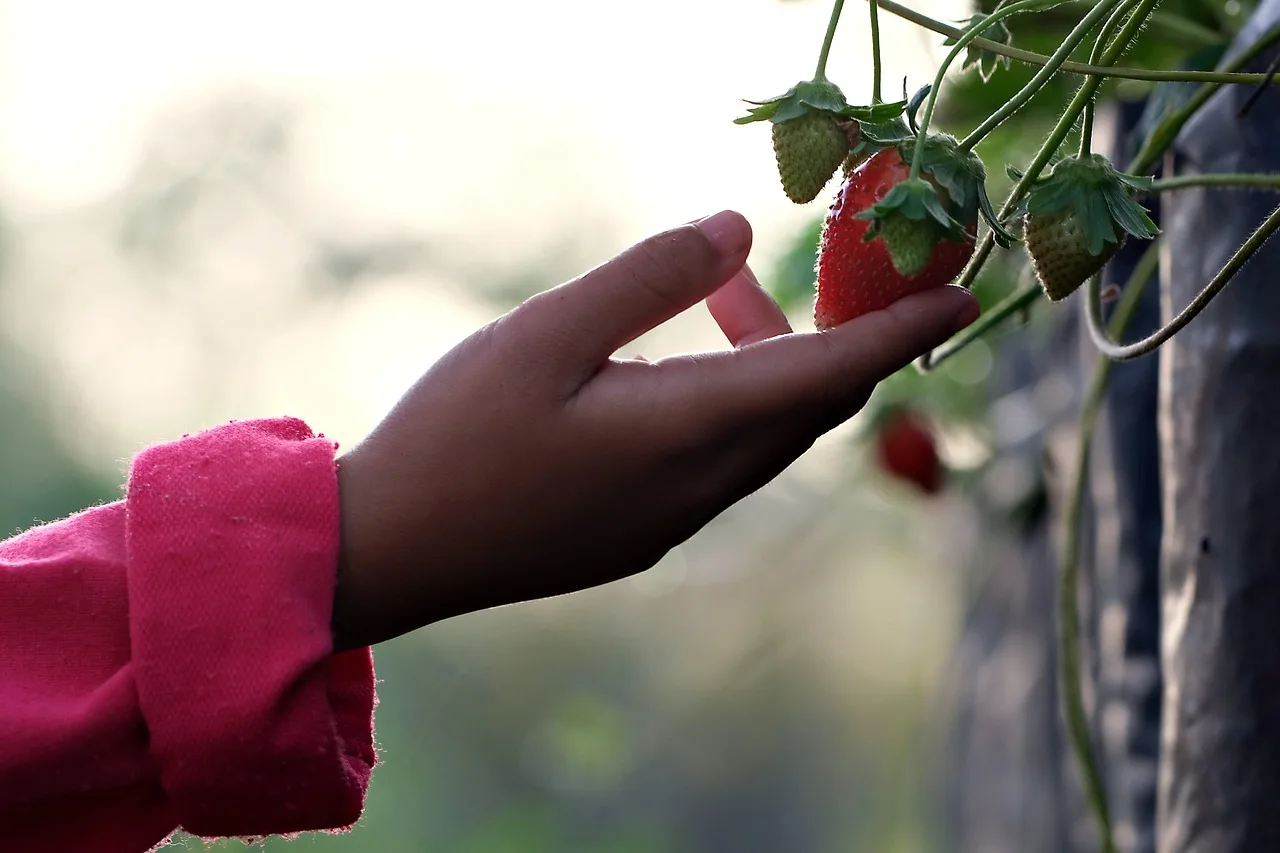



Tanım
•zarf: aracılığıyla
Atasözü & Deyim
“El eliyle yılan tut, onu da yalan tut”
Diğer Dillerde
by means of; by; through · through; entering, then exiting · through (a period of time)
eş: mittels, vermittels, dank, hindurch, während
köken: From Middle High German durch, from Old High German duruh, from Proto-Germanic *þurhw. Cognate with English through, thorough, Dutch door, West Frisian troch, Yiddish דורך (durkh).
Er schaute auf seine eigene Hand. — O kendi eliyle baktı.
Das Haus wurde durch ein Feuer zerstört.
Wir wandern durch den Wald.
Sie hat mir durch eine schwierige Zeit geholfen.
contraction of à + le, literally “to the, for the, at the”
Il regarda sa propre main. — O kendi eliyle baktı.
Il étudie la musique au conservatoire.
a la; in the style or manner of · to the
köken: Calque of French à la.
Miró a su propia mano. — O kendi eliyle baktı.
dos a la quinta
İtalyancain accordo, secondo /seˈkon.do/
second · the second
çekim: çoğul secondi
eş: altro, differente, diverso, nuovo, ulteriore, inferiore
köken: From Latin secundus (“he who follows, second”), from sequor (“to follow”). Cognate with Sicilian sicunnu.
aile: microsecondo, millisecondo, nanosecondo, secondamente, secondario, secondogenito
Guardò la propria mano. — O kendi eliyle baktı.
Rusçaпо, согла́сно, че́рез
Po (a river in Italy)
eş: на, до, вплоть до, о, вследствие, из-за
köken: Inherited from Old East Slavic по (po), from Proto-Slavic *po.
Он посмотрел на свою руку. — O kendi eliyle baktı.
Тарака́н бе́гал по столу́.
Он плыл по реке́.
Они́ путеше́ствовали по Евро́пе.
Arapçaبِـ, بِنَاءً عَلَى, بِوَاسِطَة, عَنّ طَرِيق, فِي كُلّ, لِأَجْل
وقال انه يتطلع في يده. — O kendi eliyle baktı.
Farsçaبرای هر, در هر
per, by, through, throughout
köken: From Ancient Greek ἀνά (aná).
Κοίταξε το χέρι του. — O kendi eliyle baktı.
ανά δύο έτη
ανά άτομο, ανά δύο άτομα
ανά την Ελλάδα
İsveççeenligt
according to
köken: From obsolete adjective enlig. Compare -enlig, enlighet.
Han tittade på sin egen hand. — O kendi eliyle baktı.
Evangelium enligt Lukas
Själv var jag enligt uppfostran strängt högkyrklig och hade kort före mitt inträde i ovannämnde mästares tjänst, blivit konfirmerad.
Lehçeod, zgodnie z /ˈɔt/
indicates separation, distance, loss of contact; from, away · indicates origin of movement; from, away · indicates moment of origin in time; from, since, for
eş: z powodu, niż, za, ot
köken: Etymology tree Proto-Indo-European *étider. Proto-Balto-Slavic *ati Proto-Slavic *otъ Old Polish od Polish od Inherited from Old Polish od.
aile: od cholery, od groma, od metra
Spojrzał na swoją rękę. — O kendi eliyle baktı.
Jesteśmy dość daleko od domu.
Odsuń się od niej!
Dostałem dziś list od siostry.
indicating period or circumstance in which something happened or is happening: during, in, under · indicating movement to the other side of something: behind, beyond, over · indicating taking a standing or seated position next to something: at, to
köken: Inherited from Proto-Slavic *za.
Він подивився на свою руку. — O kendi eliyle baktı.
за часі́в Гетьма́нщини
за жо́дних обста́вин
за будь-яки́х умо́в
ablative singular of jokainen
Hän katsoi omin käsin. — O kendi eliyle baktı.
on, onto (direction, + accusative case) · on (location, + locative case) · to (direction, + accusative case, used only with certain places (do + genitive is more common))
köken: Inherited from Old Czech na, from Proto-Slavic *na.
Podíval se na svou vlastní ruku. — O kendi eliyle baktı.
Dej skleničku na stůl.
Sklenička je na stole.
Jdeme na poštu.
İbraniceלכל, על פי
according to
aile: על פי רוב, עַל פִּי רֹב
ע"ש סוסו המועדף. — Sağ eliyle atı istemektedir.
each; every · synonym of một (“one”)
köken: Sino-Vietnamese word from 每. Doublet of mọi. As 每 (měi) may be a loan from Proto-Austroasiatic *muəjʔ (“one (cardinal number)”), this Vietnamese word would also be a doublet of một.
Anh nhìn bàn tay của mình. — O kendi eliyle baktı.
tập thể dục mỗi ngày
mỗi người
mỗi... mỗi/một...
Estoncakohta
partitive singular of koht · illative singular of koht
Selle kohta ma ei tea.
Terve kuu kohta oli ainult mõni päikesepaisteline päev.
Eestis oli iga mehe kohta keskmiselt 1,187 naist.
Taycaละ /laʔ˦˥/
particle used often with mildly entreative or corroborative force
köken: Cognate with Lao ລະ (la), Northern Thai ᩃ, Lü ᦟᦰ (l!). Compare Khmer លះ (lĕəh) or ស្រឡះ (srɑɑlah), Mon ဗၠး.
aile: ดีละ, ตายละวา, ถูกละ, ละวา, เอาละ
Katalancasegons /səˈɣons/
according to · in accordance with
köken: Inherited from Old Catalan segon, from Latin secundum. Compare Spanish según.
Segons la seva opinió, si.
Les opinions varíen segons d'una persona o d'una altra.
Arnavutçapër /pəɾ/
köken: From a phonetic collapse of two Proto-Albanian terms, *per(i) and *pra, the former from Proto-Indo-European *péri (“leading (out) across or around”) and *pér (“through”) (compare Sanskrit परि (parí, “(a)round”)), the latter from Proto-Indo-European *pró (“towards, before”) (compare Ancient Greek πρό (pró, “before, forwards”). Possibly reinforced by Latin per (“through, over”).
aile: për hir të, për nga, për shkak të, për te, për tek, për të, për-, pse
Ermeniceամեն մի, յուրաքանչյուր /juɾɑkʰɑnˈt͡ʃʰjuɾ/
each, every · either (of two)
köken: From Old Armenian իւրաքանչիւր (iwrakʻančʻiwr).
Bengalceমারফত
Esperantograŭ /ɡrau̯/
in accordance with, in keeping with
zıt: malgraŭ
köken: Back-formation from malgraŭ (“in spite of, despite”), as if it had prefix mal- (“opposite of”).
Makedoncaво /vɔ/
at (when telling time) · to (a geographic location)
köken: Inherited from Proto-Slavic *vъ(n).
Што правиш во мојата соба?
Во колку часот дојдоа? - Во единаесет часот.
Јас се враќам пак во Свети Николе.
Eş & Zıt Anlamlılar
Örnek Cümleler
O onu eliyle götürdü.
He took her by the hand.
O kendi eliyle baktı.
He looked at his own hand.
Eliyle bir jest yaptı.
He made a gesture with his hand.
İpi iki eliyle kavradı.
He grasped the rope with two hands.
Tom eliyle duvara vurdu.
Tom hit the wall with his fist.
O, sol eliyle yazı yazar.
She writes with her left hand.
Tom iki eliyle ipi tuttu.
Tom held the rope with both hands.
Tom onun sol eliyle yazar.
Tom writes with his left hand.
Tom eliyle ağzını kapattı.
Tom covered his mouth with his hand.
İki eliyle de yazabiliyor.
He can write with both hands.
Tom eliyle bir jest yaptı.
Tom made a gesture with his hand.
O her iki eliyle yazabilir.
He can write with either hand.