Sözlük
/batmak
batmak
"batmak" kelimesinin İngilizcesi: dip, dive, duck, jar, set. Anlamı, çevirisi, telaffuzu ve örnek cümleler aşağıdadır.
Çeviri
Geneldip
Geneldive
Genelduck
Geneljar
Genelset
Genelsting
Genelwane
Genelsink
Genelsubmerge
Genelsink
Genelsubmerge
Görsel

Çekim Tablosu
Geniş zamanbatamam
Şimdiki zamanbatabiliyor
Gelecek zamanbatacak
Geçmiş zamanbatamadı
Şartbatamasa
Gereklilikbatamamalı
Emirbat
Tanım
•Bir sıvının üstündeyken içine gömülmek
•Güneş, Ay ve yıldız Dünya’nın dönüşü dolayısıyla ufkun altına inmek
•İflas etmek
•kirlenmek
•Bir yere saplanmak
•Tedirgin etmemesi gereken şeyler tedirgin etmek
Diğer Dillerde
Almancasinken /ˈzɪŋkən/
to sink; to submerge; to set; to fall from the sky · to fall; to drop; to decline
çekim: geçmiş sank · ortaç gesunken · şimdiki sinkt · ulaç sinkend
eş: untergehen, absteigen, absacken, versinken, versacken, abnehmen
köken: From Middle High German sinken, from Old High German sinkan, from Proto-West Germanic *sinkwan, from Proto-Germanic *sinkwaną. Compare Low German sinken, Dutch zinken, English sink, Danish synke, Swedish sjunka.
aile: Sinker, Sinkung, versinken
Die Sonne wird untergehen und meine Füße werden mich umbringen. — Güneş batmak üzere ve ayağımın ağrısı beni öldürüyor.
Die Sonne ist gesunken.
Fransızcaappareil, assigner, baisser, canard, canard femelle, cane (eril) /a.pa.ʁɛj/
apparatus, device · ellipsis of appareil photo: camera (for photographs) · telephone
çekim: çoğul appareils
köken: From appareiller (in Old French apareil). Less likely from a Vulgar Latin *apparic(u)lum; cf. apparātus (whence apparat).
aile: dans le plus simple appareil, dans son plus simple appareil
Les Kovalev se sont levés tôt ce matin. — Sabah gunes gec doğup erken batmaktadır.
appareil photo
appareil dentaire
Pourrais-je parler avec monsieur Tremblay, s'il vous plaît ? / À l'appareil.
infinitive of agachar combined with se
eş: achancar, achaparrarse, acocharse, agarbarse, inclinarse, ceder
Casi termino... ...haciendo algo ilegal. — Yasadışı işlere batmak üzereydim.
to heddle, thread · to set (a saw), to adjust (bend) the teeth of (of a saw) · to make off
çekim: geçmiş allicciàto · ortaç allicciàto · şimdiki allìccia · ulaç allicciànte
köken: From a- + liccio + -are.
aile: allicciatura, allicciatore
Il sole sta per tramontare. — Güneş batmak üzere.
duck (aquatic bird of the family Anatidae); ducks
çekim: tamlayan بَطٍّ
köken: A wanderwort. See Old Armenian բադ (bad, “duck”).
كنت على وشك القيام بشيء غير قانوني — Yasadışı işlere batmak üzereydim.
وَلَا بَأْسَ أَنْ يَبُطَّ الْمُحْرِمُ خُرَاجَهُ وَيَفْقَأَ دُمَّلَهُ وَيَقْطَعَ عِرْقَهُ إِذَا ٱحْتَاجَ إِلَى ذٰلِكَ
duck (bird)
köken: Borrowed from Turkic. Compare Azerbaijani ördək, Kyrgyz өрдөк (ördök), Tatar ürdäk, Turkish ördek. Early attestations are from the 1500s.
Azericeçoxluq, ördək, qoymaq, quraşdırmaq, qurmaq, təqdim etmək /t͡ʃoxˈɫux/
majority
çekim: çoğul çoxluqlar · tamlayan çoxluğun
zıt: azlıq, əqəliyyət
köken: Morphologically çox (“much, many”) + -luq. The sense 'set' is a semantic loan from Russian мно́жество (mnóžestvo).
aile: altçoxluq
to change, adjust · to adjust, adapt · to fit, try on
çekim: geçmiş pasten aan · ortaç aangepast · şimdiki past aan · ulaç aanpassend
köken: From aan + passen.
aile: aanpasbaar, aanpassing
De zon gaat onder en mijn voeten doen verschrikkelijk pijn. — Güneş batmak üzere ve ayağımın ağrısı beni öldürüyor.
Het programma is iets aangepast ten opzichte van vorig jaar.
Om te overleven zul je je moeten aanpassen.
Je hebt nu al drie jurken aangepast; kies er gewoon één!
unchangeable, unalterable · unchanged, unaltered
eş: αναλλοίωτος
Ο ήλιος δύει, και τα πόδια μου με έχουν πεθάνει. — Güneş batmak üzere ve ayağımın ağrısı beni öldürüyor.
あひるの学術的表記。
でも 行かなきゃ — Güneş batmak üzere ve ayağımın ağrısı beni öldürüyor. Kahretsin!
to put · to leave (behind), let there be · to keep (from), preserve
çekim: geçmiş 두었다
köken: From Middle Korean 두다〮 (twùtá), from Old Korean 斗 (twu-, “to possess”).
aile: 놓아두다, 잡아두다
불법은 아니지만 탈법일 수도 있을... 법한 일을 할 뻔 했는데 — Yasadışı işlere batmak üzereydim.
책을 책상 위에 두다
당신에게 그것들을 남겨 둘까요?
Lehçeagregat (eril) /aˈɡrɛ.ɡat/
aggregate, aggregation (mass, assemblage, or sum of particulars) · unit, genset (ensemble of machines that work together) · aggregate (mass formed by the union of homogeneous particles)
çekim: çoğul agregaty · tamlayan agregatu
eş: agregat makroekonomiczny, agregat danych, gwara więzienna buzała
köken: Internationalism; compare English aggregate. Possibly borrowed from German Aggregat or French agrégat, ultimately from Latin aggregātus. First attested in 1825.
aile: agregatowy, agregatornia, agregatownia, agregatować
Zbliża się świt. — Güneş batmak üzere.
domestic duck, (informally) duck, Anas platyrhynchos f. domesticus · ellipsis of uutisankka (“canard”)
çekim: çoğul ankat · tamlayan ankan
köken: Borrowed from Swedish anka.
aile: ankkala, ankanmaksa, ankanpoika, ankanpoikanen, ankkaemo, ankkahöystö, ankkakukko, ankkalammikko, Ankkalammikko, Ankkalinna
Vain me kaksi olimme jäljellä ja konkurssin partaalla. — Sadece ikimiz kalmistik ve biz de batmak uzereydik ve bu cok iyiydi.
two (digit or figure) · deuce (cards)
çekim: çoğul dvojky · tamlayan dvojky
eş: chvalitebná
Zůstali jsme jen my a i s námi to bylo nahnuté. A to bylo to skvělé. — Sadece ikimiz kalmistik ve biz de batmak uzereydik ve bu cok iyiydi.
to place, put, set, stand, erect (to place in an upright or standing position) · to set, adjust (into a certain position) · to assert, claim, state, allege
çekim: geçmiş állítottak
köken: From áll (“to stand”) + -ít (causative verb-forming suffix). First attested in 1636. The figurative sense is a blend of the obsolete verb alít (“to think, claim, assert”), from al (of unknown origin) + -ít (causative verb-forming suffix) and the verb állat (“to put someone/something somewhere”), from áll (“to stand”) + -at (causative verb-forming suffix). Due to the similarity in phonetics and…
aile: állítás, állítható, állítmány, állítólag, állítólagos, állíttat, állíttatik, átállít, beállít, beleállít
Ketten maradtunk, és készen álltunk megbukni. És ez nagyszerű volt. — Sadece ikimiz kalmistik ve biz de batmak uzereydik ve bu cok iyiydi.
Az állólámpát a sarokba állítottuk.
Állítsd az órát hat húszra.
a collection
çekim: çoğul אוספים
שעת זריחת השמש מתקרבת. — Güneş batmak üzere.
Latinceanas, collectum, conjunctum, dēterminō, locō, occidō /ˈa.nas/
duck
çekim: çoğul anitēs · tamlayan anitis
köken: From Proto-Italic *anats, from Proto-Indo-European *h₂énh₂ts (“duck”). More at English annet.
Anatum ōva gallīnīs saepe suppōnimus.
duck (Anatinae) · canard (false or misleading report or story)
çekim: çoğul ænder · tamlayan ands
köken: Inherited from Old Norse ǫnd, from Proto-Germanic *anadz, cognate with German Ente, Dutch eend. The Germanic noun derives from Proto-Indo-European *h₂énh₂ts (“duck”), which is also the source of Latin anas, Ancient Greek νῆττα (nêtta), Lithuanian ántis, Sanskrit आति (ātí). The sense of "false story" is a semantic loan from French canard.
Endonezcebebek, himpunan, memperkenalkan, menghindar, merunduk, siap /ˈbebɛʔ/
duck: an aquatic bird of the family Anatidae, having a flat bill and webbed feet
çekim: çoğul bebek-bebek
köken: From Javanese ꦧꦺꦧꦺꦏ꧀ (bèbèk), from Old Javanese bebek, probably onomatopoeic.
aile: membebek, pembebek, bebek paleko
Saat matahari terbenam. — Güneş batmak üzere.
Bulgarcaапарат, връзвам, втвърдявам, гейм, гмуркам се, готов (eril) /ɐpɐˈrat/
apparatus, mechanism (entirety of means) · apparatus, appliance, instrument, machine, device (complex machine) · apparatus, organs, system (a group of anatomical or cytological parts functioning together)
çekim: çoğul апара́ти
Гриветките са най-активни сутрин и рано привечер. — Sabah gunes gec doğup erken batmaktadır.
апарат на Голджи
Litvancaaibė, anti̇́ena, antis (dişil) /¹ˈɑˑɪbʲeː/
multitude, large quantity, heaps, loads · set (collection of objects)
çekim: çoğul áibės · tamlayan áibės
köken: Related to eibė (“multitude; harm”), from eiti (“to go”). Compare also eilė (“row, sequence, line”).
Saulė tuoj nusileis. — Güneş batmak üzeredir.
aibė žmonių
aibių teorija
Letoncakomplekts, kopa, pīle, uztvērējs (dişil)
group · cluster · assemblage
çekim: çoğul kopas · tamlayan kopas
aile: rindkopa
duck
çekim: çoğul pardid · tamlayan pardi
köken: Onomatopoetic. Cognate to Votic partti. Probably the same root as in parisema (“to thud with pauses”).
Päike seisab paigal. — Güneş batmak üzeredir.
Katalancaajupir-se, ànec, aparell, arreglar, assignar, conjunt (eril) /ˈa.nək/
duck (aquatic bird)
çekim: çoğul ànecs
köken: Alteration of Old Catalan ànet, from Latin anătem, from Proto-Indo-European *h₂énh₂t- (“duck”); probably due to a common pronunciation of the plural ànets as ànecs.
aile: ànec arbori, ànec cabusset, ànec capblanc, ànec vapor, ànega, aneguet
Etimoloji
From Ottoman Turkish باتمق (batmak), from Proto-Turkic *bat-. Compare Old Turkic [script needed] (bat-).
Eş & Zıt Anlamlılar
Örnek Cümleler
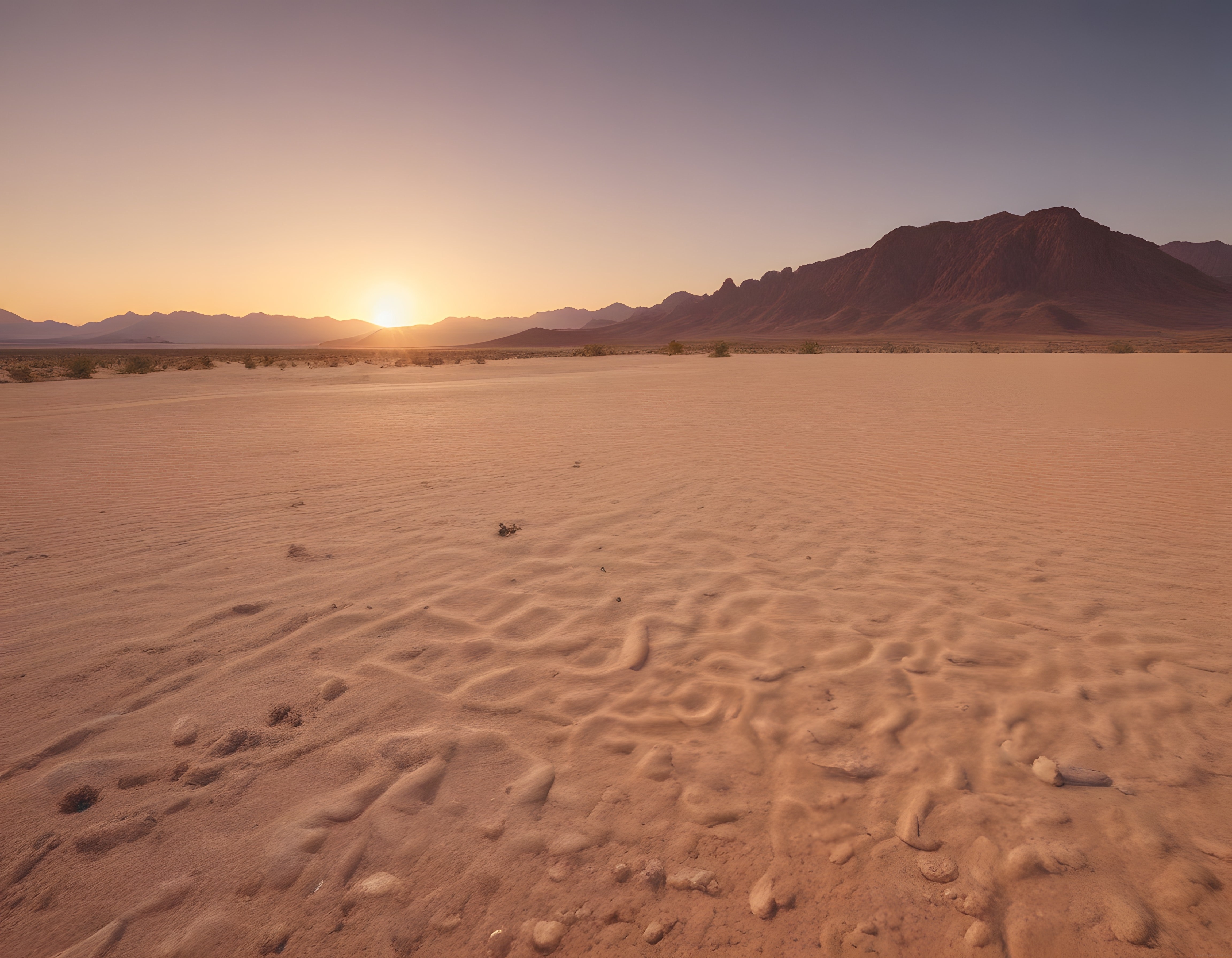
Güneş batmak üzere.
The sun is about to sink.
Göze batmaktan kaçın.
Avoid standing out.
Güneş batmak üzeredir.
The sun is about to set.
Güneş batmak üzeredir.
تواریخ خورشید جھاں.
Güneş batmak üzereydi.
The sun was about to set.
Yasadışı işlere batmak üzereydim.
I almost dipped into doing something illegal.
Batmakta olan yıldıza and olsun ki,
I CALL TO witness the star of the pleiades when it has dipped
Semriach girişinde Lur Nehri mağaraya batmaktadır.
At the Semriach entrance, the Lur River sinks into the cave.
Güneş batmak üzere ve ayağımın ağrısı beni öldürüyor.
The sun is going to go down, and my feet are killing me.
Sadece ikimiz kalmistik ve biz de batmak uzereydik ve bu cok iyiydi.
It was down to just the two of us, and we were about to go under. And that was great.
Aslında iki milyon dolar değerindeki... ...kamera teçhizatını suya batmaktan kurtardık.
We actually managed to drown two million dollars' worth of camera gear.
Bunun yanında zarara uğramış ve batmakta olan gemilerden kurtarılan 7075 kişi de vardır.
A further 7,075 people were rescued from damaged and sinking ships.
Birleşik Kelimeler