üzgün
/yzˈɟyn/
adj
A2 seviye
TR → EN
"üzgün" kelimesinin İngilizcesi: sad, at, low, downcast, joyless. Anlamı, çevirisi, telaffuzu ve örnek cümleler aşağıdadır.
Çeviri
Genelsadadj
Genelat
Genellow
Geneldowncast
Geneljoyless
Genellow-spirited
Genelmournful
Genelsad
Genelsorry
Geneluneasy
Genelvexed
Genelwretched
Genelheart
Genelsorry
Genelunhappy
Geneldepressed
Geneldepressed
Genelsorry
Genelunhappy
Geneldepressed
Genelsorry
Genelunhappy
Görsel



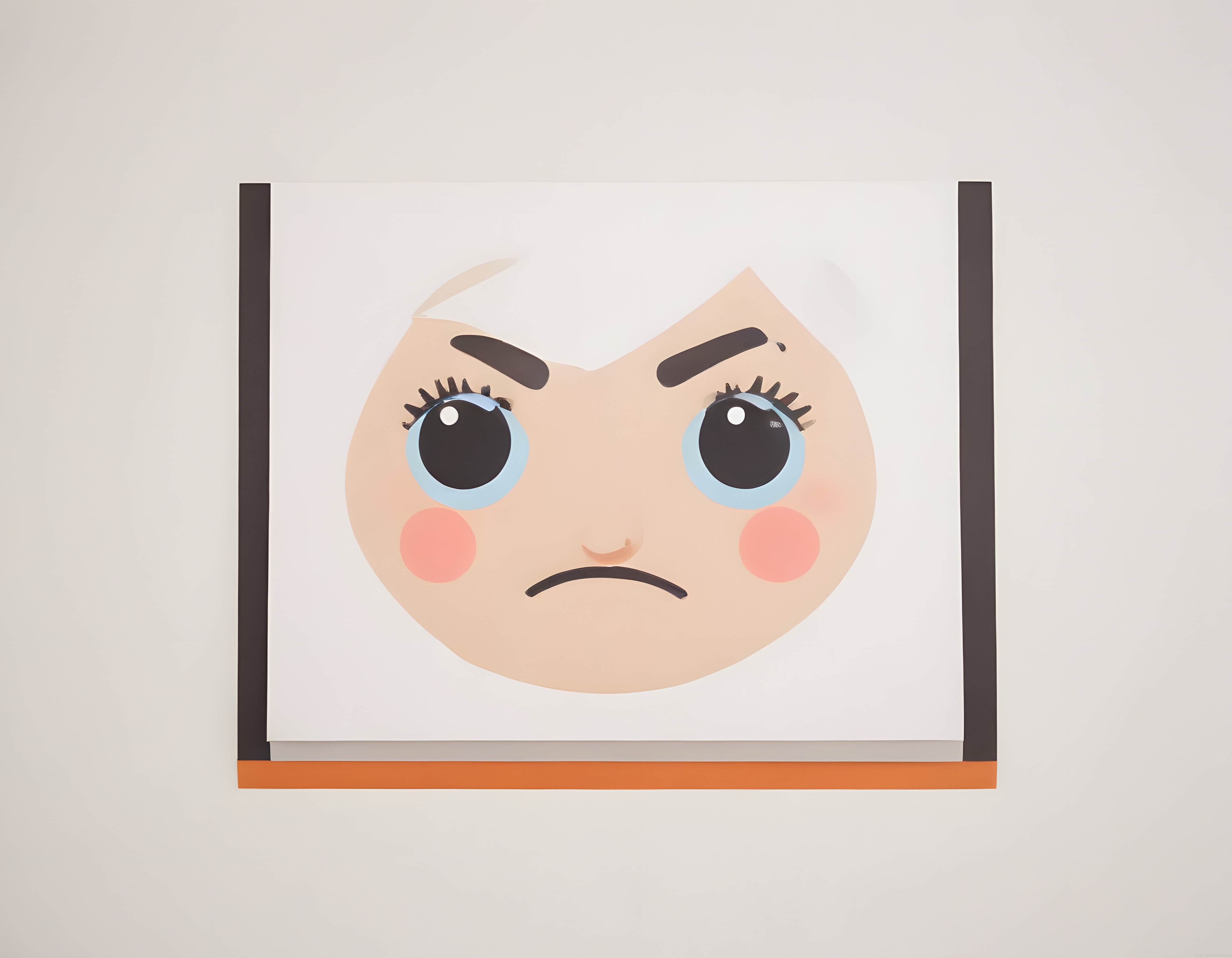
Çekim Tablosu
Çoğul (-ler)üzgünüz
Tanım
•sıfat: Üzülmüş, üzüntü duymuş; mahzun, melul, meyus
Diğer Dillerde
Almancaan, armselig, auf, bei, beklagenswert, bitte? /an/
on, upon, at, in, against · by, near, close to, next to · on; in; at
köken: From Middle High German an(e), from Old High German ana, from Proto-West Germanic *ana, from Proto-Germanic *ana.
Trauriger Mac — Üzgün Mac
Das Bild hängt an der Wand.
Wir treffen uns am (an dem) Dienstag.
Ich werde sie am (an dem) Abend sehen.
Fransızcatriste /tʁist/
Qui est affligé, qui éprouve du chagrin.
eş: abattu, accablé, chagrin, chagriné, déçu, désappointé
zıt: béat, bienheureux, comblé, content, enchanté, épanoui
köken: Inherited from Old French triste, borrowed from Latin trīstis. Old French originally had trist, inherited from Vulgar Latin trīstus, a variant of the same word.
aile: attrister, avoir l'alcool triste, triste sire, tristement, tristesse
Mac triste — Üzgün Mac
İspanyolcaad, ante, apenado, en, imperative disculpar / perdonar, lamentar /ˈante/
in front of, before · against, compared to
çekim: çoğul antes
eş: delante de
köken: Inherited from Latin ante.
aile: ante la duda, ante todo
Mac triste — Üzgün Mac
Tengo que comparecer ante el juez.
İtalyancacome?, cosa?, di, dispiaciuto, eh?, mi scusi /di/
used to indicate possession, after the thing owned and before the owner; of; ’s · from · by, of, ’s
köken: From Latin dē. Cognate with English to. For etymology 1, preposition sense 11, compare French delà, deçà and deci delà.
aile: d'accordo, d'andata, d'epoca, d'improvviso, d'oro, del caso, del cazzo, del cuore, del genere, del tutto
Sad Mac — Üzgün Mac
L’ira di Apollo
la coda del cane
Canto dello sciatore
Rusçaогорчённый, расстроенный
Грустный Macintosh — Üzgün Mac
Arapçaآسِف, آسِفَة, أَنَا آسِف, أَنَا آسِفَة, اِعْذِرْنِي, حَزِين
حزين الماك — Üzgün Mac
apology · forgiveness; pardoning
köken: From Middle Persian [script needed] (bōzišn, “salvation; apology”), itself a verbal noun of Middle Persian [script needed] (bwhtn', bwc- /bōxtan, bōz-/, “to save, to redeem”), ultimately from *bʰewg- (“to flee, to escape”).
aile: پوزش خواستن
Azericebağışlayın
Kazakçaкешіріңіз
excuse me
Özbekçekechirasiz
Tatarcaгафу итегез
Felemenkçebedroefd, droevig, treurig
Sad Mac — Üzgün Mac
Portekizcea lamentar, como?, desculpa, em, foi mal, lastimável (dişil) /desˈkuw.pɐ/
excuse, pretext (explanation designed to avoid or alleviate guilt or negative judgement) · apology (expression of remorse)
çekim: çoğul desculpas
eş: perdão, foi mal
köken: Deverbal from desculpar. Compare Catalan and Spanish disculpa.
aile: desculpas, desculpa esfarrapada
Sad Mac — Üzgün Mac
contraction of σε (se) + τα (ta), literally “to the”
köken: Ultimately from Ancient Greek εἰς (eis, “to, in”) + τά (tá, “the”).
Λυπημένος Mac — Üzgün Mac
Έδωσα το φαΐ στα σκυλιά.
Κολυμπούσε στα ρηχά νερά.
Φτάσαμε στα σύνορα.
Japonca... に, ...で, ...に, ...を, え?, かわいそう /ka̠β̞a̠iso̞ː/
pitiable; pitiful; poor; pathetic
eş: 哀れ
köken: かわいい (“(obsolete) pitiable”) + そう (“appears to be; looks like”) The kanji spellings are ateji (当(あ)て字(じ)) and often used in poetry.
Sad Mac — Üzgün Mac
too; To an excessive degree
çekim: çoğul förar · tamlayan förs
köken: Partly from Old Swedish for, Proto-Germanic *furai. Partly from Old Swedish fyrir, firi, fyre, from Old Norse fyrir, from Proto-Germanic *furi.
Ledsen Mac — Üzgün Mac
för tillfället
att ta för givet
Jag köpte det för 1000 kronor.
Lehçedaruj, przebacz, przepraszać, przepraszam, przepraszam?, przeprosić /pʂɛˈpra.ʂat͡ɕ/
to apologize to, to be sorry (to make an apology; to express regret) · to apologize to each other · to calm down; to forgive (to stop feeling resentment)
çekim: geçmiş przepraszano · şimdiki przeprasza
köken: Etymology tree Proto-Indo-European *per- Proto-Balto-Slavic *per Proto-Slavic *per- Proto-Indo-European *per-der.? Proto-Indo-European *per-der.? Proto-Indo-European *pér Proto-Indo-European *-o Proto-Indo-European *pró Proto-Indo-European *pro- Proto-Slavic *pro- Old Polish prze- Proto-Indo-European *preḱ- Proto-Indo-European *-yeti Proto-Indo-European *-éyeti Proto-Balto-Slavic *práśīˀtei…
aile: przepraszający
Smutny Mac — Üzgün Mac
Dziecko przeprasza matkę za błąd.
Przepraszam!
Ukraynacaбіля́, ви́бач, ви́бачте, дару́й, дару́йте, засму́чений
Засмучений Macintosh — Üzgün Mac
Hintçeपर, माफ़ कीजिए, में, से, सॉरी /pəɾ/
but, however
çekim: çoğul परों
eş: मगर, लेकिन, किन्तु
köken: Inherited from Prakrit परि (pari), an apheretic form of उप्परि (uppari), from Sanskrit उपरि (upari, “above”), from Proto-Indo-Aryan *upári, from Proto-Indo-Iranian *upári, from Proto-Indo-European *upér, from *upo. Cognate with Gujarati પર (par), Marathi वर (var), and distantly Latin super and Old English ofer (whence English over). Doublet of ऊपर (ūpar).
सड़क पर
मेज़ पर
घर पर
Case suffix of the adessive case.
köken: From Proto-Finnic *-lla, from earlier *-l-na, composed of an element *-l(l)- (external locative infix; see -lle) and the essive/locative suffix *-na. Compare Moksha -ла (-la) in фтала (ftala, “behind”).
aile: -llinen, -lloin
Surullinen Mac — Üzgün Mac
Çekçesmutný, litující, mrzutý
Smutný Mac — Üzgün Mac
Rumenceîmi pare rău, înspre, la, scuză, scuză-mă, scuzați /ɨmʲ ˌpare ˈrəw/
I'm sorry; sorry
köken: Literally, “it seems bad to me”.
Pușcașii marini sunt tot așa. — - Üzgünüm.
Îmi pare rău că câinele meu mare te-a speriat.
-ly. Added to an adjective to create an adverb.
Sad Mac — Üzgün Mac
szék (“chair”) + -en → széken (“on [a/the] chair”)
Az asztal mellett ültem egy széken.
A széken könyvek hevertek.
İbraniceאֵצֶל, מִצְטַעֵר
Mac עצוב — Üzgün Mac
at, by, near, among · at the house or residence of; chez · before, in the presence of, in the writings of, in view of
köken: Seems connected with ob and ad, thus its strict meaning would be “on to”, “unto”. De Vaan theorizes either a connection with apiō (“to tie”) or a derivation from *ad-pod, formed by the preverb ad (“to”) and the word for "foot", meaning something like "at the foot of" (cf. French chez). The latter option is found in other words such as oppidum.
Apud Helvētiōs longē nōbilissimus fuit et dītissimus Orgetorix.
In prīncipiō erat Verbum et Verbum erat apud Deum et Deus erat Verbum.
apud Lentulum ponam te in gratia.
sorry
Bedrøvet Mac — Üzgün Mac
Beklager, jeg har ikke tid lige nu.
Norveççeunnskyld
Etimoloji
Inherited from Ottoman Turkish اوزكون (üzgün). By surface analysis, üzmek + -gün.
Kelime Ailesi
Eş & Zıt Anlamlılar
Örnek Cümleler
O üzgün.
That's sad.
Üzgün Mac
Sad Mac
Tom üzgün.
Tom's sad.
- Üzgünüm.
I'm sorry.
- Üzgünüz.
- Sorry.
O üzgündür.
She is upset.
John üzgün.
John is sad.
Ve üzgünüm.
And I'm sorry.
O çok üzgün.
She is very sad.
Ben üzgünüm.
I'm sad.
Çok üzgünüm.
I'm terribly sorry.
Üzgün müsün?
Are you sad?