uyanık
/u.jaˈnɯk/
adj
B2 seviye
TR → EN
"uyanık" kelimesinin İngilizcesi: awake, wary, with, alert, alive. Anlamı, çevirisi, telaffuzu ve örnek cümleler aşağıdadır.
Çeviri
Genelawakeadj
Genelwary
Genelwith
Genelalert
Genelalive
Genelawake
Genelcanny
Genelcrisp
Genelenterpri(sin.)g
Genelguarded
Genelhep
Genelhip
Genelnimble
Genelprudent
Genelwakeful
Genelvigilant
Genelconscious
Genelawake
Genelconscious
Genelawake
Genelnot sleepingadj
Görsel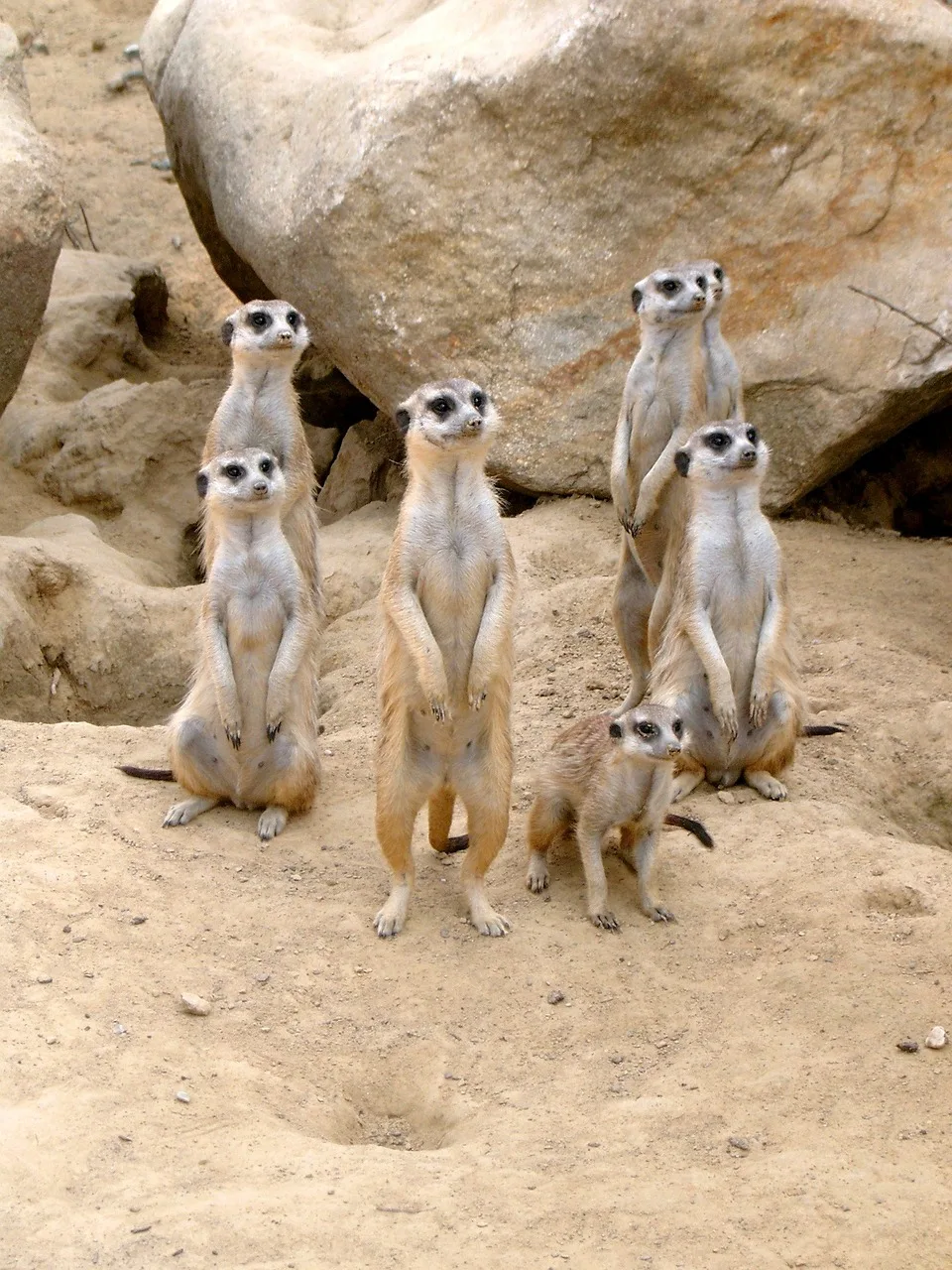


Çekim Tablosu
Çoğul (-ler)uyanığız
Tanım
•(mecaz) açıkgöz, kurnaz, cingöz
•(mecaz) bilgisizlikten kurtulmuş, bilgili
•(mecaz) yapacağı işi bilen, dikkatli ve tetikte olan, müteyakkız
•Denizli ili Sarayköy ilçesine bağlı bir köy.
•Diyarbakır ili Bismil ilçesine bağlı bir köy.
•Erzurum ili Hınıs ilçesine bağlı bir köy.
•Malatya ili Kale ilçesine bağlı bir köy.
•Muş ili Malazgirt ilçesine bağlı bir köy.
Atasözü & Deyim
“Korkulu rüya (düş) görmektense uyanık yatmak evladır (yeğdir)”
Diğer Dillerde
Almancawach /vax/
awake
çekim: karşılaştırma wacher · üstünlük am wachsten
eş: munter, auf, aufgeweckt, ausgeschlafen, geweckt, gewitzt
köken: From the noun Wache.
aile: hellwach, wachrütteln, wach machen, wach halten
Wer ist schon wach? — Kimler uyanık?
Fransızcaà l'aide de, au moyen de, avec, contre, de, en vie /a l‿ɛd də/
by means of (by using the thing specified), with
Pièges malins — Uyanık Tuzaklar
İspanyolcacon, por, viviente, vivo /kon/
with
eş: a pesar de
zıt: sin
köken: Inherited from Latin cum (“with”), from Proto-Italic *kom, from Proto-Indo-European *ḱóm (“next to, at, with, along”). Compare Portuguese com and Italian con.
aile: con el fin de, con el tiempo, con que, con tal de, con tal que, conque, para con
Trampas engañosas — Uyanık Tuzaklar
Yo cuento con ustedes.
animate · animated · lively
eş: vivo, vivificato, sensibile, vivace, energico, acceso
zıt: inanimato
köken: From animare.
aile: animatamente, disegno animato
Trappole ingannevoli — Uyanık Tuzaklar
Rusçaбдительный, неусыпный, бодрствующий /ˈbodrstvʊjʉɕːɪj/
present active imperfective participle of бо́дрствовать (bódrstvovatʹ)
Хитрые западни — Uyanık Tuzaklar
Arapçaبِـ, حَيّ, مَعَ
صعب الفخاخ — Uyanık Tuzaklar
obsolete form of با (bā /bâ, “with”)
köken: See the etymology of the corresponding lemma form.
living, animate · lively, spirited, brisk · live
çekim: karşılaştırma daha canlı · üstünlük ən canlı
köken: From can + -lı.
canlı uşaq
canlı yayım
Kazakçaбірге
together
Tatarcaбелән
belong, with, together · happy […] (expression of congratulations: may you have a happy […]) · from, to
köken: From Proto-Turkic *bīrle (“with; together, also”). Cognate with Bashkir менән (menən), Uyghur بىلەن (bilen), Turkish ile. The sense of "happy […] " is a semantic loan from Russian с (s).
Туган көнең белән!
чыгышы белән Чаллыдан
Felemenkçeuitgeslapen, wakker, waakzaam
past participle of uitslapen
Verraderlijke vallen — Uyanık Tuzaklar
Portekizcecom /kõ/
with; against · with; alongside; together with (in the company of) · with (as a part or accessory of)
zıt: a favor de, sem, contra
köken: Inherited from Old Galician-Portuguese con, from Latin cum (“with”). Compare Fala and Galician con and Spanish con.
aile: ca, co, comigo, conosco, consigo, contigo, convosco
Armadilhas Difíceis — Uyanık Tuzaklar
Lutamos com os nossos inimigos.
Tenho coisas mais importantes a discutir com você hoje à noite.
Lutamos com os nossos amigos.
Yunancaperiphrastically, ζωντανός, κατά, μαζί, με, υπέρ /zon.daˈnos/
alive, living · lively
çekim: karşılaştırma ζωντανότερος · üstünlük ζωντανότερος
köken: From stem ζωντ- (zōnt-) of the indeclinable medieval participle Byzantine Greek ζῶντα (zônta) from ancient participle ζῶν (zôn) of verb ζῶ (zô). With suffix -ανός (-anós) for adjectives.
Πονηρές παγίδες — Uyanık Tuzaklar
Japonca…で, ...と, ...とともに, …に賛成して, …を伴って, …を使って
巧妙なトラップ — Uyanık Tuzaklar
Korece-와, 살아있는 /wa̠/
Post-vowel allomorphic form of -과 (-gwa). (indicates that the preceding noun is used as a standard or basis for comparison) · Post-vowel allomorphic form of -과 (-gwa). (marks that an action is performed in the company of or alongside someone or something) · Post-vowel allomorphic form of -과 (-gwa). (denotes an opponent or target with which one is in competition or conflict)
köken: From Middle Korean -와〮 (Yale: -Gwá), allomorph of -과〮 (Yale: -kwá) following a vowel, produced by intervocalic lenition of /k/ to /ɣ/ from Old Korean 果 (*-kwa).
“사치로 분칠한 드라마”. — "Uyanık devretti".
이 사과는 저 사과와 비교하면 더 달다.
그는 친구와 영화를 보러 갔다.
그 팀은 상대와 경기를 펼쳤다.
through
çekim: çoğul genoms · tamlayan genoms
köken: From Old Norse gegnum (dative of gegn/gjegn).
Knepiga fällor — Uyanık Tuzaklar
Bollen gick rakt genom hålet
Kulan gick genom armen
Genom att gå genom skogen sparade vi en halvtimme
alive · right out of (very similar)
köken: Instrumental of żywiec.
Sprytne pułapki — Uyanık Tuzaklar
Hintçe... के साथ, क्रियाशील, ज़िंदा, जीता, जीवंत, जीवित /kɾɪ.jɑː.ʃiːl/
active, dynamic, operational
zıt: निष्क्रिय
köken: From क्रिया (kriyā, “action”) + शील (śīl, “inclined towards”).
Case suffix of the adessive case.
köken: From Proto-Finnic *-lla, from earlier *-l-na, composed of an element *-l(l)- (external locative infix; see -lle) and the essive/locative suffix *-na. Compare Moksha -ла (-la) in фтала (ftala, “behind”).
aile: -llinen, -lloin
Temppuilevat tikkaat — Uyanık Tuzaklar
on, onto (direction, + accusative case) · on (location, + locative case) · to (direction, + accusative case, used only with certain places (do + genitive is more common))
köken: Inherited from Old Czech na, from Proto-Slavic *na.
Postižený by měl zůstat v klidu. — Kalbi uyanık tutmak gerekir.
Dej skleničku na stůl.
Sklenička je na stole.
Jdeme na poštu.
by, next to · side by side
köken: Inherited from Vulgar Latin *ad lātera, variant of ad latus (“along”) (compare Italian allato, Dalmatian a lič), from Latin ad (“to, at”) + latus (“side”); compare Old French lez (“along”), Spanish al lado (“next to”).
aile: alătura, alăturaș, alături cu drumul, de alături
Trebuie să rămânem treji. — Uyanık kalmamız gerek.
Added to a noun to form an adjective meaning "having something, a quality"; sometimes referred to as ornative. · Added to a noun to form an occupation or a collective noun. · Added to an ordinal number to form a digit or figure, cf. the relevant template.
Becsapós csapdák — Uyanık Tuzaklar
haj (“hair”) + -as → hajas (“covered with hair”)
fazék (“pot”) + -as → fazekas (“potter”)
három (“three”) + -as → hármas (“the digit or figure 3”)
to oppose
çekim: geçmiş נָגַדְתָּ
aile: הַתְקָפַת נֶגֶד
תארו לעצמכם לחוות סיוט בעודכם ערים. — Uyanıkken kabus görmek gibi düşünün.
against · opposite to · contrary to
köken: From Proto-Italic *komterād, ablative singular feminine of *komteros (“the other of the two who meet, opposite”). The ablative singular masculine/neuter of the same is continued in Latin contrō-, cognate to Oscan contrud. Ultimately from *kom- + *-teros; thus, a doublet of cum, comparable to the relation between intrā and in, and extrā and ex, but unlike these lacking external cognates, and…
aile: contrārius
Norveççei live, levende
Hokkaido er modig, selvsikker og svært årvåken hund. — Shih-Tzu uyanık ve cesur bir köpektir.
Endonezcebersama, dengan, dgn, hidup, menggunakan /bərˈsama/
with, together with
çekim: karşılaştırma lebih bersama · üstünlük paling bersama
köken: From Malay bersama. Equivalent to ber- + sama.
Rahasianya tentang hal itu tetap terjaga. — Kalbi uyanık tutmak gerekir.
Persetujuan bersama.
flat · being a ngang or huyền tone · carrying a bằng tone
zıt: trắc
köken: Sino-Vietnamese word from 平 (“level; even”); originally the Northern reading. Its distribution likely already extended beyond Northern Vietnam by the time Vietnamese started to be written down in the Latin script. See also bình, the current chief form used in compounds and the main form in placenames in Southern Vietnam. The expected reading of the Northern form would be *bềnh, which is…
aile: bằng đẳng, bằng lòng, bằng mặt không bằng lòng, bằng yên, Cao Bằng, cân bằng, công bằng, đồng bằng, thăng bằng
Bạn thức trắng cả đêm. — Bütün gece uyanık kalırsınız.
một cộng một bằng hai
góc A và góc B bằng nhau
góc A bằng góc B
Etimoloji
From Ottoman Turkish اویانق (uyanıḳ, “awake, vigilant, wary, sharp, smart”), from Ottoman Turkish اویانمق (uyanmaḳ, “to awake”), from Proto-Turkic *odun- (“to awake”), morphologically uyan- + -ık.
Deyimler
Eş & Zıt Anlamlılar
Örnek Cümleleruyanık ile daha fazla örnek cümle →
O uyanık.
He is awake.
Uyanık ol.
Get with it.
Tom uyanık.
Tom's awake.
Uyanık kal.
Stay awake.
Uyanık olun.
Be vigilant.
Bebek uyanık.
The baby's awake.
Uyanık kalın.
Remain on the lookout.
Uyanık mısın?
Are you awake?
Uyanık görün.
Look alert.
Tom uyanıktı.
Tom was alerted.
Tom uyanık mı?
Is Tom awake?
Hâlâ uyanıktı.
He was still awake.