sevimli
adj
B1 seviye
TR → EN
"sevimli" kelimesinin İngilizcesi: lovely, cute, comely, cute, dainty. Anlamı, çevirisi, telaffuzu ve örnek cümleler aşağıdadır.
Çeviri
Genellovelyadj
Genelcuteadj
Genelcomely
Genelcute
Geneldainty
Geneldarling
Genelfacile
Genelfey
Genellovable
Genellovely
Genelpleasing
Genelpretty
Genelsweet
Geneltaking
Genelwinning
Genelwinsome
Genelamiable
Genelcharmins
Genelpleasant
Geneldear
Geneldear
Genelpleasant
Görsel

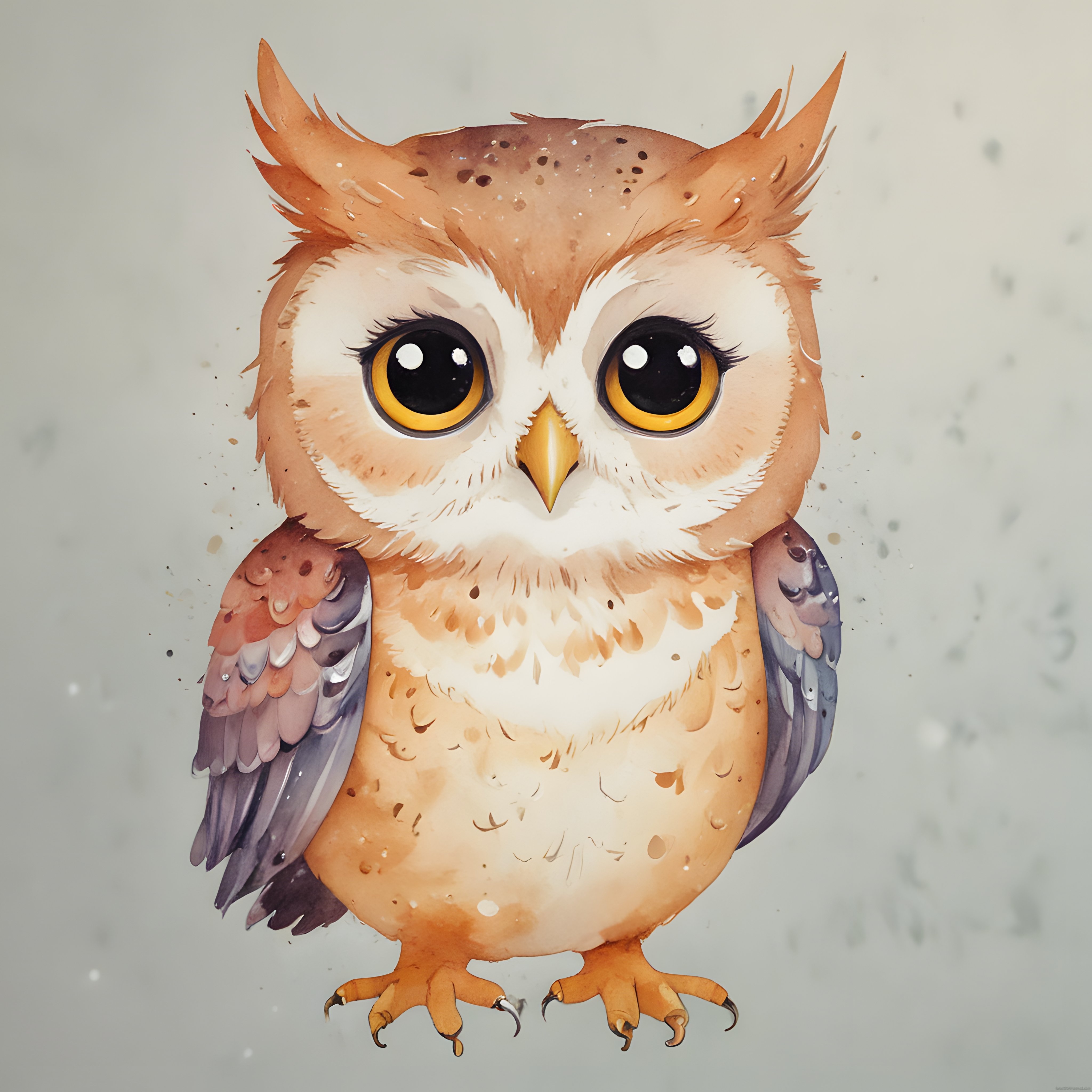
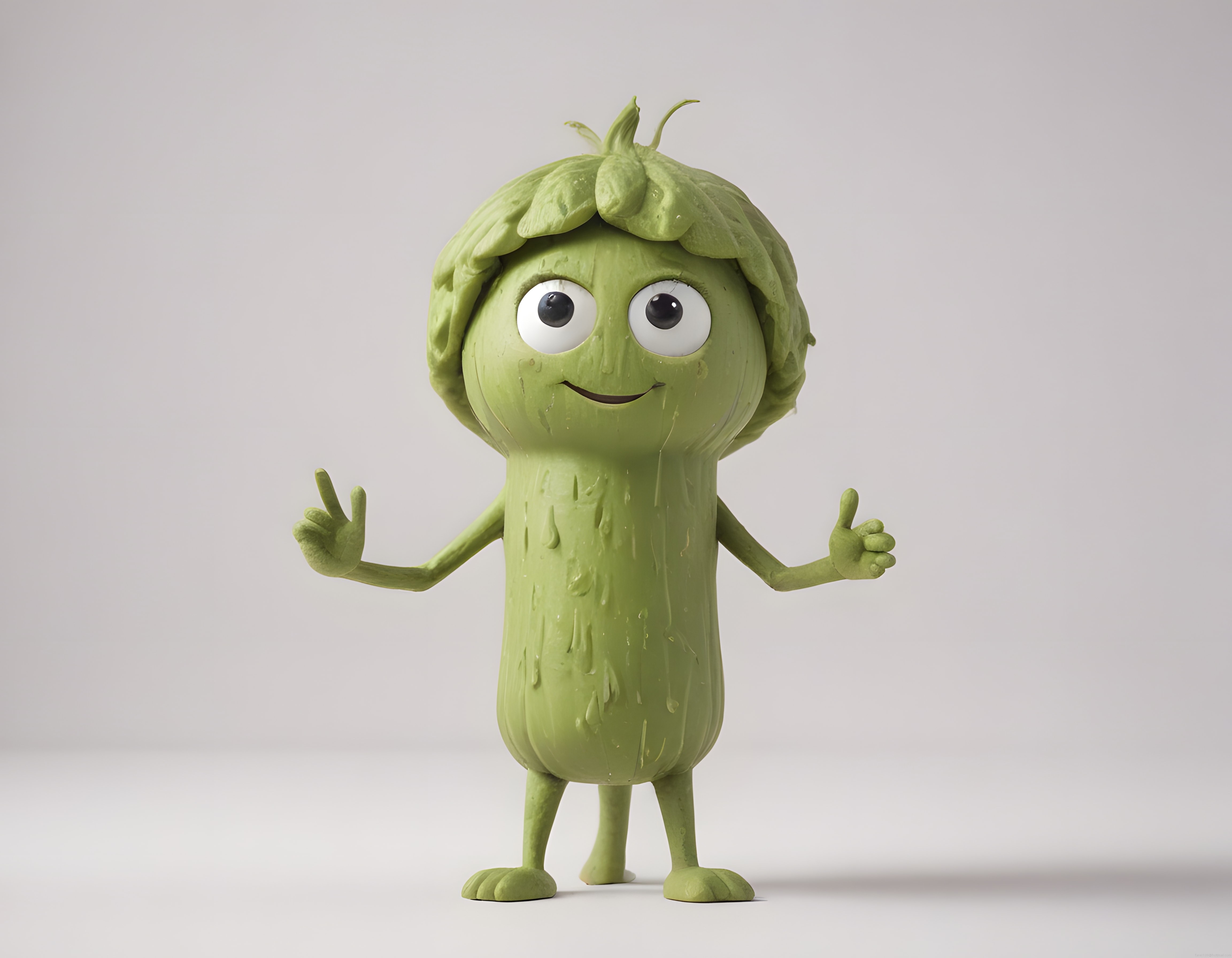
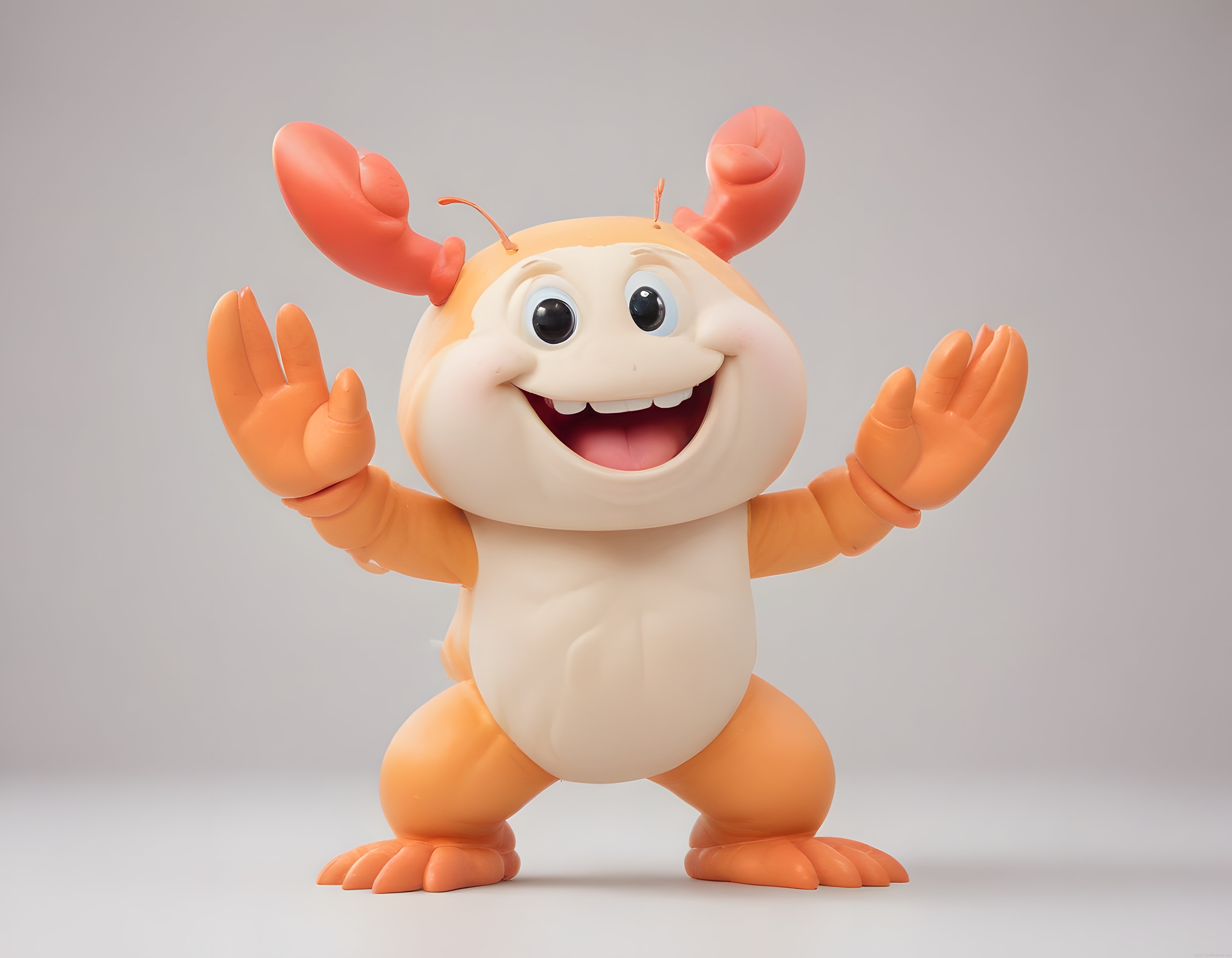
Çekim Tablosu
Çoğul (-ler)sevimliler
Tanım
•sıfat: Hoşa gitme özelliği olan, hoşa giden; şirin
Diğer Dillerde
Almancahübsch, niedlich /hʏpʃ/
pretty, handsome · lovely, nice; great
çekim: karşılaştırma hübscher · üstünlük am hübschesten
eş: niedlich, reizend, fein, ansehnlich, beträchtlich, gehörig
köken: From Middle High German hübesch (“courtly”), from the root of modern Hof (“court”). Cognate with Yiddish היפּש (hipsh). The term was probably borrowed into written Middle High German from Middle Dutch hovesch via West Central German, in which process the Central German -v- was hypercorrectly replaced with -b-. The somewhat younger Middle High German hövesch, in line with hof (“court”), led to…
aile: aufhübschen, Hübschheit
Ich hoffe ein Hund. — Çok sevimli.
Das wäre doch hübsch, wenn…
Es iſt gar huͤbſch von einem großen Herrn / So menſchlich mit dem Teufel ſelbſt zu ſprechen.
enough · quite · rather
eş: à peu près, à satiété, beaucoup, pas mal, passablement, plutôt
köken: Inherited from Middle French assez, from Old French asez, from Late Latin ad satis, from Latin ad + satis. Cognate with Franco-Provençal asséds, Occitan assatz, Italian assai, Portuguese assaz, and Spanish asaz. Doublet of assai.
aile: en avoir assez, en avoir plus qu'assez
Il a de la gentillesse en lui. — Çok sevimli.
Il est incontestable que je suis assez bouché de croire ça.
T'as mis la barre assez haut.
enough; sufficient · quite some; quite a bit (of) · abundant
eş: suficiente, demasiado
köken: From bastar (“to suffice, be enough”) + -ante.
aile: bastantemente
Es adorable. — O sevimli.
Necesitas beber bastante agua.
Toma bastante tiempo.
İtalyancaabbastanza, carino, grazioso, piuttosto, tutto sommato /ab.basˈtan.t͡sa/
enough, sufficiently · quite, fairly
eş: alquanto, assai, a sufficienza, bastantemente, piuttosto, sufficientemente
köken: Univerbation of a + bastanza (“sufficience”), from the verb bastare (“to suffice”). Cognate with Spanish bastante.
C'è della tenerezza in lui. — Çok sevimli.
fortuna abbastanza buona
Rusçaмилый, симпатичный, приятный
В нем тоже есть что-то милое. — Çok sevimli.
Arapçaجَمِيل, لَطِيف
لديه جانب لطيف. — Çok sevimli.
beautiful, handsome, good-looking
çekim: karşılaştırma خوشگلتَر · üstünlük خوشگلتَرین
zıt: بدترکیب, بدرنگ, بدریخت, بدقیافه, بدگل, بیریخت
köken: From خوش (xoš) + گل (gel), compare Old Armenian գեղ (geł), from Proto-Indo-European *wel- (“to see”).
aile: خوشگلی
زنم خیلی خوشگل بود
این گل خوشگل را خریدم.
Azericegöyçək
pretty, beautiful, handsome
köken: From Ajem-Turkic گوگچک (gögçäk). Compare Turkish Gökçek, gökçek.
Felemenkçeaardig, mooi, nogal, tamelijk /ˈaːr.dəx/
friendly, nice · nice · considerable, substantial
çekim: karşılaştırma aardiger · üstünlük aardigst
eş: beminnelijk, sympathiek, vriendelijk
zıt: onaardig, gemeen
köken: From Middle Dutch aerdich. Equivalent to aard (“nature, essence”) + -ig.
aile: aardigheid, alleraardigst, onaardig
Het is schattig. — Bu sevimli.
Ze was ontzettend aardig tegen me.
Dat is een aardig horloge.
Dat is een aardig bedrag.
Portekizcebelo, bem, bonitinho, meio /ˈbɛ.lu/
beautiful; attractive (having beauty)
çekim: karşılaştırma mais belo · üstünlük o mais belo
eş: brasa, bomba, gostoso, avião, gato, bonito
köken: From Old Galician-Portuguese bel, from Latin bellus, from Proto-Indo-European *dw-ene-, adverbial form of *deu- (“to do, perform, revere, show favor”).
Levanta sua bunda! — Çok sevimlisin.
Sabes quem são os meus mestres do bom e do bello?
Yunancaόμορφος, χαριτωμένος /ˈo.moɾ.fos/
beautiful, pretty, handsome (especially of objects, pictures etc)
çekim: karşılaştırma ομορφότερος · üstünlük ομορφότερος
köken: Inherited from Byzantine Greek ὄμορφος (ómorphos) < ἔμορφος (émorphos), from the Ancient Greek εὔμορφος (eúmorphos), from εὖ (eû) + μορφή (morphḗ). Typological comparisons: * First element (εὖ (eû)): сompare Latin bellus < duonus. * Second element (μορφή (morphḗ)): сompare Latin fōrmōsus, fōrmō (< fōrma). See bellus, fōrmōsus for more.
aile: ομορφιά
Έχει και χαριτωμένη πλευρά. — Çok sevimli.
beautiful
eş: 훌륭하다
köken: First attested in the Seokbo sangjeol (釋譜詳節 / 석보상절), 1447, as Middle Korean 아ᄅᆞᆷ〮답다〮 (Yale: àlóm-tàptá), perhaps from 아ᄅᆞᆷ〮 (Yale: àlóm, “privateness; non-publicness”) + 답다〮 (Yale: tàptá, “to be as”, adjective-deriving suffix). The phonological match is exact, but the semantics are problematic. Other Middle Korean-based etymologies have been proposed but are unlikely due to Middle Korean pitch…
야! 에이~ 귀엽긴 — Aman sevimli şey.
이 꽃들은 아름다운 여인들을 위해서 준비했어요.
아름다운 세상
nice to look at or listen to or the like, nice, pretty · nice, good · to be (something that would be) nice
çekim: karşılaştırma finare · üstünlük finast
zıt: ful, tjock, grov
köken: Since at least the 16th century, from French fin.
aile: fin i kanten, fin som snus, fin-, finfin, finslipa, hårfin
Jag hoppas att det är en valp. — Çok sevimli.
en fin färg
en fin fågel
ett fint hus
quite, pretty (completely) · completely, entirely, wholly
eş: zupełnie, maksymalnie, całkowicie, kompletnie, totalnie, wniwecz
köken: Etymology tree Polish całki Polish całkiem Old instrumental singular of całki. Compare chyłkiem and dialectal gołkiem.
Ma coś słodkiego w sobie — Çok sevimli.
Ukraynacaгарненький, га́рний, миленький /ɦɐrˈnɛnʲkei̯/
endearing diminutive of га́рний (hárnyj, “nice; pretty, handsome”)
köken: From га́рний (hárnyj) + -е́нький (-énʹkyj).
Чудові візерунки — Sevimli Desenler
beautiful
köken: Borrowed from Classical Persian خوبصورت (xūb-sūrat, “beautiful”), compound of خوب (xūb) + صورت (sūrat). By surface analysis, ख़ूब (xūb) + सूरत (sūrat). Compare Bengali খুবসুরত (khubśurot).
यहाँ से 360 डिग्री का ख़ूबसूरत प्राकृतिक व्यू भी दिखाई देता है।
Finceaika, aikamoinen, hurmaava, ihan, kiva, melko /ˈɑi̯kɑ/
time (inevitable progression into the future with the passing of present and past events) · time, period (temporal distance or duration) · time (moment or period in time), moment
çekim: çoğul ajat · tamlayan ajan
köken: From Proto-Finnic *aika, possibly borrowed from Proto-Germanic (see the Proto-Finnic entry for more).
aile: aiempi, aikainen, aikava, aikuinen, ajallinen, ajaton, aika ajoin, aikaisin, aikasten, aikoinaan
Toivon että se on koiranpentu. — Çok sevimli.
aika matelee
Aikaa voidaan mitata kellolla.
Se vaatii pitkän ajan.
Çekçehezký /ˈɦɛskiː/
nice, pretty
çekim: karşılaştırma hezčí · üstünlük nejhezčí
eş: krásný, pěkný, ladný, spanilý, pohledný, pořádný
köken: Inherited from Proto-Slavic *gъd + *-jь + *-kъ. Among the Slavic languages, present only in Czech. However, from the same root and with close meaning is Russian приго́жий (prigóžij).
DOufám, že štěňátko. — Çok sevimli.
approximately, a little · rather
köken: Inherited from Latin quam, or more likely from camai, from Latin quam magis.
E ceva dragut la el. — Çok sevimli.
Lacul ăsta e cam murdar.
Macarcacsinos /ˈt͡ʃinoʃ/
pretty, neat, comely, good-looking (pleasing or attractive to the eye) · considerable, generous, tidy
çekim: karşılaştırma csinosabb · üstünlük legcsinosabb
köken: From csín (“neatness, elegance”) + -os (adjective-forming suffix). Compare Polish ładny.
aile: csinosacska, csinosbít, csinosít, csinoska, csinosodik, csinosság, csinosul
Szép — O çok sevimli.
A cselszövés csinos kis hasznot hozott.
İbraniceיָפֶה, יָפָה
את חמודה — Çok sevimlisin...
Latincepulcher, scitulus /ˈpʊɫ.kʰɛr/
beautiful, fair, pretty · noble, honorable, excellent
çekim: karşılaştırma pulchrior · üstünlük pulcherrimus
köken: Uncertain. The earlier form polcer is traditionally derived from Proto-Italic *porkros, from Proto-Indo-European *pr̥ḱ-ró-s or Proto-Indo-European *perḱ-ro-, from the root *perḱ- (“motley, variegated”), with dissimilation of the first *-r- into *-l-. De Vaan has questioned this change, thinking that the second *r should have disappeared instead, and thus leaves this term without an etymology.…
aile: pulchellus, pulchrālia, pulchrē, pulchritās, pulchritūdō
Norveççepen, vakker
Han var en av få til å kjøre med briller. — Büyük sevimli biridir gözlük takmıştır.
Endonezcecantik /ˈt͡ʃantik/
pretty, beautiful
çekim: karşılaştırma lebih cantik · üstünlük paling cantik
köken: Inherited from Malay cantik.
aile: bercantik-cantik, cantik-cantikan, kecantikan, mempercantik, mencantikkan, pemercantik, pencantik, secantik, tercantik, cantik blasteran
Dia memiliki sedikit kelucuan dalam dirinya. — Çok sevimli.
Vietnamcakhá, xinh, xinh xắn /xaː˧˦/
fairly/decently competent; fine; OK · "decent", below xuất sắc (“excellent”) and giỏi (“good”), above trung bình (“average”), yếu (“poor”) and kém (“terrible”)
köken: Non-Sino-Vietnamese reading of Chinese 可 (“can; able; suitable; good”, SV: khả).
aile: khá giả, khá khẩm, khá khen, khấm khá
Nó cũng có nét dễ thương. — Çok sevimli.
tốt nghiệp loại khá
Bulgarcaбезпокойство, вземане, доста, значителен, красив, привлекателен (nötr) /bɛspoˈkɔjstvo/
anxiety, uneasiness, unrest, discomposure, disquiet, disquietedness, disquietude · trouble, fuss, cumbrance
çekim: çoğul безпоко́йства
eş: грижа, тревога
köken: без- (bez-) + покой (pokoj) + -ство (-stvo)
Сладък е. — - Sevimliymiş.
Slovencelep /léːp/
beautiful; handsome · nice
çekim: karşılaştırma lẹ̑pši · üstünlük nȁjlẹ̑pši
zıt: gȓd
köken: From Proto-Slavic *lěpъ. First attested in the 16th century.
Boing, Boing, Boeun. — Çok sevimlisin.
Njegova hči je mlada in zelo lepa ženska.
Etimoloji
From sevim + -li.
Eş & Zıt Anlamlılar
Zıt anlamlılar
Örnek Cümleler
O sevimli.
That's adorable.
Ne sevimli!
How pretty!
Bu sevimli.
This is cute.
Bu sevimli.
It's cute.
Tom sevimli.
Tom is likable.
Çok sevimli.
It's so cute.
Çok sevimli.
He has some cuteness to him.
O sevimlidir.
He is nice.
Mary sevimli.
Mary is lovely.
O çok sevimli.
He's so cute.
Onlar sevimli.
They're adorable.
Sevimli köpek.
Lovely dog.
İlgili Sorular
Sizce ben sevimli miyim?
Sevimli olmak, başarının anahtarı olabilir mi?
Bow Wow neden bu kadar sevimli?
Beni sevimli bulduğumu düşündükleri söyleniyor ama ben kendimi sevimli hissetmiyorum; bu durum neyi ifade ediyor?
İnsanlar benim kendimi sevimli sandığımı söylüyor ama ben kendimi sevimli bulmuyorum; bu ne anlama geliyor?