Sözlük
/iniş
iniş
/iˈniʃ/
noun
B2 seviye
TR → EN
"iniş" kelimesinin İngilizcesi: catabasis, decline, declivity, descent, down. Anlamı, çevirisi, telaffuzu ve örnek cümleler aşağıdadır.
Çeviri
Genelcatabasis
Geneldecline
Geneldeclivity
Geneldescent
Geneldown
Genelfall
Görsel
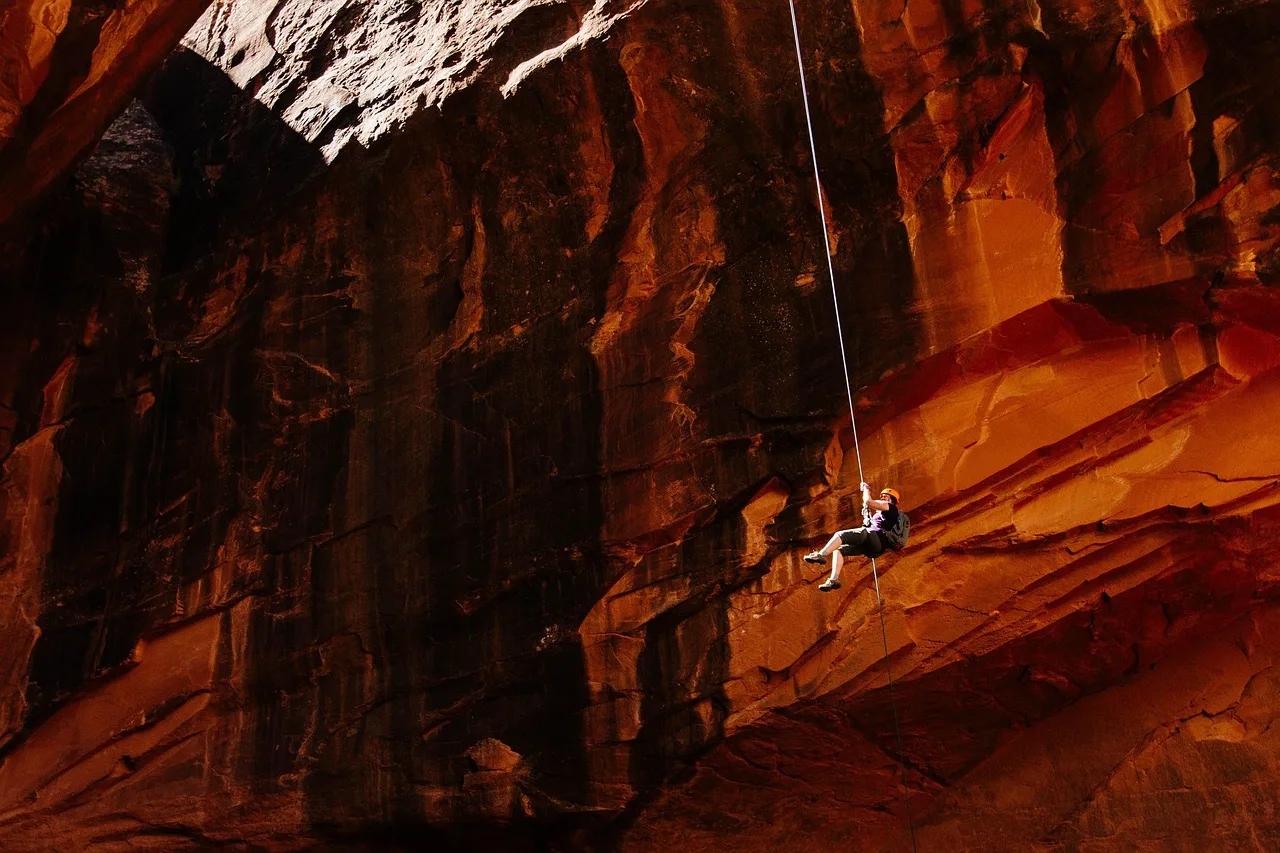
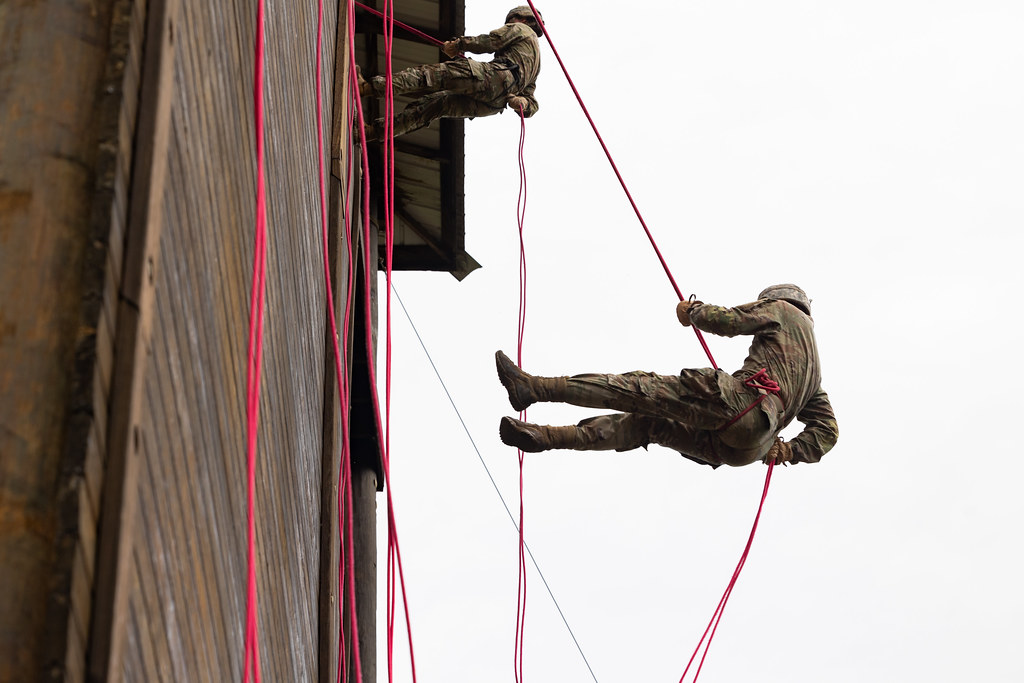
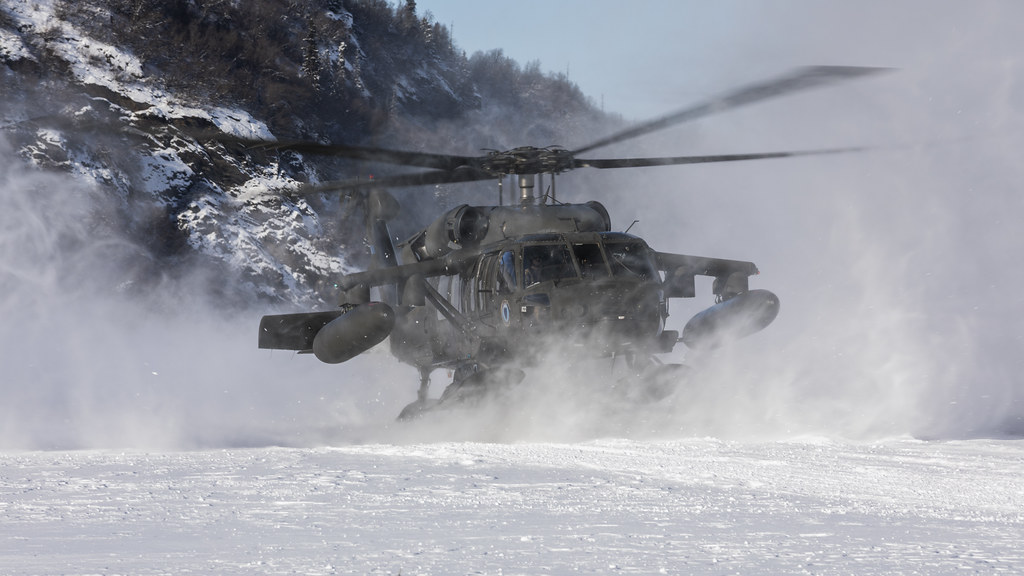
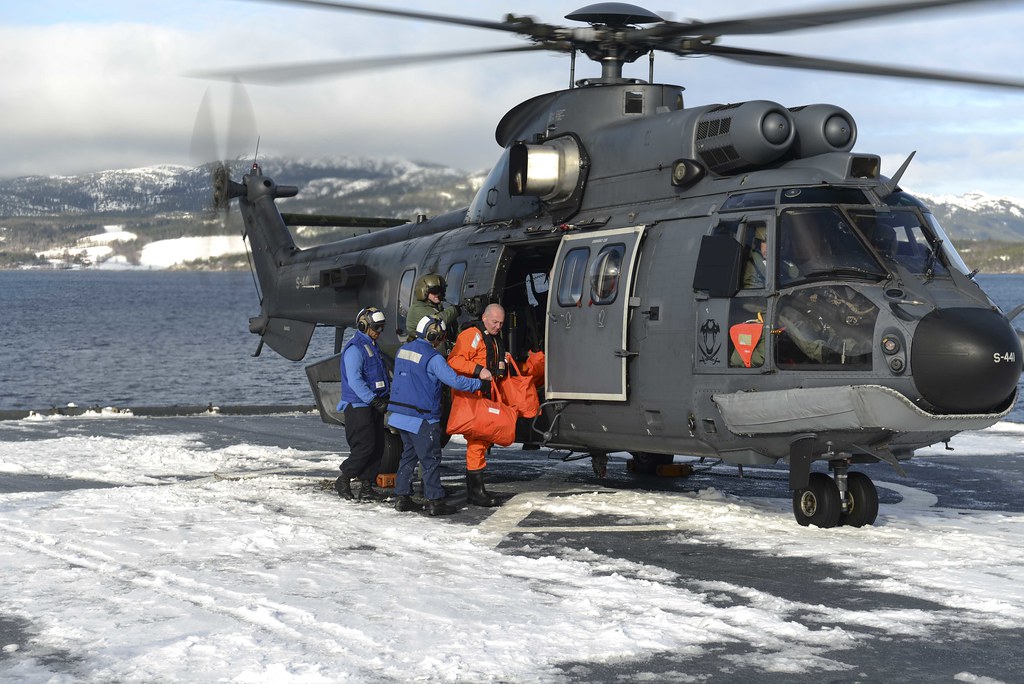
Çekim Tablosu
Belirtme (-i)inişi
Yönelme (-e)inişe
Bulunma (-de)inişte
Çıkma (-den)inişten
Tamlayan (-in)inişin
Çoğul (-ler)inişler
Tanım
•Araçlı jimnastikte, atlayarak veya hızlanarak araçtan ayrılma durumu
•Gerileyiş, çöküş
•İnmek işi veya biçimi
•Yukarıdan aşağıya gittikçe alçalan eğimli yer, yokuş karşıtı
•Devletlerin veya uygarlıkların son bulması, mahvolması, inhitat
•İnme işi veya biçimi
•Yukarıdan aşağıya gittikçe alçalan eğimli yer
Atasözü & Deyim
“Her yokuşun bir inişi, her inişin bir yokuşu vardır”
Diğer Dillerde
Almancaabstieg, landung, wiederkunft (eril) /ˈapˌʃtiːk/
dismounting, the act of getting off something · descent, going downwards (e.g. from a hill) · relegation, sinking to a lower league
çekim: çoğul Abstiege · tamlayan Abstiegs
eş: Niedergang
zıt: Aufstieg
köken: Verbal noun of absteigen, derived from the past-tense grade stieg ab. Possibly attested as Middle High German abestic, if this has a short vowel (rather than more probable abestīc); compare also abesteic. Analysable as ab + Stieg.
Steilster Abstieg — En dik iniş
down with, away with
eş: à mort, au poteau, mort à
zıt: vive
köken: Compare with Spanish abajo, also used in sense “down with”.
Steepest Descent — En dik iniş
À bas le tyran !
İspanyolcaabajo, abajo!, caer, caerse, caída, colapsar /aˈbaxo/
down, downwards · downstairs · below
eş: parte inferior, debajo
zıt: arriba, encima
köken: From a (“to”) + bajo (“down”). Cognate to French à bas, which is also used in sense “down with”. Compare English abase.
aile: abajeño, abajo de, aguas abajo, boca abajo, cabeza abajo, cuesta abajo, de abajo, de alto abajo, echar abajo, hacia abajo
Descenso de gradiente — En dik iniş
Abajo están la cocina y el salón.
down
köken: Univerbation of a + basso.
Massima pendenza — En dik iniş
Abbasso il re!
Rusçaпосадка, приземление, спуск, склон, скат
Кратчайший спуск — En dik iniş
Arapçaإِلَى, تَحْت, تَحْتَ, تَسَاقَطَ, حَتَى, زَغَب
صعب الهبوط — Sert İnişler
to fall · to happen, to occur · to fall ill
çekim: geçmiş افتاد · ortaç افتاده · şimdiki میافتد · ulaç افتنده
köken: From Middle Persian [script needed] (’wpt- /ōft-/, “fall”), from Proto-Iranian *ava- (“away, down”) + *pat- (“to fly, rise; to fall”), the former from Proto-Indo-Iranian *Háwa (“away, down”), the latter from Proto-Indo-European *peth₂- (“to spread out; to spread one's wings, fly”).
aile: اتفاق افتادن, افت, افت کردن, افتاده, افتادگی, برافتادن, جا افتادن, درافتادن
زن برو افتاد و بوسید آن لبش بر جهانیدش ز خواب اندر شبش
خاصه که در چشم افتد خس ز باد چشم افتد در نم و بند و گشاد
اتفاق افتادن
down, downwards, downstairs · lower, below, lower down · less than, shorter than
çekim: karşılaştırma daha aşağı · üstünlük ən aşağı
köken: From aşağa, the dative form of *aşaq, as in Karakhanid اَشَقْ (aşaq, “bottom of a mountain”), ultimately from the same etymon as aşmaq: Proto-Turkic *āš- (“to cross (a mountain), to surpass”) + -aq. etymology notes Possibly formed as an adjective from aşağa (“downwards”) with the sense "lower, the lower one; low" analogically to yuxarı (“upwards; upper; high”) and later reinterpreted as…
Düş aşağı oradan!
Özbekçetushmoq
to fall
çekim: geçmiş tushib · ortaç tushgan · şimdiki tushadi · ulaç tushayotgan
köken: From Proto-Turkic *tüĺ- (“to fall, move down”).
Tatarcaегылырга
off, from (implying motion)
çekim: karşılaştırma meer af · üstünlük meest af
köken: From Middle Dutch af, from Old Dutch af, from Proto-West Germanic *ab, from Proto-Germanic *ab.
aile: af en aan, af en toe, afbakenen, afbakken, afbijten, afbreken, afbraak, afbreuk, afbrokkelen, afduwen
Steilste afdaling — En dik iniş
Stomdronken reed de automobilist de weg af.
Portekizceabaixo, através de, baixo, borocoxô, buço, cair /aˈbaj.ʃu/
down, downwards (towards a lower place)
zıt: acima, para cima
köken: From a (“at”) + baixo (“low”).
aile: abaixo de, abaixo-assinado
Descida Inclinada — En dik iniş
down · below, beneath
eş: χάμω
zıt: άνω
köken: From Ancient Greek κάτω (kátō). Compare Mariupol Greek ка́ту (kátu).
Μέγιστη κλίση — En dik iniş
going down, fall, decrease · being down with a disease, being unable to work due to sickness · being knocked down in boxing
çekim: geçmiş ダウンした
köken: From English down.
aile: イメージダウン, スピードダウン
最急降下法 — En dik iniş
Çince下降, 墮落 /堕落, 成為 /成为 /ɕi̯ä⁵¹⁻⁵³ t͡ɕi̯ɑŋ⁵¹/
to drop; to fall; to descend · to depress · to decline; to go down; to decrease
eş: 暴跌, 低落
zıt: 高漲, 高涨, 上升
没有一架飞机被击落。 — Hiçbir uçağın inişine izin verilmedi.
to fall
çekim: geçmiş 낙하했다
köken: 낙하(落下) (nakha) + -하다 (-hada, “to do”, light verb deriving active verbs).
부인 깃발천가 방문에 나왔어. — Mrs. Bunting iniş çıktı.
to become · to turn into (with an optional preposition till) · to remain, to stay
çekim: geçmiş blev · ortaç bliven · ulaç blivande
eş: bliva, förbli, varda
köken: Apocopic form of bliva, from Old Swedish bliva, from Middle Low German blîven (“to remain”), from Old Saxon bilīvan, from Proto-West Germanic *bilīban, from Proto-Germanic *bilībaną. Displaced Swedish varda completely in the present tense, and partly in the past tense.
aile: bli av, bli av med, bli till, bli åka av
Brantaste nedstigning — En dik iniş
En gång reeste han emillan Stockolm ok Upsala mäd Nordfelldt som sedan bleef Præsident i Göteborg.
Jag blev glad när jag fick klappa kaninen
Vi stannade tills det blev mörkt
down, downstairs (to a lower floor or storey)
zıt: na górę
köken: Literally, “to [the] bottom”.
Największy spadek — En dik iniş
Idę na dół.
Ukraynacaвертика́льно, ви́мкнено, впа́сти, впере́д, впуска́ти, впусти́ти
Найстрімкіший спуск — En dik iniş
to fall, to tumble · to decrease
çekim: geçmiş गिरता · şimdiki गिरता है
köken: Hindi verb set गिरना (girnā) गिराना (girānā) गिरवाना (girvānā) Inherited from Old Hindi गिरना (giranā), from Prakrit *𑀕𑀺𑀭𑀇 (*giraï), ultimately from Proto-Indo-European *gʷelH- (“drip”). Related to गलना (galnā, “to melt, ooze”) and डिगना (ḍignā, “to falter”).
aile: गिरावट, गिर-पड़कर, गिरते-पड़ते
Fincealakuloinen, alas, alasmeno, alaspäin, alempana, alhaalla /ˈɑlɑˌkuloi̯nen/
blue, melancholic · in low spirits, dejected, down, downcast
çekim: karşılaştırma alakuloisempi · üstünlük alakuloisin
köken: ala- + kulo + -inen. The middle component is of unknown origin. It is possibly from kulo (“dry, dead grass”) in reference to such grass being flattened down, thus "beat down".
aile: alakulo, alakuloisesti, alakuloisuus
Kova laskeutuminen — Sert İnişler
down, fluff · thistledown
köken: Inherited from Old Czech chmýřie, from earlier mcheřec (“fluff, dust flake”), from Proto-Slavic *mъxъ (“moss”). By surface analysis, chmýr + -í.
Právě jsme ztratili převahu. — İnisiyatifi kaybettik.
Rumencecădea, cădere, căzut, deprimat, în jos, jos /kəˈde̯a/
to fall
çekim: geçmiş căzut · ortaç căzut · şimdiki cade
köken: Inherited from Late Latin cadēre, from Latin cadĕre.
aile: cădenie, cădere, cădință, căzător, căzătură, căzut
Priviţi-l coborând. — İnişini seyredin.
Am căzut și nu pot să mă ridic!
alternative form of boholy
çekim: çoğul bolyhok
köken: Of unknown origin.
Feneketlen — Sert İnişler
İbraniceמאונך, מַטָּה, נָפַל
vertical, perpendicular, upright, plumb, apeak (at or forming a right angle to)
.עכשיו איבדנו את יתרון היוזמה — İnisiyatifi kaybettik.
to fall, to fall out · to fall in battle, die, be slain, fall so as to be unable to rise · to be frustrated, fail, to be or remain fruitless
çekim: ortaç cāsum · şimdiki cadit · ulaç cadēns
zıt: orior
köken: Inherited from Proto-Italic *kadō, from Proto-Indo-European *ḱádeti, from *ḱad- (“to fall”) + *-eti. Compare Old Armenian ցածնում (cʻacnum), Old Irish casar (“hail, lightning”), Welsh cesair (“hail”), Breton kazerc'h, and Cornish keser.
aile: accidō, cadāver, cadūcus, cassō, cāsus, concidō, dēcidō, excidō, incidō, intercidō
sīc iterum, sīc saepe cadunt
quod alienis cladibus ceciderant animi
sīc cūnctus pelagī cecidit fragor
Dancaaftagende, bane, blive, deprimeret, dun, fald /ˈbæːnə/
bane, person/thing/event that kills someone or something
çekim: çoğul baner · tamlayan banes
köken: From Old Danish banæ, from Old Norse bani.
aile: banemand, banesår
Stejleste nedgang — En dik iniş
Etimoloji
Inherited from Ottoman Turkish اینیش (eniş). Morphologically, from in- (“to land”) + -iş.
Eş & Zıt Anlamlılar
Örnek Cümleler
İniş aracı
Lander
En dik iniş
Steepest Descent
Sert İnişler
Hard Landings
Okyanusa iniş
Splashdown
Yumuşak İnişler
Soft Landings
İniş mükemmeldi?
The landing was perfect.
Uçak iniş yaptı.
The plane has touched down.
İnişe hazırlanın.
Prepare for landing.
İnişini seyredin.
Watch it come down.
İniş tehlikelidir.
The descent is dangerous.
Kartal iniş yaptı.
The Eagle has landed.
iniş aracı sistemi
Lander spacecraft system
İlgili / Bileşik Terimler
Genellander
Genellanding gear