Sözlük
/içecek
içecek
/it͡ʃɛˈdʒɛc/
noun
B2 seviye
TR → EN
"içecek" kelimesinin İngilizcesi: beverage, beverage, board, drug, drink. Anlamı, çevirisi, telaffuzu ve örnek cümleler aşağıdadır.
Çeviri
Genelbeveragenoun
Genelbeverage
Genelboard
Geneldrug
Geneldrink
Genelbeverage
Genelbeverage
Geneldrink
Geneldrink
Genelbeverage
Görsel
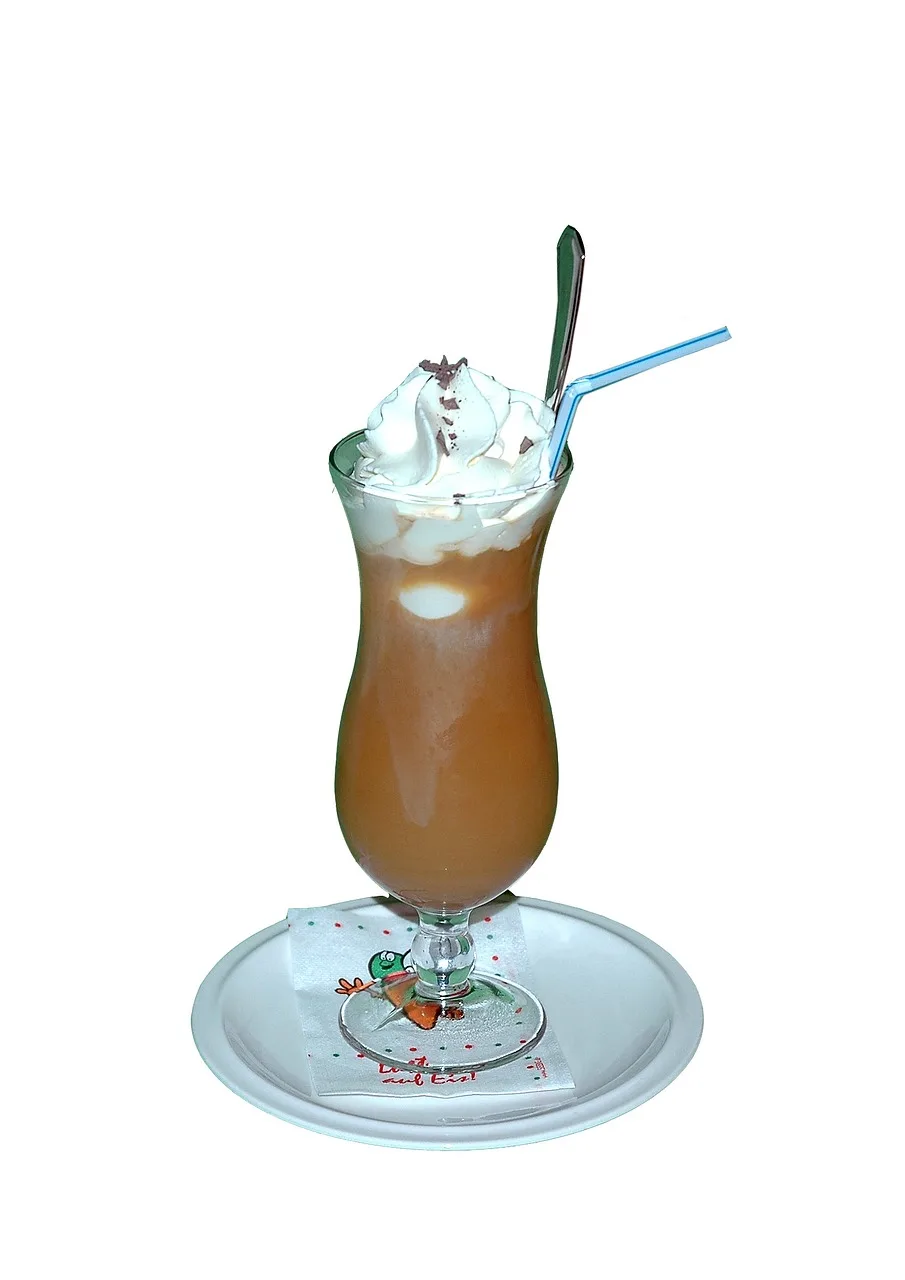
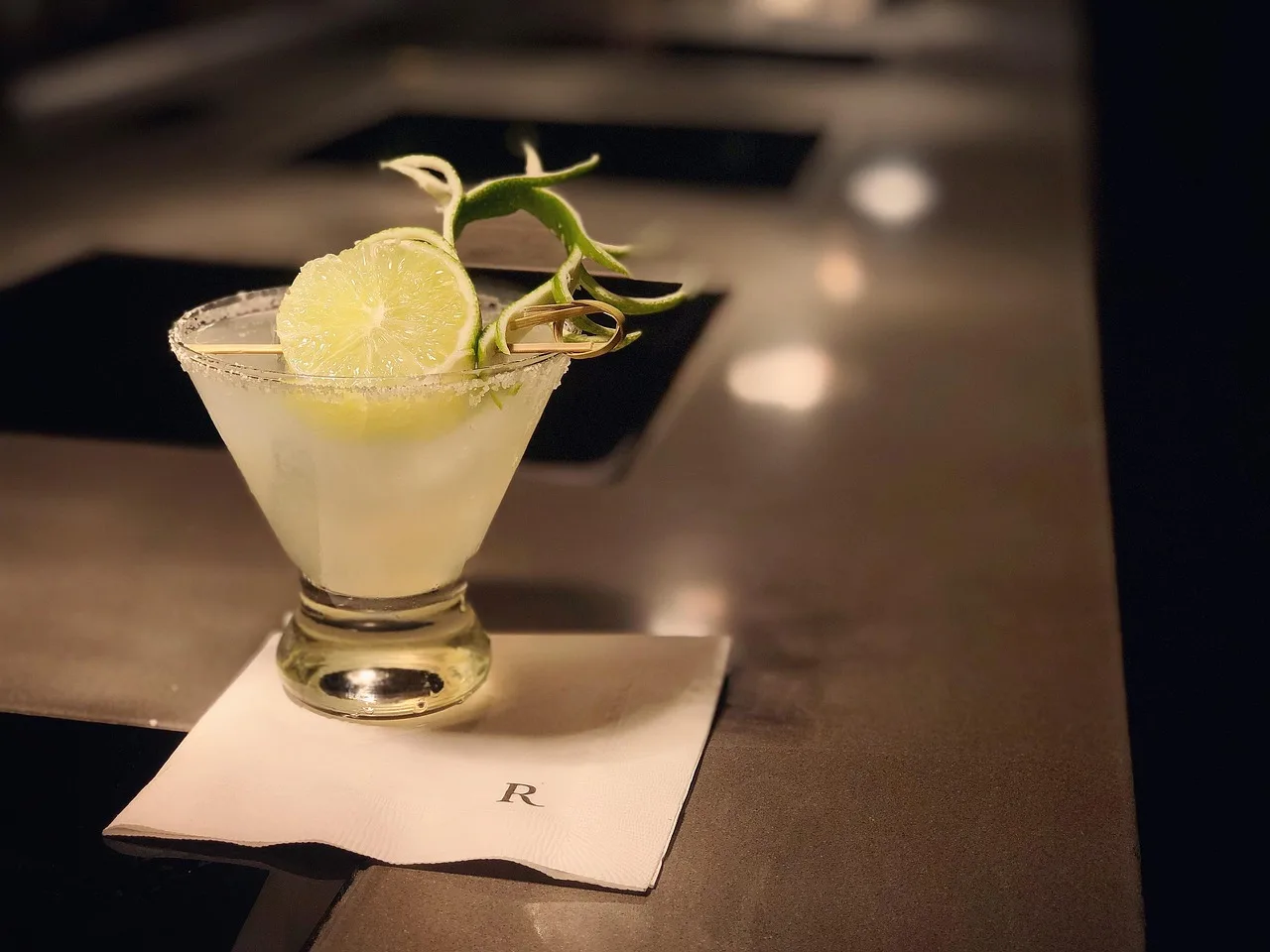
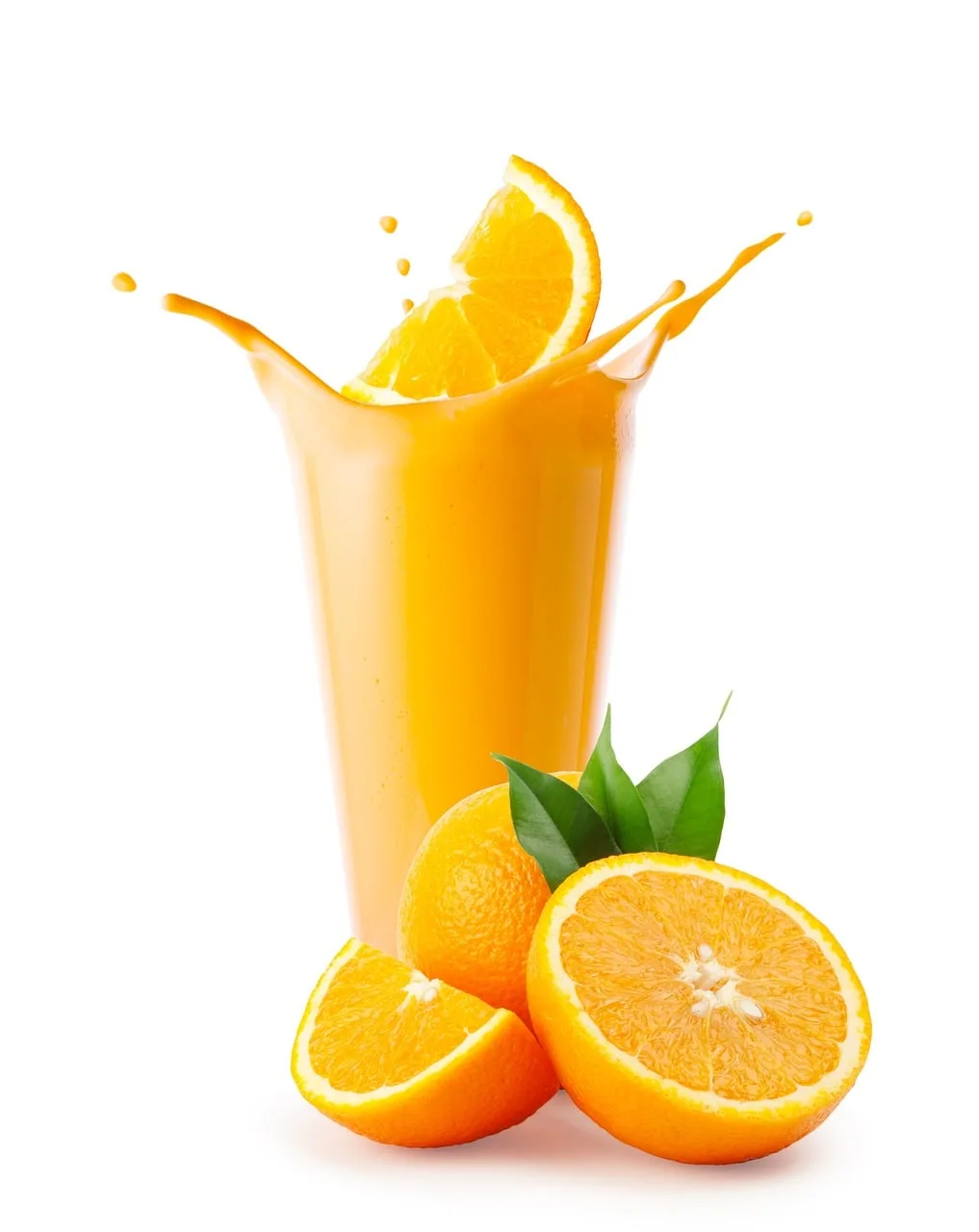
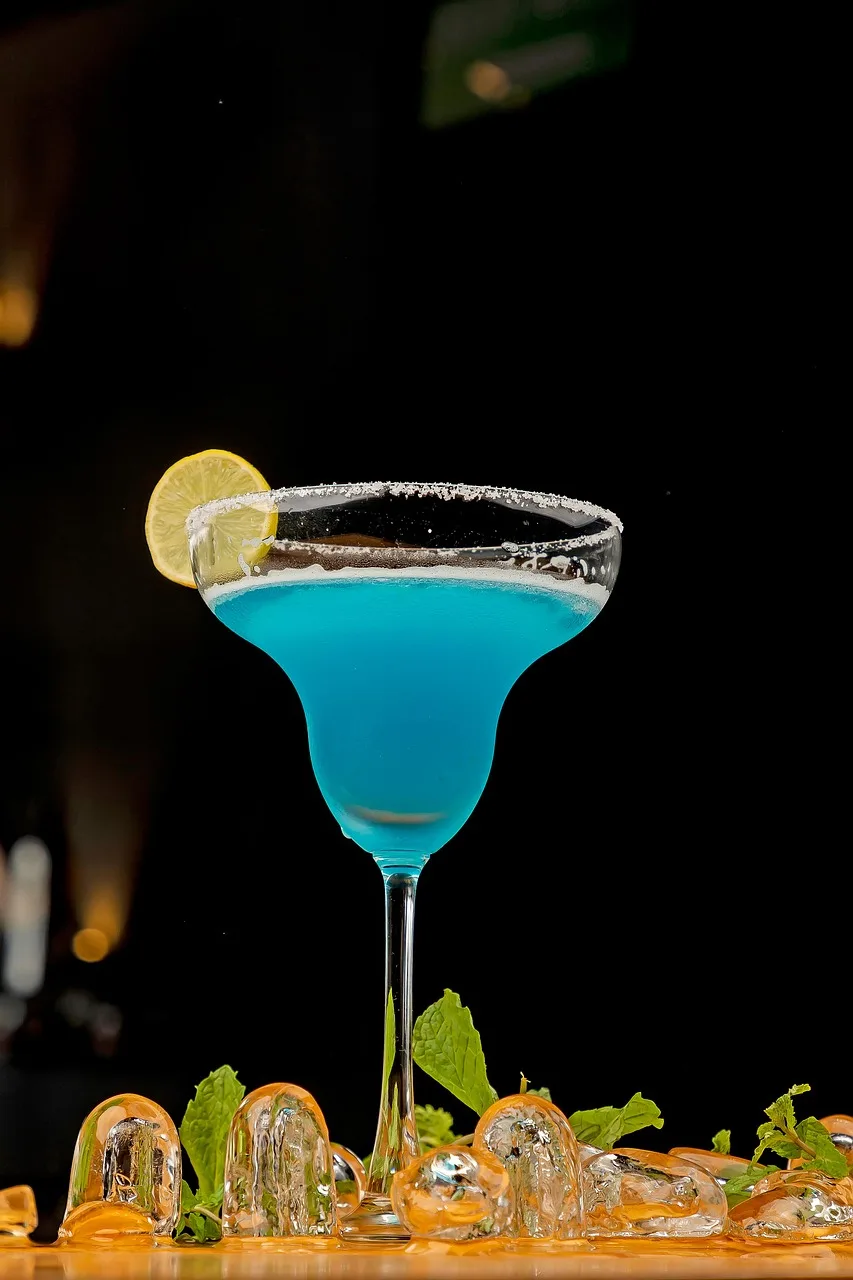
Çekim Tablosu
Belirtme (-i)içeceği
Yönelme (-e)içeceğe
Bulunma (-de)içecekte
Çıkma (-den)içecekten
Tamlayan (-in)içeceğin
Çoğul (-ler)içecekler
Tanım
•içilen her şey, meşrubat
•içmek fiilinin bildirme kipi gelecek zaman 3. teklik şahıs olumlu çekimi
•İçilen her şey
•İçilmeye elverişli
Diğer Dillerde
Almancagetränk (nötr) /ɡəˈtʁɛŋk/
drink, beverage (liquid for consumption)
çekim: çoğul Getränke · tamlayan Getränkes
eş: Drink, Trank, Trunk
zıt: Essen
köken: From Middle High German getrenke, a collective noun equivalent to ge- + Trank. Displaced Trank as the default word for “a drink" c. 1750. The spelling Getränk first attested c. 1650.
aile: Funktionsgetränk, Getränkeabholmarkt, Getränkeausschank, Getränkeautomat, Getränkebon, Getränkebüchse, Getränkedose, Getränkeeinzelhändler, Getränkekarte, Getränkekarton
Vielleicht würde ein Bier reichen?). — İçecekler 0. '
FransızcaBoisson, breuvage
Drankin' 00. — İçecekler 0. '
to address, to broach, to approach, to discuss, to touch on (e.g. a subject, issue, topic, point) · to tackle, to deal with, to confront, to approach, to grapple with (e.g. a problem, a challenge) · to accost, to waylay
çekim: geçmiş abordé · ortaç abordado · şimdiki aborda
eş: tratar, acometer
köken: From a- + bordo + -ar.
aile: abordador, abordaje
¿Qué van a tomar? — Ne içeceksiniz?
İtalyancabevanda (dişil) /beˈvan.da/
beverage, drink
çekim: çoğul bevande
eş: beveraggio, bibita, drink, decotto, infuso, liquore
köken: From Vulgar Latin *bibanda, from Latin bibenda, from bibendum.
Cosa bevi? — Ne içeceksin?
Rusçaнапиток (eril) /nɐˈpʲitək/
drink (verbal noun of пить (pitʹ) (nomen obiecti)) · beverage · alcoholic beverage
çekim: çoğul напи́тки · tamlayan напи́тка
eş: питьё, пойло
köken: Inherited from Proto-Slavic *napitъkъ. By surface analysis, на- (na-) + пить (pitʹ) + -ок (-ok).
Где у вас напитки? — İçecekler nerde?
drink, beverage · wine · fruit syrup, syrup
çekim: çoğul أَشْرِبَة · tamlayan شَرَابٍ
eş: شَرَاب, مَشْرُوب, مَشْرَب
köken: From the root ش ر ب (š r b) related to drinking, sipping.
أين المشروب؟ — İçecekler nerde?
مُتَّكِئِينَ فِيهَا يَدْعُونَ فِيهَا بِفَاكِهَةٍ كَثِيرَةٍ وَشَرَابٍ
wine · must (unfermented or partially fermented grape juice or wine)
köken: From Middle Persian bʾtk' (bādag, “wine, must”) (cognate to Khotanese [script needed] (bātaa, “wine; must”), Talysh boə (“date-plum (or grape) syrup; must”)), from Old Persian *bātah, most likely from Akkadian 𒁀𒂅𒌑 (baṭû, “tray, platter; mixing container, bowl for liquids; wine jar, pitcher”), from earlier Akkadian 𒁀𒋾𒌝 (baṭium, “vessel, basin, place to hold; tray, platter”). Cognate to Arabic…
membership, staff, body · team, crew · board
çekim: çoğul heyətlər · tamlayan heyətin
köken: From Arabic هَيْئَة (hayʔa).
inzibati heyət
şəxsi heyət
təyyarənin heyəti
beverage
köken: From Proto-Turkic *ičimlik (“drink, beverage”). A Central Asian innovation, built on the Common Turkic verb stem ič- "to drink" ( from Proto-Turkic *ič- (“to drink”)), following the same model as *ösümlik "plant". Cognate with Tatar эчемлек (eçemlek), Bashkir эсемлек (esemlek), Uyghur ئىچىملىك (ichimlik), Uzbek ichimlik (“drink”); Turkmen içimlik (“drinking (water)”), etc.
Özbekçeichimlik, ichmoq, kengash
to drink
çekim: geçmiş ichib · ortaç ichgan · şimdiki ichadi · ulaç ichayotgan
köken: Inherited from Chagatai ایچماک (ičmäk, “to drink”), from Khorezmian Turkic اجماك (içmäk, “to drink”), from Karakhanid اجماك (içmäk, “to drink”), from Proto-Turkic *ič-mek (“to drink”). Cognate with Uyghur ئىچمەك (ichmek).
Spirtli ichimlik ichmayman.
Tatarcaтакта, эчәргә, эчемлек
drink, beverage
köken: From *ičimlik "drink, beverage". A Central Asian innovation, built on the Common Turkic verb stem ič- "to drink" ( from Proto-Turkic *ič- (“to drink”)), following the same model as *ösümlik "plant" (see үҫемлек (üśemlek)). Cognate with Bashkir эсемлек (esemlek).
Felemenkçeaan boord gaan, controlebord, drank, drinken, enteren, instappen (eril) /drɑŋk/
beverage, drink · alcoholic drinks, taken collectively
çekim: çoğul dranken
köken: From Middle Dutch dranc, from Old Dutch *drank, from Proto-Germanic *drankiz, ultimately from Proto-Indo-European *dʰrenǵ- (“to pull; draw; sip”); compare German Trank (“drink; potion”).
aile: aan de drank, drankje, drankverslaafd, hoestdrank, sterkedrank
Voedsel en dranke n g — Gıda ve içecekle
Portekizceálcool, comitê, conselho, coquetel, despesa, diária (eril) /ˈaw.kow/
alcohol (ethanol) · alcohol (beverages containing ethanol, collectively) · alcohol (any of a class of organic compounds containing a hydroxyl functional group)
çekim: çoğul álcoois
köken: From Arabic اَلْكُحْل (al-kuḥl, “kohl”), via Spanish or Medieval Latin.
aile: álcool absoluto, álcool amílico, álcool anidro, álcool benzílico, álcool butílico, álcool em gel, álcool etílico, álcool isopropílico, álcool metílico, álcool polivinílico
Aqui está o meu amor! — İşte aşk! [İçecekler]
Esterilizei os instrumentos com álcool.
O álcool destruiu-lhe a vida.
Succede á esta embriaguez do amor o mesmo que á embriaguez do alcool.
Yunancaαπορροφώ, διατροφή, επιτροπή, οινοπνευματώδη, πίνακας, πίνω /a.po.ɾoˈfo/
to absorb, soak up
çekim: geçmiş απορρόφησα · ortaç έχοντας απορροφήσει · şimdiki απορροφά - απορροφάει · ulaç απορροφώντας
köken: Semantic loan from French absorber. Learned borrowing from Ancient Greek ἀπορροφῶ (aporrhophô), contracted form of ἀπορροφέω (aporrhophéō), from ἀπο- (apo-, “away, off”) + ῥοφέω (rhophéō, “slurp, gulp”).
"Νούμερο 0". — İçecekler 0. '
alcohol, sake
köken: 御 (o-, honorific prefix) + 酒 (sake, “alcoholic beverage, (especially) wine”).
あっ はい — İçecekler nerde?
to drink alcohol
eş: 吃酒, 啉酒, 食酒, 飲酒, 饮酒
歃血即喝血。 — Sadece kan içecekler.
他喝酒有節制,不盡量。
他喝酒有节制,不尽量。
Korece음료수 /ˈɯ(ː)mɲosʰu/
beverage, drink
köken: Sino-Korean word from 飮料水.
여기 내 사랑이야! — İşte aşk! [İçecekler]
board (enter a ship) · enter (appear on a stage or similar)
çekim: geçmiş äntrade · ortaç äntrad · ulaç äntrande
köken: Borrowed from Dutch enteren, from French entrer. Doublet of entré.
aile: äntring
Var finns läsken? — İçecekler nerde?
Lehçeabordażować, burta, dokonać abordażu, dokonywać abordażu, komitet, napój /a.bɔr.daˈʐɔ.vat͡ɕ/
to board (to (at least attempt to) capture an enemy ship by going alongside and grappling her, then invading her with a boarding party)
çekim: geçmiş abordażowano · şimdiki abordażuje
köken: Etymology tree French a- French bord Proto-Italic *-āzi ▲ Latin -ereinflu. Latin -āre Old French -ier Middle French -er French -er French aborder Proto-Indo-European *-h₂ Proto-Indo-European *-éh₂ Proto-Indo-European *-tós Proto-Indo-European *-eh₂tos Proto-Italic *-ātos Latin -ātus Proto-Indo-European *-ikos Proto-Italic *-ikos Latin -icus Latin -āticus Latin -āticum Old French -age Middle…
Niech ε > 0 . — İçecekler 0. '
Ukraynacaви́пити, до́шка, керівни́цтво, коміте́т, напі́й, пи́ти
Què podem beure ? — Що ми можемо випити ? — Ką gersite? : Ne içeceksin?
board, plank · shelf
çekim: çoğul तख़्ते
köken: Borrowed from Classical Persian تخته (taxta), from Middle Persian tʾht' (taxt, “throne”) + -k' (-ag).
Fincealkoholijuoma, astua, buugi, drinkki, entrata, hallitus /ˈɑlkoholiˌjuo̯mɑ/
alcoholic beverage
çekim: çoğul alkoholijuomat · tamlayan alkoholijuoman
köken: alkoholi (“alcoholic”) + juoma (“beverage”)
Teemu Ryyppä (s. — İçecekler 0. '
board (relatively long, wide and thin piece of sawn wood or similar material, usually intended for use in construction) · plate, disk (flat, round/square piece of some material) · record, platter (device for recording sound and playing back on a record player)
çekim: çoğul desky · tamlayan desky
eş: gramodeska
köken: Inherited from Old Czech dska, from Proto-Slavic *dъska.
Popice (pův. — İçecekler 0. '
fotografická deska
tektonická deska
gramofonová deska
Rumencebăutură, bea, scândură (dişil) /bə.uˈtu.rə/
beverage, drink
çekim: çoğul băuturi · tamlayan băuturi
köken: Inherited from Vulgar Latin *bibitūra, from Latin bibitus, from bibō (“drink”). Compare Aromanian biuturã, Sardinian bibidura, bidura.
Dan Pița (n. — İçecekler 0. '
Macarcabeszáll, bizottság, deszka, élelmez, ellát, ellátás /ˈbɛsaːlː/
to get in (-ba/-be) · to fly in (-ba/-be)
çekim: geçmiş beszálltak
köken: be- + száll
aile: beszállás
Hozom. — İçecekleri alayım.
Beszálltam a kocsiba.
A madár beszállt a szobába.
İbraniceגַּלְס, גָּמַע, דֹּפֶן, לֶג, לוּחַ, מַשְׁקָאוֹת חָרִיפִים
?איפה המשקאות — İçecekler nerde?
to drink
çekim: ortaç bibitus · şimdiki bibit · ulaç bibēns
köken: From Proto-Italic *pibō with voicing of the initial /p/ to /b/, from Proto-Indo-European *píph₃eti. Cognates include pōtō, Proto-Slavic *piti (cf. *pivo (“beer”)), Ancient Greek πῑ́νω (pī́nō), Proto-Celtic *ɸibeti, and Sanskrit पिबति (píbati).
aile: adbibō, bibāx, bibilis, bibiō, bibitor, bibitus, bibōnius, bibōsus, bibulus, combibō
ferte corōnātae iuvenum convīvia lintrēs,
Dancaalkohol, bestyrelse, bræt, drikke, råd, spiritus
alcohol
çekim: çoğul alkoholer · tamlayan alkohols
köken: Via German Alkohol, from Medieval Latin alcohol (“powdered ore of antimony”), from Arabic اَلْكُحْل (al-kuḥl, “kohl”).
aile: alkoholafhængig, alkoholafvænning, alkoholambulatorium, alkoholbehandling, alkoholbevilling, alkoholforbrug, alkoholforbud, alkoholforgiftning, alkoholfri, alkoholholdig
Her er til min kærlighed! — İşte aşk! [İçecekler]
Etimoloji
Eski Türkçe
Eş & Zıt Anlamlılar
Eş anlamlılar
Örnek Cümleler
Ne içeceksin?
What will you drink?
İçecekler 0. '
Itemid:0.
Bana bir içecek!
Pour me a drink.
İçecekler nerde?
Where are the beverages?
İçecekler mevcut.
Refreshments are available.
İçecek bir şey al.
Have something to drink.
İçecekleri alayım.
I'll get it.
O biraz süt içecek.
She's going to drink some milk.
Bu içecekte ne var?
What's in this drink?
İçecek bir şey yok.
There's nothing to drink.
İçecek suyumuz yoktu.
We had no water to drink.
Bu içecekler alakart.
These drinks are a la carte.