Sözlük
/durma
durma
"durma" kelimesinin İngilizcesi: cease, cessation, halt, pause, standstill. Anlamı, çevirisi, telaffuzu ve örnek cümleler aşağıdadır.
Çeviri
Genelcease
Genelcessation
Genelhalt
Genelpause
Genelstandstill
Genelstay
Genelstending
Görsel
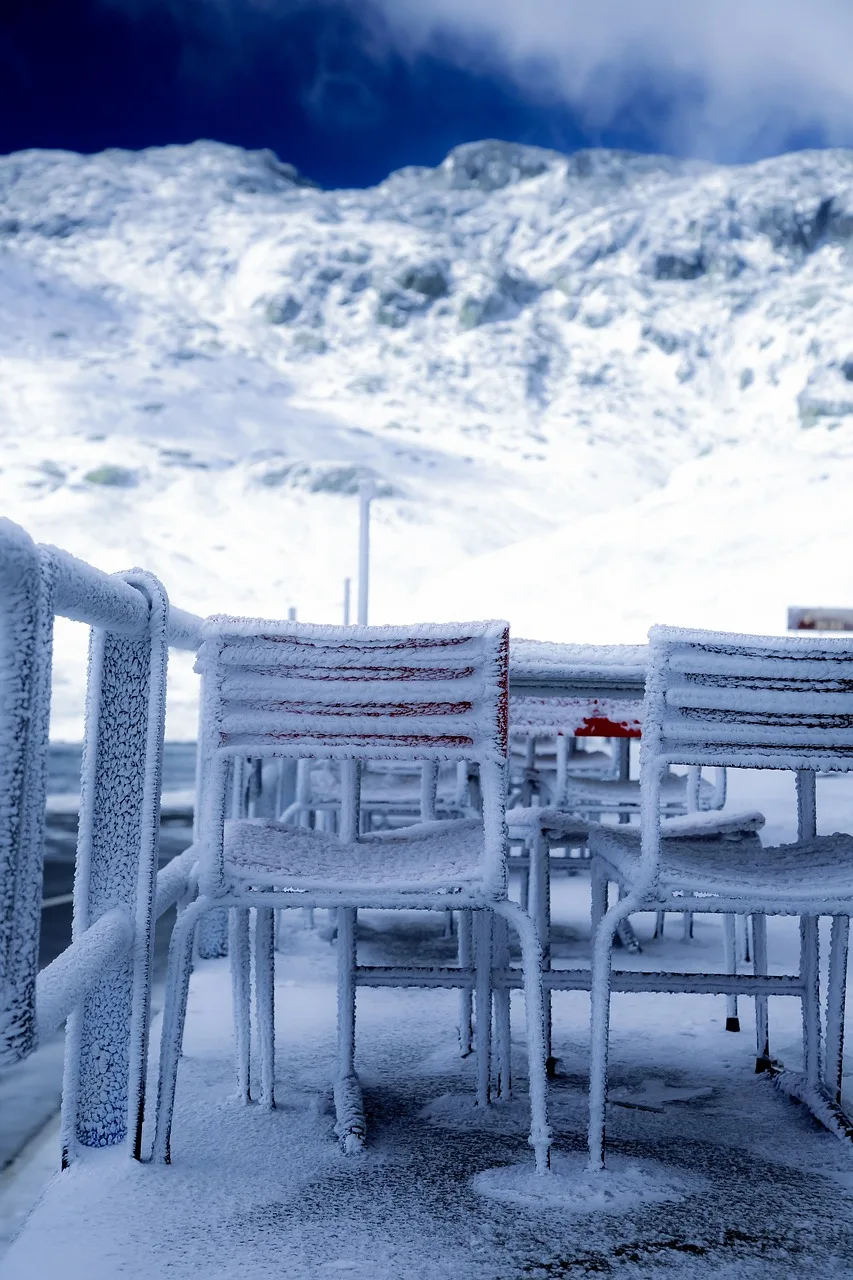
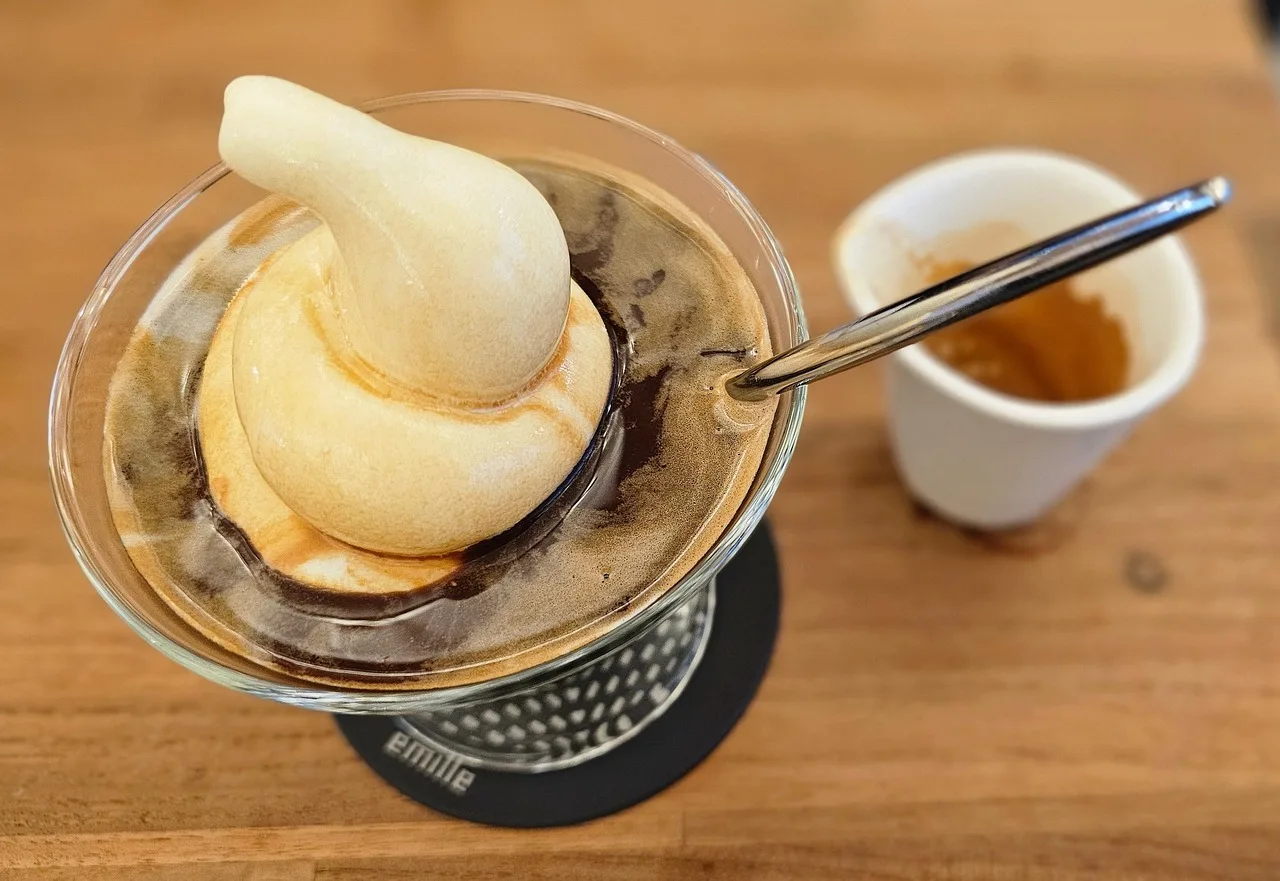
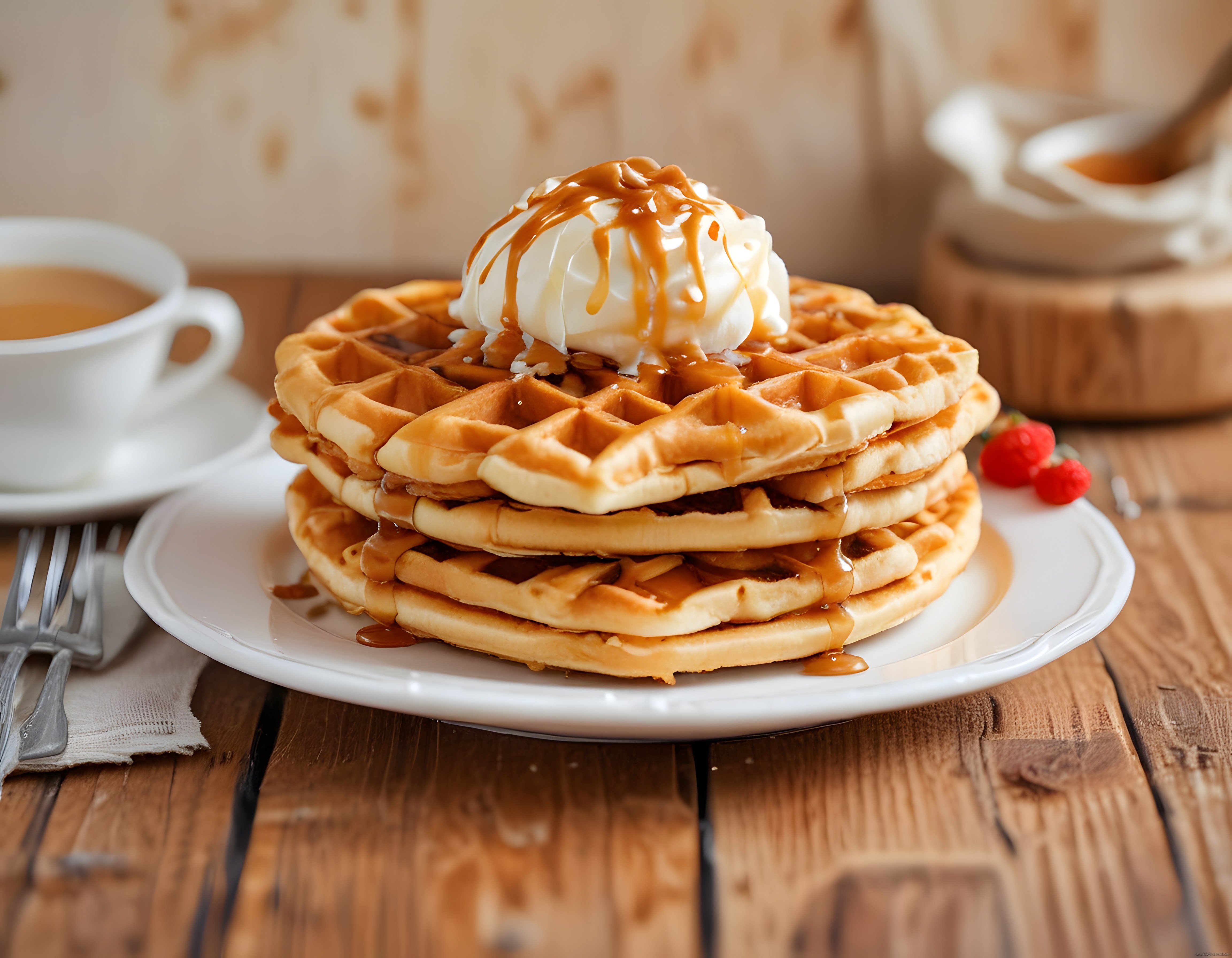

Çekim Tablosu
Belirtme (-i)durmayı
Çoğul (-ler)durmalar
Tanım
•isim: Durmak işi; vakfe
Atasözü & Deyim
“Akacak kan damarda durmaz”
“Boş çuval ayakta (dik) durmaz: 1”
“Su akarken testiyi doldurmalı (doldur)”
Diğer Dillerde
Almancastand (eril) /ʃtant/
first/third-person singular preterite of stehen
çekim: çoğul Stände · tamlayan Standes
eş: Stehen, Bude, Box, Stadium, Klasse, Schicht
köken: From Middle High German stant, from Old High German *stant (attested in Old High German firstant, urstant), from Proto-West Germanic *stand, a deverbal from *standan (“to stand”). Cognate with English stand.
aile: ständig, Stand der Technik
Der Autostopper. — Aracı durdurmak...
Im Stande sein zu…
jemanden in den Stand setzen
Geld setzt einen in den Stand, alles zu kaufen
Fransızcaarrêter, demeurer, faire halte, halte, halter, rester /a.ʁɛ.te/
to stop, to come to a standstill; to halt, to stop from moving · to arrest (someone, a criminal, etc.) · to stop, to cease (an activity)
çekim: geçmiş arrêté · ortaç arrêté · şimdiki arrête · ulaç arrêtant
eş: alpaguer, appréhender, attraper, avoir, capturer, chauffer
köken: Inherited from Middle French arrester (“to stop”), from Old French arester (“to stay, stop”), from Vulgar Latin *arrestāre, from Latin ad- (“to”) + restō (“stop, remain behind, stay back”). Compare English arrest.
aile: arrêter les frais
Ça n’arrêtait pas. — Ama durmadı.
J'aime la solitude parfois, mais j'aime pas les cris quand ils ne s'arrêtent pas
Aujour-d'hui que la Constitution est définitivement arrêtée...
Le Corps législatif arrête les comptes.
İspanyolcaalto, apeadero, cajonear, dar carpetazo, engavetar, estada /ˈalto/
tall · high · loud
çekim: üstünlük altísimo
zıt: bajo
köken: Learned borrowing from Latin altus, ultimately of Proto-Indo-European origin. The form alto represents a pronunciation influenced by the most learned layers of the language, and is not the normal phonetic result expected in a naturally inherited word. Cf. the now archaic form oto, which was used more often in Old Spanish and is the form of the word that was completely popularly inherited,…
aile: Alta Austria, Alta California, alta costura, alta danza, Alta Edad Media, alta fidelidad, alta gama, alta mar, alta montaña, alta tecnología
No paraba. — Ama durmadı.
Esas chicas son altas.
Es un número alto.
En voz alta.
İtalyancaaccantonare, essere, fermare, permanenza, restare, rimandare /ak.kan.toˈna.re/
to set aside (money, goods, etc.) (for later use) · to save, to preserve (e.g. one's strength)) · to set aside, to put aside, to abandon, to shelve (a project, idea, job, etc.)
çekim: geçmiş accantonàto · ortaç accantonàto · şimdiki accantóna · ulaç accantonànte
eş: accumulare, ammassare, ammucchiare, conservare, immagazzinare, mettere da parte
köken: From a- + cantone + -are.
aile: accantonamento
Dobbiamo restare qui. — Burada durmalıyız.
simple, ordinary · basic · prime
çekim: karşılaştırma (по)про́ще · üstünlük (наи)просте́йший
eş: понятный, доступный, лёгкий, несложный, элементарный, примитивный
köken: Inherited from Old East Slavic простъ (prostŭ), from Proto-Slavic *prostъ.
aile: непросто́й, непро́сто, неспроста́, просте́йшее, проста́к, простота́, простыня́, упроще́ние, упрости́ть, упроща́ть
Транспортное средство не остановилось. — Taşıt durmadı.
взаи́мно просты́е
просто́е число́
to remain, stay · to put, to place · to stand
çekim: geçmiş ماند · ortaç مانده · şimdiki میماند · ulaç ماننده
köken: Inherited from Middle Persian KTLWNtn' (māndan), KTLWN (mān-), from Old Persian, from Proto-Iranian *(d)mān- (“to remain, dwell”), from Proto-Indo-European *men- (“to stay, stand still”), related to Latin maneō (“to remain”), Ancient Greek μένω (ménō, “to remain”).
aile: ماندنی
to stand · to stand up, get up · to stop, halt
çekim: geçmiş durmuş · ortaç durmuş · şimdiki durur
köken: Inherited from Old Anatolian Turkish طورمق (durmaq), from Proto-Turkic *tur- (“to stand”) Cognate with Turkish durmak, Turkmen durmak, Crimean Tatar turmaq, Uzbek turmoq, Uyghur تۇرماق (turmaq), Kazakh тұру (tūru), Tatar turu, Chuvash тӑр (tăr).
aile: duruş, durğun, durum
Bütün günü ayaq üstə durmuşam, çox yorğunam
Növbədə durmaq
Yanı uşaqlı bir rus qadını durmuşdu.
Kazakçaқалу /qɑˈlʊw/
to stay, to remain · Shows non-intentional perfective actions: to end up, to happen to · Shows the change of the state of the subject.
çekim: geçmiş қалдым · ortaç қалған
köken: From Proto-Turkic *kāl- (“to stay behind, remain”). Cognate with Turkish kalmak (“to remain”), Old Turkic 𐰴𐰞 (qal-, “to be left (behind)”), Old Uyghur qʾlmʾq (qalmaq, “to remain”), Karakhanid قَلْماقْ (qalmāq, “to remain”), etc.
aile: қалдыру, қалдырылған
артта қалу
алып қалу
көре қалу
to stay · to remain, to be left
çekim: geçmiş qolib · ortaç qolgan · şimdiki qoladi · ulaç qolayotgan
köken: From Proto-Turkic *kiāl-mak (“to stay behind, remain”). Cognate with Turkish kalmak (“to remain”).
Tatarcaкалырга
Felemenkçeblijven, stag, uitstel, uitstellen, verblijf, verblijven /ˈblɛi̯vən/
to stay, to remain · to stay, to remain, to still be · to keep/keep on, to continue (remain doing/behaving)
çekim: geçmiş bleven · ortaç gebleven · şimdiki blijft · ulaç blijvend
köken: From Middle Dutch bliven, from Old Dutch blīvan (“to remain”), from Proto-West Germanic *bilīban, from Proto-Germanic *bilībaną (“to remain”).
aile: blijver, aanblijven, aaneenblijven, achteraanblijven, achterafblijven, achterblijven, achteropblijven, achteruitblijven, afblijven, bij de les blijven
Hou nou eens op met je gedinges! — Şey deyip durma ya!
Blijf hier, ik ga kijken.
Wat er ook gebeurt, altijd blijven lachen!
Portekizceadiar, apeadeiro, continuar, estadia, estagnar, estai /a.d͡ʒiˈa(ʁ)/
to postpone, delay, adjourn, defer
çekim: geçmiş adiei · ortaç adiado · şimdiki adia
köken: From a- + dia + -ar.
Mas ele não cessou. — Ama durmadı.
to postpone, put off, delay, procrastinate
çekim: geçmiş ανέβαλα · ortaç έχοντας αναβάλει · şimdiki αναβάλλει · ulaç αναβάλλοντας
köken: Learned borrowing from Ancient Greek ἀναβάλλω (anabállō). Morphologically ανα- (ana-) + βάλλω (vállo).
Και δεν σταμάτησε εδώ. — Ama durmadı.
Αναβάλλω συνεχώς να του τηλεφωνήσω. Δεν ξέρω τι να του πω.
Θα αναβάλω τις διακοπές μου φέτος.
to stay, to remain · to pause on one's way; to stop going
çekim: geçmiş 머물렀다
eş: 머물다, 숙박하다, 정체하다
köken: First attested in the Seokbo sangjeol (釋譜詳節 / 석보상절), 1447, as Middle Korean 머믈다 (Yale: memulta).
İsveççeanstånd, avbrott, fäste, förbli, förbliva, hålla sig (nötr)
standstill, ceasefire · break, reprieve, respite, moratorium
çekim: çoğul anstånds · tamlayan anstånds
köken: From Middle Low German anstant.
En skapelseberättelse. — Uydurma bir masal.
Lehçeodkładać na półkę, pozostać, pozostawać, sztag, zostać, zostawać /ɔtˈkwa.dat͡ɕ na‿ˈpuw.kɛ/
alternative form of odkładać na bok
köken: Literally, “to set off onto [a/the] shelf”.
Zatrzymanie się maszyny. — Aracı durdurmak...
Не закінчив. — Ama durmadı.
to wait, stay, stop · to live, accommodate · to be fixed, stable
çekim: geçmiş ठहरता · şimdiki ठहरता है
köken: Hindi verb set ठहरना (ṭhaharnā) ठहराना (ṭhahrānā) Etymology tree Prakrit *𑀞𑀳𑀺𑀭𑀇 (*ṭhahiraï) Hindi ठहरना Inherited from Prakrit *𑀞𑀳𑀺𑀭𑀇 (*ṭhahiraï).
Finceankkurointipaikka, este, harus, hyllyttää, jäädä, käynti /ˈɑŋkːuroi̯ntiˌpɑi̯kːɑ/
synonym of ankkuripaikka
çekim: çoğul ankkurointipaikat · tamlayan ankkurointipaikan
köken: ankkurointi (“anchoring”) + paikka (“place”)
Pysäytyskuvia. — Aracı durdurmak...
Çekçeodklad, odložení, odložit, odročení, pobyt, pobýt (eril) /ˈotklat/
postponement
çekim: çoğul odklady · tamlayan odkladu
eş: odsunutí, odložení, odročení, prolongace
köken: Deverbal from odkládat.
Zastavování vozidel. — Aracı durdurmak...
to delay, postpone, put off · to adjourn, suspend
çekim: geçmiş amânat · ortaç amânat · şimdiki amână
köken: Probably from mâine (compare the variant form mâne), possibly based on a Latin construction ad māne, or on a hypothetical adverbial form *amâne in Romanian. Compare Aromanian amãn, amãnari. Similar semantic development in French ajourner.
Nu s-a oprit aici. — Ama durmadı.
Macarcaelhalaszt, felfüggeszt, halaszt, késleltet, marad, megállóhely /ˈɛlɦɒlɒst/
to postpone
çekim: geçmiş elhalasztottak
köken: el- + halaszt
aile: elhalasztás
Fagylaltozom. — Dondurma yiyorum.
Elhalasztottuk az esküvőt.
Latincemaneō, sto, stō, subsisto, teneo /ˈstoː/
to stand · to stay, remain · to cost, to be set at, stand at (e.g., a price)
çekim: ortaç statum · şimdiki stat · ulaç stāns
zıt: desum
köken: From Proto-Italic *staēō, from earlier *staējō, from Proto-Indo-European *sth₂éh₁yeti, stative verb from *steh₂-. Cognate with Sanskrit तिष्ठति (tíṣṭhati) (root स्था (sthā)), Persian ایستا (istâ, “standing; stopping”), Old Norse standa, Ancient Greek ἵστημι (hístēmi), στάσις (stásis), Bulgarian стоя (stoja), Old English standan (whence English stand). By its appearance through Latin sound laws,…
aile: adsto, antestō, antistō, astō, circumstō, cōnstō, contrāstō, distō, exstō, īnstō
‘stat mihi nōn parvō virtūs mea: volnera testor
Dancablive, skrinlægge /bliːə/
to become (go from one state into another, with a predicative or the preposition til (“to”); the latter is preferred with nouns if a change is implied) · to be (used with the past participle to form the passive voice) · to amount (to total or evaluate)
çekim: geçmiş blev · ortaç blevet · ulaç blivende
köken: From Middle Low German bliven, from Old Saxon bilīƀan, from Proto-Germanic *bilībaną, cognate with German bleiben (“to remain”). In the sense “to become", it replaced native vorde.
aile: døvbleven, forblive, tilbagebleven, tilbageblivende, tilblive, udeblive, vedblive
Fodpose bedes lagt i Vognen.” — Durma atı içeri çek.”
Hun blev læge da hun var 25 år.
Vejret vil blive koldt når solen er gået ned.
Ællingen blev til en svane
Etimoloji
From Ottoman Turkish طورمه (durma).
Eş & Zıt Anlamlılar
Örnek Cümleler
Burada durma.
Don't stop here.
Araba durmadı.
The car didn't stop.
Durmadan çalış!
Study on and on!
Durmadan koştu.
He ran on and on.
Onu durdurmayın.
Don't stop him.
Yolumda durmayın.
Don't stand in my way.
Yağmurda durmayın.
Stay out of the rain.
Dondurmayı severim.
I do like ice cream.
O dondurma seviyor.
She likes ice cream.
Üç dondurma lütfen.
Three ice-creams, please.
Benim yanımda durma.
Don't stand near me.
İki dondurma, lütfen.
Two ice creams, please.
İlgili Sorular
Sonsuz uzunlukta bir boruda ışık ışını hareket ettirildiğinde, ışık hiç durur mu? Neden durmaz?
Fizikle ilgili bir sorum var, yardım eder misiniz? Anlamadığım bir problem var, çok minnettar olurum. Teşekkür ederim.
İki önkol kemiği (radius ve ulna) üzerindeki kalsifiye bölgenin toplam kesit alanı yaklaşık 2,7 cm²'dir. Bir otomobil kazasında önkol, gösterge paneline çarpar. Kol, 80 km/sa başlangıç hızından 5,2 milisaniyede durmaktadır. Etkili kütlesi 3,0 kg olan kolun çarpışma sırasında deneyimlediği sıkıştırma gerilmesi nedir?
Ekstra vites ve el frenleri olmayan, sadece pedalladığımda geri gidip durmayan hafif bir bisiklet arıyorum; öneriniz nedir?
Işık ışını bir tüp içinde sonsuza kadar ilerleyebilir mi? Eğer ilerleyebiliyorsa, durmamasının sebebi nedir?
CRT ekranı günde 6‑8 saat önünde durmak gözlerime zarar verir mi?