Sözlük
/delik
delik
"delik" kelimesinin İngilizcesi: punctured, pierced, eyelet, outlet, slot. Anlamı, çevirisi, telaffuzu ve örnek cümleler aşağıdadır.
Çeviri
Genelpuncturedadj
Genelpiercedadj
Geneleyelet
Geneloutlet
Genelslot
Genelvent
Geneleyehole
Genelaperture
Genelbore
Genelboring
Genelhole
Genelopening
Genelorifice
Genelhole
Genelhole
Genelhole
Görsel


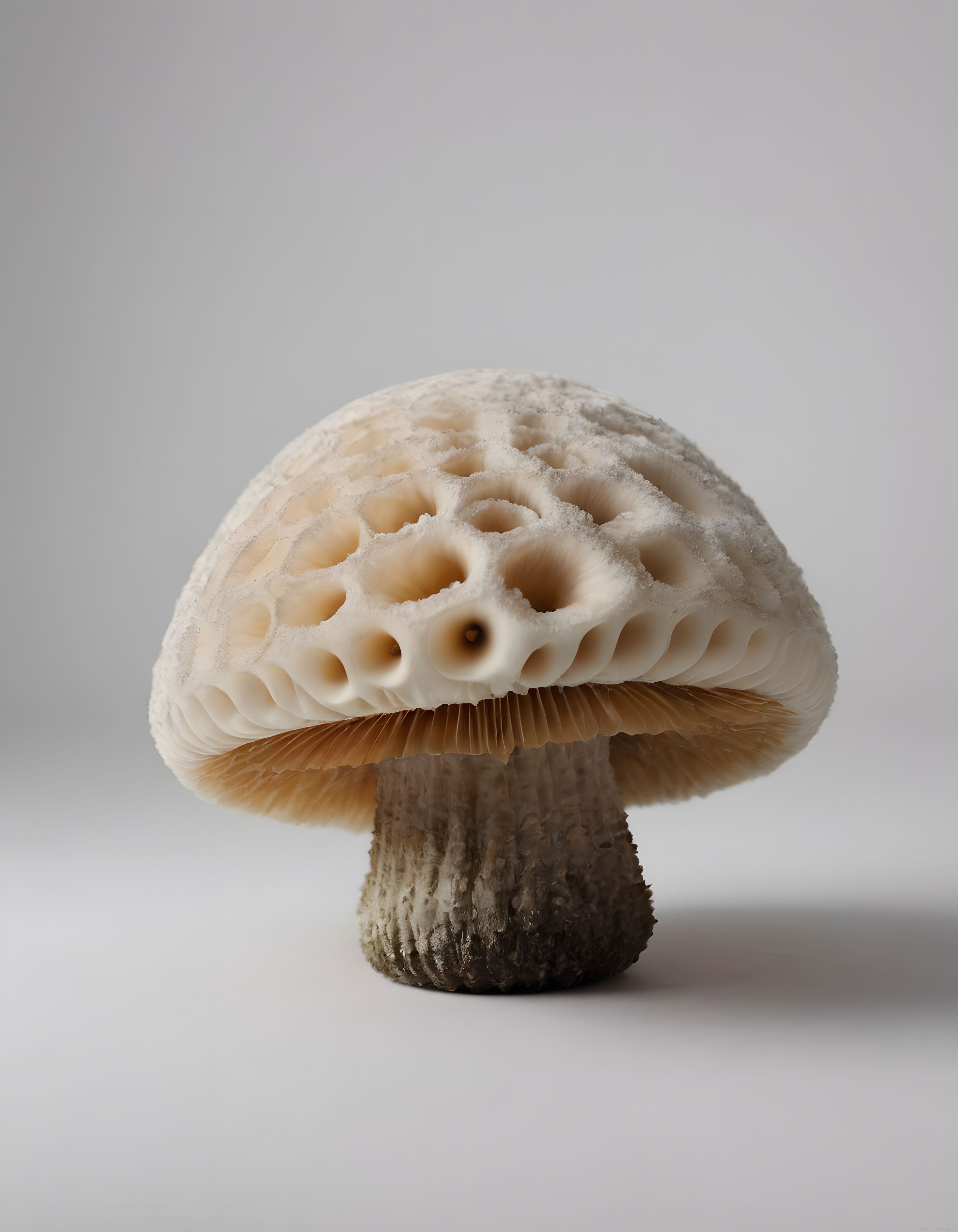
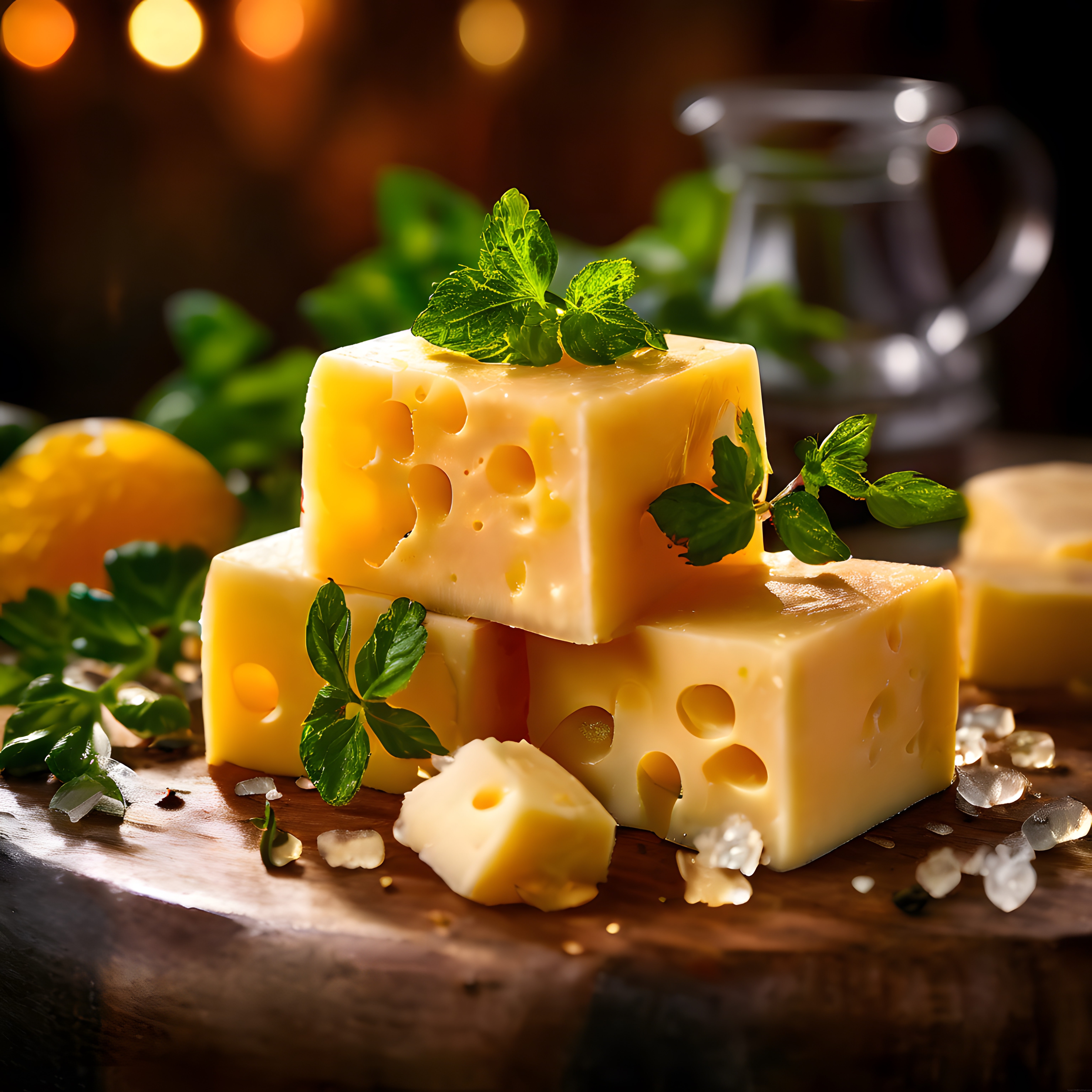
Çekim Tablosu
Belirtme (-i)deliği
Yönelme (-e)deliğe
Bulunma (-de)delikte
Çıkma (-den)delikten
Tamlayan (-in)deliğin
Çoğul (-ler)delikler
Tanım
•isim: Dar, küçük açıklık
•Dar, küçük çukur
•Küçük hayvan yuvası
•sıfat: Delinmiş olan; perforje
•argo: cezaevi
Atasözü & Deyim
“Delikli boncuk (taş) yerde kalmaz”
Diğer Dillerde
AlmancaEröffnung, Eröffnungsvorstellung, freie Stelle, Grübchen, Grube, Kerbe (dişil) /ʔɛɐ̯ˈʔœfnʊŋ/
opening
çekim: çoğul Eröffnungen · tamlayan Eröffnungen
eş: Anfang, Beginn, Öffnung
köken: From eröffnen + -ung.
%1 Bahnen — % 1 Delik
hole · blank (memory) · pause in conversation
çekim: çoğul trous
eş: brèche, creux, percement, patelin, bled, électron-trou
köken: From Early Medieval Latin traugus, a "barbarous" Latin word first attested in the Ripuarian Law, probably related to torus (“round hill”). Thought to be of Celtic, specifically Gaulish, origin. However, others have suggested a borrowing from Ancient Greek τρῦπα (trûpa, “hole”), instead. Related to Catalan and Occitan trauc.
aile: boire comme un trou, faire son trou, milles trous, ne pas avoir les yeux en face des trous, texte à trous, trou à rats, trou blanc, trou d'air, trou de balle, trou de mémoire
%1 trous — % 1 Delik
İspanyolcaabertura, abierta, abriente, agujero, alcorque, aperción (dişil) /abeɾˈtuɾa/
opening (act of opening) · opening (something open) · aperture
çekim: çoğul aberturas
köken: Inherited from Latin apertūra, equivalent to abierto + -ura. Doublet of the borrowing apertura. Compare English aperture.
%1 hoyos — % 1 delik
opening (all meanings) · crack, slit · slot
çekim: çoğul aperture
eş: buco, crepa, fenditura, fessura, foro, orifizio
zıt: chiusura
köken: From Latin apertūra. The sense of "aperture" was a later learned development. Doublet of ouverture.
aile: mediano d'apertura
%1 buche — % 1 delik
Rusçaотверстие (nötr) /ɐtˈvʲers⁽ʲ⁾tʲɪje/
opening, aperture, hole, perforation · mesh (of a screen) · orifice, mouth, vent, passage, inlet, outlet, port
çekim: çoğul отве́рстия · tamlayan отве́рстия
eş: дыра, дырка
Лунок:% 1 — % 1 Delik
to burn · to burn, to hurt, to sting
çekim: geçmiş حَرَقْتُ
köken: From the root ح ر ق (ḥ r q), to burn.
% 1 حفر — % 1 Delik
قَالُوا حَرِّقُوهُ وَٱنْصُرُوا آلِهَتَكُمْ إِنْ كُنْتُمْ فَاعِلِينَ
Farsçaسوراخ /suː.ˈraːx/
hole, cavity, bore, orifice, slot · loser
çekim: çoğul سوراخها
köken: * From Middle Persian [Book Pahlavi needed] (swlʾh /sūrāx/) from earlier form [Book Pahlavi needed] (swlʾk' /sūrāg/). Ultimately from Proto-Indo-European *ḱouH-r-o- and suffix ـاک (/-āk/) * Cognate with Avestan 𐬯𐬏𐬭𐬀 (sūra, “hole”) (>*ćuHráh), Northern Luri سیڵا (silla, “hole”) and Classical Persian سوله (sūla, “hole”) (>*ćuHrákah).
واگشایم هفت سوراخ نفاق در ضیای ماه بیخسف و محاق
تیم مورد علاقهات سوراخ شد.
opening (an act or instance of making or becoming open) · opening (Something that is open)
çekim: çoğul açılışlar · tamlayan açılışın
zıt: bağlanış
köken: Morphologically, from açıl- (“to be opened”) + -ış.
açılış mərasimi
Kazakçaжыртық, ойынбасы, тесік /teˈsɘk/
hole
çekim: çoğul тесіктер · tamlayan тесіктің
köken: From Proto-Turkic *deĺ-, Cognates with Southern Altai тежик (težik), Kyrgyz тешик (teşik), Crimean Tatar teşik, Kumyk тешик (teşik), Azerbaijani deşik, Turkish deşik, Uzbek teshik, Khakas тизік (tizìk), Shor тежик, etc.
Tatarcaбатынкылык, тишек, чокыр
hole
köken: From *teš-ük "hole", from Proto-Turkic *deĺ- (“to pierce, make a hole”). Cognate to Bashkir тишек (tişek), etc.
Felemenkçebajes, de put, doorboren, doorzeven, gaatje, gat (dişil) /ˈbaː.jəs/
slammer, jail, prison
çekim: çoğul bajesen
eş: kast, nor, petoet
köken: Borrowed from Yiddish בית (bajes, “house”), from Hebrew בית (báyit, “house”).
aile: bajesklant
%1 holes — % 1 Delik
breach, gap (opening allowing passage or entrance) · fissure
çekim: çoğul brechas
köken: Borrowed from French brèche (“gap”), from Frankish *breka (“a breach, break”).
% 1 buracos — % 1 delik
Yunancaάνοιγμα, ευκαιρία, οπή, τρύπα (nötr)
opening · slit, mouth · clearing
çekim: çoğul ανοίγματα · tamlayan ανοίγματος
köken: ανοίγω (anoígo) + -μα (-ma)
% 1 τρύπες — % 1 Delik
Japonca隙間 /sɨ̥kʲima̠/
crevice, crack, gap
köken: 隙(すき) (suki, “gap”) + 間(ま) (ma, “space”)
aile: 隙間風
%1 ホール — % 1 delik
cavity; hole · empty house · (positive) hole; cavity
eş: 電洞, 电洞, 正孔, 孔, 洞, 穴
全是男生。 — Sen Delikanlı Mısın?
Korece구멍 /kumʌ̹ŋ/
hole, aperture, opening · defect, loophole, blind point · loss, deficit
eş: 틈, 사이, 구덩이
köken: From pre-Middle Korean *kwùmùk, the modern form preserving the velar nature of the final consonant. First appeared in the seventeenth century as a distinctively Modern Korean form, displacing the Middle Korean form 구무 (Yale: kwùmwù), which still survives in some dialects.
aile: 오존 구멍, 검은 구멍, 구멍가게
대부분의 여성에게 맞는 사이즈면서 — 50 yüzdelikte kadın yapısı.
벽에 구멍을 뚫다
바지에 구멍이 났다.
to hole, to make holes
çekim: geçmiş gjorde hål · ortaç hålgjord · ulaç hålgörande
% 1 hål — % 1 delik
diminutive of dół · cup, hole · blue devils (low spirits)
çekim: çoğul dołki · tamlayan dołka
eş: jamka, zagłębienie, lej, dziura, jama ciała, wgłębienie
köken: Etymology tree Proto-Slavic *dȍlъ Old Polish dół Polish dół Proto-Indo-European *-kos Proto-Slavic *-kъ Proto-Slavic *-ъkъ Old Polish -ek Polish -ek Polish dołek From dół + -ek.
% 1 dołków — % 1 delik
Лунок:% 1 — % 1 Delik
hole · opening · perforation
çekim: çoğul छेदों
köken: Etymology tree Proto-Indo-European *sek-? Proto-Indo-European *-éyti Proto-Indo-European *skey- Proto-Indo-European *skeyd-der. Sanskrit छि॒द्र (chidrá) Prakrit 𑀙𑀺𑀤𑁆𑀤 (chidda) Sanskrit छेद (cheda)influ. Hindi छेद Inherited from Sauraseni Prakrit छिद्द (chidda), from Sanskrit छिद्र (chidra). Influenced in form by Sanskrit छेद (cheda), also from the root छिद् (chid). Doublet of छिद्र (chidra).
aile: छेददार, छेदना, अंग-छेदन, छेदक
बग़ीचे में किसी जानवर ने छेद बनाया है।
बक्से में छेद नहीं होना चाहिए।
start, beginning, inception, incipience · first, prime, primeval, primordial, proto-, ur-, initial
çekim: çoğul alut · tamlayan alun
köken: From Proto-Finnic *alku, equivalent to alkaa (“to begin”) + -u.
aile: alkuaan, -alkuinen, alkuisin, alkujaan, alkuun, alkuunkaan, aluke, alumpana, alun perin, alkuaika
% 1 reikää — % 1 delik
alulla oleva hanke
elämän alkumuodot
alkueläin
hole (hollow in some surface) · hole (opening in a solid) · hole (undesirable place to live)
çekim: çoğul díry · tamlayan díry
eş: otvor, škvíra, štěrbina, dutina, ďuzna, džuzna
köken: Inherited from Old Czech diera, from Proto-Slavic *děra.
aile: děravý, děrný, bezpečnostní díra, černá díra, děrný štítek, děrovačka
% 1 jamek — % 1 Delik
V plotu je díra.
Rumenceapertură, deschidere, deschizătură, gaură (dişil)
aperture
çekim: çoğul aperturi · tamlayan aperture
köken: Borrowed from French aperture, from Latin apertura.
% 1 găuri — % 1 delik
occasion, opportunity, chance · occasion (the time when something happens) · time, occasion, instance, occurrence (see also the examples at alkalommal)
çekim: çoğul alkalmak
köken: From the obsolete alk (“conformity, adaptation, adjustment to something”) + -alom (noun-forming suffix). The original stem is probably related to Hungarian alkot (“to create”) and alku (“deal”), and it may also be related to Hungarian olt (“to vaccinate”), which may derive from Proto-Uralic *alɜ- (“to add/fasten to something, fit”).
aile: alkalmanként, alkalmas, alkalmasint, alkalmatlan, alkalmaz, alkalmi, alkalomszerű, alkalomadtán, munkaalkalom, versenyalkalom
% 1 lyuk — % 1 Delik
An opportunity, a chance.
çekim: çoğul הִזְדַּמְּנוּיוֹת
köken: Action noun of the verb הִזְדַּמֵּן (hizdamén), from the root ז־מ־ן (z-m-n).
% 1 גומות — % 1 delik
a hollow, hole, cavity, depression, pit, opening · a cave, burrow, cavern
çekim: çoğul cava · tamlayan cavī
köken: Substantive of cavus (“hollow, excavated, concave”).
hole · blank · leak
çekim: çoğul huller · tamlayan huls
köken: From Old Norse hol (“hole”), from Proto-Germanic *hulą, cf. English hole and German Höhle. The noun is derived from the adjective Proto-Germanic *hulaz (“hollow”) (see below). Related to hule (“cave”).
% 1 Huller — % 1 Delik
Etimoloji
Inherited from Ottoman Turkish دلیك (delik, “a hole, an opening”), derived from Ottoman Turkish دلمك (delmek, “to make a hole into or through, to pierce”), from Proto-Turkic *tel- (“to pierce, to bore through”). Morphologically del- + -ik. Cognate of Azerbaijani dəlik.
Deyimler
Eş & Zıt Anlamlılar
Örnek Cümleler
O delik.
It's punctured.
Bu teker delik.
This tire is punctured.
Zıpır delikanlı!
And who's this young whippersnapper!
O bir kara delik.
It is a black hole.
Tom bir delikanlı.
Tom is a teenager.
O, deliksiz uykuda.
He's sound asleep.
Tom delikten baktı.
Tom looked through the hole.
Sadelik anahtardır.
Simplicity is the key.
Bunda bir delik var.
There's a hole in this.
Çatıda delikler var.
There are holes in the roof.
Ayakkabılarım delik.
My shoes have holes in them.
O iyi bir delikanlı.
He's a good lad.
İlgili Sorular
İlk delik yanına ikinci bir delik yaptırmak ağrılı olur mu?
Bir kara delik bir gün tamamen sönerek kaybolur mu?
Prof. Windbag, eşine doğum günü hediyesi olarak “küçük, altın renkli, kesik konik, tepesinde dışbükey, simetrik çukurlu ve yarı delikli, içi boş” bir şey verdiğini söyledi. Kutuda ne var?
Mıknatıslara delik açmak için hangi tip matkap ucunu kullanmalıyım?
Prof. Windbag, karısına hediye olarak “küçük, altın, kesik koni, tepesinde dışbükey, simetrik girintili, yarı delikli ve içi boş” bir şey verdi. Kutunun içinde ne var?
Birleşik Kelimeler
delik deşikcebi delikkara delikkubbeli delikkulağı deliknoktalı deliktıkalı delikyüreği delikanahtar deliğibaca deliğibudak deliğiburun deliğifare deliğigözetleme deliğihava deliğiiğne deliğimazgal deliğinefes deliği