Sözlük
/atkı
atkı
noun
C2 seviye
TR → EN
"atkı" kelimesinin İngilizcesi: scarf, strap, woof, bride, wrap. Anlamı, çevirisi, telaffuzu ve örnek cümleler aşağıdadır.
Çeviri
Genelscarfnoun
Genelstrap
Genelwoof
Genelbride
Genelwrap
Genelprojectile
Genelprojectile
Görsel

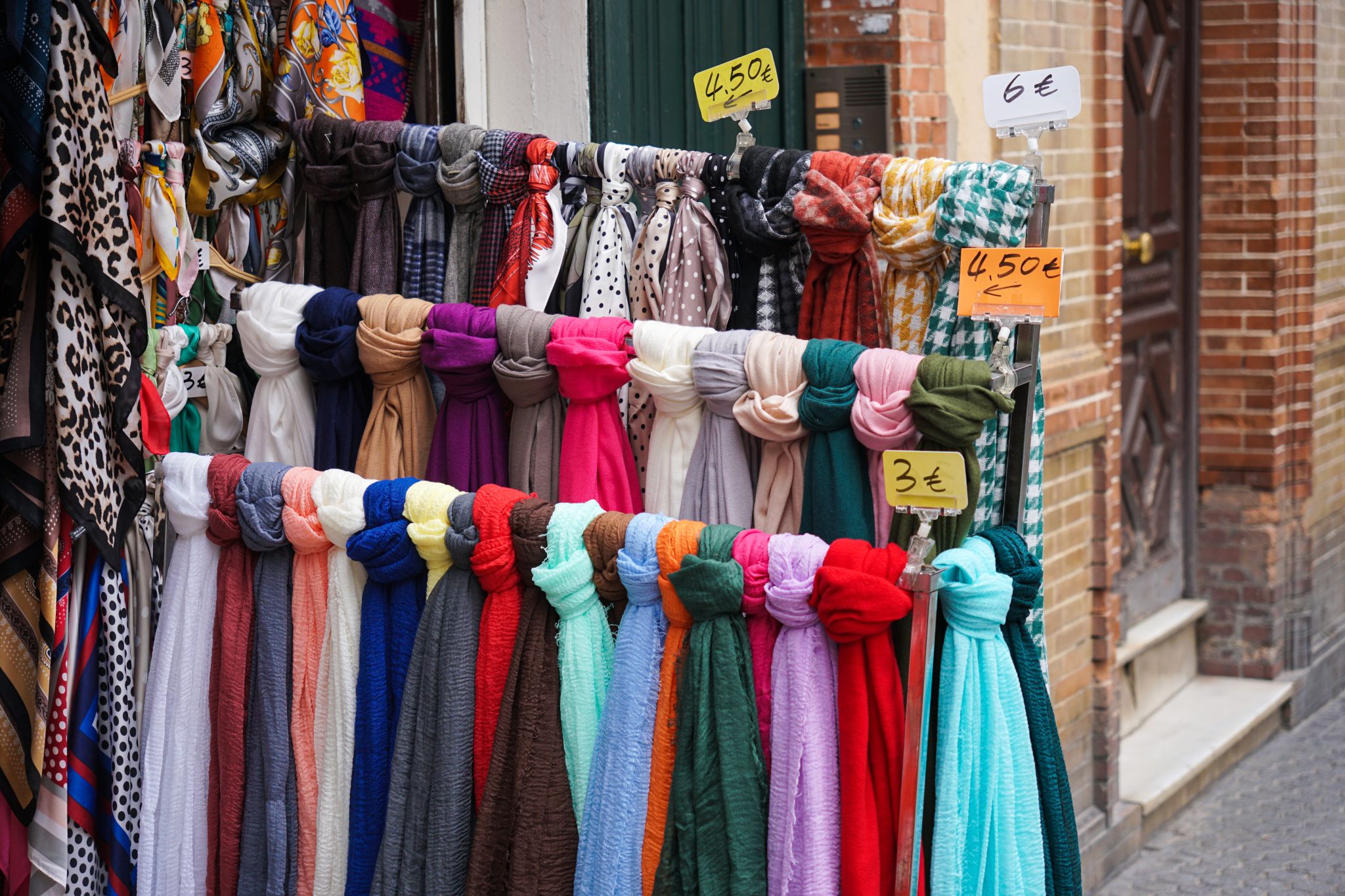
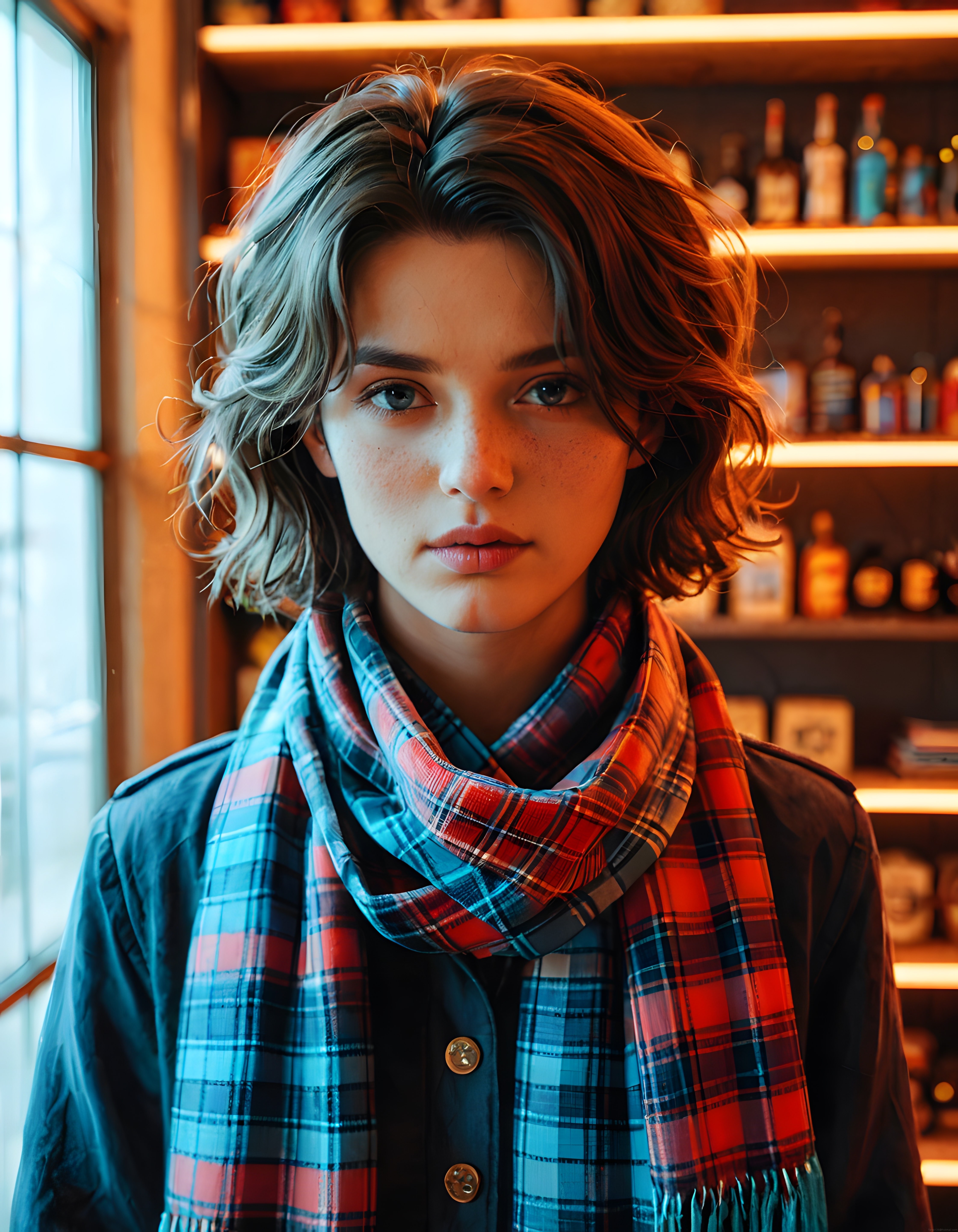
Çekim Tablosu
Belirtme (-i)atkıyı
Yönelme (-e)atkıya
Bulunma (-de)atkıda
Çıkma (-den)atkıdan
Tamlayan (-in)atkının
Çoğul (-ler)atkılar
Tanım
•Bazı kadın ayakkabılarında ve çocuk patiklerinde ayağın üstünden geçen, yandan iliklenen ince uzun parça.
•Büyük yaba.
•Dokuma tezgâhlarında mekikle enine atılan iplik; argaç.
•Kapı ve pencerelerin yapımında üst tarafa konan ağaç, taş veya beton destek; üst eşik.
•kaşkol
•Soğuğa karşı omuzlara, başa, sırta veya boyna alınan örtü; bürgü.
•Büyük yaba
•Kapı ve pencerelerin yapımında üst tarafa konan ağaç, taş veya beton destek; üst eşik
Diğer Dillerde
AlmancaBraut, Dreharbeiten beenden, Drehschluss, einhüllen, einpacken, einwickeln (dişil)
inflection of brauen: · second-person plural present · plural imperative
çekim: çoğul Bräute · tamlayan Bräute
eş: Verlobte, Zukünftige, Geliebte, Flamme
zıt: Bräutigam
köken: From Middle High German brūt, from Old High German brūt (akin to Old Saxon brūd), from Proto-West Germanic *brūdi, from Proto-Germanic *brūdiz. Compare Dutch bruid, English bride, Danish brud.
aile: Braut-, Braut-und-Bräutigam-Pflanze, Brautausstattung, Brautaussteuer, Brautauto, Brautbad, Brautbett, Brautbouquet, Brautbukett, Brauteltern
Ich trage einen Schal. — Atkım da var.
Fransızcacrêpe, écharpe, emballer, enrouler, envelopper, foulard (eril) /kʁɛp/
crepe · black veil
çekim: çoğul crêpes
köken: Substantivisation of Old French crespe, from Latin crispus, from Proto-Indo-European *(s)ker-.
aile: crêperie, crêpe de Chine, crêpe Suzette, gâteau mille crêpes
Je porte une écharpe. — Atkım da var.
İspanyolcaburrito, chal, envolver, fajar, mantilla, novia (eril) /buˈrito/
diminutive of burro (“donkey”) · burrito · Aloysia polystachya
çekim: çoğul burritos
köken: From burro + -ito.
aile: burrito negruzco
John Atkinson — John Atkinson
İtalyancaavviluppare, avvolgere, cappotto, fidanzata, impacchettare, incartare /av.vi.lupˈpa.re/
to wrap, to wind (a rope, etc.) · to wrap up (a ball of yarn, etc.) (usually chaotically) · to confuse, to entangle, to deceive
çekim: geçmiş avviluppàto · ortaç avviluppàto · şimdiki avvilùppa · ulaç avviluppànte
eş: ingarbugliare, intricare, ingarbugliare, imbrogliare, confondere, (del fuoco
köken: From a- + viluppo + -are.
aile: avviluppamento, avvilupparsi, avviluppatura, ravviluppare
John Atkinson — John Atkinson
scarf, muffler
eş: шарф
köken: Borrowed from French cache-nez.
John Atkinson — John Atkinson
Arapçaعَرُوس, غَلَّفَ, لَفَّ
أتكينسونCity in Nebraska USA — AtkinsonCity in Nebraska USA
Farsçaبستهبندی کردن, پیچیدن /peː.ˈt͡ʃiː.dan/
to twist · to wrap; to roll up · to turn
çekim: geçmiş پیچید · ortaç پیچیده · şimdiki میپیچد · ulaç پیچنده
köken: Inherited from Middle Persian [script needed] (pycytn' /pēčīdan/, “to twist, entwine”), which is perhaps cognate with Sanskrit पिचति (picati, “to curve, contract”).
aile: پیچِیدَه
بپیچِین به راست.
to fold · to wrap · to roll (e.g. a cigarette)
çekim: geçmiş bükmüş · ortaç bükmüş · şimdiki bükür
köken: From Proto-Turkic *bük-.
köynəyi bükmək
kağızı bükmək
hədiyyəni kağıza bükmək
Kazakçaқалыңдық /qɑləŋdəq/
bride
çekim: çoğul қалыңдықтар · tamlayan қалыңдықтың
köken: қалың (qalyñ) + -дық (-dyq)
Özbekçekelin /kɛ.lɪn/
daughter-in-law · bride
çekim: çoğul kelinlar · tamlayan kelinning
köken: From Proto-Turkic *kẹlin (“bride, daughter-in-law”). By surface analysis, kel- (“to come”) + -in.
Tatarcaкәләш
Felemenkçesjaal, das
Is je sjaal uit zijde? — - Atkın ipek değil mi?
Portekizceembalar, embrulhar, empacotar, noiva /ẽ.baˈla(ʁ)/
to rock (move gently back and forth) · to lull (to soothe a baby into sleep) · to accelerate (to cause to move faster)
çekim: geçmiş embalei · ortaç embalado · şimdiki embala
köken: Uncertain. Possibilities include: * From abalar. * From Late Latin ballāre (“to play, dance”), prefixed with em-.
aile: canção de embalar
John Atkinson — John Atkinson
bride · daughter-in-law (the wife of someone's son) · sister-in-law (the wife of someone's brother)
çekim: çoğul νύφες · tamlayan νύφης
köken: From Byzantine Greek νύφη (núphē), from Ancient Greek νύμφη (númphē, “bride”).
John Atkinson — John Atkinson
to wrap · to pack · to do up
çekim: geçmiş 包んだ
aile: 包み, 包み紙
針に糸を通せる。 — Boynuna atkı bağlanabilir.
光に包まれる
father, priest
eş: 새색시
köken: Sino-Korean word from 神父 (“priest”)
AtkinsonCity in Nebraska USA — AtkinsonCity in Nebraska USA
İsveççeemballera, klä in, linda in, paketera, rulle, sjal
to package, to pack · to package (present a certain way)
çekim: geçmiş paketerade · ortaç paketerad · ulaç paketerande
köken: paket + -era
John Atkinson — John Atkinson
Lehçemłoda, niewiasta, oblubienica, opakowanie, panna młoda, szal /ˈmwɔ.da/
feminine nominative/vocative singular of młody
çekim: çoğul młode · tamlayan młodej
eş: panna młoda, pani młoda, oblubienica, reg. śl. niewiasta
köken: Etymology tree Proto-Indo-European *(s)meld-der. Proto-Balto-Slavic *maldás Proto-Slavic *mȏldъ Old Polish młody Polish młody Proto-Indo-European *-h₂ Proto-Indo-European *-éh₂ Proto-Balto-Slavic *-āˀ Proto-Slavic *-a Old Polish -a Polish -a Polish młoda From młody + -a.
John Atkinson — John Atkinson
Ukraynacaзаверну́ти, завертат́и, зару́чена, молода́, наре́чена, неві́ста
John Atkinson — John Atkinson
wrapper, wrapping (something that is wrapped around something else as a cover or protection) · dressing, bandage (material applied by wrapping around a wound or injury)
çekim: çoğul kääreet · tamlayan kääreen
köken: kääriä + -e
aile: käärehoito, käärelanka, käärepaperi, kääresyltty, kääretorttu, käärevelkakirja, rannekääre
Kaulassa nahka roikkuu. — Boynuna atkı bağlanabilir.
bride
çekim: çoğul nevěsty · tamlayan nevěsty
eş: nevěstinka
zıt: ženich
köken: Inherited from Old Czech nevěsta, from Proto-Slavic *nevěsta.
aile: nevěstin, nevěstinec, nevěstka
John Atkinson — John Atkinson
Nevěsta se závojem.
Rumenceîmpacheta, înfășura, mireasă, nevastă, șal, veșmânt înfășurător /ɨm.pa.keˈta/
to pack, to wrap
çekim: geçmiş împachetat · ortaç împachetat · şimdiki împachetează
köken: From în- + pachet + -a.
aile: împachetare
John Atkinson — John Atkinson
Macarcaara, becsomagol, menyasszony /ˈɒrɒ/
bride
çekim: çoğul arák
köken: From Proto-Ugric *arɜ (“maternal relative”, “mother’s (younger) brother”), probably a Proto-Iranian borrowing, compare Avestan 𐬠𐬭𐬁𐬙𐬀𐬭 (brātar), Ossetian ӕрвадӕ (ærvadæ, “brother”). The ending -a in Hungarian may be a diminutive or a third-person singular possessive suffix. It gained its current meaning during the Hungarian language reform, which took place in the 18th–19th centuries.
Sál van rajtam. — Atkım da var.
large city, metropolis · metropolitan area
çekim: çoğul כְּרַכִּים
eş: מטרופולין
köken: Derived from Demotic Egyptian grg. Compare Coptic ϭⲉⲣϭⲏ (čerčē).
אני חובש כובע. אני לובש צעיף. — Bir şapka takıyorum. Atkım da var.
to roll to or upon something · to roll about, wrap up, envelop, involve; cover, overwhelm; curl, coil up; veil · to involve or devote oneself to something
çekim: ortaç involūtus · şimdiki involvit · ulaç involvēns
köken: Etymology tree Proto-Indo-European *h₁én Proto-Italic *en Proto-Italic *en- Latin in- Proto-Indo-European *welH-der. Proto-Italic *wolwō Latin volvō Latin involvō From in- (“in, at, on”) + volvō (“roll”).
aile: circuminvolvō, involūcrum, involūmen, involūmentum, involūtē, involūtiō, involūtō, involūtus, involvulus
Dancabrud, pakke ind /ˈb̥ʁuˀð/
bride
çekim: çoğul brude · tamlayan bruds
köken: From Old Norse brúðr (“bride”), from Proto-Germanic *brūdiz, cognate with English bride and German Braut.
aile: brudtøjning
John Atkinson — John Atkinson
Endonezcebalut, bungkus, pengantin, pengantin perempuan /ˈba.lʊt̪/
wrapper, wrapping · bandage: a strip of gauze or similar material used to protect or support a wound or injury · balut: Asian street food consisting of a developing duck embryo boiled alive and eaten in the shell
çekim: çoğul balut-balut
köken: Inherited from Malay balut, from Proto-Malayo-Polynesian *balut₂ (“roll or wrap something up”), from Proto-Austronesian *balut₁ (“mix”).
aile: balutan, berbalut, membalut, membalutkan, pembalut, pembalutan, terbalut, balut kuku
Saya memakai topi, memakai syal. — Bir şapka takıyorum. Atkım da var.
Deyimler
Eş & Zıt Anlamlılar
Eş anlamlılar
Örnek Cümleler
Atkım mavi.
My scarf is blue.
Atkım da var.
I'm wearing a scarf.
John Atkinson
John Atkinson
Atkımı unuttum.
I forgot my scarf.
Bu atkıyı takın.
Put this shawl on.
Kate Atkinson (d.
Kate Atkinson (born 28 June 1972)[1] is an Australian film, television and theatre actress.
Atkını beğeniyorum.
I like your scarf.
Bu atkıyı boynuna koy.
Put this scarf around your neck.
Mavi bir atkın var mı?
Do you have a blue scarf?
- Atkın ipek değil mi?
- Your scarf is of silk?
Tom'un ipek bir atkısı var.
Tom has a silk scarf.
AtkinsonCity in Nebraska USA
Atkinson
İlgili Sorular
atkılama TDK sözlük anlamı
atkins Türkçesi nedir?
atkin ne demek?
atkılama kelime kökeni
Fantasy beyzbol takımımda hangi değişiklikleri yapmalıyım? 12 takımlı roto liginde şu oyuncular var: C. Benjie Molina (1B), Paul Konerko (2B), Joge Cantu (3B), Adrian Beltre (SS), Miguel Tejada (OF), Jermaine Dye (OF), Torii Hunter (OF), Jim Edmonds (UTL), Mark Loretta (SP), Pedro Martinez (SP), Josh Beckett (SP), Rodrigo Lopez (SP), Chien‑Ming Wang (SP), Ervan Santana (SP), Jarrod Washburn (SP), Tom Glavine (SP), C.C. Sabathia (RP), Derrick Turnbow (RP), Dave Weathers (RP); yedekler: Brad Wilkerson, Garrett Atkins, Shannon Stewart. C.C. Sabathia DL'de. Tavsiyeleriniz nelerdir?