Sözlük
/arazi
arazi
/a.raːˈzi/
noun
B2 seviye
TR → EN
"arazi" kelimesinin İngilizcesi: land, ground, acre, domain, property. Anlamı, çevirisi, telaffuzu ve örnek cümleler aşağıdadır.
Çeviri
Genellandnoun
Genelgroundnoun
Genelacre
Geneldomain
Genelproperty
Genelterrain
Genelterritory
Görsel
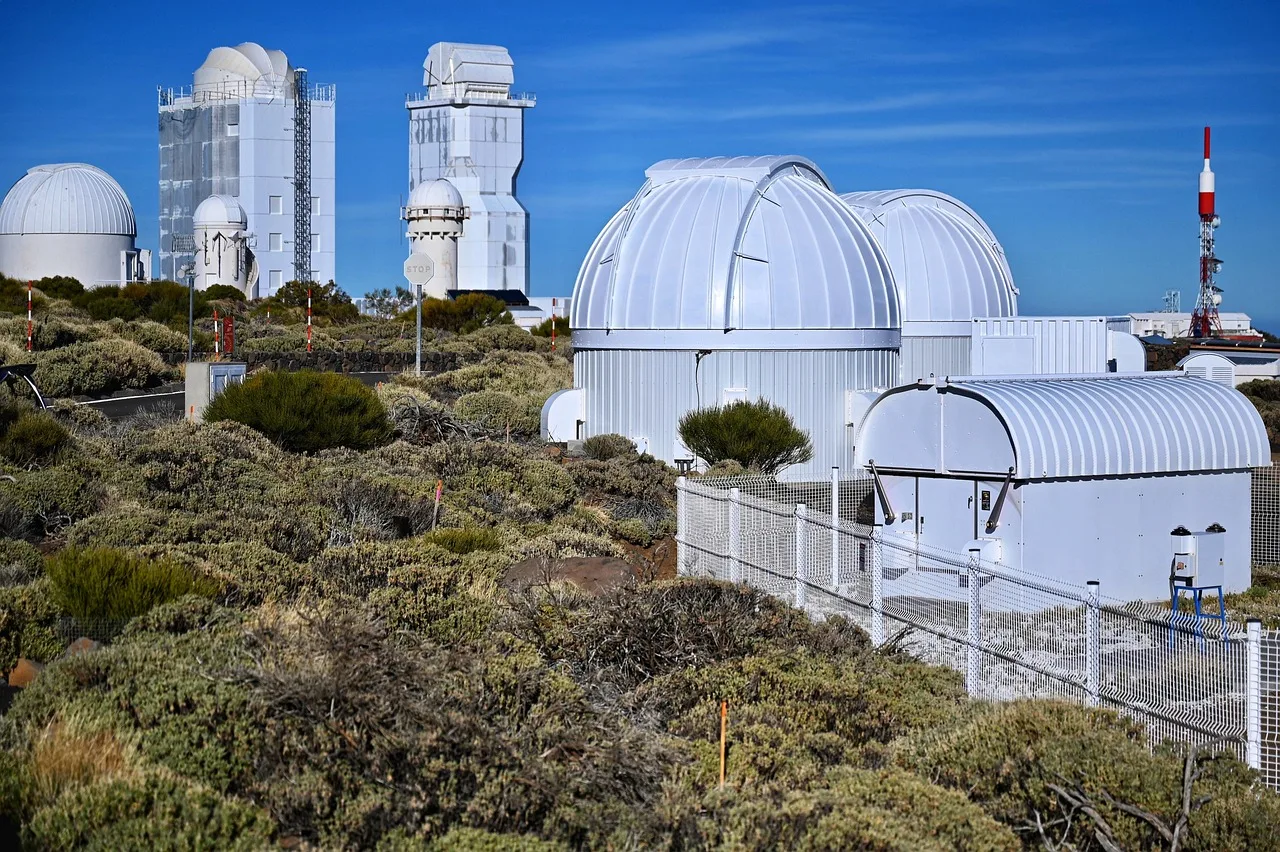
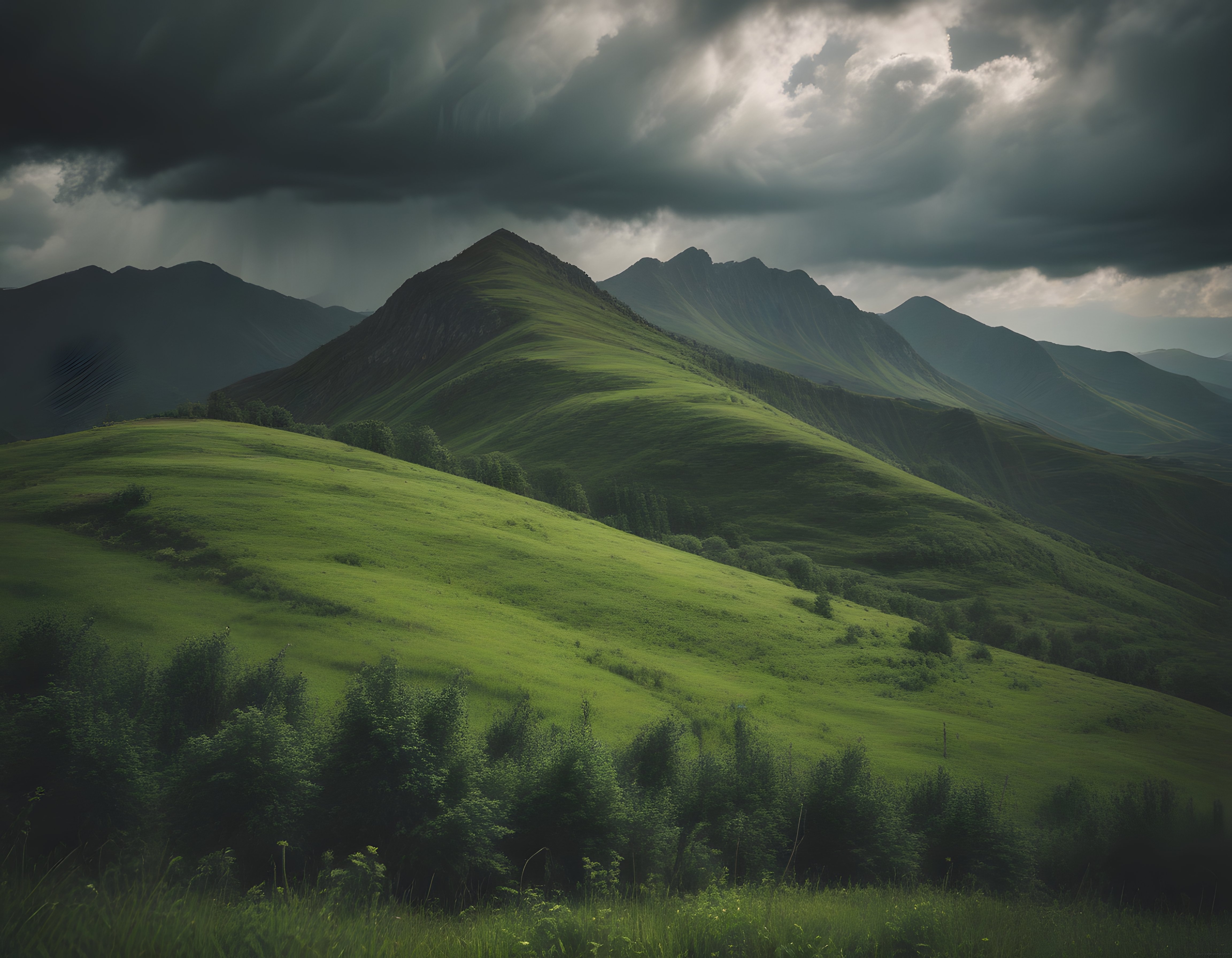

Çekim Tablosu
Belirtme (-i)araziyi
Yönelme (-e)araziye
Bulunma (-de)arazide
Çıkma (-den)araziden
Tamlayan (-in)arazinin
Çoğul (-ler)araziler
Tanım
•isim, coğrafya: Yeryüzü parçası; yerey, toprak
•yer
Diğer Dillerde
Almancagebiet, gelände, territorium (nötr) /ɡəˈbiːt/
area, region · territory · a set with certain properties:
çekim: çoğul Gebiete · tamlayan Gebietes
eş: Aktionsradius, Areal, Bereich, Bezirk, Fläche, Raum
zıt: Bereich, abgeschlossenes Gebiet oxymoronically)
köken: From Middle High German gebiet, gebiete (“jurisdiction; area of command”), from gebieten (“to command”). Compare Dutch gebied.
aile: gebietsweise
Das ist die Gegend. — Bu arazimiz.
Viele Bewohner hatten das bedrohte Gebiet verlassen müssen.
Das vereinte Deutschland wird die Gebiete der Bundesrepublik Deutschland, der Deutschen Demokratischen Republik und ganz Berlins umfassen.
Fransızcaaborder, atterrir, clouer au sol, contrée, fond, fondation /a.bɔʁ.de/
to deal with; to tackle; to approach a problem, situation or topic · to approach or meet somebody · to place side to side
çekim: geçmiş abordé · ortaç abordé · şimdiki aborde · ulaç abordant
eş: accoster, heurter
köken: From a- + bord + -er.
Voici le site. — Bu arazimiz.
infinitive of acotejar combined with se
Este es el lugar. — Bu arazimiz.
İtalyancaappezzamento, atterrare, campo, dintorni, distesa, fondamenta (eril)
piece or plot (of land)
çekim: çoğul appezzamenti
eş: area, campo, estensione, fondo, parte, podere
köken: From appezzare + -mento.
Questo è il sito. — Bu arazimiz.
Rusçaместность; земля
Вот место стройки. — Bu arazimiz.
Arapçaأَرْض, بَرّ, بِلَاد, بَلَد, مَلْعَب كُرَة قَدَم, هَبَطَ
هذا هو الموقع. — Bu arazimiz.
Azericedib, döymə, enmək, evdən çıxmağı qadağan etmək, evdən çıxmaq qadağan etmək, evdən çıxmasını qadağan etmək
bottom · root, base · lower part
çekim: çoğul diblər · tamlayan dibin
köken: From Proto-Turkic *tǖp.
dənizin dibində
gölün dibində
çayın dibində
Felemenkçegrondgebied (nötr) /ˈɣrɔnt.xəˌbit/
territory (of a country, jurisdiction, etc.)
çekim: çoğul grondgebieden
köken: Compound of grond (“ground, soil”) + gebied (“territory, region”).
Dit is de site. — Bu arazimiz.
Portekizceaterramento, aterrissar, chão, deixar de castigo, desembarcar, fundo
tipo de instalação de elétrica de segurança em que a rede elétrica é conectada à terra para que se neutralize possíveis problemas de curto circuito, descargas elétricas, etc.
Terreno Rochoso — Kayalık Arazi
ground, milled, powdered
zıt: άλεστος
Αυτή είναι η περιοχή. — Bu arazimiz.
πιπέρι αλεσμένο
real estate
köken: Coined by Mitsukuri Rinsho as a translation of French immobilier.
aile: 不動産屋
通常は緑地には建てないのですが 建設予定になっていたので — Bu arazimiz.
political state, nation, country, polity
köken: Sino-Korean word from 國家, from 國 (“country”) + 家 (“house”)
이게 그 현장입니다. — Bu arazimiz.
국가가 끝나면 청중들을 착석하게 하고서는 첫번째 연설자를 소개해 주세요.
İsveççebacke, bakgrund, belägga med flygförbud, föra i land, fosterland, ge husarrest
a hill (portion of a road or other path sloping lengthwise – compare kulle (“hill (elevated landmass)”)) · a slope, an incline (part of the ground that slopes – see also the usage notes for sluttning) · slopes (idiomatically, sometimes, in the context of ski slopes)
çekim: çoğul backar · tamlayan backes
köken: From Old Norse bakki (“bank”), from Proto-Germanic *bankô.
aile: galgbacke, kunna slå sig i backen på, nedförsbacke, på landbacken, skidbacke, stå som spön i backen, uppförsbacke
Klippig terräng — Kayalık Arazi
Det är jobbigt att cykla uppför den branta backen
backen på sidan av kullen
en dag i backen
base, basis (foundation or location) · basis (linearly independent set of vectors spanning the whole vector space) · base (set of sets from which a topology is derived)
çekim: çoğul bazy · tamlayan bazy
eş: fort
köken: Etymology tree Proto-Indo-European *gʷem- Proto-Indo-European *-tis Proto-Indo-European *gʷémtis Proto-Hellenic *gʷə́tis Ancient Greek βᾰ́σῐς (bắsĭs)bor. Latin basis Old French base French basebor. Polish baza Borrowed from French base. First attested in 1683.
To jest plac budowy. — Bu arazimiz.
Ukraynacaґрунт, краї́на, ме́лений, приземли́тися, приземля́тися /ɡrunt/
soil, ground, bottom · allotment land · ground, basis, foundation
çekim: çoğul ґрунти́ · tamlayan ґру́нту
köken: Inherited from Old Ruthenian кгрунтъ (grunt), ґрунтъ (grunt), from Middle High German grunt.
Кам' яниста територія — Kayalık Arazi
to get down · to descend, dismount · to land (a plane)
çekim: geçmiş उतरता · şimdiki उतरता है
köken: Hindi verb set उतरना (utarnā) उतारना (utārnā) उतरवाना (utarvānā) Etymology tree Proto-Indo-European *úd Proto-Indo-Iranian *ud- Sanskrit उद्- (ud-) Proto-Indo-European *terh₂- Proto-Indo-European *-eti Proto-Indo-European *térh₂eti Proto-Indo-Iranian *tárHati Sanskrit तर॑ति (tárati) Sanskrit उत्त॑रति (úttarati) Prakrit 𑀉𑀢𑁆𑀢𑀭𑀇 (uttaraï) Hindi उतरना Inherited from Prakrit 𑀉𑀢𑁆𑀢𑀭𑀇 (uttaraï), from…
अपने घोड़े से उतरो और मेरे साथ आओ।
सीढ़ियाँ उतरना
लगता है कि मुझे बुख़ार उतर गया है।
Finceasettua, hankkia itselleen, harja, jalkapallostadion, jauhettu, johdinkuvio /ˈɑsetːuɑˣ/
to take up a position, take a stand/stance · to settle down (to begin to live somewhere) · to settle (assume a more or less permanent position)
çekim: geçmiş asettunut · şimdiki asettuu · ulaç asettuva
köken: asettaa + -ua (passive aspect)
aile: asettuma, asettuminen
Kivinen maasto — Kayalık Arazi
bottom (the lowest part)
çekim: çoğul dna · tamlayan dna
eş: spodina, odpad, vyvrhelové, bahno
zıt: vršek, hladina
köken: Inherited from Old Czech dno, from Proto-Slavic *dъno, *dъbno (“bottom”), which is probably from Proto-Indo-European *dʰewb-. Cognates include Lithuanian dùgnas (“bottom”), Latvian dubens (“bottom”), German Tief (“deep”) and English deep. Transposition from Proto-Indo-European *bʰewdʰ- to *dʰewbʰ- is also possible. Cognates derived from *bʰewdʰ- include German Boden, Latin fundus (compare Czech…
aile: bezedný, dnový, dénko, dýnko, oddenek
Tohle je to místo. — Bu arazimiz.
Rumenceateriza, împământare, pământ, pământ (arabil), țară, teren
to land (a plane)
çekim: geçmiş aterizat · ortaç aterizat · şimdiki aterizează
köken: From a- + Terra + -iza. Calque of French atterrir.
Acesta este terenul. — Bu arazimiz.
Macarcaalap, büntetésből eltilt, büntetést ad, darált, eltilt, felszállást letilt /ˈɒlɒp/
base, foundation · (on a…) basis, (on the) basis (of…), (on the) grounds (of…), (by the) token (of…), (as a) matter (of…), (by) reason (of…), (at a/the/that) rate (that…)
çekim: çoğul alapok
köken: From al (“lower part”) + -p (hypothetical nominal-forming suffix; obsolete). Created during the Hungarian language reform, which took place in the 18th–19th centuries.
aile: alapít, alapos, alapoz, alapszik, alaptalan, alapul, alapzat, alapalak, alapanyag, alapbér
Dimbek- dombok — Kayalık Arazi
to go or come out or forth; march or step out · to disembark, land · to ascend, mount
çekim: ortaç ēgressus · şimdiki ēgreditur · ulaç ēgrediēns
zıt: intro, ingredior, accedo, introeo, ineo, immigrō
köken: Etymology tree Proto-Indo-European *h₁éǵʰ Proto-Indo-European *-s Proto-Indo-European *h₁éǵʰs Proto-Italic *eks Latin ex Latin ex- Proto-Indo-European *gʰredʰ-der. Latin gradior Latin ēgredior From ex- (“out of”) + gradior (“to step”).
aile: ēgressiō, ēgressus
shallow
çekim: çoğul grunde · tamlayan grunds
köken: From Old Norse grunnr (“shallow”).
Dette er stedet. — Bu arazimiz.
Jeg har købt en grund på 200 kvm.
grundlov (“constitution”)
Norveççebakke
Australske hovedterritorier — Avusturalya Ana Arazisi
Earth
çekim: çoğul bumi-bumi
köken: From Malay bumi, from Old Malay bhūmi, from Sanskrit भूमि (bhūmi).
aile: kebumian, kebumikan, membumi, membumikan, mengebumikan
Pemandangannya sungguh luar biasa. — Arazi müthişti.
Vietnamcađất, hạ cánh, quốc gia, tổ quốc /ʔɗət̚˧˦/
earth; soil; dirt · land
köken: From Proto-Vietic *tət. Cognate with Tho [Cuối Chăm] tʌt⁷. Attested as đất in the Dictionarium Annamiticum Lusitanum et Latinum (1651). The set comprised of Bahnar teh, Pacoh cuteq, Khmu pteʔ, Mang teː⁶, Mon တိ (tɔeˀ), Khmer ដី (dəy), etc. are most likely lookalikes, since Vietic has a *-t that cannot be reconciled with the rest.
aile: bám đất, cạp đất mà ăn, cua đất, đất cát, đất chật người đông, đất có lề quê có thói, đất đá, đất đai, đất khách quê người, đất lành chim đậu
Và việc đấy tốn rất nhiều diện tích. — Çok büyük bir arazi.
Ôi đất Việt yêu dấu ngàn năm!
Bulgarcaдебарки́рам, дъ́но, заземя́ване, земя, земя́, позе́млена со́бственост (dişil) /zɛˈmʲa̟/
earth, ground, humus; (collectively) terrain · land, territory (area of land) · land, realm (land associated with a given state)
çekim: çoğul земи́
köken: From Proto-Slavic *zemľa, from Proto-Balto-Slavic *źémijāˀ, from Proto-Indo-European *dʰéǵʰōm.
aile: Земя́
Това е мястото. — Bu arazimiz.
буца земя
плодородна земя
сушава земя
landscape · county, region
köken: Etymology tree Proto-Indo-European *krey- Proto-Indo-European *kreh₁y- Proto-Indo-European *kroh₁y- Proto-Indo-European *kroyh₁- Proto-Indo-European *kroyh₁-eye-ti Proto-Balto-Slavic *krájīˀtei Proto-Slavic *krojiti? Proto-Indo-European *krey-der.? Proto-Slavic *krajь Proto-Indo-European *-iHneh Proto-Balto-Slavic *-īˀnāˀder. Proto-Slavic *-ina Proto-Slavic *krajina Slovak krajina Inherited from…
Hornatý terén — Kayalık Arazi
Etimoloji
Arapça
Deyimler
Eş & Zıt Anlamlılar
Örnek Cümleler
Bu arazimiz.
This is the site.
Kayalık Arazi
Rocky Terrain
Konum ve arazi
Location and landscape
Arazi Alımları
Land purchases
Arazi müthişti.
The landscape is incredible.
Bu arazi ona ait.
This land belongs to him.
Bu kimin arazisi?
Whose land is this?
Su araziyi sular.
Water irrigates the land.
Arazi ve koşullar
Terrain and conditions
Bu arazi bize ait.
This land belongs to us.
Bu arazi bana ait.
This land belongs to me.
Tom araziyi bilir.
Tom knows the territory.
İlgili Sorular
İlgili / Bileşik Terimler
Genellandowner
Birleşik Kelimeler
arazi aracıarazi otomobiliarazi taramasıarazi yarışıengebeli arazivakıf arazisi