Sözlük
/mezar
mezar
"mezar" kelimesinin İngilizcesi: grave, tomb, burying, grave, sepulcher , (ýng.) chre. Anlamı, çevirisi, telaffuzu ve örnek cümleler aşağıdadır.
Çeviri
Genelgravenoun
Geneltomb
Genelburying
Genelgrave
Genelsepulcher , (ýng.) chre
Genelmausoleum
Geneltomb
Genelgrave
Genelgrave
Genelmausoleum
Geneltomb
Görsel

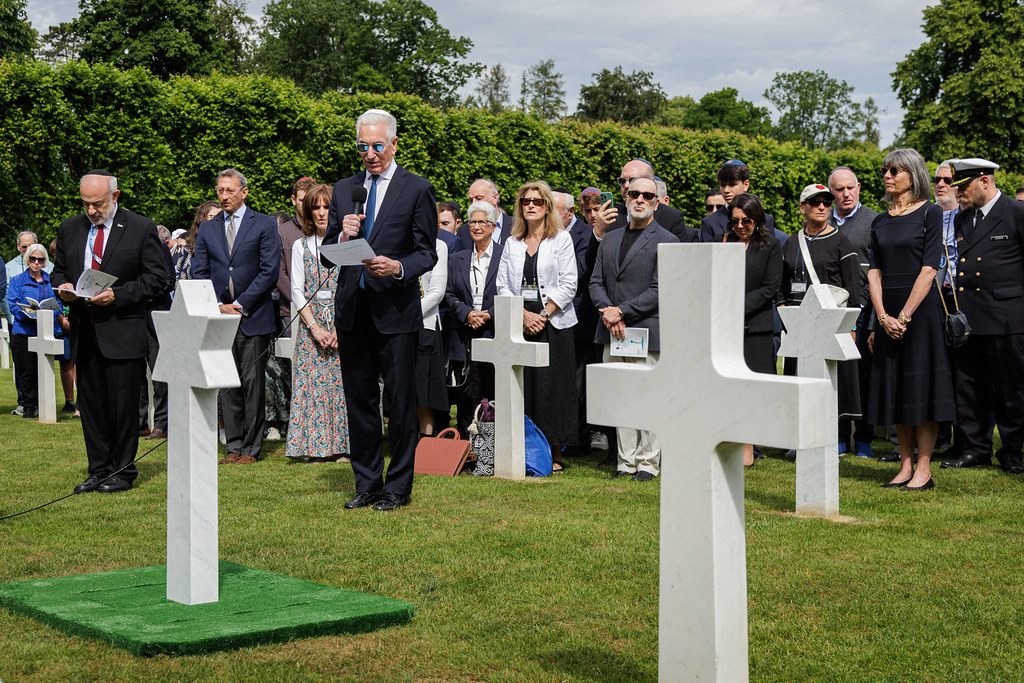
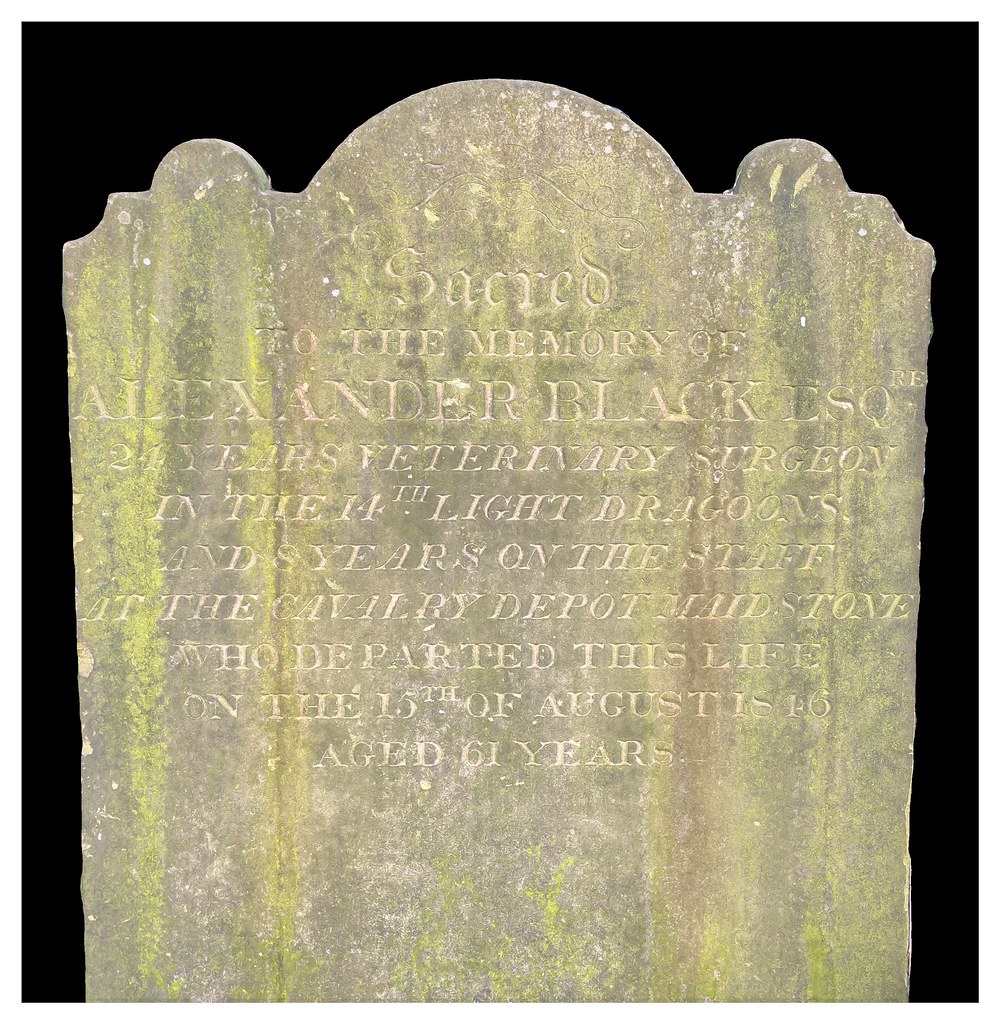
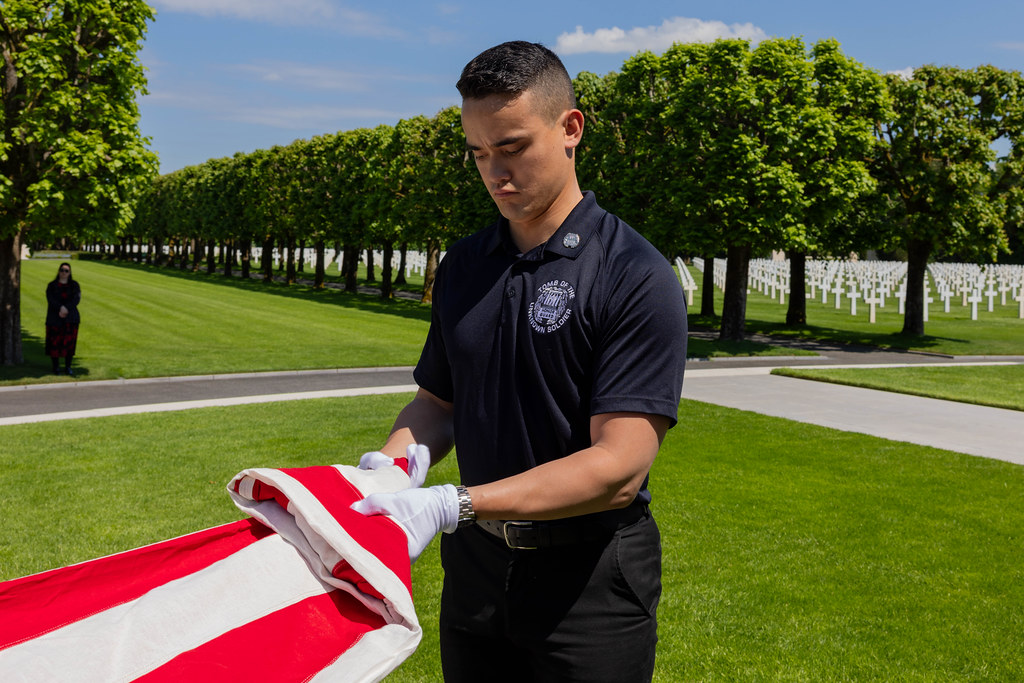
Çekim Tablosu
Belirtme (-i)mezarı
Yönelme (-e)mezara
Bulunma (-de)mezarda
Çıkma (-den)mezardan
Tamlayan (-in)mezarın
Çoğul (-ler)mezarlar
Tanım
•isim: Ölünün gömülü olduğu yer; çukur, kara toprak, kara yer, gömüt, kabir, sin (I), ebedî istirahatgâh, makber, metfen
Atasözü & Deyim
“Faydasız baş mezara yaraşır”
“Mezar taşı ile övünülmez”
“Rahat ararsan mezarda”
“Tok iken yemek yiyen, mezarını dişiyle kazar”
Diğer Dillerde
Almancagrab (nötr) /ɡʁaːp/
grave · tomb
çekim: çoğul Gräber · tamlayan Grabes
köken: From Middle High German grap, from Old High German grap, from Proto-West Germanic *grab, from Proto-Germanic *grabą, *grabō (“grave, trench, ditch”), from Proto-Indo-European *gʰrābʰ- (“to dig, scratch, scrape”). Related to graben (“to dig”). Compare Low German Graf, Graff, Dutch graf, English grave, Danish grav, Icelandic gröf, Serbo-Croatian grȍb (“grave”) and grȏblje (“graveyard, cemetery”),…
aile: Grabbeigabe, Grabeskirche, Grabesritter, Grabesstille, Grabhügel, Grabkammer, Grabmal, Grabrede, Grabstätte, Grabstein
Es gibt einen Friedhof. — Mezarlık vardır.
Fransızcamausolée, Mausolée (eril)
mausoleum
çekim: çoğul mausolées
Préparation des tombes. — Mezarlar açıldı.
İspanyolcaapremiante, bajo, esculpir, fosa, grabar, grave /apɾeˈmjante/
urgent, pressing
köken: From apremiar + -ante.
Las tumbas se abren. — Mezarlar açıldı.
İtalyancafossa, imprimere, intagliare, opprimente, scolpire, solenne (dişil) /ˈfɔs.sa/
pit, hole · grave · fossa
çekim: çoğul fosse
eş: buca, cavità, fossato, fosso, scavo, incavo
köken: From Latin fossa.
aile: affossare, formaggio di fossa, fossa comune, fossetta, infossare
Voce principale: Sepultura. — URL: Mezarı
Rusçaмогила (dişil) /mɐˈɡʲiɫə/
grave
çekim: çoğul моги́лы · tamlayan моги́лы
eş: вековой дом, кончина, гибель
köken: Inherited from Proto-Slavic *mogyla (“sepulchral cairn”).
aile: замоги́льный, могилиза́ция, моги́льник, моги́льщик, бра́тская моги́ла, на краю́ моги́лы, одно́й ного́й в моги́ле, Proverbs, горба́того моги́ла испра́вит
Могилы у него нет. — Mezarı yok.
своди́ть/свести́ кого́-либо в моги́лу
to bury, to entomb · to keep confined, to lock up (someone)
çekim: geçmiş قَبَرْتُ
köken: Compare Hebrew קָבַר (qāḇar) and Ge'ez ቀበረ (ḳäbärä, “to bury”).
عذاب القبر. — Onun mezarı.
Farsçaگور /ˈɡoːr/
grave, tomb · desert
köken: Etymology tree Middle Persian [script needed] (gpl /gabr/) Persian گور Inherited from Middle Persian [Book Pahlavi needed] (gpl /gabr/), [script needed] (gwbl /gabr/, “hollow, cavity, womb”). Akin to Manichaean Middle Persian [script needed] (gbr /gabr/).
aile: گور بابات, گورستان, گورکن
بهرام که گور میگرفتی همه عمر دیدی که چگونه گور بهرام گرفت؟
mausoleum
çekim: çoğul məqbərələr · tamlayan məqbərəın
köken: From Arabic مَقْبَرَة (maqbara).
blind
çekim: çoğul көрлер · tamlayan көрдің
köken: Derived from Persian کور (kur).
grave, tomb
çekim: çoğul qabrlar
köken: Borrowed from Arabic قَبْر (qabr).
Felemenkçegraf (nötr) /ɣrɑf/
grave
çekim: çoğul graven
köken: From Middle Dutch graf, from Old Dutch graf, from Proto-Germanic *grabą, *grabō (“grave, trench, ditch”).
aile: familiegraf, grafgift, graflucht, grafmongool, grafsteen, graftak, massagraf
Hij heeft geen graf. — Mezarı yok.
hole, hollow, cavity · cavern · grave
çekim: çoğul covas
köken: From Old Galician-Portuguese cova, from Vulgar Latin *cova, from covus, alternative form of Latin cavus (or from a variant of Late Latin cava, from cavum, cavus), from Proto-Indo-European *ḱówHwos (“cavity”). Compare Spanish cueva.
aile: coveiro
Não tem capela. — Mezarı yok.
Yunancaβαρύς, ταφικό μνημείο, τάφος /vaˈɾis/
heavy, weighty · harsh, strong
çekim: karşılaştırma βαρύτερος · üstünlük βαρύτερος
köken: From Ancient Greek βαρύς (barús), from Proto-Hellenic *gʷarus, from Proto-Indo-European *gʷréh₂us.
bass (pitch)
zıt: 高音
aile: 低音吉他, 低音單簧管, 低音单簧管, 低音大提琴, 低音提琴, 低音管, 低音號, 低音号, 低音阮, 低音革胡
Korece무덤 /mudʌ̹m/
grave; tomb
eş: 구묘, 구분, 구총, 만년유택, 묘지, 분묘
köken: First attested in the Seokbo sangjeol (釋譜詳節 / 석보상절), 1447, as Middle Korean 무덤〮 (Yale: mwùtém).
İsveççegrift
a grave
çekim: çoğul grifter · tamlayan grifts
köken: Inherited from Old Swedish gript f, gripter m. Either a verbal noun related to gräva, or influenced by Latin crypta. Compare origin of krypta, kryptisk, krypto, grotta, grotesk, grav, gräva, gruva.
aile: griftefrid, griftetal, gånggrift
Inga gravgåvor. — Mezarı yok.
Lehçegrób, grobowiec, mogiła, poważny (eril) /ˈɡrup/
grave · tomb (burial place)
çekim: çoğul groby · tamlayan grobu
köken: Etymology tree Proto-Indo-European *gʰrebʰ- Proto-Balto-Slavic *grebtei Proto-Slavic *gretì Proto-Slavic *grobъ Old Polish grób Polish grób Inherited from Old Polish grób.
aile: grobowy, nagrobny, pozagrobowy, nagrobek, położyć się do grobu, kłaść się do grobu
GROBONET - wyszukiwarka grobów — URL: Mezarı
Ukraynacaгріб, гробни́ця /ɦrʲib/
grave · coffin
çekim: çoğul гро́би · tamlayan гро́бу
köken: From Old East Slavic гробъ (grobŭ), from Proto-Slavic *grobъ.
aile: гроба́р, гро́бик, гро́бити, гробни́ця, гробо́к, гробоко́п, гробокопа́тель, гробокопа́ч
Ідіть геть, профани! — Açılın ey mezarlar!
grave · tomb
çekim: çoğul क़ब्रें
köken: Borrowed from Classical Persian قَبْر (qabr), from Arabic قَبْر (qabr).
Fincehauta, hautakammio, hautakappeli, kaivertaa, matala, vakava /ˈhɑu̯tɑ/
grave, tomb · trench (long, steep-sided, narrow depression in the ocean floor) · pit in the ground
çekim: çoğul haudat · tamlayan haudan
köken: From Proto-Finnic *hauta (compare Estonian haud), borrowed from Proto-Germanic *sauþaz (compare Old English sēaþ).
aile: hautamainen, hautajaiset, hauturi, Hautala, Hautanen, haudata, hautaantua, hautoa, aarnihauta, aarniohauta
Mariaanien hauta
tervahauta
grave
çekim: çoğul hroby · tamlayan hrobu
eş: rov, hrobeček
köken: Inherited from Old Czech hrob, from Proto-Slavic *grobъ. Compare Serbo-Croatian grȍb and groblje (“grave”), German Grab (“grave”) and graben (“to dig”), Czech and Slovak hrob (“grave”).
aile: hrobní, hrobový, náhrobní, hrobař, hrobeček, hrobka, hrobník, náhrobek, pohrobek, záhrobí
obílený hrob
Rumencemormânt (nötr)
grave, tomb
çekim: çoğul morminte · tamlayan mormântului
köken: Inherited from Latin monumentum. Compare Aromanian murmintu, Sardinian morimentu. Doublet of the borrowing monument. The /n/ to /r/ phonetical evolution is due to rhotacism which existed in some dialects of Old Romanian.
aile: înmormânta, mormântal
Macarcasír, síremlék /ˈʃiːr/
grave, tomb, burial place
çekim: çoğul sírok
köken: From Old Hungarian ſyher (šiɣer), from Proto-Finno-Ugric *čikere. First attested in 1055. According to the New Etymological Dictionary of Hungarian it is of uncertain origin and the Finno-Ugric origin is incorrect for chronological and phonological reasons.
aile: síri, sírásó, síremlék, sírhant, sírhely, sírkert, sírkő, sírrablás, sírrabló, hullámsír
İbraniceקֶבֶר
Latincebustum, conditorium, sepulcrum, sērius (nötr) /ˈbuːs.tũː/
burial mound, grave, tomb · a place for burning funeral pyres (with human remains interred at or near the site)
çekim: çoğul bū̆sta · tamlayan bū̆stī
köken: Backformed from compounds of Latin ūrere, ū̆stum (“to burn”), via metanalysis of amb-ū̆stum as am-bū̆stum, which also led to combūrō. The interpretation of the word was thus "place for burning things around" > "place for funeral pyres" > "burial mound", whence later senses of "upper torso" in descendant languages. Compare also the etymology of the related Italian bruciare (“to burn”).
serious (important; weighty; not trifling; leaving no room for play) · grave · earnest
çekim: karşılaştırma alvorligere · üstünlük alvorligst
köken: From alvor (“seriousness”) + -lig, from Old Norse alvarligr.
aile: ualvorlig, alvorlighed
Etimoloji
Osmanlı Türkçesi مزار, Arapça مَزَارْ (mezār)
Deyimler
Kelime Ailesi
Eş & Zıt Anlamlılar
Örnek Cümleler
Bu, Tom'un mezarı.
This is Tom's grave.
Onun mezarı orada.
His grave is there.
Dünya bir mezardır.
The earth is a tomb.
Açılın ey mezarlar!
Go to Hell, Hoodlums!
Mezarlığa gidiyoruz.
We are going to the cemetery.
Ünlülerin Mezarları.
Могилы знаменитостей.
Mezarı da buradadır.
His grave is there.
Mezar doğru değildir.
The tomb was wrong.
Onlar bir mezar kazdı.
They dug a grave.
Leyla mezarlığa gitti.
Layla went to the cemetery.
Bene Mezarlığı, Mumbai
Bene Israel Cemetery, Mumbai.
Kendi mezarını kazıyor.
She's digging her own grave.
İlgili Sorular
Neden cenaze tabutunu aile mezardan ayrıldıktan sonra gömerler?
Ünlü yarış pilotlarının defnedildiği mezarlıklar hakkında bilgi verir misiniz?
Ölen eşine takıntılı bir doktorun cesedini kimyasal maddelerle koruyup yer üstünde bir mezarda sakladığı belgeselin adı nedir?
Bir arkadaşımın mezarını tespit etmem gerekiyor. 1972'de 5 yaşında bir kazada öldü, adı, ölüm yeri ve tarihi, ölüm ilanının tarihi ve gazetesi elimde. Lütfen yardımcı olun.
Louisiana'daki mezar kayıtlarını gösteren siteyi nasıl bulabilirim?
İlgili / Bileşik Terimler
Genelgravestone
Genelheadstone
Genelmazar i sharif
Genelbody snatcher
Birleşik Kelimeler
mezar kaçkınımezar soyguncusumezar taşıanıt mezar