kutu
/kuˈtu/
noun
B1 seviye
TR → EN
"kutu" kelimesinin İngilizcesi: box, case, bin, box, coffer. Anlamı, çevirisi, telaffuzu ve örnek cümleler aşağıdadır.
Çeviri
Genelboxnoun
Genelcase
Genelbin
Genelbox
Genelcoffer
Genelpyxis
Genelcan
Genelbox
Genelcoffer
Genelchest
Genelbox
Genelcan
Genelchest
Genelcoffer
Görsel
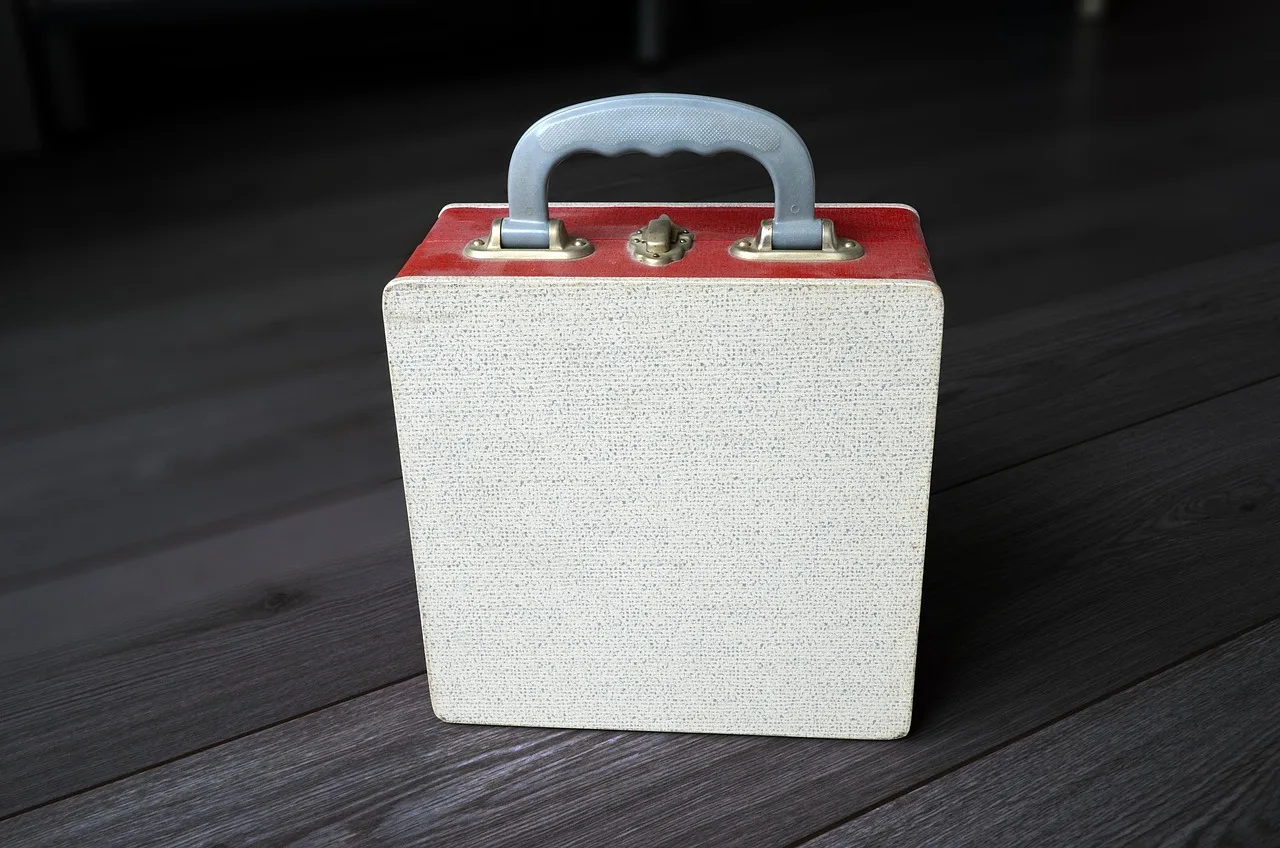
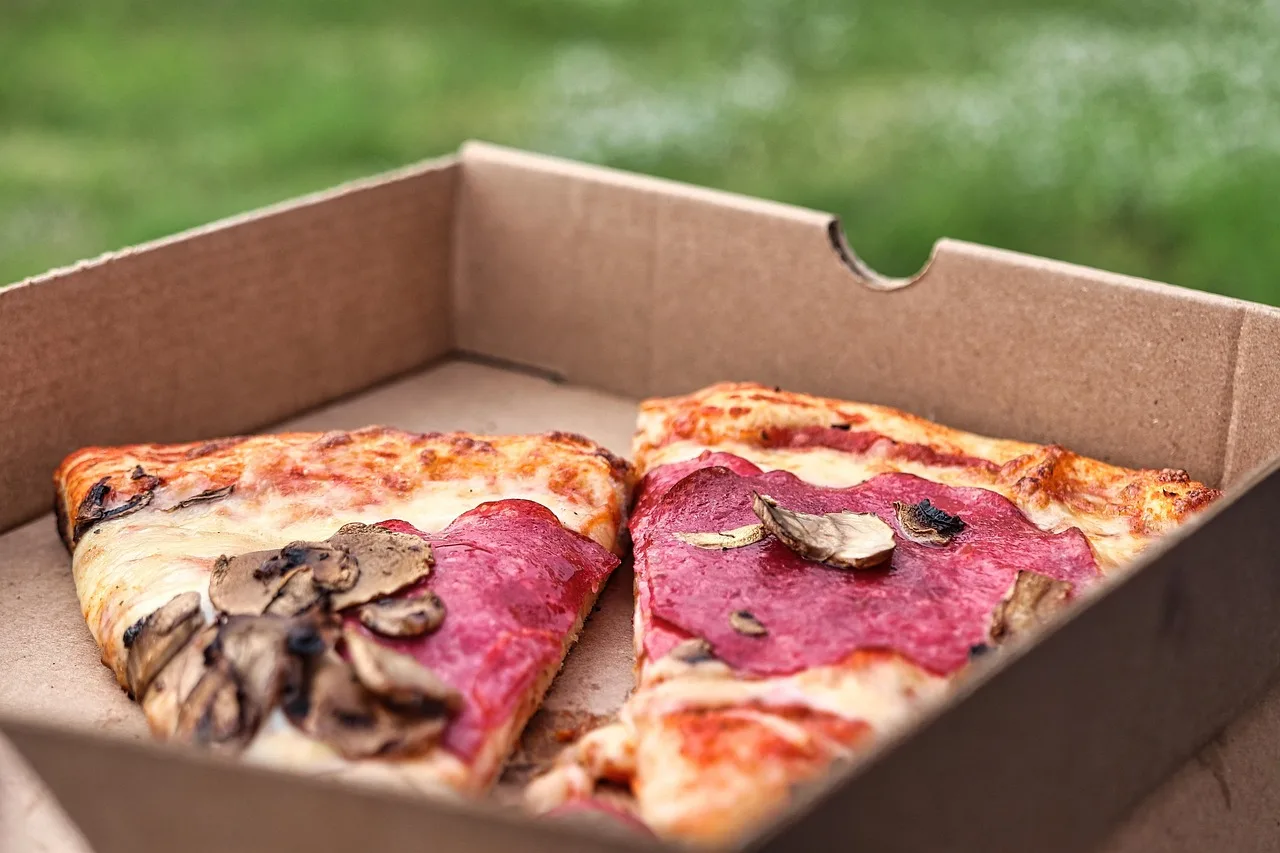


Çekim Tablosu
Belirtme (-i)kutuyu
Yönelme (-e)kutuya
Bulunma (-de)kutuda
Çıkma (-den)kutudan
Tamlayan (-in)kutunun
Çoğul (-ler)kutular
Tanım
•isim: İnce tahta, mukavva, teneke, plastik vb.nden yapılmış, genellikle kapaklı kap
•sıfat: Bu kabın alabildiği miktarda olan
•Elektrik veya telefon tellerinin toplanıp bağlandığı kap
•mecaz: Bir kimsede, bir yerde, bir şeyde iyi veya kötü bir özelliğin fazlalığını belirten bir söz
Diğer Dillerde
Almancaschachtel (dişil) /ˈʃaxtəl/
a small, usually square box, package or case · vulva, vagina · woman
çekim: çoğul Schachteln · tamlayan Schachteln
eş: Schachtelbeteiligung, Frau
köken: 15th century, from Italian scatola, with metathesis from Latin castulum, itself a diminutive of Lombardic Old High German kasto. Hence a doublet of inherited Kasten as well as the later borrowing Schatulle. The -ch- is due to a Bavarian consonantal development, for which compare Spachtel.
aile: alte Schachtel
Kiste 6 — Kutu 6
box (a container) · tin, can · ellipsis of boîte de nuit (“club, nightclub”)
çekim: çoğul boîtes
eş: caisse, coffret
köken: Inherited from Old French boiste, from Vulgar Latin *buxita, from Late Latin buxis, from a conflation of Latin pyxis (“small box”) and buxus (“box tree”). Doublet of box.
aile: boîte à camembert, boîte à cigare, boîte à gants, boîte à musique, boîte à outils, boîte à suggestions, boîte automatique, boîte aux lettres, boîte crânienne, boîte CVT
Boîte 4 — Kutu 4
inflection of ademar: · third-person singular imperative
Caja 2 — Kutu 2
İtalyancaannaffiatoio, baule, cabinet, cassa, cassetta, chiappe (eril) /an.naf.fjaˈto.jo/
watering can
çekim: çoğul annaffiatoi
köken: From annaffiare + -toio.
Mazzo 3 — Kutu 3
Rusçaкоробка, ящик
Уровень 3 — Kutu 3
Arapçaأَمْكَنَ, اِسْتَطَاعَ, تنكة, حَالَات, دَعْوَى, صَفِيحَة
الرئيس الحالة — Baş Kutu
to be able; can
çekim: geçmiş توان
köken: Verbal form of توان (tavân, “power”).
نمیتواند با شما برود. Nemi-tavânad bâ šomâ beravad.
He can't go with you.
توانستهای حمام کنی؟ Tavâneste-i hammâm koni?
to achieve · to manage, to succeed in doing
çekim: geçmiş bacarmış · ortaç bacarmış · şimdiki bacarır
köken: Probably cognate with Turkish becermek (“to overcome, handle”) Crimean Tatar becermek (“to manage, succeed in doing”), and Uyghur بېجىرمەك (bëjirmek, “to carry out successfully”)
Bu işi hər kəs bacarmaz.
Kazakçaконсервілеу
Felemenkçeafvoeren, blik, blikje, conservenblik, conserveren, geval /ˈɑf.vu.rə(n)/
to bring away, to lead away · to can (to discard an idea, a play)
çekim: geçmiş voerden af · ortaç afgevoerd · şimdiki voert af · ulaç afvoerend
köken: From Middle Dutch afvoeren. Equivalent to af + voeren.
aile: afvoer
Vak 2 — Kutu 2
Portekizcebunda, caixa, calar, conseguir, demitir, encaixotar (dişil) /ˈbũ.dɐ/
ass, butt · asshole
çekim: çoğul bundas
eş: merda
köken: Borrowed from Kimbundu mbunda.
aile: bunda-mole, bunda-suja, bundada, bundão, bundinha, bundona, bundudo, dar a bunda, desbundar, é de cair o cu da bunda
Caixa 4 — Kutu 4
Em janeiro deste ano, ela disse que não colocaria apenas “a mão no fogo” por ele, mas “a bunda também”.
nominative/accusative/vocative plural of αποσκευή (aposkeví): luggage, baggage
Κουτί 2 — Kutu 2
Japonca箱。, 膣。
ボックス 3 — Kutu 3
to preserve; to conserve; to keep · to save (a file, changes, etc.)
eş: 保留, 存留
aile: 保存本
北极光 — Kutup ışıkları
熱衷於保存國粹
热衷于保存国粹
這本書保存完好。
Korece상자 /sʰa̠ŋd͡ʑa̠/
box; case
eş: 박스, 통
köken: Sino-Korean word from 箱子.
aile: 사과상자(牛乳箱子), 선물상자(膳物箱子), 우유상자(箱子), 체크 상자(箱子), 콤보 상자(箱子)
들어가는 상자 — İçte Kutu
a box, crate; a cuboid container · a box (blow with the fist)
çekim: çoğul boxar · tamlayan boxens
aile: frysbox, kylbox, postbox
Ruta 5 — Kutu 5
Lehçebańka, dupa, dwudziestoczteropak, dyplomatka, dzieło, etui (dişil) /ˈbaɲ.ka/
can, churn (metal container for liquids with handles) · can, churn (contents of such a container) · bubble (spherical object filled with gas, usually made of soap)
çekim: çoğul bańki · tamlayan bańki
eş: baniak, bąbelek, pęcherzyk, duża bańka, melon, baniak
köken: Etymology tree Proto-Slavic *baňa Old Polish bania Proto-Indo-European *-keh₂der. Proto-Balto-Slavic *-kāˀ Proto-Slavic *-ъka Old Polish -ka Old Polish bańka Polish bańka Inherited from Old Polish bańka. By surface analysis, bania + -ka. Compare Kashubian bańka.
aile: na bańce, baniecznik, bańka informacyjna, bańka mydlana, bańka spekulacyjna, bańkarz, duża bańka
Pole 2 — Kutu 2
gołybie bańki
Ukraynacaви́падок, вмі́ти, змогти́, зумі́ти, могти́, скри́ня
Скринька 3 — Kutu 3
Hintçeसकना, समर्थ होना /sək.nɑː/
to be able
çekim: geçmiş सकता · şimdiki सकता है
köken: Etymology tree Proto-Indo-European *ḱek- Proto-Indo-European *-néwti Proto-Indo-Iranian *ćaknáwti Sanskrit श॒क्नोति॑ (śaknóti) Prakrit 𑀲𑀓𑁆𑀓𑀇 (sakkaï) Apabhramsa सक्कइ (sakkaï) Hindi सकना Inherited from Apabhramsa सक्कइ (sakkaï), from Prakrit 𑀲𑀓𑁆𑀓𑀇 (sakkaï), from Sanskrit श॒क्नोति॑ (śaknóti), from Proto-Indo-Iranian *ćaknáwti, from Proto-Indo-European *ḱek- + *-néwti. Cognate with Punjabi ਸਕਣਾ…
मैं अपने आप कर सकता हूँ!
Finceaakkoskoko, aakkoslaji, case, hylätä, kastelukannu, kirjainkoko /ˈɑːkːosˌkoko/
case (the nature of a piece of alphabetic type)
çekim: çoğul aakkoskoot · tamlayan aakkoskoon
köken: aakkos- + koko
Tietolaatikko 21 — Kutu 2.1
Çekçebedna, kauza, konev, konvice, konvička, konzerva (dişil) /ˈbɛdna/
box, crate (container) · television
çekim: çoğul bedny · tamlayan bedny
eş: kisna, telka, televize, televizor
köken: Inherited from Proto-Slavic *bъdьňa, borrowed from Proto-Germanic *budin- from Medieval Latin butina (Vulgar Latin *budina) from Ancient Greek πυτίνη (putínē, “flask”), ultimately from Proto-Indo-European *bʰeHw- (“to swell, puff”). Cognate with Slovak debna, German Bütte. First attested in the 19th century.
aile: bednářský, bednárna, bednář, bednářka, bednářství, bednička, bedýnka
Okénko 6 — Kutu 6
case, circumstance, situation
çekim: çoğul cazuri · tamlayan cazului
köken: Borrowed from Italian caso, French cas, Latin casus.
aile: nu este cazul
Coșul de gunoi — Çöp kutusu
may (having the potential to do or be something) · may, can, being permitted, allowed, or enabled to
köken: Ultimately originates from the verb hat.
aile: -hatatlan, -hatnék
Fejvesztve — Baş Kutu
ad (“to give”) + -hat → adhat (“may give, can give”)
A hosszan magára hagyott kutya ugathat, nyüszíthet, bepisilhet vagy rombolhat.
Ebbe a házba bemehet a kutya.
can, to be able to
çekim: geçmiş יכולת \ יָכֹלְתָּ
köken: Possibly cognate with Arabic وَكَلَ (wakala, “to trust”), also found in Akkadian and Ethiopic, from Proto-Semitic *wakal-. Alternatively, Huehnergard and Olyan propose k-h-l as the proto-root.
aile: כִּבְיָכוֹל
מסגר פנימה — İçte Kutu
A box, case, holder, repository; especially a cylindrical container for books; bookcase.
çekim: çoğul capsae · tamlayan capsae
köken: From Proto-Italic *kapsos, from Proto-Italic *kapjō (“to take, to seize”), possibly a relic of a sigmatic aorist stem in Proto-Italic that later merged with the perfective tense. Compare Latin noxa from noceō, also Ancient Greek σκᾰ́ψᾱς (skắpsās), masculine nominative active indicative aorist participle of σκάπτω (skáptō) (not cognate with the Latin term). Cognate with Latin receptāculum. Compare…
aile: capsārius, capsella, *capseus, capsicum, capsula, capsus
to fire; sack
çekim: geçmiş afskedigede · ortaç afskediget · ulaç afskedigende
zıt: ansætte
aile: afskedigelse
Boks 4 — Kutu 4
Norveççebak, boks, do, doskål, hermetikkboks, kanne
komboboks — çoklu kutu
venom: a poison carried by an animal, usually injected into an enemy or prey by biting or stinging · bad: unfavorable, negative, evil, unhealthy
çekim: çoğul bisa-bisa
köken: From Malay bisa (“venom”), from Sanskrit विष (viṣa, “poison”), Proto-Indo-Aryan *wiṣás, from Proto-Indo-Iranian *wišás, from Proto-Indo-European *wisós (“poison”). Doublet of virus.
aile: berbisa, kebisaan
Tempat Sampah — Çöp Kutusu
Etimoloji
Osmanlı Türkçesi قوطی (kutu, kutı) sözcüğünden devralındı, Yunanca κουτί (koutí) sözcüğünden.
Deyimler
kutu gibi
Kelime Ailesi
adres kutusu
akıl kutusu
cilve kutusu
kapalı kutu
kibrit kutusu
sigara kutusu
vites kutusu
yakınma kutusu
zemberek kutusu
arama kutusu
batarya kutusu
boya kutusu
camekânlı kutu
ecza kutusu
kalem kutusu
karakutu
kutu kutu
mücevher kutusu
Eş & Zıt Anlamlılar
Eş anlamlılar
Örnek Cümleler
Kutu 6
Box 6
Kutu 5
Box 5
Kutu 4
Box 4
Kutu 3
Box 3
Kutu 2
Box 2
Baş Kutu
Head Case
Kutu boş.
The box is empty.
İçte Kutu
Box In
Dört Kutu
Four Box
TUMO Kutu
TUMO Box
Kutu ağır.
The box is heavy.
Kutuyu al.
Get the box.
İlgili Sorular
“Kutuya kutu koyabilirim, fakat kutu beni kutulayamıyor; kim olduğumu söyleyin.”
“Kutuya kutu koyabiliyorum, fakat kutu bana aynı şeyi yapamıyor; kim olduğumu bulabilir misiniz?”
Kutu içinde wok yemek sağlıklı mı?
“Kutuyu kutulayabilirim ama kutu beni kutulayamaz; bu nedir?”
“Ben kutuyu kutulayabilirim ama kutu beni kutulayamıyor, kimim ben?”
İlgili / Bileşik Terimler
Genelbox jellyfish
Birleşik Kelimeler
kutu kutucamekânlı kutukapalı kutukarakutuadres kutusuakıl kutusuarama kutusubatarya kutusuboya kutusucilve kutusuecza kutusukalem kutusukibrit kutusumücevher kutusuposta kutususigara kutususorgu kutusuşikâyet kutusuvites kutusuyağ kutusuyakınma kutusuzemberek kutusu