Sözlük
/kulak
kulak
"kulak" kelimesinin İngilizcesi: ear, kulak, flange, ear(1), ear. Anlamı, çevirisi, telaffuzu ve örnek cümleler aşağıdadır.
Çeviri
Tıpearnoun
Tıpkulaknoun
Genelflange
Genelear(1)
Genelear
Genelear
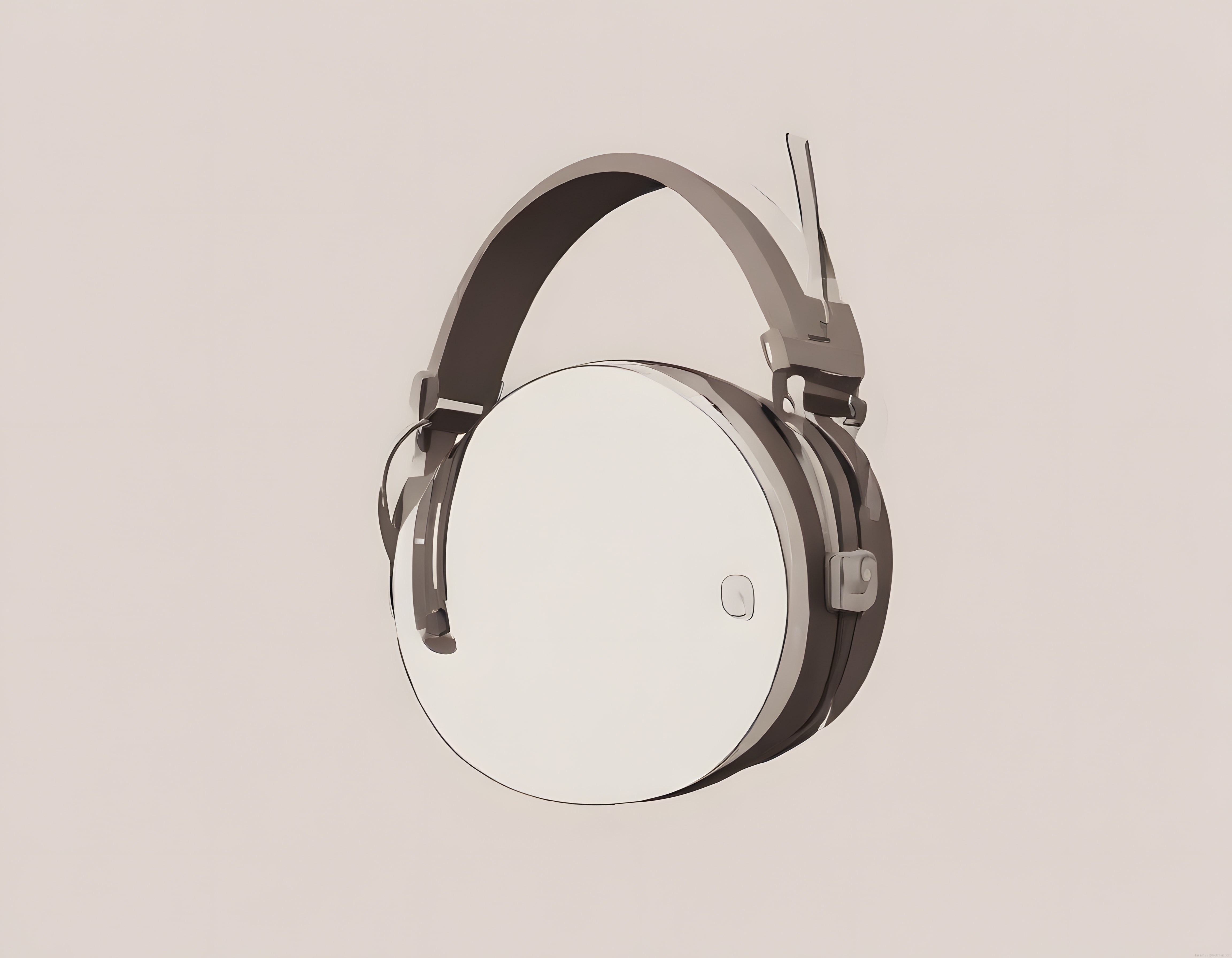
Görsel


Çekim Tablosu
Belirtme (-i)kulağı
Yönelme (-e)kulağa
Bulunma (-de)kulakta
Çıkma (-den)kulaktan
Tamlayan (-in)kulağın
Çoğul (-ler)kulaklar
Tanım
•isim, anatomi: Başın her iki yanında bulunan işitme organı
•anatomi: Bu organın, sesleri toplayıp içeriye almaya yarayan dış bölümü
•Balıklarda başın iki yanında bulunan ve ağızdan alıp solungaçlardan geçirdiği suyu dışarıya vermeye yarayan yarıklardan her biri
•Saban kulağı
•Duvar, baca, şömine vb. yerlerde kulağa benzer çıkıntı
•müzik: Telli çalgılarda tel germeye yarayan burgu
Atasözü & Deyim
“Baş ağır gerek, kulak sağır”
“Boynuz kulaktan sonra çıkar, ama kulağı geçer”
“Deve boynuz ararken kulaktan olmuş”
Diğer Dillerde
ear (the auditory organ) · ear (the external visible part of the organ, the auricle) · ear (the ability and proclivity to understand and discern finer details of something, especially sound-based)
çekim: çoğul Ohren · tamlayan Ohres
eş: Gehörorgan, äußeres Ohr, Ohrmuschel, Horchlöffel, Lauscher
köken: From Middle High German ôre, from Old High German ōra, from Proto-West Germanic *auʀā, from the voiced Verner alternant of Proto-Germanic *ausô. Akin to Dutch oor, English ear, West Frisian ear, Swedish öra, all ultimately derived from Proto-Indo-European *h₂ows-. Further Indo-European cognates: Latin auris, Lithuanian ausis, Ancient Greek οὖς (oûs), Russian у́хо (úxo), Old Armenian ունկն (unkn),…
aile: Außenohr, die Ohren spitzen, die Ohren steif halten, die Wände haben Ohren, Eselsohr, ganz Ohr sein, Innenohr, Mittelohr, offenes Ohr, Ohrenarzt
Mit gespitzten Ohren. — Açık kulaklarım var.
Du musst lauter Sprechen, meine Ohren sind nicht mehr so gut.
Er hat kein Ohr für Musik.
Appareil de l’audition divisé en trois parties.
çekim: çoğul oreilles
eş: bafle, baffle, cage à miel, écoutille, esgourde, étagère
köken: Inherited from Middle French oreille, from Old French oreille, from Vulgar Latin oricla, from Latin auricula, diminutive of auris, ultimately from Proto-Indo-European *h₂ṓws. Cognate with Catalan and Galician orella; Portuguese orelha; Italian orecchio; Occitan aurelha; Romanian ureche; and Spanish oreja. Compare zoreille, zorey.
aile: à l'oreille, avoir les oreilles qui sifflent, bouche à oreille, boucle d'oreille, dormir sur ses deux oreilles, dresser l'oreille, dur d'oreille, faire la sourde oreille, l'entendre de cette oreille, les murs ont des oreilles
Œil pour œil — Kulak İltihabı
sandarac tree, Tetraclinis · common juniper, Juniperus communis
çekim: çoğul arares
eş: aricar, barbechar, labrar, roturar, surcar, surcar
köken: Borrowed from English arar, from Arabic عَرْعَر (ʕarʕar).
aile: arar en el mar, sobrearar
After Para Tus Oídos. — Kulakları iridir.
İtalyancaamento, arare, canarino, delatore, flangia, informatore (eril) /aˈmɛn.to/
ear, spike (the fruiting body of a grain plant)
çekim: çoğul amenti
eş: gattino
köken: From Latin āmentum.
Orecchio interno — Kulak İltihabı
hearing, ear · rumor, hearsay, diminutive: слушо́к (slušók) · news, sign
çekim: çoğul слу́хи · tamlayan слу́ха
eş: музыкальный слух, молва, сплетня
köken: Inherited from Old East Slavic слухъ (sluxŭ), Proto-Slavic *sluxъ, from Proto-Indo-European *ḱlew-, whence Sanskrit श्रुति (śruti), English listen, and loud.
ПрослушиванивПрослушиванив — Kulak İltihabı
музыка́льный слух
ويبقى الأذان. — Kulakları iridir.
bunch · cluster · ear of corn
çekim: çoğul خوشهها
köken: From Middle Persian [script needed] (hwšk' /hōšag/, “ear of corn, cluster; the star Spica, the constellation Virgo”), borrowed into Old Armenian խոշակ (xošak) and into Arabic حُوشَاكِيّ (ḥūšākiyy, “two-grained wheat”). Note also the mushroom-name غوشْنَه (ġōšna), غوشَنَه (ġōšana) passed into Arabic غَوْشَنَة (ḡawšana, “morel”). Probably from Proto-Iranian *Hawšaka-, a derivative of…
aile: خوشهای, خوشهبندی
خوشه انگور
خوشهٔ کهکشانی
head · head (a single animal) · beginning (the initial portion of some extended thing)
çekim: çoğul başlar · tamlayan başın
köken: From Proto-Turkic *baĺč (“head”).
aile: başaq, başaqçı, başaqçılıq, başaqlamaq, başçı, başında, başqan, başlamaq, başlanğıc, başlanış
Başında papaq var.
on baş qoyun-quzu
o başdan bu başa
Özbekçequloq
kulak (a prosperous peasant in the Russian Empire and the Soviet Russia)
çekim: çoğul quloqlar
köken: From Proto-Turkic *kulkak (“ear”).
Tatarcaколак
Felemenkçeoor (nötr) /oːr/
handle (of cup, mug)
çekim: çoğul oren
köken: From Middle Dutch ore, from Old Dutch ōra, from Proto-West Germanic *auʀā, from the voiced Verner alternant of Proto-Germanic *ausô, from Proto-Indo-European *h₂ows-. Compare German Ohr, West Frisian ear, English ear, Danish øre.
aile: binnenoor, bloemkooloor, de oren wassen, domoor, dovemansoor, draai om de oren, druiloor, flapoor, geoord, in zijn oren knopen
Beluister het motet — Kulak İltihabı
edge, border, margin
çekim: çoğul bordas
köken: From French bord, from Frankish *bord.
Caros Ouvintes. — Kulak İltihabı
to plough (UK), plow (US), till, cultivate
çekim: geçmiş αροτρίωσα · ortaç αροτριωμένος
Οι οφθαλμοί είναι μεγάλοι. — Kulakepçeleri büyüktür.
Japonca耕す /ta̠ɡa̠ja̠sɨ/
to till, plough
çekim: geçmiş 耕した
köken: Shift from older 田返す (tagaesu/takaesu), from 田 (ta, “cultivated field”) + 返す (kaesu).
耳ともいう。 — Kulakları diktir.
Çince(使)接穗
無人簡易站。 — Kulakçık bulunmaz.
to change, to replace, to switch (in general)
çekim: geçmiş 갈았다
eş: 대체하다, 교체하다
köken: First attested in the Yongbi eocheon'ga (龍飛御天歌 / 용비어천가), 1447, as Middle Korean ᄀᆞᆯ다〮 (Yale: kòl-tá), probably from pre-MK *; see Appendix:Koreanic reconstructions#/l/ and /ɾ/ merger. Manchu ᡥᠠᠯᠠᠮᠪᡳ (halambi, “to change, to replace”) is probably borrowed from Koreanic in ancient times.
aile: 갈이, 갈아대다, 갈아들다, 갈아매다, 갈아서다, 갈아입다, 갈아타다, 번(番)갈다, 엇갈다
귀가 아주 크다. — Kulakepçeleri büyüktür.
an ear (fruiting body of a grain plant)
çekim: çoğul axen · tamlayan axets
köken: From Old Norse ax.
Det finns inga yttre öron. — Dış kulakları vardır.
Lehçekłos, kołnierz, konfident, kryza, obręcz, orać (eril) /ˈkwɔs/
ear (fruiting body of a grain plant)
çekim: çoğul kłosy · tamlayan kłosa
eş: kłosek
köken: Etymology tree Proto-Slavic *kolsъ Polish kłos Inherited from Proto-Slavic *kolsъ.
Miej uszy otwarte. — Açık kulaklarım var.
Ukraynacaву́хо
Я не звернув на нього уваги. — Ben ona kulak asmadım.
Hintçeकान (eril) /kɑːn/
çekim: çoğul कानों
köken: Inherited from Apabhramsa 𑖎𑖜𑖿𑖜 (kaṇṇa), from Sauraseni Prakrit 𑀓𑀡𑁆𑀡 (kaṇṇa), from Sanskrit कर्ण (karṇa, “ear”). Doublet of कर्ण (karṇ).
हर आदमी दो कानों के साथ पैदा होता है।
मुझे आपके कान में कुछ कहना है।
ear (organ of hearing) · ear (sense of hearing; perception of sounds) · ear; a curved handle, like that of a drinking cup, mug or pot
çekim: çoğul korvat · tamlayan korvan
köken: From Proto-Finnic *korva (compare Estonian kõrv), from Proto-Uralic.
aile: -korvainen, korvake, korvakko, korvallinen, korvata, korvaton, korvis, korvo, korvus, kaikua kuuroille korville
Korvat paukkuvat. — Kulakları çıkıktır.
kevään korvalla / kevään korvilla
ear (of a human, animal, puppet, humanoid robot, etc.)
çekim: çoğul uši · tamlayan ucha
köken: Inherited from Old Czech ucho, from Proto-Slavic *uxo.
Mají špičaté uši. — Açık kulaklarım var.
V uších se jí třpytily briliantové náušnice.
být jedno ucho.
Rumenceara, ciripitor, informator, spic, ureche /aˈra/
to plough
çekim: geçmiş arat · ortaç arat · şimdiki ară
köken: Inherited from Latin arāre, from Proto-Italic *araō, from Proto-Indo-European *h₂éryeti (“to plough”), from the root *h₂erh₃-.
Urechile sunt ascuțite. — Kulakları kesilmişti.
Macarcacső, fül, gabonakalász, kalász, kukoricacső, szánt /ˈt͡ʃøː/
tube, pipe, hose
çekim: çoğul csövek
köken: From a Slavic language; compare Proto-Slavic *cěvь, *cěva. The interjection sense has developed in modern times due to the word's phonetic similarity with csaó (“ciao”) or csá (“ciao”).
aile: csövel, csöves, csövez, csőstül, csőbomba, csőharang, csőhálózat, csőlátás, csőposta, csőtészta
Füle feláll. — Kulakları çıkıktır.
çekim: çoğul אוזניים
köken: From Proto-Semitic *ʔuḏn-. By surface analysis either derived from אָזַן (azán, “to be pointed”) or a primitive word with no verbal root as its origin.
aile: הֶאֱזִין, מפה לאוזן, מִפֶּה לָאֹזֶן
האוזניים קצרות. — Kulakları kesilmişti.
Latinceagna, arista, auricula, auris, spīca /ˈaŋ.na/
A ewe lamb.
çekim: çoğul agnae · tamlayan agnae
köken: Etymology tree Proto-Indo-European *h₂egʷnós Proto-Italic *agʷnos Latin agnus Proto-Indo-European *-h₂ Proto-Indo-European *-eh₂ Proto-Italic *-ā Latin -a Latin agna From agnus (“lamb”) + -a (feminine suffix).
aile: agnella, agnicula
Etimoloji
Osmanlı Türkçesi قولاق (kulak) sözcüğünden devralındı
Deyimler
Kelime Ailesi
Eş & Zıt Anlamlılar
Örnek Cümleler
Gözkulak olun.
Keep an eye out.
Kulaklığı tak.
Put the headphone on.
Ona kulak verme.
Don't pay attention to her.
Ona gözkulak ol.
Keep an eye on it.
Ona göz kulak ol.
Keep an eye on him.
Kulaklarım ağrıdı.
My ears hurt.
Buna göz kulak ol.
Keep an eye on it.
Tom'a göz kulak ol.
Keep an eye on Tom.
Kulaklarımı diktim.
I pricked up my ears.
İyi kulaklarım var.
I have good ears.
Tom'a gözkulak olun.
Keep a good eye on Tom.
Tavsiyeme kulak ver!
Take my advice!
İlgili Sorular
Perforasyonlu kulak zarına bağlı otitis externa için hangi tedavi seçenekleri mevcuttur?
PC için kulaklık ile hoparlör arasında kolayca geçiş yapabileceğim bir anahtar önerisi alabilir miyim?
Şu an kulakta hangi şarkı çalıyor?
“Dilbilgisi bir kulaktan çaldığım piyano” benzetmesi ne zaman etkisini yitirir?
Daha iyi işiten kulak hangisi? Sorunun iki ayrı bölümü var.
İlgili / Bileşik Terimler
Tıppinna
Genelearache
Geneltinnitus
Geneltympanum
Geneleavesdrop
Genelhearken
Geneleardrum
Tıpear canal
Tıpear lobe
Genelear canal
Genelbe all ears
Birleşik Kelimeler
kulak altı bezikulak çivisikulakdavulukulak demirikulak dolgunluğukulak erimikulak kepçesikulak kulağakulak memesikulak misafirikulak sadakasıkulak tıkacıkulak tırmalayıcıkulaktozukulak zarıkulağı delikkulağı kesikkulağı kiriştekulağı tetiktekulağı tıkalıdış kulakekşikulakiç kulakkabakulakkamışkulakkarakulakkepçe kulakorta kulakyelken kulakaslankulağıayıkulağıbaca kulağıcankulağıdenizkulağıdeniz kulağıeşekkulağıfarekulağıfilkulağıkuzukulağımüzik kulağı