Sözlük
/baston
baston
"baston" kelimesinin İngilizcesi: cane, boom, baton, cane, stick. Anlamı, çevirisi, telaffuzu ve örnek cümleler aşağıdadır.
Çeviri
Genelcanenoun
Genelboom
Genelbaton
Genelcane
Genelstick
Genelstaff
Genelstaff
Genelwalking sticknoun
Genelwalking stick
Genelwalking stick
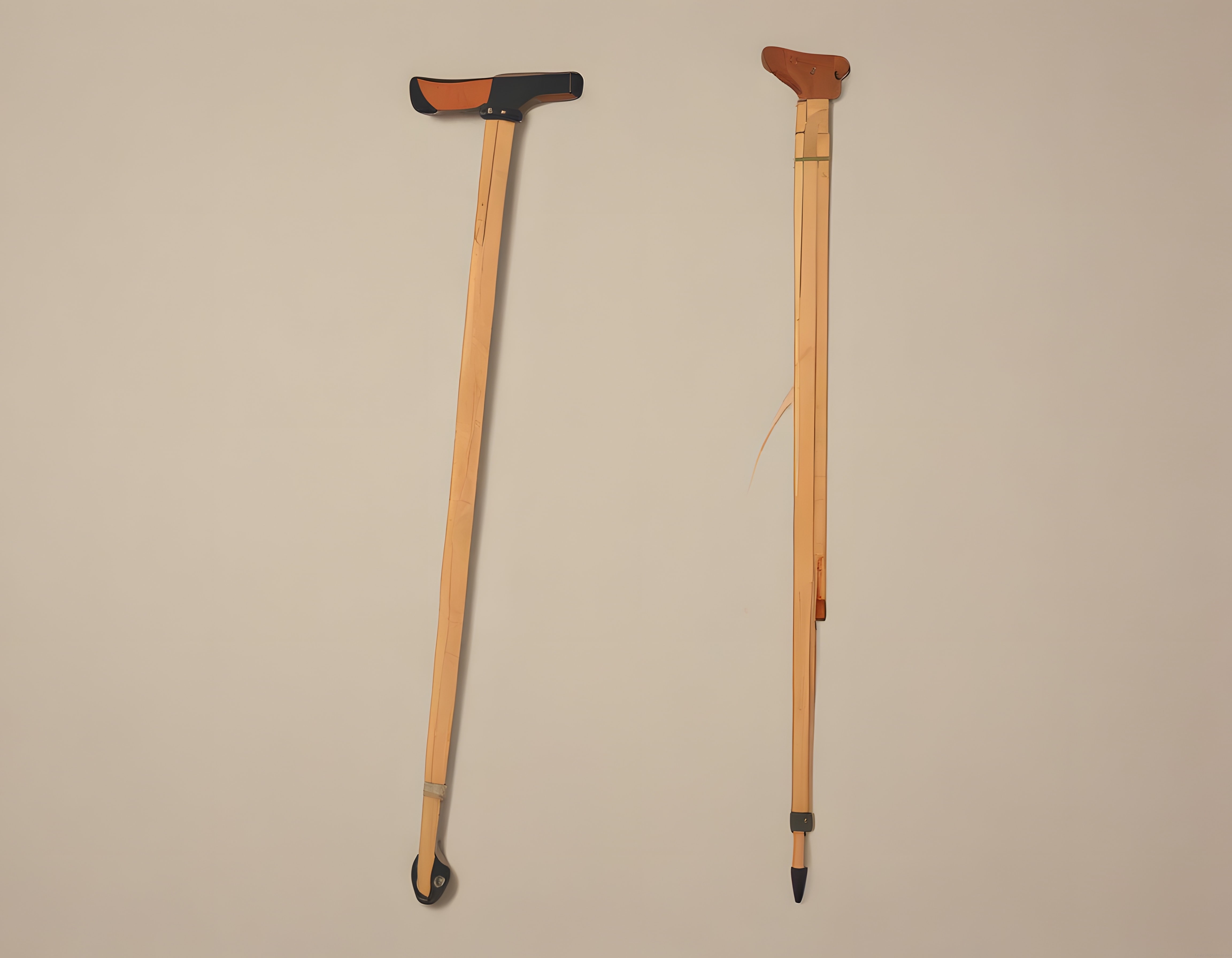
Görsel



Çekim Tablosu
Belirtme (-i)bastonu
Yönelme (-e)bastona
Bulunma (-de)bastonda
Çıkma (-den)bastondan
Tamlayan (-in)bastonun
Çoğul (-ler)bastonlar
Tanım
•isim: Yürürken dayanmaya yarayan, ağaç veya metalden yapılan araç
•denizcilik: Geminin baş tarafındaki yatık direğin dışarıya doğru uzanan parçası
Diğer Dillerde
Almancaanheften, Ast, Belegschaft, dabeibleiben, Ganghebel, Gehstock /ˈʔanhɛftn̩/
to attach, to affix, to pin
çekim: geçmiş heftete an · ortaç angeheftet · şimdiki heftet an · ulaç anheftend
zıt: loslösen
köken: From an- + heften.
aile: Anheftung, anheftend, angeheftet
Frau: Ich würde mir meinen ganz eigenen Gehstock machen. — Tamamen bana ait bir baston yapardım.
stick · baton (as a charge)
çekim: çoğul bâtons
eş: canne, bâtonnet, brique, plaque, club
köken: Inherited from Old French baston, probably from a Vulgar Latin bastōnem, itself a modification of Late Latin bastum, or possibly noun use of the verb *bastāre, from Ancient Greek βαστάζω (bastázō). Compare Italian bastone.
aile: à bâtons rompus, bâton de chaise, bâton de rouge, bâtonner, la carotte et le bâton, mettre des bâtons dans les roues, moyenne au bâton
Le vieil homme marchait avec une canne. — Yaşlı adam bastonla yürüyordu.
İspanyolcaacertar, achuntar, astilla, atascarse, atinar, báculo /aθeɾˈtaɾ/
to hit, to hit upon · to be right
çekim: geçmiş acerté · ortaç acertado · şimdiki acierta
eş: descifrar, descubrir, hallar, adivinar
zıt: desacertar
köken: From a- + Latin certus + -ar. Compare English ascertain.
aile: acertado, acertar con, acertijo, piensa mal y acertarás
Se distingue por el bastón. — Bastonla dolaşmaktadır.
La bala acertó al policía en la pierna.
¿Cuántas preguntas acertaste? –Ninguna.
El pronóstico del tiempo acertó hoy.
İtalyancaasta, attaccare, attaccarsi, barra di controllo, barretta, bastone (dişil) /ˈas.ta/
pole, rod, shaft · spear, lance · the wooden handle of a spear or lance
çekim: çoğul aste
eş: antenna, bastone, cannuccia, giavellotto, lancia, palo
köken: Inherited from Latin hasta.
aile: asta inferiore, asta regia, asta superiore, asticciola, asticina, inastare
Ho il bastone. — Bastonu vardır.
staff, rod, wand
çekim: çoğul жезлы́ · tamlayan жезла́
eş: трость, палка
köken: Borrowed from Old Church Slavonic жьзлъ (žĭzlŭ), from Proto-Slavic *žezlъ. Doublet of native dialectal жезе́л (žezél).
Ходит с тростью. — Bastonla yürümektedir.
سأصنع عصا المشي الخاصة بي. — Tamamen bana ait bir baston yapardım.
staff (all those who work somewhere)
çekim: çoğul پرسنلها
köken: Borrowed from French personnel.
Azericebatırmaq, çubuq, əməkdaşlar, sancmaq, saplamaq, soxmaq /bɑtɯrˈmɑχ/
to sink · to dip · to smirch
çekim: geçmiş batırmış · ortaç batırmış · şimdiki batırır
köken: From bat- + -ır.
gəmini batırmaq
peronu mürəkkəbə batırmaq
adını batırmaq
stick (piece of wood) · asatayak (a traditional Kazakh percussion instrument)
çekim: çoğul асатаяқтар · tamlayan асатаяқтың
eş: таяқ, сойыл
köken: From Arabic عَصًا (ʕaṣan, “stick”) + таяқ (taäq, “stick”).
Tatarcaтаяк
Felemenkçebalk, blijven steken, kleven, medewerkers, neergooien, notenbalk (eril) /bɑlk/
a beam, solid support · a cuboid · a section, icon et cetera in such rectangular shape
çekim: çoğul balken
köken: From Middle Dutch balke, from Old Dutch *balco, from Proto-West Germanic *balkō, from Proto-Germanic *balkô.
aile: balkenbrij, dakbalk, draagbalk, evenwichtsbalk, staartbalk, stootbalk, notenbalk, schuifbalk, taakbalk, zoekbalk
Ik zou de plafondventilator schoonmaken en de spinnenwebben uit mijn huis halen. — Tamamen bana ait bir baston yapardım.
Portekizceaderir, aguentar, alavanca, aléu, bastão, bengala /a.deˈɾi(ʁ)/
to adhere · to join, to enter
çekim: geçmiş aderi · ortaç aderido · şimdiki adere
köken: Borrowed from Latin adhaerēre, with change of conjugation.
"Quando achares que é altura, estica a bengala para a frente. — "Geçmeyi düşündüğün zaman, bastonunu yola doğru uzat.
A equipa vai aderir aos objetivos da Liga.
O país quer aderir à Zona de Schengen.
κομμένο λεπτό κλαδί χωρίς φύλλα
Θέλει να ξεφορτωθεί το καροτσάκι της. — Bastonundan kurtulmak istiyor.
staff
köken: Borrowed from English staff.
(女性)木のてっぺんに上るはしごを作るわ — Tamamen bana ait bir baston yapardım.
イベントスタッフ
スタッフの皆さんのおかげです
ご希望の方はスタッフにお声がけください
twig, branch
eş: 수지
köken: First attested in the Seokbo sangjeol (釋譜詳節 / 석보상절), 1447, as Middle Korean 나못가지 (Yale: namwoskaci). Equivalent to 나무 (namu) + -ㅅ- (-s-) + 가지 (gaji).
저만의 지팡이를 만들 거에요. — Tamamen bana ait bir baston yapardım.
to man (to take up position in order to operate something)
çekim: geçmiş bemannade · ortaç bemannad · ulaç bemannande
köken: From Old Swedish bemanna, from Middle Low German bemannen, equivalent to be- + man (“a man”) + -a. Cognate with Danish bemande, Norwegian Bokmål bemanne, Norwegian Nynorsk bemanna, bemanne, German bemannen, Dutch bemannen and English beman.
aile: underbemannad
Han hade slutat tugga sin käpp och satt där med öppen mun. — Onun baston çiğnemeyi durdurdu ve ağzını açık oturuyordu.
a male surname
çekim: çoğul drążki · tamlayan drążka
eş: rek, barre
Używałbym tego jako laski do podpierania się. — Tamamen bana ait bir baston yapardım.
Ukraynacaвтика́ти, защеми́ти, защемля́ти, ка́дри, кий, кле́їти /kɪi̯/
stick · cue (straight tapering rod used to impel the balls in games such as billiards, snooker, and pool)
çekim: çoğul киї́ · tamlayan ки́я
köken: From Proto-Slavic *kyjь.
aile: кийови́й, кийо́к, кийо́чок, кия́ка
"Як ви надумаєте переходити, просто підніміть палицю. — "Geçmeyi düşündüğün zaman, bastonunu yola doğru uzat.
to be stopped, to stop · to be stuck, jammed, entangled · to falter
çekim: geçmiş अटकता · şimdiki अटकता है
köken: Hindi verb set अटकना (aṭaknā) अटकाना (aṭkānā) अटकवाना (aṭakvānā) Etymology tree Proto-New Indo-Aryan *𑀅𑀟𑀇 (*aḍaï) Hindi अटकना Inherited from Proto-New Indo-Aryan *अट्टक्कइ (aṭṭakkaï), from *𑀅𑀝𑁆𑀝- (*aṭṭa-) + -𑀓𑁆𑀓- (-kka-), related to Hindi अड़ना (aṛnā, “to be stubborn”). Ultimately probably derived from Dravidian. Cognate with Punjabi ਅਟਕਣਾ (aṭakṇā), Gujarati અટકવું (aṭakvũ), Marathi अडकणे…
गाड़ी रास्ते में अटक गई।
पेड़ पर मेरी पतंग अटक गई।
बोलते-बोलते अटकना
axle (pin or spindle on which a wheel revolves, or which revolves with a wheel; transverse bar or shaft connecting opposite wheels) · shaft, driveshaft (shaft, or long thin object, used to transmit rotary motion) · axis (imaginary line around which an object spins or is symmetrically arranged)
çekim: çoğul akselit · tamlayan akselin
köken: Borrowed from Swedish axel (“axle, axis”).
aile: -akselinen, akselisto, akselikaltevuus, akselikiila, akselikuormitus, akselikäyttö, akselinlaskija, akselinripustus, akselintappi, akselipaino
Hän oli lopettanut chewing hänen kävelykeppisateenvarjot ja istui siellä suunsa auki. — Onun baston çiğnemeyi durdurdu ve ağzını açık oturuyordu.
Maa pyörähtää kerran päivässä akselinsa ympäri.
Çekçehůl (dişil) /ˈɦuːl/
stick, staff (cane or walking stick) · stick, club (implement used to control a ball or puck) · lacrosse stick
çekim: çoğul hole · tamlayan hole
eş: sukovice, čagan, berle
köken: Inherited from Old Czech hól, derived probably from Proto-Slavic *golь, cognate with Proto-Slavic *golъ (“leafless”).
aile: hůlka
Přestal žvýkat jeho vycházkové hole a seděl tam s otevřenou pusou. — Onun baston çiğnemeyi durdurdu ve ağzını açık oturuyordu.
to suspend, to hang · to hook · to pick up, to seduce (romantically)
çekim: geçmiş agățat · ortaç agățat · şimdiki agață
köken: From a- + Vulgar Latin *accaptiāre, from a- + *captiāre, from Latin captus. Compare Aromanian acats.
aile: agățare, agățătoare, agațament
Mi-aș confecționa propriul baston pentru plimbare. — Tamamen bana ait bir baston yapardım.
Macarcaág, beakad, beszorul, bot, botváltó, darab /ˈaːɡ/
branch
çekim: çoğul ágak
köken: From Proto-Finno-Ugric *šaŋka. Cognates include Northern Mansi таг (tag, “twig, branch”).
aile: áganként, ágas, ágastul, ágazat, ágazik, ágú, ágrólszakadt, faág, iparág, oldalág
Laurie improvizált, egy esernyőt használt botként. — Laurie doğaçlama yaparak, baston yerine şemsiye kullandı.
manual
köken: יד (yad, “hand”) + ־ני (-ní)
הייתי עושה מקל הליכה משלי. — Tamamen bana ait bir baston yapardım.
Latincebaculum, bastum, caduceus, faciō haerēre, figicō, fīgō /ˈba.kʊ.ɫũː/
walking stick, cane, staff · sceptre, rod, verge (staff of office) · stick, cudgel
çekim: çoğul bacula · tamlayan baculī
köken: Uncertain, though probably loaned from a non-Indo-European substrate. The term is possibly cognate with Proto-Slavic *bokъ, Proto-Celtic *bakkos, Ancient Greek βάκτρον (báktron), and Proto-West Germanic *pagil. Based on these forms, the Proto-Indo-European root *bak- has been reconstructed. The term could be construed as a derivative of Proto-Indo-European *bak-tlom, although De Vaan postulates a…
aile: bacillum, bacillus, baculāris, imbēcillus
gear lever, gear stick
çekim: çoğul gearstænger · tamlayan gearstangs
"Når du tror det er tid til at gå, så bare stik stokken derud. — "Geçmeyi düşündüğün zaman, bastonunu yola doğru uzat.
Etimoloji
İtalyanca
Eş & Zıt Anlamlılar
Eş anlamlılar
Örnek Cümleler
Bastonum nerede?
Where's my cane?
Bastonuna ne oldu?
What happened to your cane?
Bana bastonumu ver.
Give me my cane.
Bu baston Tom'un mu?
Is this cane Tom's?
Tom bastonuna uzandı.
Tom reached for his cane.
Bana bastonumu getir.
Bring me my cane.
Bastonla yürümektedir.
He walks with a stick.
Tom bastonuna yaslandı.
Tom leaned on his cane.
Bastonumu getirin bana.
Bring me my cane.
O bir baston taşıyordu.
He carried a cane.
Bastonuma ihtiyacım var.
I need my cane.
Tom bastonunu yere vurdu.
Tom pounded his cane on the floor.
Birleşik Kelimeler
baston francalabaston kilidibaston kösteğibeyaz baston