Sözlük
/bando
bando
"bando" kelimesinin İngilizcesi: band, brass. Anlamı, çevirisi, telaffuzu ve örnek cümleler aşağıdadır.
Çeviri
Genelband
Genelbrass
Görsel
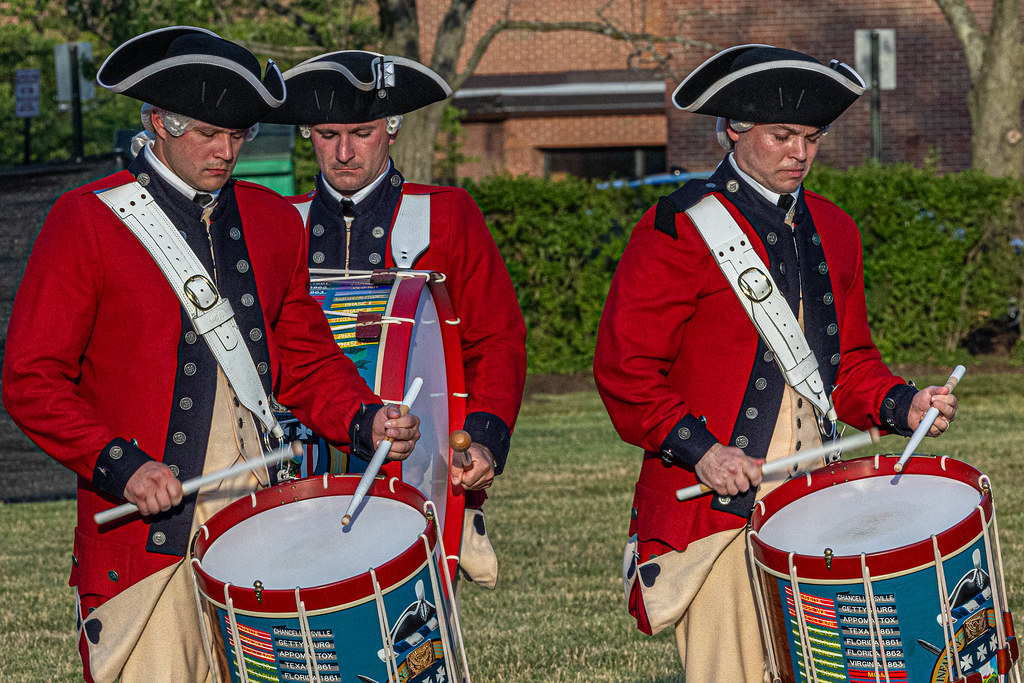

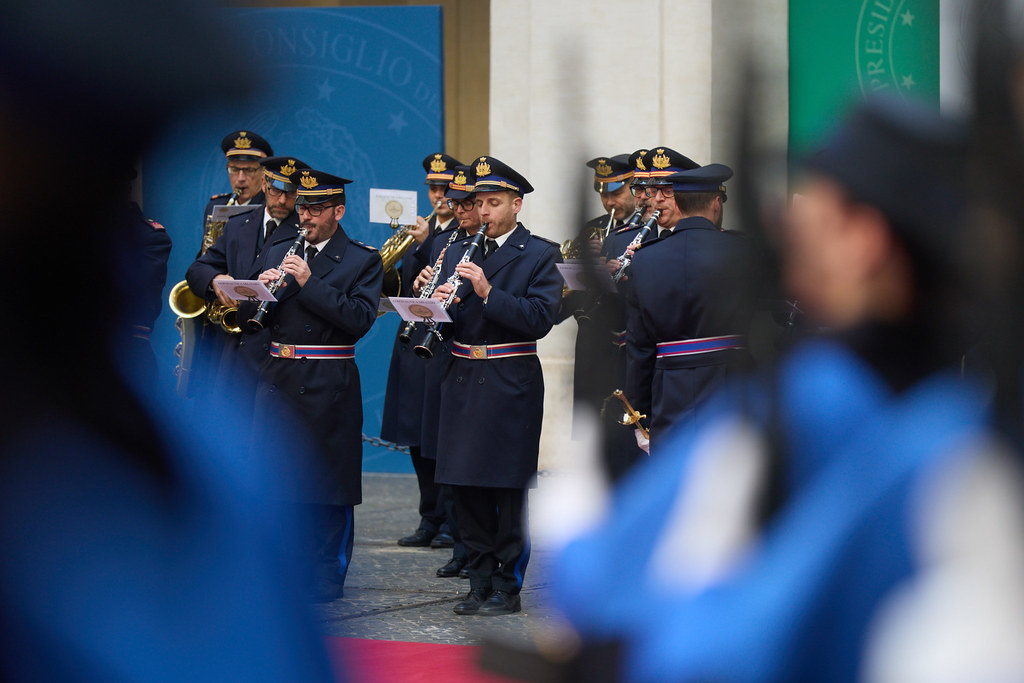

Tanım
•isim, müzik: Türlü üflemeli ve vurmalı çalgılardan oluşan ve genellikle geçit törenlerinde yer alan mızıkacılar topluluğu veya takımı; mızıka
•mecaz: takım
Diğer Dillerde
Almancaaus Messing, Band, Bande, beringen, binden, Blaskapelle (nötr) /bant/
preterite of binden
çekim: çoğul Bänder · tamlayan Bandes
eş: Verbindendes, Verbindung, Verknüpfendes, Verknüpfung, Bibi, Biene
köken: From Middle High German bant, from Old High German bant, from Proto-West Germanic *band n or m, from Proto-Germanic *bandą ~ *bandaz (“band, bond”), derived from *bindaną (“to bind”). The noun was neuter in most of High German, but masculine in Low German (see Middle Low German bant m) and parts of West Central German. The lexicalisation of this northern usage in the sense “volume” dates from the…
aile: am laufenden Band, bandartig, Bandlaufwerk, Bandmaß, Bandrobbe, Bandsalat, Bandspitze, Bandwurm
Yukiko Bando — Yukiko Bando
Fransızcabaguer, bande, couleur de laiton, cuivres, douille, en laiton /ba.ɡe/
to ring, tag, band (attach a tag or ring, e.g. to a bird, for tracking) · to collar
çekim: geçmiş bagué · ortaç bagué · şimdiki bague · ulaç baguant
köken: From bague + -er.
C'est l'une des armées de terre les plus anciennes du monde. — Dünyanın en eski askerî bandolarından birisidir.
archaic form of latón (“brass”)
çekim: çoğul alatones
eş: latón
Yukiko Bando — Yukiko Bando
İtalyancabossolo, bronzo, d'ottone, dalla faccia di bronzo, faccia di bronzo, faccia tosta (eril) /ˈbɔs.so.lo/
shell casing · cartridge · box tree
çekim: çoğul bossoli
eş: urna, bussolotto
köken: From Late Latin buxus (“small container”), through a Vulgar Latin form buxulus.
Yukiko Bando — Yukiko Bando
муз. жарг. музыкальный коллектив
Yukiko Bando — Yukiko Bando
part, portion · troop of people, number of men, distinct body · division, detachment, section, unit
çekim: çoğul فِرَق · tamlayan فِرْقَةٍ
köken: From ف ر ق (f r q); compare فَرَقَ (faraqa, “to separate”).
aile: فِرْقَة اَلْمَطَافِئ, فِرْقَة اَلْإِطْفَاء
وبحملها لهذا الاسم أصبح من المؤكد انفصال الجوقة والأوركسترا عن بعضهما البعض. — Bu adın alınması ile bando ve orkestra kesin olarak birbirlerinden ayrıldı.
rice
köken: Inherited from Middle Persian blnc (/brinǰ/).
aile: کرنجبا, گرنجار
Azericebürünc
brass
çekim: çoğul bürünclər · tamlayan bürüncün
köken: Borrowed from Classical Persian بِرِنْج (birinj).
Kazakçaжез
brass
köken: From Proto-Turkic *yeŕ (“brass, copper”). Cognate with Old Turkic [script needed] (jez, “copper”), Southern Altai јес (ǰes), Kyrgyz жез (jez), Tatar җиз (ciz), Khakas чис (çis), Tuvan, Shor чес (čes, “copper”), etc.
Felemenkçebende, brons, bronzen, geelkoper, geelkoperen, groep (dişil) /ˈbɛn.də/
gang, squad · mess as in: a disagreeable mixture of a large quantity of objects in disorder resulting from people misbehaving or animals stampeding
çekim: çoğul bendes
köken: From Middle Dutch bende, from Old French bende from Frankish *bindā, *bindu, from Proto-Germanic *bindō, from Proto-Indo-European *bʰendʰ- (“to tie; bond, band”). Cognate with Old English binde (“band, wreath, ribbon”), Old High German binta (“band, bandage, string”), Middle Dutch bende (“band, buoy, fetter”).
aile: beestenbende, bendeoorlog, gideonsbende
Yukiko Bando — Yukiko Bando
Portekizcebando, bronze, de latão, dinheiro, faixa, latão (eril) /ˈbɐ̃.du/
band (group of people) · flock, a large number of birds, especially gathered together for the purpose of migration
çekim: çoğul bandos
köken: From Old Galician-Portuguese bando, from banda.
Yukiko Bando — Yukiko Bando
Yunancaζώνη, ιμάντας, ομάδα, όμιλος, ορείχαλκος, ορχήστρα (dişil)
belt, sash, seat belt · zone · band
çekim: çoğul ζώνες · tamlayan ζώνης
köken: From Ancient Greek ζώνη (zṓnē, “belt; loins, waist”).
Yukiko Bando — Yukiko Bando
Δέσε τη ζώνη σου, σε παρακαλώ
μαύρη ζώνη στο καράτε.
ζώνη συχνοτήτων
group (number of things or persons being in some relation to each other) · group (people who perform music together)
köken: From English group. Doublet of 그루빠 (geuruppa).
캔디열차를 타고 캔디밴드의 노래를 들으세요 — Kasabaya Şeker Treni ile git ve Şeker Bandosu'nu duy,
to tie (fasten with ropes or strings) · to bind (similar senses to English) · to retain (liquid)
çekim: geçmiş band · ortaç bunden · ulaç bindande
köken: Inherited from Old Swedish binda, from Old Norse binda, from Proto-Germanic *bindaną, from Proto-Indo-European *bʰendʰ-.
aile: band, binda samman, bindel, bindemedel, bindeord, bindestreck, bindgalen, bindhinna, bindning, bindruna
Yukiko Bando — Yukiko Bando
Hon band honom med repet.
en bindande ed
Salt binder vatten.
Lehçegrzbiet, instrument dęty blaszany, łuska, mosiądz, mosiężny, taśma (eril) /ˈɡʐbjɛt/
back (of animals) · ridge
çekim: çoğul grzbiety · tamlayan grzbietu
eş: garb, chrzept, krawędź, kalenica
köken: Etymology tree Proto-Slavic *xrьbьtъ Old Polish chrzbiet Polish grzbiet Inherited from Old Polish chrzbiet.
aile: białogrzbiety, grzbietowy, grzbietowiec, grzbietówka
Yukiko Bando — Yukiko Bando
Ukraynacaгру́па, гурт, діапазо́н, мося́ж, сму́жка, стрі́чка /ɦurt/
a group of people · band · herd, flock
çekim: çoğul гурти́ · tamlayan гу́рту
köken: Borrowed from Polish hurt, from Middle High German hurt.
Yukiko Bando — Yukiko Bando
brass
çekim: çoğul पीतलों
köken: Inherited from Sauraseni Prakrit 𑀧𑀺𑀢𑁆𑀢𑀮 (pittala), from Sanskrit पित्तल (pittala, “brass”). Compare Sanskrit पीत (pīta, “yellow, gold”).
Finceaallonpituusalue, aaltoalue, bändi, heimo, hylsy, joukkio /ˈɑːlːonˌpituːsˌɑlueˣ/
A wavelength band or a band of wavelengths.
çekim: çoğul aallonpituusalueet · tamlayan aallonpituusalueen
köken: aallonpituus (“wavelength”) + alue (“area”)
Sen pääkaupunki on Kaga-Bandoro. — Bölgenin idari başkenti Kaga-Bandoro'dur.
band (group of musicians)
çekim: çoğul kapely · tamlayan kapely
eş: orchestr, band
aile: kapelník
Yukiko Bando — Yukiko Bando
brass (alloy of copper and zinc) · object made of brass · musical instruments made of brass
çekim: çoğul alămuri · tamlayan alame
köken: Probably from Greek μάλαμα (málama, “gold”), compare Aromanian malamã (“gold”), Megleno-Romanian amálomă (“gold”), Albanian malamë (“gold”). The loss of the initial m can be attributed to influence from aramă (“copper”). Compare also Italian lama (“metal plate”), Serbo-Croatian lama, lim.
Ne vom întâlni din nou în Lesbos (...) — Bando yok ve hala bandoyu duyuyoruz (...)
hoop (a circular band of metal used to bind a barrel) · ring, band (a thicker iron band hot-drawn around the circumference of a wooden wheel to hold the wheel together and protect it from wear) · tire (the rubber covering on a wheel)
çekim: çoğul abroncsok
köken: From a Slavic language, compare Czech obruč.
aile: abroncsol, abroncsos, abroncsoz, abroncstalan, abroncsú, abroncsfeszítés, abroncsnyomás, abroncsszoknya, abroncsvas, feszítőabroncs
הרכבי נגנים צועדים של בתי ספר תיכוניים מתכננים כל השנה להופיע במצעד ולנגן, מוקפים בחופה לבנה מלכותית. — Lise bandoları bütün yıl o görkemli beyaz ağaç taçları altında geçit törenine katılmak için çalışıyorlar.
Latinceaurichalcum, aurichalcus, caterva, orichalcum, orichalcus /au̯.rɪˈkʰaɫ.kũː/
alternative form of orichalcum
çekim: çoğul aurichalca · tamlayan aurichalcī
Cedo mihi contra aurichalco cui ego sano serviam.
Cedo tris mi hominis aurichalco contra cum istis moribus.
Di immortales, aurichalco contra non carum fuit.
Dancaband /baːnd/
band
çekim: çoğul bands · tamlayan bands
köken: Derived from English band.
aile: funkband
Et skoleorkester afholder et lotteri til en fodboldkamp med 2 præmier. — Bir futbol maçında bando grubu iki hediyeli bir çekiliş yapıyorlar. .
Pliktenes kontinuitet og ingen storm på bankene! (...) — Bando yok ve hala bandoyu duyuyoruz (...)
Etimoloji
İtalyanca
Eş & Zıt Anlamlılar
Eş anlamlılar
Örnek Cümleler
Tom bandoda.
Tom is in the marching band.
Yukiko Bando
Yukiko Bando
Bandon nerede?
Where's your band?
Bandol rozesi.
A Bandol rosé.
Bandoya üyeyim.
I belong to the brass band.
Bando mükemmel.
The band is excellent.
O, bandoya üyedir.
He belongs to the brass band.
Bando üç marş çaldı.
The brass band played three marches.
Bando bir moladadır.
The band is on hiatus.
Tom bandoya katıldı.
Tom joined the marching band.
Tom bando takımında.
Tom is in the marching band.
Keşke bir bandom olsa.
I wish I had a band.
İlgili Sorular
En fena bando hangisi? Birkaç örnek vermek serbest.
Elvis Presley, askeri bandoda görev alırken West Point Askeri Akademisi'nde performans sergiledi mi? Ne zaman?
Ben ve erkek arkadaşım 2,5 yıldır birlikteyiz. Gelecek yıl o Texas A&M'de bandoda görev yapacak, ben ise bir saat uzaklıktaki bir üniversiteye gideceğim. Birlikte kalmayı planlıyoruz, fakat onun boş zamanı olacak mı? Onu hiç görebilecek miyim? Bu durum beni çok kaygılandırıyor, yardım ve tavsiyelerinizi bekliyorum.
2,5 yıllık ilişkim var ve sevgilim Texas A&M'de bandoda olacak, ben ise bir saatlik mesafedeki bir okula gideceğim. Uzun mesafe ilişkisi konusunda endişeliyim; onun boş zamanı olacak mı ve onu görebilecek miyim? Lütfen deneyimlerinizi ve tavsiyelerinizi paylaşın.
2,5 yıldır sevgilimle birlikteyiz ve önümüzdeki yıl o Texas A&M'de bandoda bulunacak, ben ise bir saatlik mesafedeki bir kolejde okuyacağım. Birlikte kalmayı istiyoruz ama onun ne kadar boş zamanı olur? Onu görmek mümkün mü? Bu konudaki deneyimlerinizi ve önerilerinizi paylaşır mısınız?
İlgili / Bileşik Terimler
Genelbandwagon effect