Sözlük
/Başak
başak
/bɑˈʃɑk/
noun
C2 seviye
TR → EN
"başak" kelimesinin İngilizcesi: ear, spike, head, virgo, spica. Anlamı, çevirisi, telaffuzu ve örnek cümleler aşağıdadır.
Çeviri
Bilimearnoun
Bilimspikenoun
Bilimheadnoun
Genelvirgoname
Genelspica
Genelear(2)
Genelhead
Genelspike
Genelvirgo
Genelear
Genelvirgo
Genelear
Genelear
Genelvirgo
Görsel
Çekim Tablosu
Belirtme (-i)başağı
Yönelme (-e)başağa
Bulunma (-de)başakta
Çıkma (-den)başaktan
Tamlayan (-in)başağın
Çoğul (-ler)başaklar
Tanım
•Arpa, buğday, yulaf vb. ekinlerin tanelerini taşıyan kılçıklı başı
•Bir kız adı. kız adı
•Bursa ili Keles ilçesine bağlı bir köy
•Güneşin 23 Ağustos - 22 Eylül tarihleri arasında gökyüzünde aldığı pozisyon ve bu tarihler arasında doğanların ait olduğu burç
•İstanbul ili Çatalca ilçesine bağlı köy
•Malatya ili Hekimhan ilçesine bağlı köy
•Mardin ili Kızıltepe ilçesine bağlı köy
•merdiven
Atasözü & Deyim
“Boş başak dik durur”
“Buğday başak verince orak pahaya çıkar”
Diğer Dillerde
Almancaähre (dişil) /ˈɛːrə/
ear (of corn) · head, ear (of a grass seed) · spike (of a flower)
çekim: çoğul Ähren · tamlayan Ähren
köken: From Middle High German eher, äher n, from Old High German ehir, ahir, ahar n, from Proto-Germanic *ahaz n. The form with Ä- is Upper German, where -h- led to an open vowel through secondary (rather than primary) umlaut. The feminine form, in turn, is a chiefly Central German backformation from plural use. Cognate with Dutch aar, West Frisian ier, English ear. Ultimately derived from…
aile: Ährenfeld, Ährenkranz, Ährenspindel, Scheinähre, Zahl oder Ähre
Jungfrau — Başak Burcu
ear, spike (of grain) · corncob, cob of corn · cowlick (unruly lock or section of hair)
çekim: çoğul épis
eş: penouille, spica
köken: Inherited from Old French espi, from Latin spīcum, one of the variants of spīca. Doublet of aspic.
aile: épi de maïs, épilobe en épi
Vierge — Başak Burcu
İspanyolcaadalid, arar, cabecear, cabeza, capítulo, chola (eril) /adaˈlid/
military commander
çekim: çoğul adalides
eş: comandante
köken: Borrowed from Arabic الدَّلِيل (ad-dalīl, “guide”).
Virgo — Başak Burcu
İtalyancaamento, andare, arare, canarino, capo, delatore (eril) /aˈmɛn.to/
ear, spike (the fruiting body of a grain plant)
çekim: çoğul amenti
eş: gattino
köken: From Latin āmentum.
Vergine — Başak Burcu
Rusçaколос (eril) /ˈkoɫəs/
ear (fruiting body of a grain plant)
çekim: çoğul коло́сья · tamlayan ко́лоса
köken: Inherited from Proto-Slavic *kȏlsъ. Related to коло́ть (kolótʹ).
Дева — Başak Burcu
Arapçaأُذُن, أُذْن, اِتَّجَهَ, حَرَثَ, دماغ, رَأْس (eril) /di.maːɣ/
brain (control center of the central nervous system)
çekim: çoğul أَدْمِغَة · tamlayan دِمَاغٍ
köken: Etymology tree Proto-Afroasiatic *dam- Proto-Semitic *dam- Arabic دَم (dam) Proto-Semitic *muḫḫ- Arabic مُخّ (muḵḵ) blend Arabic دِمَاغ Blend of دَم (dam, “blood”) + مُخّ (muḵḵ, “brain”), compare Arabic دَمْع (damʕ, “tears”) of the same relation with عَيْن (ʕayn, “eye”). While دَمْع (damʕ, “tears”) traces its formation back to Proto-Semitic, the present term is only paralleled by Ethiopian…
aile: دِمَاغِيّ
العذراء — Başak Burcu
Farsçaاداره کردن, خوشه, رَئیس, رَئِیس, رَهْبَر, سالار /ʔi.daː.ˈra kar.ˈdan/
to manage, lead, head, run, be in charge of
çekim: geçmiş اداره کرد · ortaç اداره کرده · şimdiki اداره میکند · ulaç اداره کننده
head · head (a single animal) · beginning (the initial portion of some extended thing)
çekim: çoğul başlar · tamlayan başın
köken: From Proto-Turkic *baĺč (“head”).
aile: başaq, başaqçı, başaqçılıq, başaqlamaq, başçı, başında, başqan, başlamaq, başlanğıc, başlanış
Başında papaq var.
on baş qoyun-quzu
o başdan bu başa
Kazakçaбас, кәллә, құлақ
head · chief, leader · start, beginning
çekim: çoğul бастар · tamlayan бастың
köken: From Proto-Turkic *baĺč (“head”).
aile: амбас, арпабас, басеке, баскиім, баспана, бастама, бастау, бастаушы, басшы, басшылық
Tatarcaбаш, колак
head · boss
çekim: çoğul башлар · tamlayan башның
köken: From Proto-Turkic *baĺč (“head”).
to supply · to command
çekim: geçmiş voerden aan · ortaç aangevoerd · şimdiki voert aan · ulaç aanvoerend
köken: From Middle Dutch aenvoeren. Equivalent to aan + voeren.
aile: aanvoerder
Maagd — Başak Burcu
Portekizceapelido de solteira, espiga, Virgem, sexto signo do zodíaco (dişil) /isˈpi.ɡɐ/
spike (ear of grain) · corncob · hangnail
çekim: çoğul espigas
köken: From Old Galician-Portuguese espiga, from Latin spīca (“spike”), possibly from Proto-Indo-European *spey- (“sharp, sharp stick”). Cognate with Galician, Spanish, and Catalan espiga, Occitan espic, French épi, Italian spiga and Romanian spic.
aile: caixa e espiga, espigão
Virgem — Başak Burcu
to plough (UK), plow (US), till, cultivate
çekim: geçmiş αροτρίωσα · ortaç αροτριωμένος
Παρθένος — Başak Burcu
chief
köken: Borrowed from English chief.
おとめ座 — Başak Burcu
to change, to replace, to switch (in general)
çekim: geçmiş 갈았다
eş: 대체하다, 교체하다
köken: First attested in the Yongbi eocheon'ga (龍飛御天歌 / 용비어천가), 1447, as Middle Korean ᄀᆞᆯ다〮 (Yale: kòl-tá), probably from pre-MK *; see Appendix:Koreanic reconstructions#/l/ and /ɾ/ merger. Manchu ᡥᠠᠯᠠᠮᠪᡳ (halambi, “to change, to replace”) is probably borrowed from Koreanic in ancient times.
aile: 갈이, 갈아대다, 갈아들다, 갈아매다, 갈아서다, 갈아입다, 갈아타다, 번(番)갈다, 엇갈다
스피카( 처녀가 손에 들고 있는 밀이삭) star name — Başakçıstar name
İsveççeåka, ax, bornyr, direktör, föreståndare, förmåga /ˈoːka/
to go by using something more or other than the human or animal body, for example a vehicle, skis, or skates; to go, to ride, etc. · to ride (an amusement ride or the like) · to leave, to depart
çekim: geçmiş åkte · ortaç åkande · ulaç åkande
köken: From Old Swedish aka, from Old Norse aka, from Proto-Germanic *akaną. Cognate with Danish age. Ultimately from Proto-Indo-European *h₂eǵ-. Doublet of agera, which was borrowed from Latin agō, from the same ultimate Proto-Indo-European source.
Jungfrun — Başak Burcu
att åka skateboard
att åka skidor
att åka skridskor
Lehçebijak, brać azymut, czołowy, dennica, dyrektor, dyrektorka (eril) /ˈbi.jak/
beater (something used for hitting or beating) · hammerhead, head (portion of a tool used for hitting)
çekim: çoğul bijaki · tamlayan bijaku
eş: młóczysko
köken: Etymology tree Proto-Slavic *bijakъ Polish bijak Inherited from Proto-Slavic *bijakъ. By surface analysis, bić + -ak.
aile: bijakowy
Panna — Başak Burcu
Ukraynacaверхі́в'я
Діва — Başak Burcu
skull
çekim: çoğul कपालें
köken: Borrowed from Sanskrit कपाल (kapā́la).
Finceedistys, etu-, etuosa, herkkumutteri, hydrostaattinen paine, jälkiosa /ˈedistys/
progress (advancement to a higher or more developed state)
çekim: çoğul edistykset · tamlayan edistyksen
köken: edistää + -ys. First attested in 1776.
aile: edistyksellinen, edistysaskel, edistysmielinen, edistystyö
Neitsyt — Başak Burcu
Çekçehlava, klas, ředitel, ředitelka, ucho (dişil) /ˈɦlava/
head (part of the body) · head (end of a nail) · head (side of a coin)
çekim: çoğul hlavy · tamlayan hlavy
eş: kebule, makovice, palice, šiška, mozkovna, škeble
zıt: orel, revers
köken: Inherited from Old Czech hlava, from Proto-Slavic *golva.
aile: bezhlavý, dvouhlavňový, dvouhlavý, hlavatý, hlavní, svéhlavý, tvrdohlavý, hlavěnka, hlavice, hlavička
Panna — Başak Burcu
Potřásl hlavou.
Je tu hlava na hlavě.
Rumenceara, cap, căpetenie, ciripitor, comanda, informator /aˈra/
to plough
çekim: geçmiş arat · ortaç arat · şimdiki ară
köken: Inherited from Latin arāre, from Proto-Italic *araō, from Proto-Indo-European *h₂éryeti (“to plough”), from the root *h₂erh₃-.
Fecioară — Başak Burcu
tube, pipe, hose
çekim: çoğul csövek
köken: From a Slavic language; compare Proto-Slavic *cěvь, *cěva. The interjection sense has developed in modern times due to the word's phonetic similarity with csaó (“ciao”) or csá (“ciao”).
aile: csövel, csöves, csövez, csőstül, csőbomba, csőharang, csőhálózat, csőlátás, csőposta, csőtészta
Szűz — Başak Burcu
çekim: çoğul אוזניים
köken: From Proto-Semitic *ʔuḏn-. By surface analysis either derived from אָזַן (azán, “to be pointed”) or a primitive word with no verbal root as its origin.
aile: הֶאֱזִין, מפה לאוזן, מִפֶּה לָאֹזֶן
אני יודעת שהמאבק הזה נכון וצודק. — Sunucu Başak Doğru'ydu.
A ewe lamb.
çekim: çoğul agnae · tamlayan agnae
köken: Etymology tree Proto-Indo-European *h₂egʷnós Proto-Italic *agʷnos Latin agnus Proto-Indo-European *-h₂ Proto-Indo-European *-eh₂ Proto-Italic *-ā Latin -a Latin agna From agnus (“lamb”) + -a (feminine suffix).
aile: agnella, agnicula
ear (fruiting body of a grain plant) · spike (ear of grain)
çekim: çoğul aksene · tamlayan aks'
köken: From Old Norse ax.
Jomfruen — Başak Burcu
Norveççeanføre, evne, første, heade, hode, hode-
Kongen hadde alltid rett. — Sunucu Başak Doğru'ydu.
ear (the fruiting body of a grain plant.) · spike (A kind of inflorescence in which sessile flowers are arranged on an unbranched elongated axis)
köken: From Proto-Malayo-Polynesian *buliʀ, compare Tetum fulin.
Masa kekuasaannya dimulai dengan baik. — Başakşehir maça çok iyi başladı.
Etimoloji
Eski Türkçe baş
Eş & Zıt Anlamlılar
Örnek Cümleler
Tom Başak.
Tom is a Virgo.
Başak Burcu
Virgo
Başak burcuyum.
I'm a Virgo.
Başak Gazetesi.
Başak Gazetesi.
Tom Başak burcu.
Tom is a Virgo.
Başakçıstar name
Spica
Başak BurcuZodiac sign
Virgo
Sunucu Başak Doğru'ydu.
The Reaper was right.
İstanbul Başakşehir FK.
İstanbul Başakşehir.
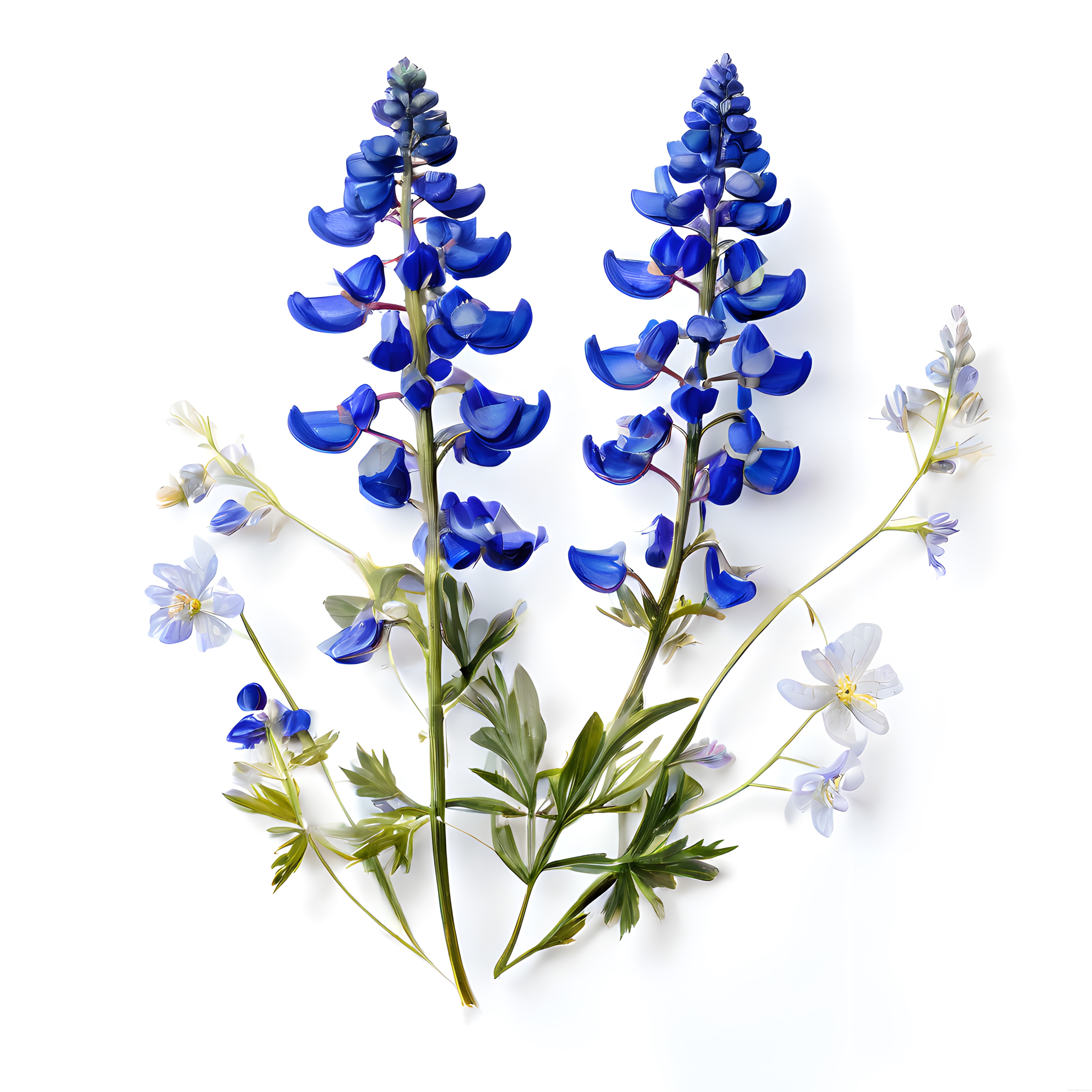
Başak şeklinde çiçeklenir.
The inflorescence is a spike.
Başak3- letters Zodiac sign
Vir
başakzodiac symbol for Libra
virgin