Sözlük
/öfke
öfke
/øfˈce/
noun
B2 seviye
TR → EN
"öfke" kelimesinin İngilizcesi: anger, choler, dudgeon, exasperate, fret. Anlamı, çevirisi, telaffuzu ve örnek cümleler aşağıdadır.
Çeviri
Genelangernoun
Genelcholer
Geneldudgeon
Genelexasperate
Genelfret
Genelfume
Genelheat
Genelhuff
Genelindignation
Genelire
Genelpassion
Genelpet
Genelspunk
Genelwrath
Genelanger
Genelfury
Genelirritation
Genelrancor
Genelanger
Genelanger
Genelfury
Genelirritation
Genelrancor
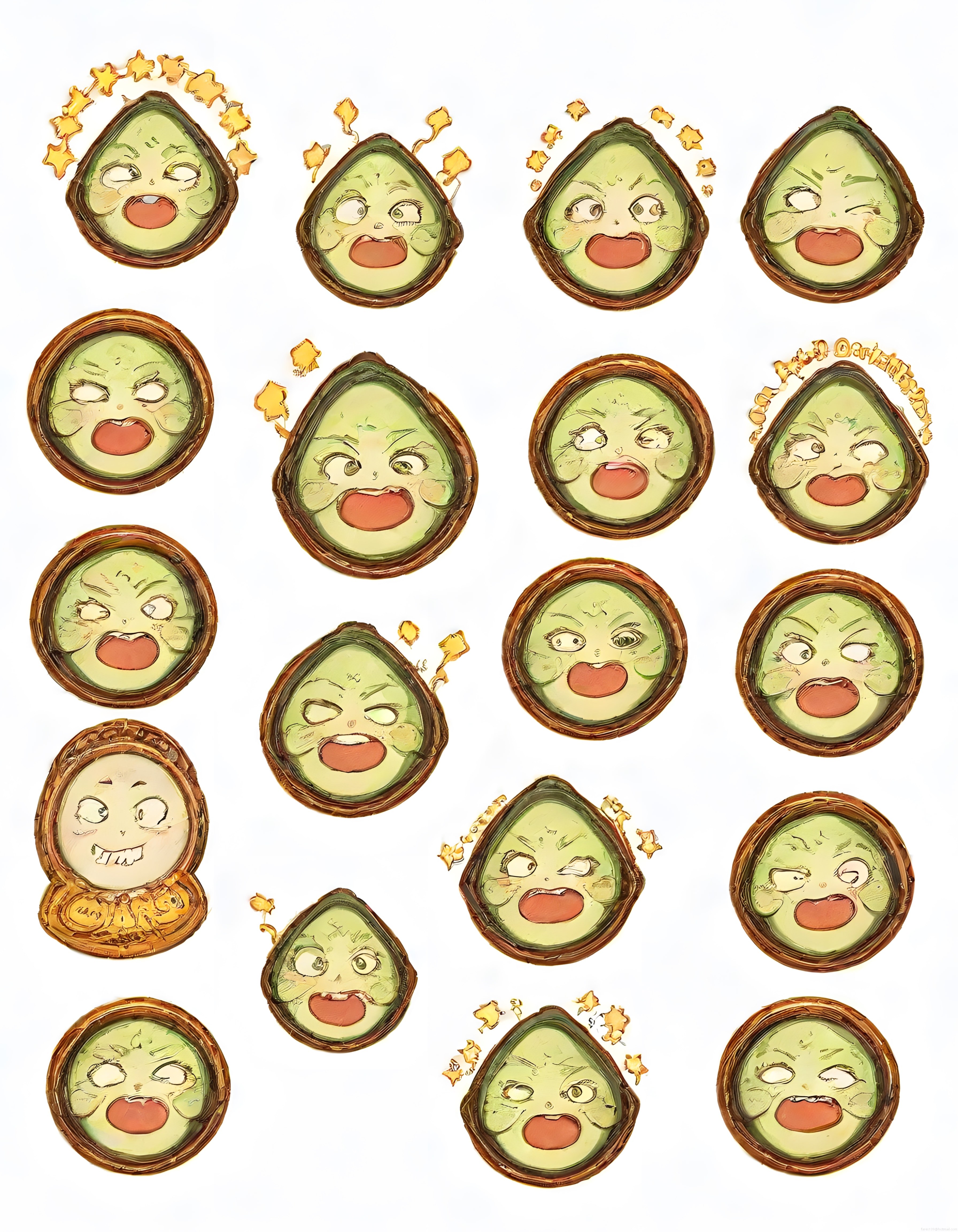
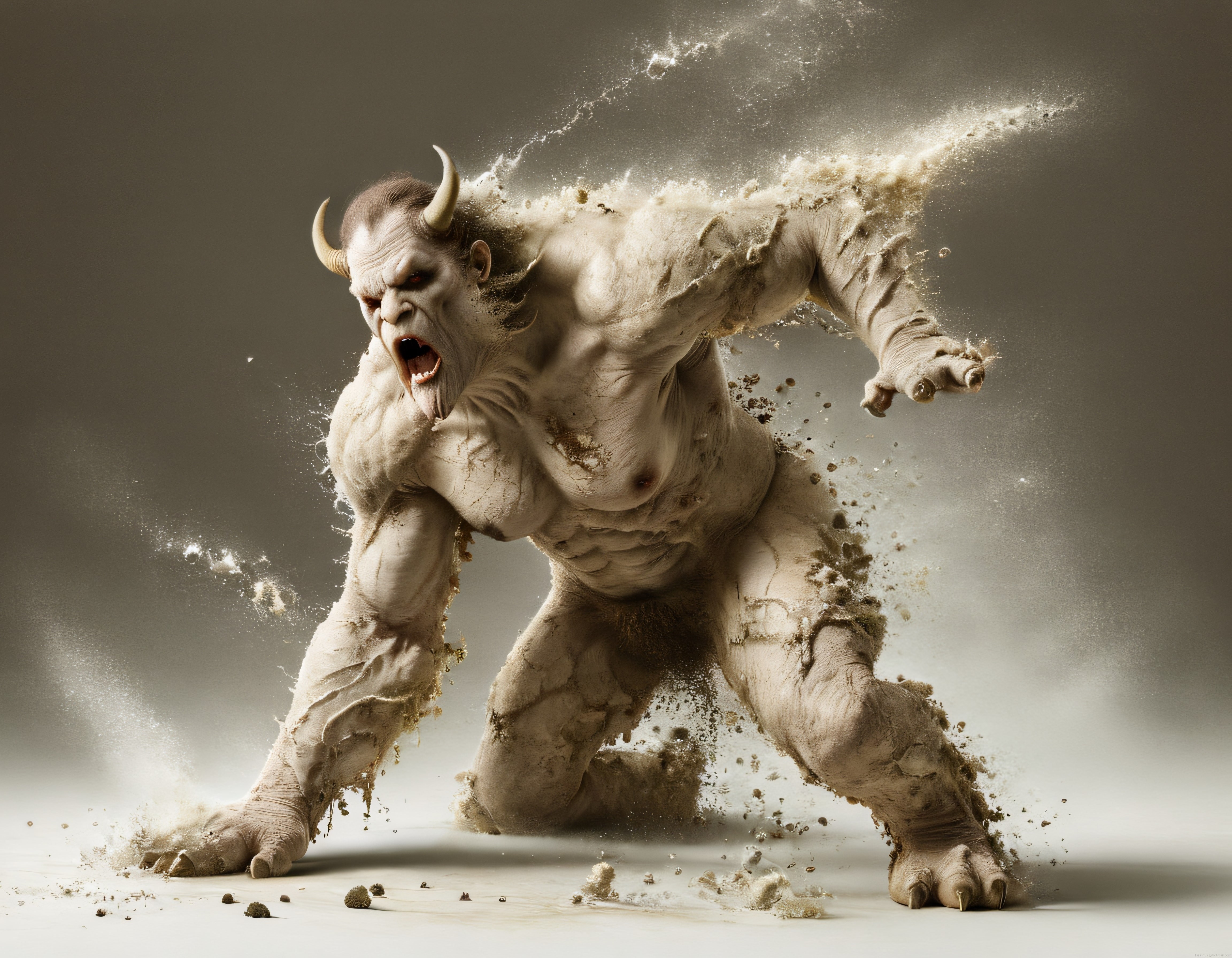
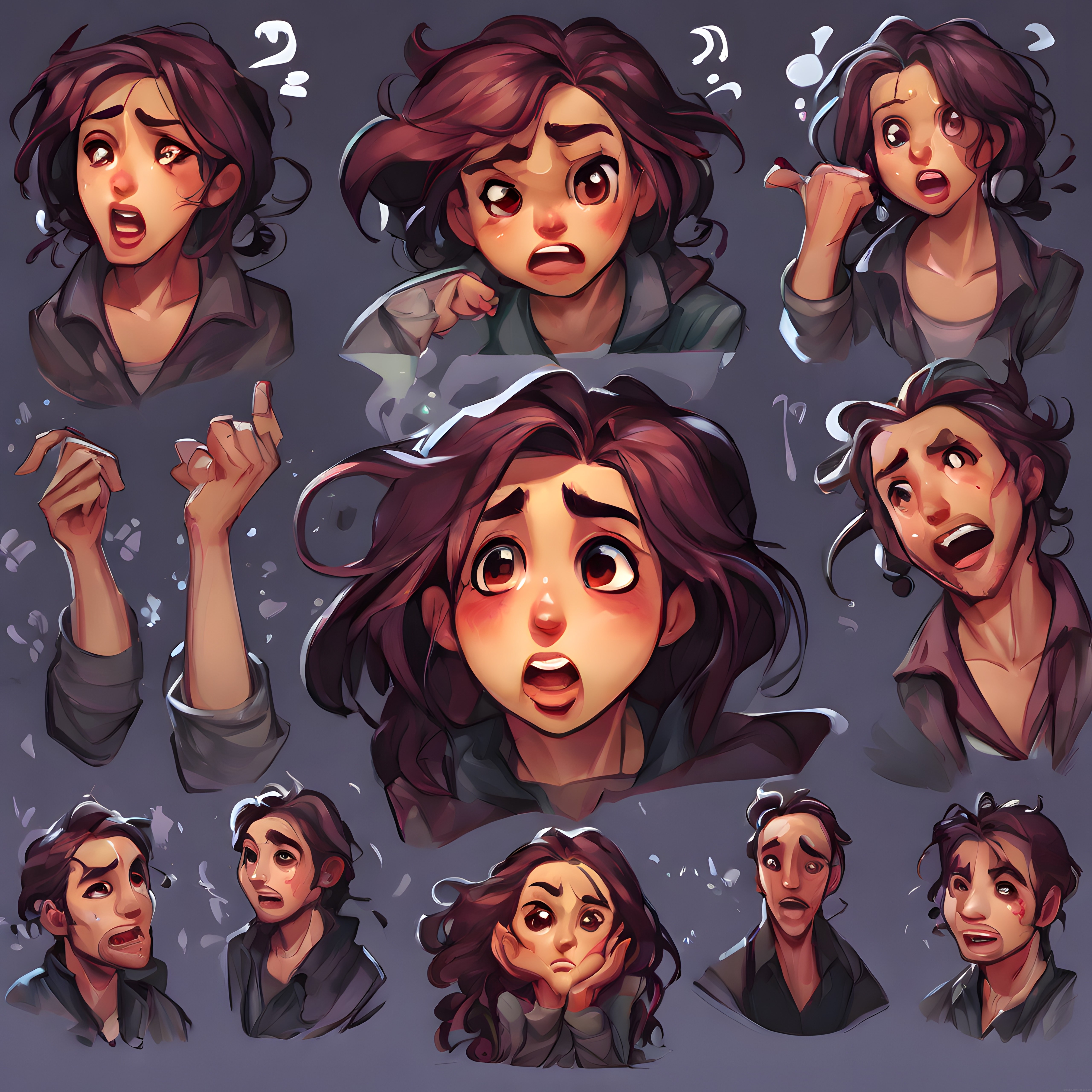
Görsel

Çekim Tablosu
Belirtme (-i)öfkeyi
Yönelme (-e)öfkeye
Bulunma (-de)öfkede
Çıkma (-den)öfkeden
Tamlayan (-in)öfkenin
Çoğul (-ler)öfkeler
Tanım
•engelleme, incinme veya gözdağı karşısında gösterilen saldırganlık tepkisi, hışım, hiddet, kızgınlık
•Engelleme, incinme veya gözdağı karşısında gösterilen saldırganlık tepkisi, kızgınlık, hışım, hiddet, gazap
Atasözü & Deyim
“Öfke baldan tatlıdır”
“Öfkeyle kalkan zararla (ziyanla) oturur”
Diğer Dillerde
annoyance, anger · trouble, an unpleasant or dangerous situation
çekim: tamlayan Ärgers
eş: Missmut, Unmut, Verstimmung, Wut, Zorn, Schwierigkeiten
köken: Back-formation from ärgern, verb.
Vielleicht Wut. — Belki öfke.
seinem Ärger Luft machen.
Es wird Ärger geben.
FransızcaColère (dişil) /kɔ.lɛʁ/
anger, rage · wrath
çekim: çoğul colères
eş: bronca, courroux, fureur, ire, pétard, rage
köken: Old borrowing from Late Latin cholera, itself a borrowing from Ancient Greek χολέρα (kholéra), from χολή (kholḗ). Doublet of choléra.
aile: coléreux, colérique, décolérer, encolérer
Peut-être de la colère. — Belki öfke.
être en colère
se mettre en colère
entrer dans une colère noire
İspanyolcaberrea, bola rápida, brama, cachondear, cachondez, caldear
inflection of berrear: · second-person singular imperative
Tal vez furia. — Belki öfke.
İtalyancaadirare, adirarsi, arrabbiarsi, batteria, caldo, calore /a.diˈra.re/
to anger
çekim: geçmiş adiràto · ortaç adiràto · şimdiki adìra · ulaç adirànte
Forse rabbia. — Belki öfke.
Rusçaгнев, ярость; злость
Возможно гнев. — Belki öfke.
Arapçaأَحَرَّ, أَغْضَبَ, حَرَارَة, سَخَّنَ, سُخُونَة, غَضَب
ربما غضب. — Belki öfke.
anger, wrath, rage
köken: From Middle Persian ʾyšm, xyšm (xēšm, “anger”), from Old Persian *aišima (compare Avestan 𐬀𐬉𐬱𐬆𐬨𐬀 (aēšəma), 𐬀𐬉𐬴𐬨𐬀 (aēṣ̌ma)), from Proto-Iranian *HayšHmah, from Proto-Indo-Iranian *HayšHmas, from Proto-Indo-European *h₁oysh₂-mo-s, from *h₁eysh₂-. Cognate with Parthian 𐫙𐫢𐫖𐫃 (ʿšmg /išmag/, “wrath, the demon wrath”), Northern Kurdish hov (“savage”) and more distantly Latin īra. Akin to Old Armenian…
aile: خشمگین
خشم بر شاهان شه و ما را غلام خشم را هم بستهام زیر لگام
misspelling of əsəbiləşmək
to open, disclose · to find, identify
çekim: geçmiş аштым · ortaç ашқан
köken: Inherited from Proto-Turkic *ač-.
Özbekçegʻazab, qizdirmoq
Felemenkçeboos maken, boos worden, boosheid, broeds, heet worden, hitte (dişil) /ˈboːs.ɦɛi̯t/
anger
eş: kwaadheid, nijd, boosaardigheid, kwaadaardigheid, kwaadwillendheid, kwaadwilligheid
köken: From Middle Dutch boosheit. Equivalent to boos + -heid.
Wellicht boosheid. — Belki öfke.
In zijn boosheid scheurde hij het contract doormidden.
In his anger he tore up the contract.
Portekizceaquecer, bófia, cio, eliminatória, encolerizar, enraivecer /a.keˈse(ʁ)/
to heat · warm up as a preparation for a physical activity · warm up (to make an audience enthusiastic)
çekim: geçmiş aqueci · ortaç aquecido · şimdiki aquece
zıt: esfriar, gelar, arrefecer
köken: From a- + Latin calēscere (“to heat up”), frequentative of caleō (“to be warm”). Compare Galician quecer.
aile: aquecimento, aquecedor, aquecido, aquecível
Talvez fúria. — Belki öfke.
Yunancaζέστη, θερμότητα, θυμός, θυμώνω, οργή, προκριματικός αγώνας (dişil) /ˈze.sti/
heat
çekim: çoğul ζέστες · tamlayan ζέστης
köken: From Ancient Greek ζέω (zéō, “I heat”). Cf. also ζεστός (zestós). Cognate with Mariupol Greek зест (zjest).
Ίσως θυμό. — Belki öfke.
heat
eş: 열, 열기
köken: 덥- (deop-, “to be hot”) + -이 (-i, noun-deriving suffix).
aile: 더위팔기
화를 내거나 — Belki öfke.
strong desire to mate in animals, especially mammals; heat, rut
çekim: çoğul brunster · tamlayan brunsts
köken: From Middle Low German brunst
Wrath den Ursinnige. — Öfkeli Wrath.
affection, affect (strong feeling in response to a stimulus) · affection, love · affect, desire
çekim: çoğul afekty · tamlayan afektu
köken: Etymology tree Proto-Indo-European *h₂éd Proto-Italic *ad Proto-Italic *ad- Latin ad- Proto-Indo-European *dʰeh₁k- Proto-Indo-European *-yéti Proto-Indo-European *dʰh₁kyéti Proto-Italic *θakjō Proto-Italic *fakjō Latin faciō Latin afficiō Proto-Indo-European *-tus Proto-Italic *-tus Latin -tus Latin affectuslbor. Polish afekt Learned borrowing from Latin affectus. First attested in 1557.
Złość? — Belki öfke.
anger, ire, wrath
çekim: tamlayan гні́ву
köken: From Proto-Slavic *gněvъ.
aile: гнівли́вий, гні́вний, гні́ватися, гніви́ти
Був сердитий. — Çok öfkelendim.
scintilla, a sparkling, spark
çekim: çoğul आँचें
köken: Inherited from Sauraseni Prakrit 𑀅𑀘𑁆𑀘𑀺 (acci), from Sanskrit अर्चिस् (arcis), from Proto-Indo-European *h₁erkʷ-. Cognate with Assamese আঁচ (ãs) and Gujarati આંચ (ā̃ca).
Fincehehkuttaa, helle, juoksuaika, karsintaerä, kiihko, kiihottaa /ˈhehkutːɑːˣ/
to cause to glow · to preheat a diesel engine using a glowplug · to anneal (to subject to great heat and then cooling for the purpose of rendering less brittle)
çekim: geçmiş hehkuttanut · şimdiki hehkuttaisi · ulaç hehkuttava
köken: hehkua (“to glow”) + -ttaa
aile: hehkutella, hehkuttaja, hehkuttaminen, hehkuttua, hehkutus
Ehkä tunnette suuttumusta. — Belki öfke.
Italialaislehdet hehkuttivat Räikköstä
anger, wrath (great anger)
çekim: çoğul hněvy · tamlayan hněvu
eş: zloba, rozhorlení
köken: Inherited from Old Czech hněv, from Proto-Slavic *gněvъ.
Krotit hněv. — Öfkeye yatkındır.
obracet svůj hněv proti
vyvolat hněv
Rumencecăldură, calificări, enervare, furie, încălzi, mânie (dişil)
heat, warmth · hot weather, days · fever
çekim: çoğul călduri · tamlayan călduri
zıt: frig
köken: Inherited from Vulgar Latin *caldūra, from Latin caldus, calidus. Compare Italian caldura, Aromanian cãldurã. By surface analysis, cald + -ură.
Probabil furie. — Belki öfke.
fury, rage, wrath, temper, ire, anger
çekim: çoğul dühök
köken: Of unknown origin.
aile: dühít, dühöng, dühös, dühkitörés, dühbe gurul
Talán dühöt. — Belki öfke.
heat wave
çekim: çoğul גלי חום
אולי כעס. — Belki öfke.
to warm or heat · to rouse or excite
çekim: ortaç calefactus · şimdiki calefacit · ulaç calefaciēns
köken: From caleō (“to warm”) + faciō (“to make”).
aile: calefactō, excalfaciō, incalfaciō
Dancaheat, hede, hedebølge, løbetid, opvarme, opvarmning (nötr) /ˈheːðə/
A heath. · A moor.
çekim: çoğul heder · tamlayan hedes
köken: From Old Norse heiðr (“heath, moor”).
Wrath den rasende. — Öfkeli Wrath.
Norveççehetetokt, opphisse, oppvarme, sinne, tenne, varme opp
De ble rasende. — Çok öfkelendim.
Endonezceamarah, kalor, memanaskan, panas /ˈkalor/
heat: · the condition or quality of being hot
çekim: çoğul kalor-kalor
köken: Learned borrowing from Latin calor (“warmth, heat; glow”).
aile: kalor beku, kalor embun, kalor fusi, kalor jenis, kalor lebur, kalor reaksi, kalor uap
Mungkin marah. — Belki öfke.
Etimoloji
Osmanlı Türkçesi اوفكه (öfke) sözcüğünden devralındı.
Deyimler
Eş & Zıt Anlamlılar
Örnek Cümleler
O öfkeli.
He's outraged.
Tom öfkeli.
Tom is furious.
Belki öfke.
Perhaps anger.
O öfkelendi.
He flew into a rage.
O öfkeliydi.
She was outraged.
O çok öfkeli.
She has a hot temper.
Öfkeli oldum.
I became angry.
Öfkeli misin?
Are you furious?
Öfkeyle boğdu.
He choked with rage.
Tom öfkelendi.
Tom got angry.
Tom öfkeliydi.
Tom was indignant.
Ben öfkeliyim.
I'm furious.