Sözlük
/tava
tava
"tava" kelimesinin İngilizcesi: fryerfrier, pan, frying pan, frying pan, frying pan. Anlamı, çevirisi, telaffuzu ve örnek cümleler aşağıdadır.
Çeviri
Genelfryerfrier
Genelpan
Genelfrying pannoun
Genelfrying pan
Genelfrying pan
Görsel
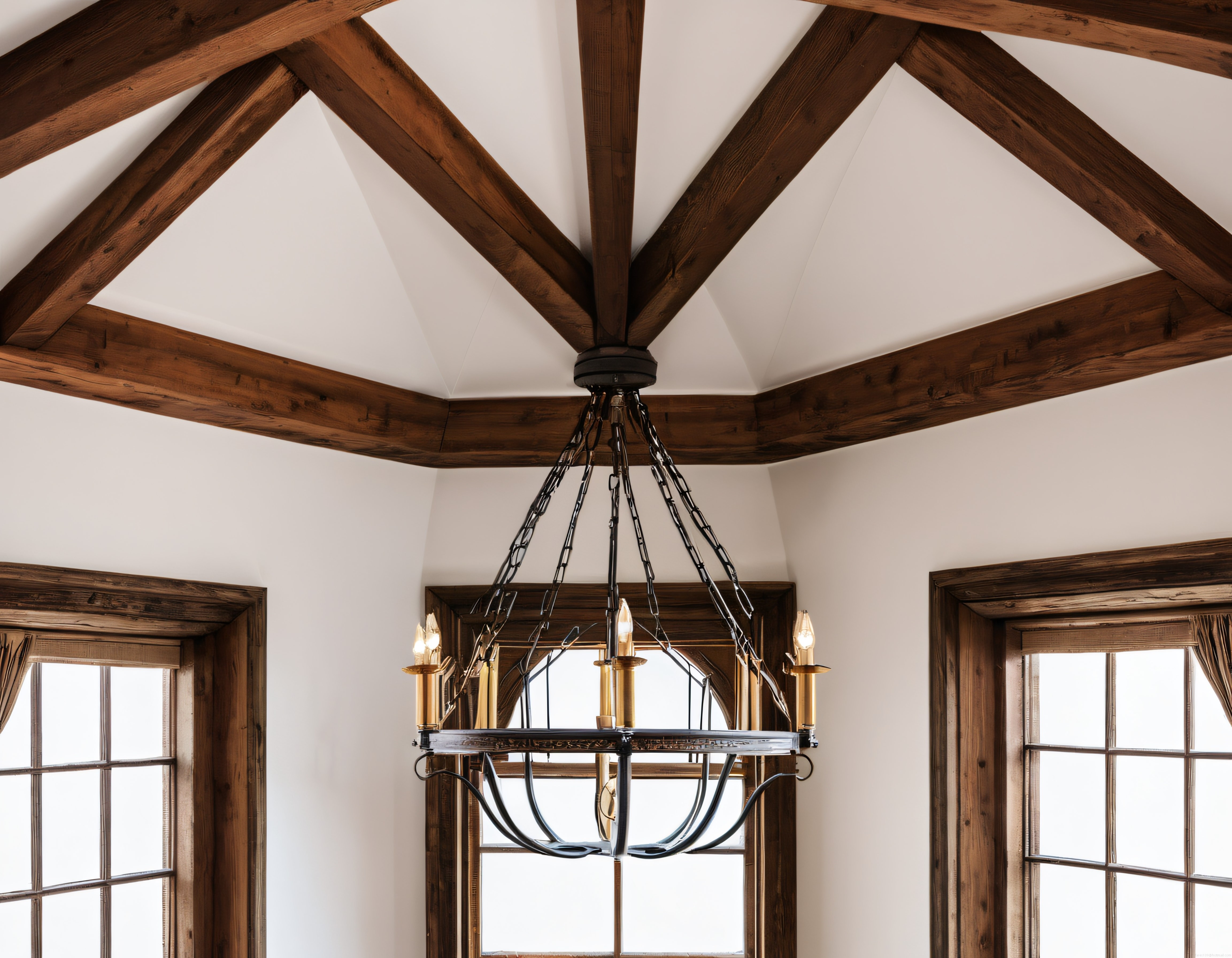
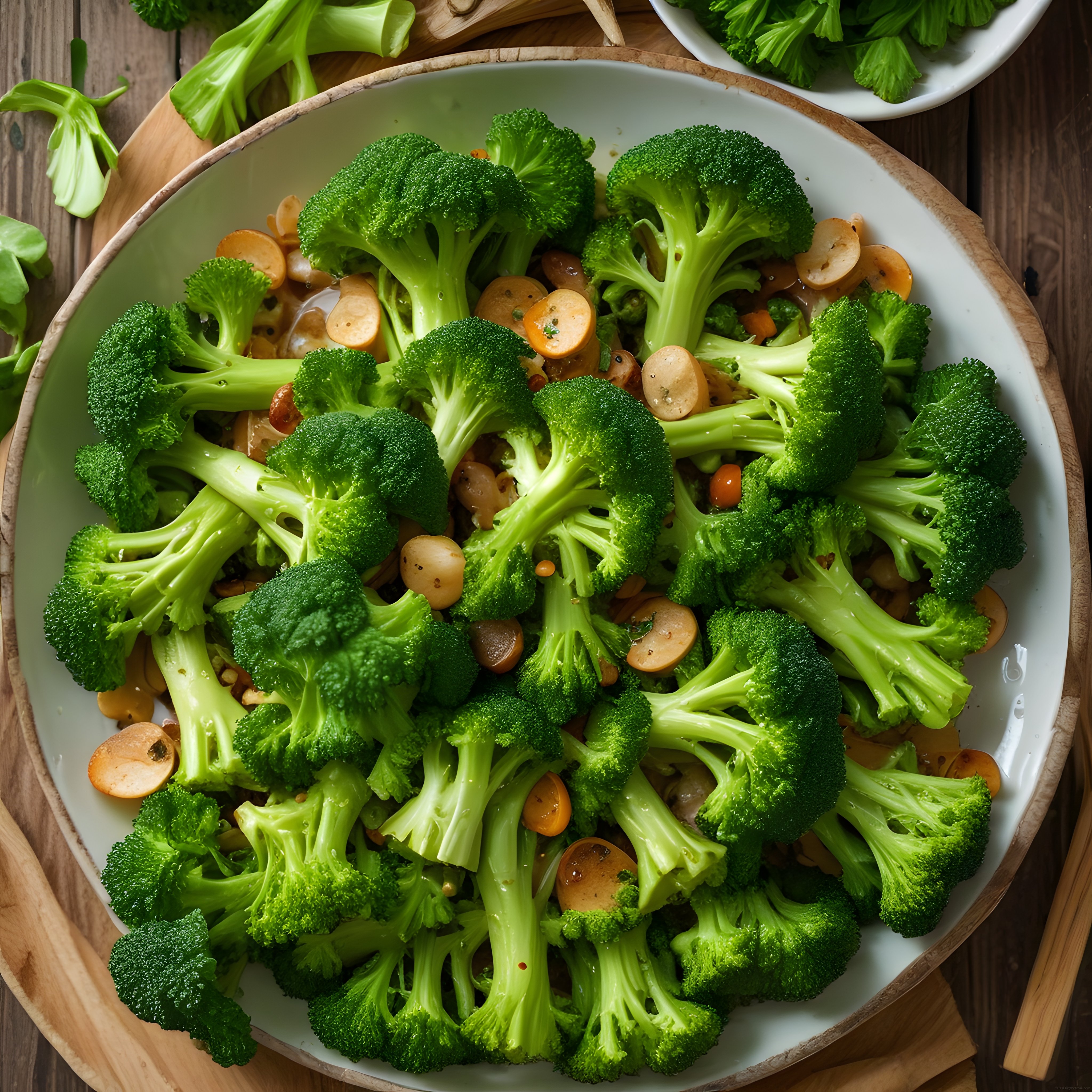
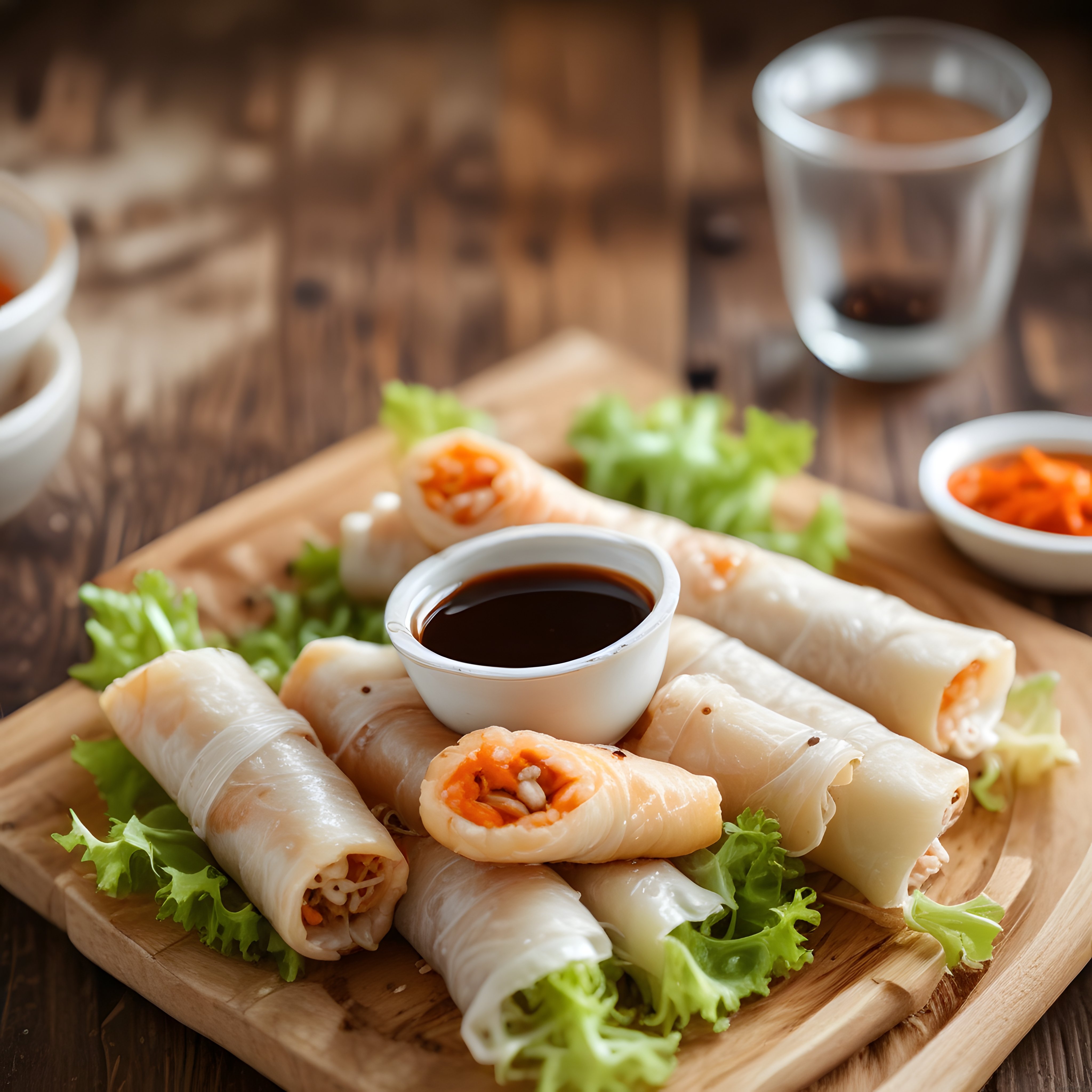

Çekim Tablosu
Belirtme (-i)tavayı
Çoğul (-ler)tavalar
Tanım
•isim: Yağ kızdırma, yiyecek kızartma vb. işlere yarayan, uzun saplı yayvan kap
•Bu kapta pişmiş yemek
•madencilik: Maden eritilen saplı pota
•Kireç karıştırılan tekne
•Deniz veya göllerde suların geri çekilmesiyle kuruyan bölüm
•denizcilik: Gemilerde borda iskelesinin alt başındaki sahanlık
Diğer Dillerde
Almancapfanne (dişil) /ˈpfanə/
frying pan · short for compounds having -pfanne as their last component · in technical contexts often a metaphor for various implements termed in English mostly socket, as well as in anatomical terminology.
çekim: çoğul Pfannen · tamlayan Pfannen
eş: Bratpfanne, Kasserolle, Kochtopf, Tiegel, Transportpfanne, Gießpfanne
köken: From Middle High German pfanne, from Old High German phanna, from Proto-West Germanic *pannā, from Proto-Germanic *pannǭ, from Late Latin panna, from Latin patina (“bowl, platter”). Doublet of Patina.
aile: etwas auf der Pfanne haben, in die Pfanne hauen, pfannenartig, pfannenlos
Das flache Dach. — Caminin tavanı.
Dachpfanne
Pulverpfanne
Fransızcacuvette, faire un panoramique, miche de pain, poêle (dişil) /ky.vɛt/
basin, bowl; washbowl · basin, washbasin (in bathroom) · pan (of toilet)
çekim: çoğul cuvettes
eş: bassine
köken: From cuve + -ette.
Presses du Midi 2014. — Medyatava 2014.
İspanyolcacriticar duramente, dejar por los suelos, destrozar, panear, panoramizar, poner a parir /destɾoˈθaɾ/
to destroy, to break
çekim: geçmiş destrocé · ortaç destrozado · şimdiki destroza
eş: despedazar, destruir, romper
köken: From des- + trozo + -ar.
aile: destrozador, destrozo, destrozón
El techo tiene goteras. — Tavan akıyor.
İtalyancabatea, fetta, fetta di pane, muso, padella, padellata (dişil)
pan (wide receptacle used in gold washing)
çekim: çoğul batee
Medicea Prato 2014. — Medyatava 2014.
Rusçaсковорода (dişil) /skəvərɐˈda/
frying pan (long-handled, shallow pan used for frying food)
çekim: çoğul ско́вороды · tamlayan сковороды́
eş: сковородка, сковородочка, сковородища
köken: Inherited from Old East Slavic сковорода (skovoroda), from Proto-Slavic *skovorda.
Вейвода, Джим. — Motavalli, Jim.
Arapçaينتقد بشدَة
Pizzi، Michael. — Motavalli, Jim.
Farsçaماهی تابه
iets meer afkeuren dan eigenlijk gerechtvaardigd is
eş: hekelen, afkeuren, afkraken, afgeven, kritiseren, denigreren
Puzzanghera, Jim. — Motavalli, Jim.
Portekizcebatear, bateia, caçarola, frigideira, Pã
lavar na bateia terras e minerais
KALER, Jim. — Motavalli, Jim.
any large bowl · washbasin, handbasin, sink · toilet bowl, toilet pan
çekim: çoğul λεκάνες · tamlayan λεκάνης
köken: From Ancient Greek λεκάνη (lekánē).
aile: λεκάνη απορροής
Πολτάβαukraine. kgm — Poltavaukraine. kgm
Japoncaパン /pã̠ɴ/
bread, pastries, any baked good with a crust (a type of food)
çekim: geçmiş パンした
köken: Etymology tree Proto-Indo-European *peh₂-der.? Latin panis Old Galician-Portuguese pan Portuguese pãobor. Japanese パン From Portuguese pão (“bread”), from Latin pānem, accusative singular form of pānis (“bread”). Compare French pain, Italian pane, Romanian pâine, Spanish pan.
aile: パン屑, パン粉: dry breadcrumb, パン屋: a bakery, a baker, フランスパン, 食パン, あんパン
屋根が深い。 — Tavanı kubbelidir.
İsveççepanna, panorera, sabla, såga /²panːa/
forehead, brow · a pan (cooking vessel) · a boiler (appliance in a central heating system used to obtain the heat energy, which is later distributed throughout the building)
çekim: çoğul pannor · tamlayan pannas
köken: From Old Norse panna, from Proto-Germanic *pannǭ.
aile: forehead, galenpanna, virrpanna, cooking receptacle, grillpanna, långpanna, pannkaka, stekpanna, heating system, kolpanna
Långhusets tak. — Caminin tavanı.
rynka pannan
lägga pannan i djupa veck
helpanna
Lehçebochen, patelnia (eril) /ˈbɔ.xɛn/
augmentative of bochenek
çekim: çoğul bochny · tamlayan bochna
köken: Back-formation from bochenek. First attested in 1534.
Edycja 2014. — Medyatava 2014.
dorodny bochen
duży bochen
ogromny bochen
a closed body of water, e.g. a lagoon · reservoir (natural or artificial lake used as a source of water supply) · glacial basin (a broad and relatively shallow depression caused by glaciation)
çekim: çoğul altaat · tamlayan altaan
köken: From Proto-Finnic *aldas (compare Karelian allaš (“trough”)), derived from a root borrowed from Proto-Germanic *aldǭ (“trough”) (whence e.g. Norwegian olda and separately also aalto). The ending has probably been modified to -as by analogy with other Germanic loans (such as valas).
aile: allastaa, allikko, aaltoallas, allasalue, allasbaari, allaskaappi, allaskatto, allasosasto, allastelakka, huuhteluallas
Mediatiedot 2012. — Medyatava 2014.
ÇekçePan, pánev, přejíždět, rozcupovat, rýžovací mísa, rýžovací pánev (eril) /ˈpan/
označení, oslovení muže před jménem, příjmením, titulem nebo povoláním
çekim: çoğul páni · tamlayan pana
eş: milostpán, vašnosta, p.
Na střeše světa. — Salonun tavanı.
pot (for cooking), saucepan
çekim: çoğul cratițe · tamlayan cratițe
köken: Unknown. Probably of Slavic origin. Compare Serbo-Croatian kratica (“shortening”).
Acoperișul din tablă. — Salonun tavanı.
Macarcabírál, kritizál, lehúz, leszól, megbírál, Pán /ˈbiːraːl/
to judge, criticize, censure (to find fault) · to review, appraise (to evaluate)
çekim: geçmiş bíráltak
köken: From the noun bíró + -l.
aile: bírálat, agyonbírál, elbírál, felülbírál, fölülbírál, lebírál, megbírál
Nyílás a tetőn. — Caminin tavanı.
A broad, shallow dish, a pan, stewpan. · A kind of cake. · A crib, manger.
çekim: çoğul patinae · tamlayan patinae
köken: Borrowed from Ancient Greek πατάνη (patánē). This must be an early borrowing, because it displays vowel reduction of a to i.
forehead
çekim: çoğul pander · tamlayan pandes
Fluen er på loftet. — Sinek tavanda.
Norveççepanne m and, panorere, slakte
Taket er nedfellbart. — Tavanı kubbelidir.
Vietnamcacái giần, cái lòng chảo, chảo, sự chỉ trích, sự đả kích /t͡ɕaːw˧˩/
dish (type of antenna) · buttock
Nhà Hồ sụp đổ. — Tavan çökmek üzere.
chảo chống dính
chảo vệ tinh
Bulgarcaкорито, промивам, солница, тига́н (nötr) /koˈrito/
trough, tub · riverbed, channel
çekim: çoğul корита́
köken: From Proto-Slavic *koryto.
Птицата на твоя покрив. — Salonun tavanı.
ре́чно кори́то
Slovakçapanvica
Poltavaukraine. kgm — Poltavaukraine. kgm
Taycaกระทะ /kra˨˩.tʰaʔ˦˥/
frying pan.
köken: Possibly from Old Khmer កដាហ (kaṭāha), កទាហ (kadāha), គទាហ (gadāha), ខ្ទាះហ (khdāḥha, “frying pan”), and thus cognate with Modern Khmer ខ្ទះ (khtĕəh).
aile: กระทะทอง, กระทะทองแดง, กระทะใบบัว, ไข่กระทะ, หมูกระทะ
Galiçyacabarutar, bortelar, paila, panela, peneirar, sartaña /baɾuˈtaɾ/
to sift, to sieve, especially the flour from the bran · to hover
çekim: geçmiş barutei · ortaç barutado · şimdiki baruta
köken: From Old French buleter, beluter (compare French bluter, Italian burattare), ultimately perhaps from a Germanic language.
aile: baruto
Galcepadell (dişil) /ˈpadɛɬ/
bowl
çekim: çoğul padelli
köken: Inherited from Middle Welsh padell, from Old Welsh patel, from Proto-Brythonic *padell, from Latin patella, diminutive of patera or patina.
aile: padell ffrio, padell wely, padellaid
İrlandacafriochtán
Etimoloji
From Ottoman Turkish تاوه (tâva), from Persian تاوه (tâve).
Örnek Cümleler
Tavana baktım.
I looked up at the ceiling.
Sinek tavanda.
The fly is on the ceiling.
Medyatava 2014.
Absolut Medien 2014.
Tava çok sıcak.
The pan is too hot.
O tavana baktı.
She stared at the ceiling.
Motavalli, Jim.
Motavalli, Jim.
Salonun tavanı.
The ceiling of the Hall.
Tom patavatsız.
Tom is tactless.
Tavan fanı açık.
The ceiling fan is on.
O, tavana baktı.
He looked up at the ceiling.
Bir tavamız yok.
We do not have a pan.
Tavan sızdırıyor.
The ceiling is leaking.
İlgili Sorular
Sinek, tavanın üzerine oturmak üzere yönünü değiştirmeden önce kaç santimetre kadar yaklaşır?
Odadan nasıl çıkabildim? İçinde 4 duvar, zemin, tavan, pencere ve kapı olmayan bir odada yalnızca bir masa ve bir testere vardı. Duvarları, zemini ya da tavanı kesmedim. Çıkış yolum neydi?
Fırında peynirli tost yaparken kızartma tavası ile hafif bir yanık oluştu; bu yanığı evde rahatlatmak için ne yapabilirim?
Sıyrılmış oyun disklerini (Xbox ve bilgisayar) temizlemek için tavayı tavsiye edebilirim?
Döküm tava kullanmak, paslanmaz çelik tavaya göre daha avantajlı mı?
Birleşik Kelimeler
tava böreğitava ekmeğiyanmaz tavaElbasan tavası