Sözlük
/iştahla
iştah
"iştah" kelimesinin İngilizcesi: appetite, appetite, lusty, stomach, appetite. Anlamı, çevirisi, telaffuzu ve örnek cümleler aşağıdadır.
Çeviri
Genelappetitenoun
Genelappetite
Genellusty
Genelstomach
Genelappetite
Genelappetite
Görsel
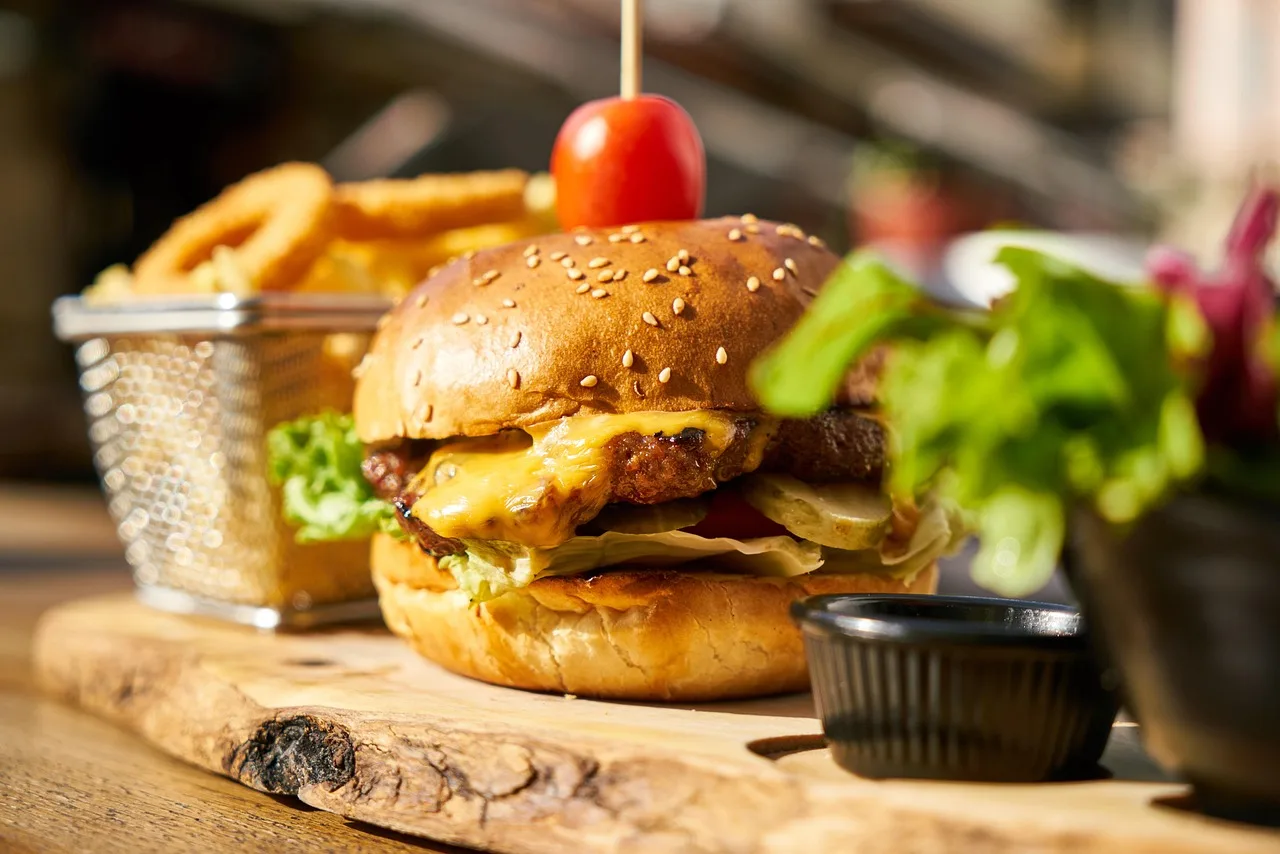


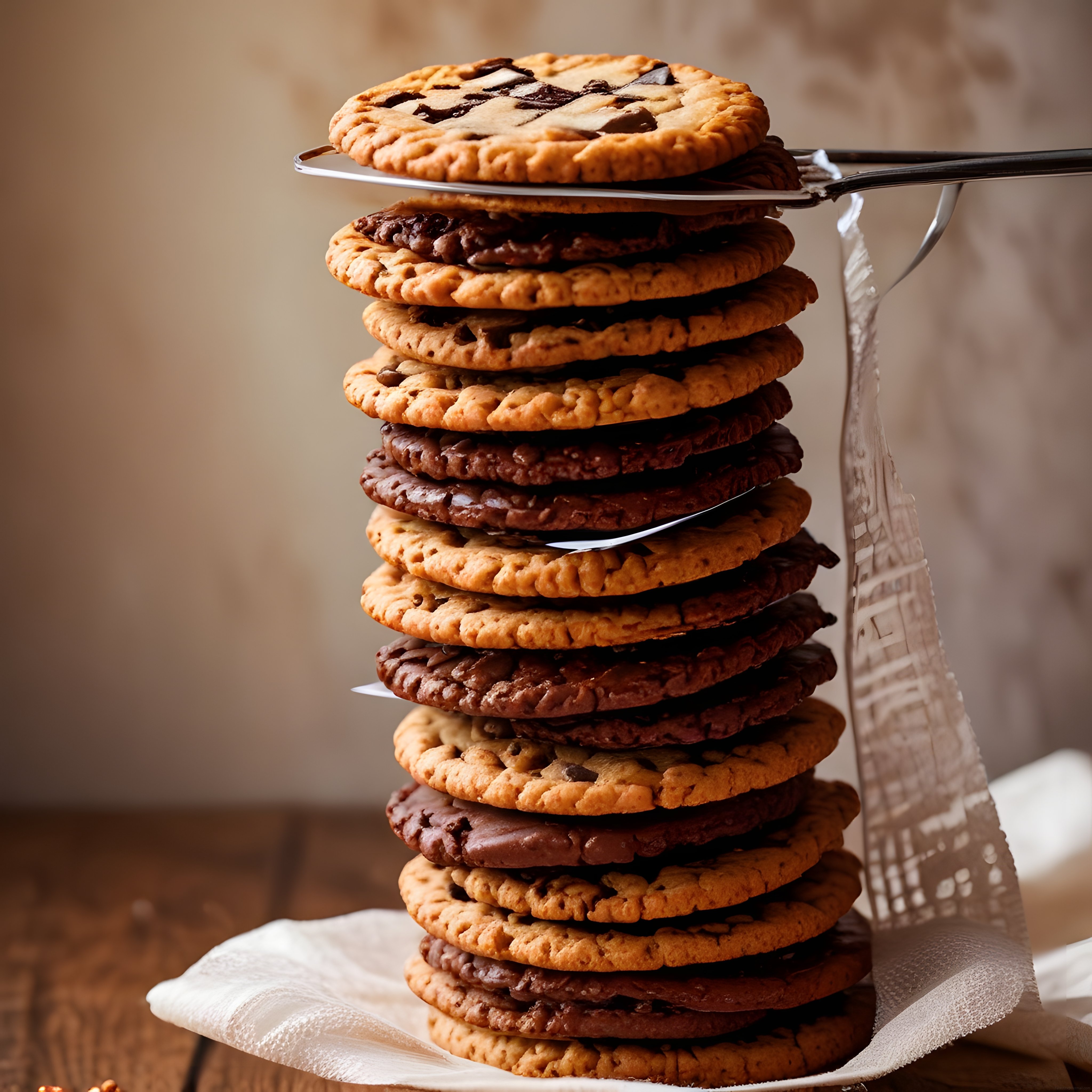
Çekim Tablosu
Belirtme (-i)iştahı
Yönelme (-e)iştaha
Bulunma (-de)iştahta
Çıkma (-den)iştahtan
Tamlayan (-in)iştahın
Çoğul (-ler)iştahlar
Tanım
•Yemek yeme isteği; iştiha
•(mecaz) Cinsel istek ya da arzu
•Cinsel istek veya arzu
•Yemek yeme isteği
Diğer Dillerde
AlmancaAppetit, Bauch, Begierde, Lust, Magen (eril) /ˌapəˈtiːt/
appetite
çekim: tamlayan Appetites
köken: Borrowed from Old French apetit or directly from its source, Late Latin appetītus (“attack; striving, desire; appetite”), a fourth-declension noun derived from Latin appetō (“to assail; to strive after”).
aile: appetitanregend, appetitlich, appetitlos, Appetitzügler, guten Appetit
Ich habe keinen Hunger. — İştahım yok.
1922, Franz Kafka, Ein Hungerkünstler, in: Die neue Rundschau, year 33, October issue, S. Fischer Verlag, page 985
FransızcaAppétit (eril) /a.pe.ti/
appetite
çekim: çoğul appétits
eş: appétence, envie, goût
köken: Inherited from Middle French appetit, from Old French apetit, loaned from Latin appetītus.
aile: bon appétit, l'appétit vient en mangeant
Je n'ai aucun appétit. — İştahım yok.
appetite
çekim: çoğul apetitos
köken: Borrowed from Latin appetītus.
aile: abrir el apetito, apetitoso, buen apetito
Pérdida del apetito. — İştah kaybı.
İtalyancaappetito, digerire, pancia, sopportare, stomaco (eril) /ap.peˈti.to/
appetite
çekim: çoğul appetiti
eş: appetenza, fame, voglia di mangiare, bulimia, brama, cupidigia
köken: From Latin appetītus.
Non ho fame. — İştahım yok.
Rusçaаппетит, желание, охота (eril) /ɐpʲɪˈtʲit/
appetite
çekim: çoğul аппети́ты · tamlayan аппети́та
eş: голод
köken: Borrowed from Latin appetītus. Compare typologically жор (žor) + напа́сть pf (napástʹ) collocations. Note natively formed Czech chuť (i.e. **хуть). Also note алчба, алкота, выть, тоща, listed by Dahl.
aile: аппети́тный, во́лчий аппети́т, Proverbs, аппети́т прихо́дит во вре́мя еды́
Аппетита нет. — İştahım yok.
Прия́тного аппети́та!
А́втор до́лжен призна́ться, что весьма́ зави́дует аппети́ту и желу́дку тако́го ро́да люде́й.
stomach, abdomen · womb · interior
çekim: çoğul بُطُون · tamlayan بَطْنٍ
köken: From the root ب ط ن (b ṭ n). Cognate with Hebrew בֶּטֶן (béten, “stomach”), Aramaic בטנא (baṭnā, “womb”), Ugaritic 𐎁𐎉𐎐 (bṭn, “to be pregnant”).
ليس لدي شهية للاكل — İştahım yok.
هُوَ أَعْلَمُ بِكُمْ إِذْ أَنْشَأَكُمْ مِنَ الْأَرْضِ وَإِذْ أَنْتُمْ أَجِنَّةٌ فِي بُطُونِ أُمَّهَاتِكُمْ
appetite (desire of or relish for food)
köken: Borrowed from Arabic اِشْتِهاء (ištihāʔ).
appetite · any strong desire; an eagerness or longing
çekim: çoğul iştahalar · tamlayan iştahanın
köken: From Arabic اِشْتِهَاء (ištihāʔ).
aile: iştahagətirən, iştahalandırma, iştahalandırmaq, iştahalanma, iştahalanmaq, iştahasız, iştahasızlıq
iştaha ilə yemək
iştahası açılmaq
iştahası pozulmaq/iştahasını itirmək
stomach
çekim: çoğul асқазандар · tamlayan асқазанның
köken: From ас (as, “food”) + қазан (qazan, “cauldron”).
aile: асқазандық
Özbekçemeʼda, oshqozon, qorin
stomach
çekim: çoğul meʼdalar · tamlayan meʼdaning
köken: Borrowed from Arabic مِعْدَة (miʕda).
Tatarcaашказан
lust, seksueel verlangen, seksuele begeerte
Ik heb geen eetlust. — İştahım yok.
Portekizceapetite, aturar, estômago (eril) /a.peˈt͡ʃi.t͡ʃi/
appetite · craving · desire; passion; ambition
çekim: çoğul apetites
eş: gana, ânsia
köken: Borrowed from French appétit, from Latin appetītus.
Além do sabor.”. — "İştah açıyorlar..."
abdomen, stomach, belly
çekim: çoğul κοιλιές · tamlayan κοιλιάς
köken: From Byzantine Greek, with synizesis to avoid hiatus, from Ancient Greek κοιλία (koilía). Compare the borrowed doublet κοιλία (koilía).
Δεν έχω όρεξη. — İştahım yok.
belly, tummy, stomach, abdomen
köken: Compound of 御 (o-, honorific prefix) + 中 (naka, “insides; innards, stomach”). Originally coined as a deliberately indirect 女房詞 (nyōbō kotoba, “woman's word”) for 腹 (hara, “belly, gut”). The use of the 腹 character to spell 中 (naka) appears to be a relatively recent shift; many dictionaries still list 御中 or お中 as the standard spelling for this term, but usage trends clearly show that this お腹…
aile: お腹が空く: → to become hungry, お腹を壊す: → to become sick to one's stomach, to become ill in one's gut, お腹を痛める: → to give birth
では・・ — İştahım yok.
abdomen; belly; stomach (Classifier: 個/个 m) · heart; gut; innermost being (Classifier: 個/个 m) · object shaped like a belly; round and protruding object (Classifier: 個/个 m)
eş: 腹, 腹, 腹部, 肚, 肚皮, 肚皮
aile: 一肚子, 拉肚子, 腿肚子, 餓肚子, 饿肚子, 鬧肚子, 闹肚子
是名超愛喝酒的人。 — 1) Süt içmeye iştahlı olan erkek.
你肚子餓了嗎?
你肚子饿了吗?
他打了我肚子一拳。
appetite, desire to eat
köken: Sino-Korean word from 食慾 (“appetite”)
1017 s 이상 — 107 ^ El İstahrî, s.
인간에게는 3대 욕구가 있다고 합니다. 식욕, 성욕, 수면욕이죠.
appetite; hunger
çekim: çoğul aptiter · tamlayan aptits
köken: Borrowed from German Appetit (“appetite”), from French appétit (“appetite; desire”), from Latin appetītus (“assault; longing, desire”), from appetō (“to strive for, reach after”) + -tus (action noun suffix). Compare Danish appetit, English appetite.
aile: aptitlig, aptitretande
Jag har ingen apptit. — İştahım yok.
äta något med god aptit
appetite (hunger for food) · appetite (hunger or want for anything)
çekim: çoğul apetyty · tamlayan apetytu
eş: łaknienie
köken: Etymology tree Latin appetītuslbor. Polish apetyt Learned borrowing from Latin appetītus. Compare Kashubian aptit and Slovincian aptyt.
aile: apetyczny, apetycznie, wilczy apetyt, apetyt rośnie w miarę jedzenia, ostrzyć sobie apetyt
Nie jestem głodna. — İştahım yok.
У неї анорексія. — O, iştahsız.
the stomach (organ) · dysentery · diarrhea
çekim: çoğul आमाशयों
köken: Learned borrowing from Sanskrit आमाशय (āmāśaya).
Fincehalu, hinku, kestää, maha, mahalaukku, ruokahalu /ˈhɑlu/
desire, wish, want · urge, itch
çekim: çoğul halut · tamlayan halun
köken: From Proto-Finnic *halu, possibly from halata (“to want”) + -u
aile: haluinen, halukas, halullinen, haluta, haluton, elämänhalu, huvittelunhalu, hyökkäyshalu, kilpailunhalu, kiusanhalu
Tomi Pulkkinen ISU. — Ayrıca çok iştahlı.
belly, abdomen
çekim: çoğul břicha · tamlayan břicha
eş: panděro, nácek, pupek, cejcha, život
köken: Inherited from Old Czech břuch, břucho, from Proto-Slavic *břuxo.
aile: břišní, břichatka, břichatkovité, břichatkovití, břicháč, břichomluvec, břichopásek, bříško, nadbřišek, pobřišnice
Břicho je světlé. — İştah açıcıdır.
appetite
çekim: çoğul apetituri · tamlayan apetitului
köken: Borrowed from French appétit.
Nu mi-e foame. — İştahım yok.
appetite
çekim: çoğul étvágyak
köken: ét + vágy
aile: étvágytalan, étvágyú, étvágycsináló, étvágycsökkentő, étvágygerjesztő, étvágyhiány, étvágyingerlő, étvágykeltő, farkasétvágy, jó étvágyat!
Csökkenti az étvágyat is. — İştahı baskılar.
İbraniceבֶּטֶן, קיבה \ קֵבָה, תֵּאָבוֹן
בעלת תיאבון רב. — Ayrıca çok iştahlı.
Latincealvus, appetītus, stomachus, venter /ˈaɫ.wʊs/
belly, bowels, paunch; excrement; flux, diarrhoea · stomach, digestive organs · womb; matrix (of a fruit)
çekim: çoğul alvī · tamlayan alvī
köken: * From Proto-Italic *aulos, from Proto-Indo-European *h₂ewlós, nominal form of *h₂ewlo- (“tube, hole, channel”), with metathesis. Cognate with Ancient Greek αὐλός (aulós), Lithuanian avilỹs. Same metathesis seen in parvus - παῦρος (paûros). For the semantics compare Old Armenian փոր (pʻor, “cavity, hollow; belly”). * Or from Proto-Italic *alwos, from Proto-Indo-European *h₂el- (“to nourish”) +…
aile: alvārium, alvārius, alveus
alvī pūrgātiō
alvī melle plēnae
Mediā alvō, quā introeant apēs, faciunt forāmina parva dextra ac sinistra.
Etimoloji
Arapça
Deyimler
Eş & Zıt Anlamlılar
Örnek Cümleler
O, iştahsız.
She's anorexic.
İştahım yok.
I don't have an appetite.
Tom iştahsız.
Tom is anorexic.
İştahını açar.
It gives you an appetite.
Maymun iştahlı.
Soon hot, soon cold.
Ben iştahsızım.
I'm anorexic.
İştahım iyiydi.
My appetite was good.
İştahım büyüktü.
My appetite was large.
Hiç iştahım yok.
I have no appetite.
Ama iştahım yok.
But I have no appetite...
İştahını kaçırma.
Don't spoil your appetite.
Çünkü iştahım yok.
It's because I don't have an appetite...