Sözlük
/havuz
havuz
"havuz" kelimesinin İngilizcesi: pool, pool, baslin, pond, receptacle. Anlamı, çevirisi, telaffuzu ve örnek cümleler aşağıdadır.
Çeviri
Genelpoolnoun
Genelpool
Genelbaslin
Genelpond
Genelreceptacle
Geneltank
Genelpool
Genelpool
Genelswimming poolnoun
Genelswimming pool
Genelswimming pool
Görsel

Çekim Tablosu
Belirtme (-i)havuzu
Yönelme (-e)havuza
Bulunma (-de)havuzda
Çıkma (-den)havuzdan
Tamlayan (-in)havuzun
Çoğul (-ler)havuzlar
Tanım
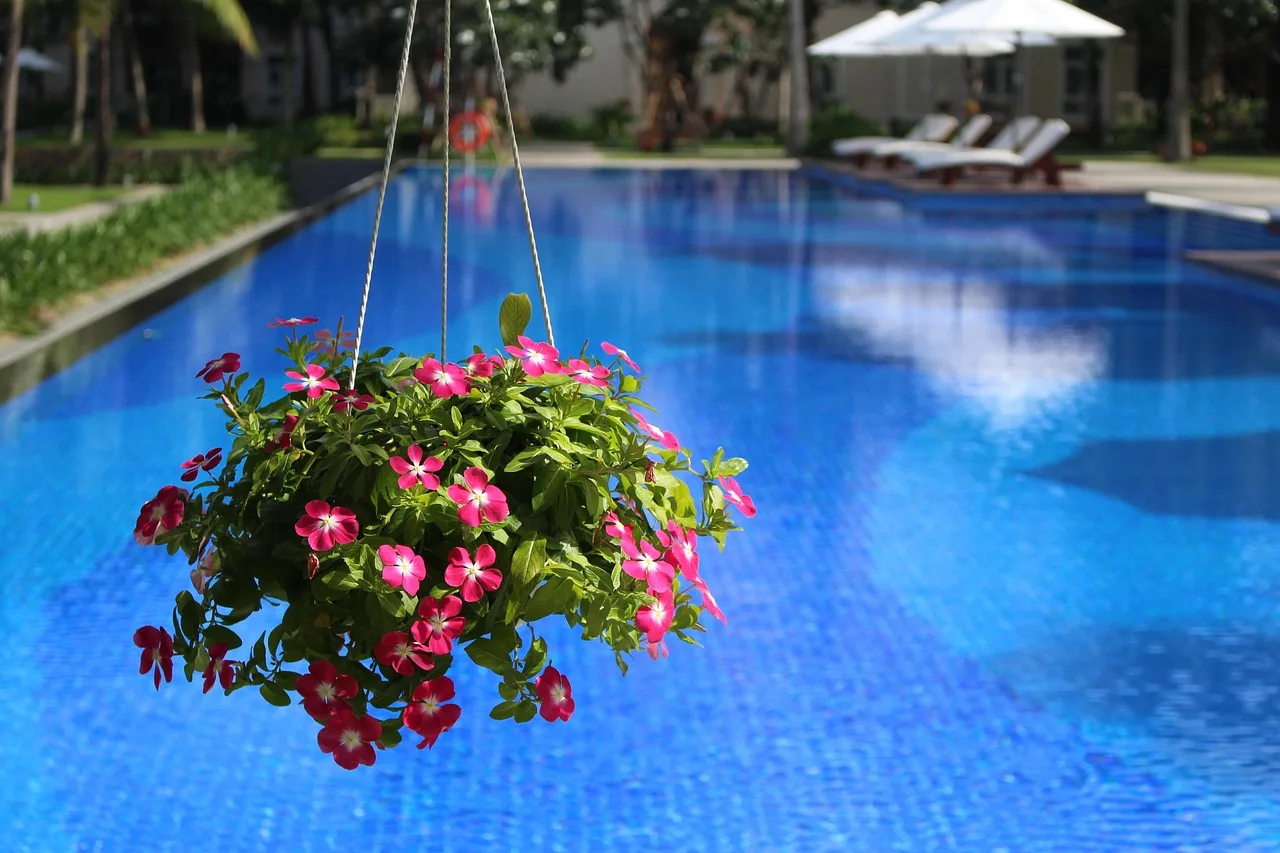
•isim: Su biriktirme, yüzme, çevreyi güzelleştirme vb. amaçlarla altı ve yanları mermer, beton benzeri şeylerden yapılarak içine su doldurulan, genellikle üstü açık yer
•Kum, asit vb. konulan çukur yer
•denizcilik: Büyük gemilerin onarılmak için çekildikleri yer
•Bir amaç güdülerek farklı kaynaklardan gelen paranın ilgililere daha sonra paylaştırılmak üzere toplandığı belirli bir yer
Diğer Dillerde
basin, wide bowl · a swimming pool or other artificial pool · a basin, large hollow, enclosed valley
çekim: tamlayan Beckens
eş: Pelvis
köken: From Middle High German becken, from Old High German becki, beckin, from Vulgar Latin *baccīnum (possibly attested as bacchinon, 6th century), probably from Gaulish. Compare Dutch bekken and further French bassin, English basin.
aile: Fischbecken, Hafenbecken, Schwimmbecken, Waschbecken
Hier ist er im Pool. — Burada havuzda.
Fransızcaaquarium, billard, bonbonne, bouteille, char d'assaut, char de combat (eril) /a.kwa.ʁjɔm/
aquarium · a clambake (an instance of smoking in an enclosed space)
çekim: çoğul aquariums
eş: bassin, cuve, réservoir, vivier
köken: Borrowed from Latin aquārium. Doublet of évier.
La piscine Aqualia. — Havuza dalar.
to face, to face up to (to confront a condition or situation)
çekim: geçmiş arrostré · ortaç arrostrado · şimdiki arrostra
köken: From a- + rostro + -ar.
Cascadas La Piscina. — Havuza dalar.
İtalyancabacino, bombola, carro armato, energumeno, insieme, invaso (eril) /baˈt͡ʃi.no/
bowl · pelvis · basin, drainage basin, catchment basin
çekim: çoğul bacini
eş: bacile, bacinella, catinella, catino, recipiente, vasca
köken: From Late Latin bacchinon, probably of Gaulish origin; cognate with Medieval Latin bacinus.
aile: abbacinare, bacino di carenaggio, bacino di utenza, bacino galleggiante
Eccolo nella piscina. — Burada havuzda.
Rusçaводоём /vədɐˈjɵm/
water reservoir, basin, pond, body of water
çekim: çoğul водоёмы · tamlayan водоёма
köken: From вода́ (vodá) + -о- (-o-) + -ём (-jóm), combining form of имать (imatʹ, “to take, originally to have”) (compare 1sg. present е́млю (jémlju)).
Бассейн Вычегды. — Havuza dalar.
هذا هو في حمّام السباحة . لكنه هنا في أتم صحة ، — Burada havuzda.
dread, fear · anxiety, care
köken: From Middle Persian [Term?] (/wāk/), [Term?] (/wāg/), further etymology unknown. Alternatively, from Proto-Iranian *bā(ia)-ka-, from Proto-Iranian *baiH- (“to fear”), from Proto-Indo-European *bʰeyh₂- (“to fear, be afraid”). Compare Old Armenian վախեմ (vaxem).
aile: بیباک
روزها گر رفت گو رو باک نیست تو بمان ای آن که چون تو پاک نیست
swimming pool
çekim: çoğul hovuzlar · tamlayan hovuzun
köken: From Arabic حَوْض (ḥawḍ).
Felemenkçezwembad (nötr) /ˈzʋɛm.bɑt/
swimming pool
çekim: çoğul zwembaden
köken: Compound of zwemmen + bad.
Hier zit hij in het zwembad. — Burada havuzda.
billiards (game which has similarities to pool and snooker) · billiards, cue sport (any of various games played on a tabletop with balls and cues)
çekim: çoğul bilhares
köken: Borrowed from French billard.
Bloco — & Havuz Görünümü
Yunancaάρμα μάχης, δεξαμενή, δοχείο, πισίνα (nötr)
battle tank, heavy armoured vehicle
çekim: çoğul άρματα μάχης
eş: τανκ, τανκς, τανξ
Προβολή & δεξαμενής — & Havuz Görünümü
tank (container) · tank (military vehicle)
köken: From English tank.
aile: 満タン
銀貨 100点。 — Yıl Havuzu 100.
Çince坦克, 坦克車 /坦克车, 戰車 /战车, 鐵殼車 /铁壳车 /tʰän²¹⁴⁻²¹ kʰɤ⁵¹/
tank (armoured fighting vehicle) (Classifier: 輛/辆 m; 部 m c; 臺/台 m; 架 c) · fat girl
eş: 鐵甲車, 铁甲车, 肉盾, 主坦, 副坦
köken: Phono-semantic matching of English tank.
aile: 反坦克, 坦克手, 坦克車, 坦克车, 老坦克
有一个大型游泳池。 — Ufak bir havuz mevcut.
按F進入坦克
按F进入坦克
North Korea standard form of 탱크 (taengkeu, “tank”)
köken: Borrowed from Russian танк (tank).
aile: 땅크병
여기서 그는 수영장에 있습니다. 하지만 이 시점에서 그는 — Burada havuzda.
swimming pool; pool
çekim: çoğul bassänger · tamlayan bassängs
köken: From French bassin.
Strandpromenaden 100 år — Yıl Havuzu 100.
pool, swimming pool · tank, basin (a collection point for liquids) · basin (an area that drains into a larger body of water)
çekim: çoğul baseny · tamlayan basenu
eş: pływalnia
köken: Borrowed from French bassin, from Old French bacin, from Vulgar Latin *baccinus, *baccinum, probably from Gaulish.
aile: basenowy, suchy basen
Tutaj jest w basenie. — Burada havuzda.
basen oceaniczny
basen sedymentacyjny
tank · reservoir
çekim: çoğul टंकियाँ
köken: Related to Marathi टांकी (ṭāṅkī), Gujarati ટાંકી (ṭā̃kī), English tank.
Finceallas, biljardi, keila, kimppa, lammikko, lampi /ˈɑlːɑs/
a closed body of water, e.g. a lagoon · reservoir (natural or artificial lake used as a source of water supply) · glacial basin (a broad and relatively shallow depression caused by glaciation)
çekim: çoğul altaat · tamlayan altaan
köken: From Proto-Finnic *aldas (compare Karelian allaš (“trough”)), derived from a root borrowed from Proto-Germanic *aldǭ (“trough”) (whence e.g. Norwegian olda and separately also aalto). The ending has probably been modified to -as by analogy with other Germanic loans (such as valas).
aile: allastaa, allikko, aaltoallas, allasalue, allasbaari, allaskaappi, allaskatto, allasosasto, allastelakka, huuhteluallas
Uima-allas on avoinna yleisölle. — Yüzme havuzu halka açık.
puddle
çekim: çoğul kaluže · tamlayan kaluže
eş: louže
köken: Inherited from Proto-Slavic *kaluža, related to *kalъ (“dirt”). Cognate with Polish kałuża and Serbo-Croatian kaljuža. First attested in the 19th century.
Rok 1000 př. — Yıl Havuzu 100.
Rumencerecipient, rezervor, tanc, tanc rezervor (nötr)
container
çekim: çoğul recipiente · tamlayan recipientului
köken: Borrowed from French récipient.
Iata-l in bazin. — Burada havuzda.
cistern (a waterproof below-ground receptacle for holding liquids, usually rain water) · cistern, cisterna (any of the various membranes sections comprising some organelles like the Golgi apparatus and the endoplasmic reticulum) · cistern (a tank collecting water at the base of the bromeliads leaves)
çekim: çoğul ciszternák
köken: From Latin cisterna, from cista, from Ancient Greek κίστη (kístē, “box”).
aile: ciszternás
Az uszoda, és Oh Min Ji. — Yüzme havuzu ve Oh Min Ji
a reserve, a stockpile, a reservoir (place where anything is kept for future use, including water) · a repository (place for storage, often for safety or preservation, sometimes digitally)
çekim: çoğul מַאֲגָרִים
aile: מַאֲגַר מֵידָע
אבל זה לא מידע שמצביע על הרגע המסוים הזה — Burada havuzda.
בספרייה יש מאגר עצום של עיתונות היסטורית.
Latinceautocurrus armatus, lacus, stāgnum /ˈɫa.kʊs/
a lake, pond, basin; reservoir · a tank, tub, sink, vat, wine-vat
çekim: çoğul lacūs · tamlayan lacūs
köken: According to De Vaan, from Proto-Italic *lakus, from Proto-Indo-European *lókus (“lake, pool”); the reason for the change to *a is debated, but perhaps from velarized *[ɫ]. Regarding this proposed phonological development, Schrijver notes that the form lacus may be the only positive evidence for such a sound law, rendering the existence of the rule uncertain. Cognate with Ancient Greek λάκκος…
aile: laculātus, lacūna, lacusculus
inque cavōs ierant tertia musta lacūs
container (an item in which objects or materials can be stored or transported) · tank (container)
çekim: çoğul beholdere · tamlayan beholders
köken: From German Behälter.
aile: affaldsbeholder, ajlebeholder, ekspansionsbeholder, gasbeholder, glasbeholder, gyllebeholder, kompostbeholder, rentvandsbeholder, trykbeholder, vandbeholder
Pølen er altså 0 fuld. . — Havuzu tamamen boştu. .
Norveççestridsvogn, tanke
På plassen finnes et basseng. — Ufak bir havuz mevcut.
Endonezcegenangan, kolam, kumpulan, mobil baja, pangkalan, tabung /ɡəˈnaŋan/
pool, puddle · inundation
çekim: çoğul genangan-genangan
köken: Affixed genang + -an.
aile: genangan pasang
Kolamnya sudah berubah. — Havuz çoktan değişti.
Etimoloji
Arapça
Eş & Zıt Anlamlılar
Örnek Cümleler
Havuz boş.
The pool is empty.
Havuz Çiti
Pool Fencing
Havuza girme.
Do not enter the pool.
Havuza daldı.
He dove into the pool.
Havuza düştüm.
I fell in the pool.
Havuza girdim.
I went to the pool.
Havuza atladım.
I jumped into the pool.
Burada havuzda.
Here he is in the pool.
O, havuza daldı.
She dived into the pool.
O, havuza düştü.
He fell into the pool.
Havuzdan çıktım.
I got out of the pool.
& Havuz Görünümü
& Pool View
İlgili Sorular
İlgili / Bileşik Terimler
Genelcrucian carp
Birleşik Kelimeler
yüzer havuzçöktürme havuzukapalı yüzme havuzukum havuzusağlık havuzuyüzme havuzu